What an Aging Bull Terrier’s Coat Looks Like
As our beloved Bull Terriers gracefully navigate their senior years, one of the first things many owners notice is a shift in their familiar, sleek coat. It’s natural to feel a pang of worry when you see changes in something that was once so vibrant and distinctive. This guide will walk you through what’s typical for an aging Bull Terrier's coat, help you differentiate normal changes from potential health concerns, and offer practical advice on how to keep their skin and fur as healthy and comfortable as possible as they grow older.
The Subtle Art of Aging: Changes in Your Bull Terrier's Coat Texture and Color
Just like us, Bull Terriers don't stay the same forever. Their bodies, including their skin and coat, undergo a gradual transformation as they age. What was once a hallmark of their youthful vigor — that characteristic short, coarse, and incredibly dense coat – can soften and thin. It’s a part of the journey, but it’s still something to understand and prepare for.
Softening of the Coat: The Return to Puppy Hair?
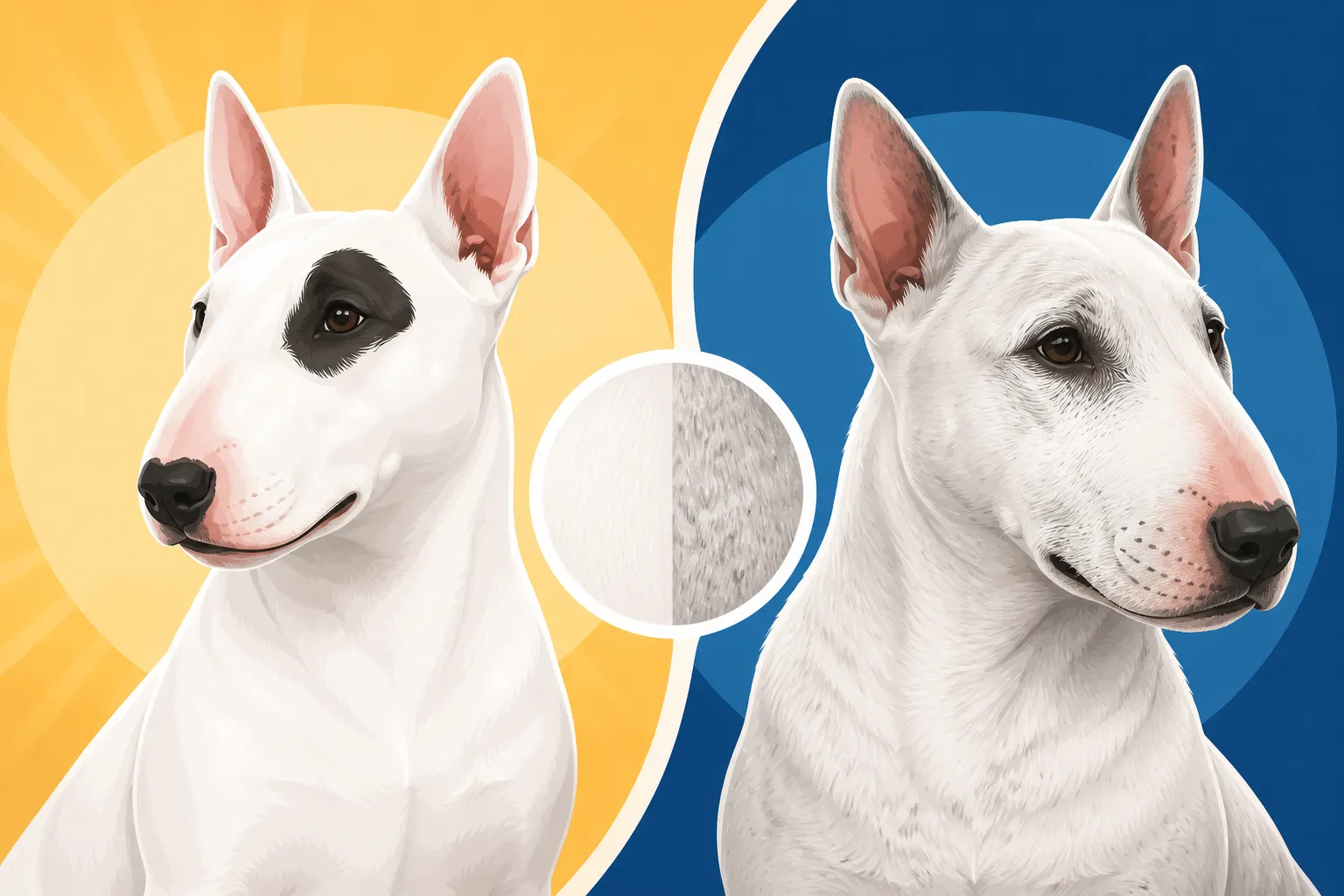
You might notice that your senior Bull Terrier's coat starts to feel different under your hand. That distinctive, almost bristly texture, often described as "harsh" but in a good, healthy way, can give way to something surprisingly softer, almost reminiscent of puppy fur. This isn't usually a cause for alarm. As dogs age, their hair follicles become less efficient at producing the same robust strands of hair. Cellular turnover slows down, and the hair that does grow tends to be finer and less dense than it was in their prime. Hormonal shifts that occur in senior dogs can also play a role in this softening effect. It’s a gentle reminder of the passage of time, making those cuddles feel a little different, but no less precious. For a deeper dive into their general skin characteristics, check out A Bull Terrier's Coat Is Easy and Its Skin Is Not.
Graying and Pigmentation Changes: The Muzzle Tells All
The most universally recognized sign of aging in almost any dog breed is the appearance of gray hairs, and Bull Terriers are no exception. Typically, this starts around the muzzle, eyes, and sometimes across the forehead, giving them that distinguished, wise look. Even on colored Bull Terriers, you might notice the vibrant intensity of their brindle, red, or tricolor markings beginning to dull slightly, or even lighten with streaks of white or gray. It's not just the hair itself; sometimes, the pigmentation of their skin can also change. You might observe a lightening of their nose leather or paw pads, or the appearance of benign age spots, similar to human liver spots, on their skin. These pigmentary shifts are usually harmless, but any rapidly changing or raised pigmented spots should always be brought to your veterinarian's attention during your regular check-ups.
Dullness and Loss of Luster: More Than Just Aesthetics
That healthy, vibrant sheen that bounced off your Bull Terrier's coat when they were younger can gradually diminish as they age. Their fur might appear duller, less reflective, and perhaps even a bit dry. This loss of luster isn't just about appearance; it can often be an indicator of underlying changes in their overall health and nutrition. Older dogs may not absorb nutrients as efficiently, or they might have subtle hydration issues that impact skin and coat health. A dull coat can also be a signal of a less active sebaceous gland, meaning the natural oils that coat and protect the hair strands are not being produced in the same abundance. Ensuring they have a high-quality diet specifically formulated for senior dogs and staying vigilant about their water intake can often help mitigate some of this dullness.
Shedding and Thinning: Is It Normal for an Older Bull Terrier?
It’s easy to get concerned when you see more hair around the house or notice patches where your Bull Terrier’s coat seems thinner. While some increased shedding and thinning can be a normal part of aging, it’s also important to know when these changes might signal something more serious. Our senior Bull Terriers deserve our careful observation.
Increased Shedding: A Natural Part of the Cycle
You might find yourself reaching for the lint roller more often or seeing more Bull Terrier hair on your furniture than you used to. Older dogs can indeed experience an increase in shedding. This is due to a natural slowdown in the hair growth cycle. Hair follicles don't hold onto individual strands for as long, leading to more frequent shedding of old hair. This shedding is usually diffuse, meaning it's spread fairly evenly across the body, though you might notice it more on their flanks, neck, and hindquarters. It’s a bit like us losing more hair as we get older – the process just isn't as robust as it once was. Regular, gentle brushing can help manage this increased shedding and keep their coat tidy. Learn more about their typical shedding patterns in How Much a Short Coated Bull Terrier Actually Sheds.
Thinning Hair and Bald Spots: When to Be Concerned
While some diffuse shedding is normal, if you start to notice significant thinning in specific areas, or outright bald spots (alopecia), it’s definitely time to pay closer attention. Common areas for age-related thinning include the thighs, flanks, and sometimes the tail. However, pronounced or sudden hair loss could be a symptom of various underlying health issues that are more common in senior dogs.
For instance, hormonal imbalances such as hypothyroidism can manifest as a dull, brittle coat and symmetrical hair loss, often starting on the body and sparing the head and legs. Skin infections, allergies, or even parasites like Demodectic mange can also cause hair loss and irritation. Whether a Bull Terrier Gets Hypothyroidism and Demodectic Mange in a Bull Terrier offer crucial insights into these conditions. Nutritional deficiencies, certain medications, or even pressure sores from lying down more can contribute to localized thinning. If you observe any distinct bald patches, flaky skin, redness, excessive itching, or a change in your Bull Terrier's behavior along with hair loss, a visit to the veterinarian is absolutely necessary. Early detection of underlying conditions can significantly improve their quality of life.
Maintaining Skin and Coat Health in Senior Years
Keeping your aging Bull Terrier's coat and skin healthy isn't just about aesthetics; it's about their comfort and overall well-being. Their skin is often their weakest point, and this becomes even more true as they get older. Proactive care can make a huge difference.
Nutritional Support: Fueling From Within
A high-quality diet is the cornerstone of good health, and this becomes even more critical for senior Bull Terriers. Their nutritional needs change; they might require fewer calories to maintain a healthy weight, but a higher concentration of easily digestible protein to preserve muscle mass. Crucially, nutrients that support skin and coat health, such as omega-3 and omega-6 fatty acids, become incredibly important. These essential fatty acids help maintain skin barrier function, reduce inflammation, and promote a healthy, lubricated coat.
Many senior dog foods are specifically formulated with these considerations in mind, often including antioxidants and joint support as well. If your Bull Terrier is on a special diet, perhaps for kidney health, discussing coat-specific supplements with your vet is a good idea. Brands found on platforms like Chewy offer a wide variety of senior dog food formulations and supplements, making it easier to find options tailored to their evolving needs. Some owners even explore fresh food options, with services like Ollie delivering customized meals that can make a big difference for an aging coat, as the ingredients are often less processed and nutrient-dense. Remember, a healthy coat truly starts from the inside out. For general guidance on feeding in their later years, consider How Many Calories a Bull Terrier Needs.
Regular Grooming and Skin Checks: Your Hands-On Approach
Even though Bull Terriers are known for their "easy care" coats, regular grooming becomes even more vital in their senior years. This isn't just about brushing; it's a dedicated time for bonding and a crucial opportunity for a thorough "once-over" of their body.
- Gentle Brushing: Use a soft rubber curry brush or a shedding blade designed for short coats. This helps to remove loose hair, stimulate blood circulation to the skin, and distribute natural oils. Be extra gentle, as older skin can be more sensitive, and they might have hidden aches or pains.
- Weekly Skin Checks: This is non-negotiable for a senior Bull Terrier. As you brush, feel every inch of their body. Look for new lumps, bumps, warts, scabs, dry patches, or areas of redness and irritation. Older dogs are more prone to skin tags, fatty tumors (lipomas), and other growths. While many are benign, it's impossible to tell without a vet's examination. The Weekly Skin Check Every Bull Terrier Needs provides excellent guidance here. Pay close attention to their belly, armpits, and groin where skin folds might hide issues. You might find issues that weren't there when they were younger, so being vigilant is key. How a Bull Terrier's Skin Changes With Age goes into more detail.
- Bathing: Regular bathing with a gentle, moisturizing shampoo designed for sensitive skin can prevent dryness and help manage mild skin irritations. Avoid harsh chemicals or over-bathing, which can strip natural oils. Consult Which Shampoo Suits a Bull Terrier's Skin for suitable choices. Always dry them thoroughly, especially in cooler weather, as older dogs can be more susceptible to chills.
Environmental Factors: Protecting Delicate Skin
Our senior Bull Terriers need a little extra help from their environment to keep their skin and coat healthy.
- Humidity: Dry indoor air, especially in winter, can exacerbate dry, flaky skin. A humidifier in their favorite sleeping area can make a surprising difference in their comfort and skin moisture levels.
- Sun Protection: White Bull Terriers, in particular, are prone to sunburn due to their fair skin and lack of protective pigment. As they age, their skin can become even more sensitive and prone to sun damage. Limit their exposure during peak sun hours and consider applying a pet-safe sunscreen to vulnerable areas like their nose, ear tips, and thin-coated bellies if they enjoy basking. Sunburn on a White Bull Terrier offers crucial advice on this topic. Even colored Bull Terriers can develop sun-related issues if they have thin patches of fur.
- Comfortable Bedding: Older dogs spend more time resting, so providing soft, orthopedic bedding can prevent pressure sores, which can in turn affect the skin and coat in those areas. Look for beds that offer good support and are easy to clean.
Addressing Common Aging Coat Concerns in Bull Terriers
It’s one thing to see your Bull Terrier’s coat soften or get a few gray hairs; it’s another to deal with persistent issues that cause them discomfort. Understanding common coat concerns in senior Bull Terriers will help you respond appropriately and know when it’s time to seek professional help.
Dry, Flaky Skin and Itching: Solving the Mystery
Many senior Bull Terriers develop dry, flaky skin, often accompanied by varying degrees of itching. This can be incredibly frustrating for both you and your dog. Several factors can contribute to this:
- Decreased Natural Oil Production: As mentioned, aging skin produces fewer natural oils, leading to dryness.
- Dehydration: Older dogs might not drink as much water, or they might have underlying health conditions that affect their hydration.
- Environmental Factors: Low humidity, especially during colder months when indoor heating is on, can severely dry out their skin.
- Allergies: Even if your Bull Terrier didn't have significant allergies in their youth, their immune system can change with age, potentially developing new sensitivities or exacerbating existing ones. Environmental allergens (like pollen or dust mites) or food sensitivities can cause itchy, inflamed skin.
- Underlying Medical Conditions: Kidney disease, which Bull Terriers are predisposed to, can sometimes affect skin and coat quality. Other metabolic issues can also play a role.
When dealing with dry, itchy skin, start with the basics: ensure good hydration, use a gentle, moisturizing shampoo, and consider a fish oil supplement rich in omega-3s. If the itching persists or is severe, consult your vet. They can help rule out allergies, infections, or systemic diseases.
Lumps, Bumps, and Warts: The Senior Skin Landscape
It’s almost a rite of passage for a senior dog owner to discover a new lump or bump on their pet. Our Bull Terriers are no exception. These can range from completely benign fatty tumors (lipomas), which feel soft and movable under the skin, to skin tags, or benign warts that develop in older age. While many are harmless, some can be more serious, such as mast cell tumors, which can vary greatly in appearance.
The key takeaway here is don't ignore them. Every new lump, bump, or skin growth should be pointed out to your veterinarian. They might recommend a fine needle aspirate (FNA) to collect cells for examination, or, in some cases, a biopsy or surgical removal. Keeping a "body map" of any lumps you find, noting their size and location, can be helpful for monitoring them. Regular The Weekly Skin Check Every Bull Terrier Needs helps you catch these early. For a broader understanding of how your dog changes, including their physical appearance, when they reach advanced age, refer to What Changes in a Bull Terrier After Eight.
When to Consult the Vet: Knowing When to Act
While many coat changes are a normal part of your Bull Terrier’s aging process, there are definite signs that warrant immediate veterinary attention. Your intuition as an owner is powerful, and if something just doesn't feel right, it's always best to err on the side of caution.
Here are some red flags that indicate a vet visit is needed for coat-related concerns:
- Excessive, Rapid, or Symmetrical Hair Loss: Especially if it's not diffuse but in distinct patches.
- Intense, Persistent Itching: If your Bull Terrier is constantly scratching, licking, or chewing, it's causing them distress and needs investigation.
- Redness, Inflammation, or Foul Odor: These are signs of infection or severe irritation.
- Open Sores or Scabs: These can indicate infection, trauma, or more serious skin conditions.
- Changes in Skin Texture: Thickened, leathery, or unusually thin and fragile skin.
- New or Rapidly Changing Lumps/Bumps: Any growth that appears suddenly, grows quickly, or is painful should be checked.
- Dull Coat Accompanied by Other Symptoms: If the dull coat is coupled with lethargy, changes in appetite, increased thirst, or weight loss, it could signal a systemic illness. For example, What an Aging Bull Terrier's Medication Costs can highlight the financial implications if these issues are left untreated, emphasizing the importance of early diagnosis.
- If you suspect an underlying condition like Whether a Bull Terrier Gets Hypothyroidism or kidney issues that could affect the skin, it's always better to get a professional opinion.
Your veterinarian is your best resource for distinguishing normal aging from treatable health issues. They can recommend specific senior diets, supplements, medicated shampoos, or treatments for underlying conditions. After all, the goal is to ensure our cherished Bull Terriers are as comfortable and healthy as possible as they enjoy their golden years. For more on caring for them in their later life, see Caring for a Bull Terrier Past Eight and The Age a Bull Terrier Is Considered Senior.
| Coat Change Category | Common Observations in Senior Bull Terriers | When to Consult a Vet |
|---|---|---|
| Texture | Softening, less coarse, sometimes finer hair | Sudden changes, rough patches, extreme dryness, pain on touch |
| Color | Graying around muzzle/eyes, dulling of markings | Sudden onset of widespread depigmentation, rapid darkening of spots |
| Luster | Dullness, lack of shine, sometimes dry | Accompanied by lethargy, weight changes, excessive dryness, or flakiness |
| Shedding | Increased but diffuse shedding | Excessive, rapid, or symmetrical hair loss, bald patches |
| Skin Health | Dry patches, benign lumps (lipomas, warts) | Redness, inflammation, sores, persistent itching, rapidly growing/changing lumps |
Disclaimer
This article is for general informational purposes only and does not constitute professional advice. Laws, prices and regulations vary by location and change over time. Consult a qualified professional for guidance on your specific situation.