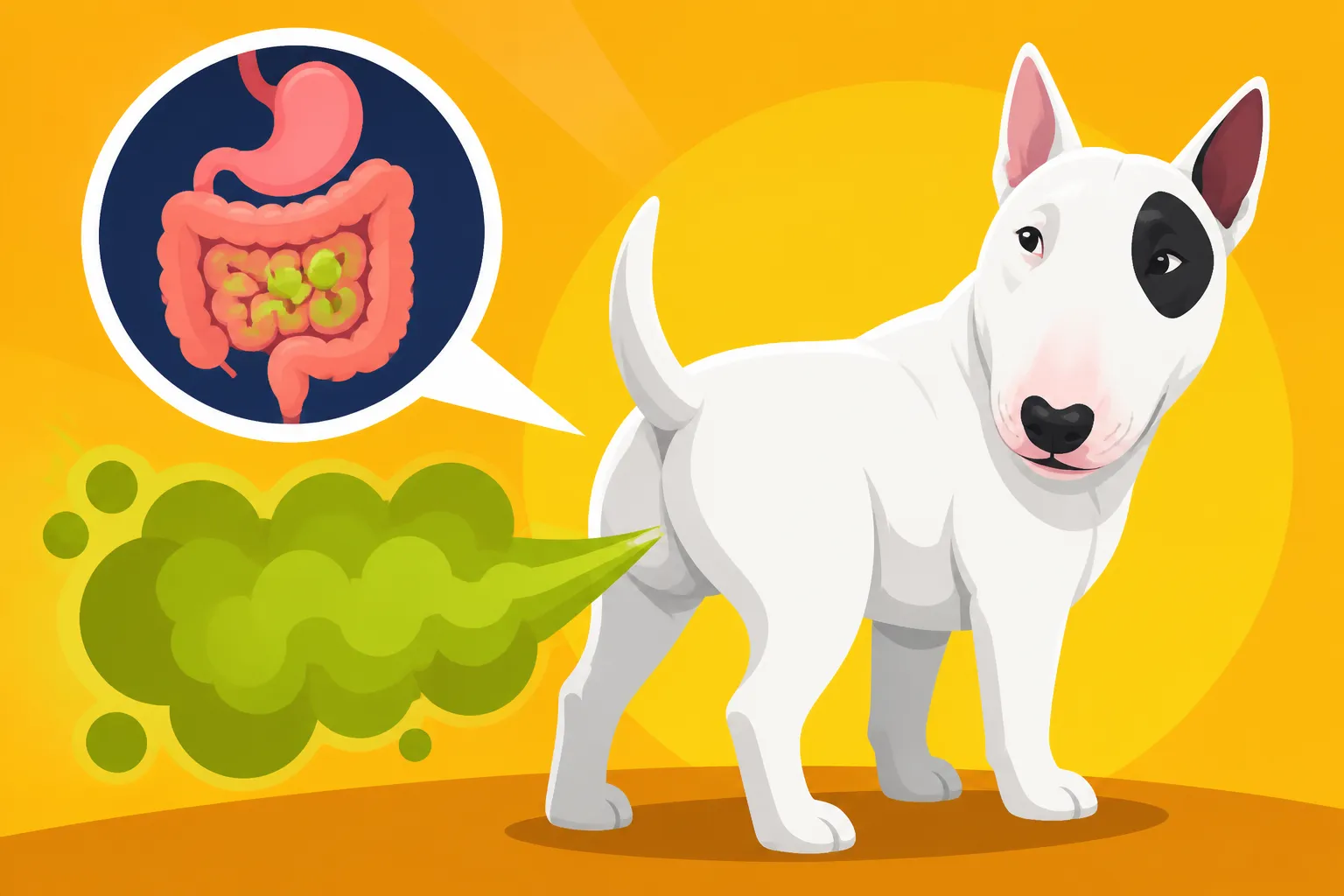
Why a Bull Terrier Passes So Much Wind
Oh, the joys of living with a Bull Terrier! We love their clownish antics, their unwavering loyalty, and that mischievous sparkle in their eye, but let's be honest, there's one "feature" that can sometimes clear a room faster than a fire alarm: their wind. If you've ever found yourself wondering if your beloved Bullie is secretly trying to gas you out of your own home, you're not alone. That distinctive, potent aroma is a common complaint among Bull Terrier owners, and it often leaves us scratching our heads and holding our noses. This guide is here to shed some light on why your Bull Terrier might be passing so much wind, what's normal, what's not, and what you can do about it to bring a little more fresh air back into your life.
The Gassy Truth: Understanding Canine Digestion
It’s easy to feel like your Bull Terrier is uniquely gifted in the art of flatulence, but the truth is, all dogs produce gas. It’s a natural byproduct of digestion. However, with Bull Terriers, it often seems to be on another level. Let’s break down the basics so we can understand what’s really going on in there.
The Basics of Canine Digestion and Gas Production
When your Bull Terrier eats, food travels down the esophagus, into the stomach for initial breakdown, and then into the small intestine where most nutrient absorption happens. Whatever isn't fully digested – usually certain carbohydrates, fibers, and proteins – moves into the large intestine. This is where the magic (or rather, the malodorous science) happens. Billions of bacteria in your dog's gut get to work, fermenting these undigested food particles. This fermentation process produces various gases, including hydrogen, carbon dioxide, and methane. When these gases build up, they need an exit strategy, and voilà: flatulence.
The difference in intensity often comes down to the types and amounts of gas produced, and crucially, some gases have a much stronger odor than others. Sulfur-containing compounds, for instance, are the real culprits behind those truly eye-watering emissions. So, while gas is normal, the volume and potency can certainly vary wildly from one dog to another, and even from one meal to the next.
When Is "Normal" Too Much? Recognizing Excessive Flatulence
So, how do you know if your Bull Terrier's occasional toot is just part of being a dog, or if it's hinting at something more? A little bit of gas, especially after a big meal or a particularly exciting play session, is usually nothing to worry about. Maybe they let out a quiet little puff while curled up on the sofa, barely noticeable. That’s probably just normal canine life.
However, if your Bull Terrier is routinely producing loud, frequent, and particularly pungent gas, or if it's accompanied by other symptoms like a rumbling stomach, bloating, discomfort, changes in appetite, or altered stool consistency (like diarrhea or excessive mucus), then it might be time to pay closer attention. Consider if the gas is constant throughout the day, or mainly after specific activities or foods. A Bull Terrier constantly clearing the room with their personal cloud isn't just an inconvenience; it can be a sign their digestive system is struggling. Monitoring the frequency, volume, and smell can give you valuable clues about whether their gastrointestinal system is in balance.
Dietary Culprits Behind Excessive Bull Terrier Flatulence
It's amazing how much impact diet has on our dogs, isn't it? Just like with humans, what goes in often determines what comes out (and how it smells!). For many Bull Terriers, the root cause of excessive wind can be traced directly back to their bowl.
Rapid Eating and Air Swallowing
Bull Terriers, with their enthusiastic approach to pretty much everything, are often champion speed eaters. They don't just eat their food; they inhale it. This rapid consumption isn't just messy; it causes them to swallow a significant amount of air along with their meal. This swallowed air has to go somewhere, and it often manifests as burping or, you guessed it, flatulence. Think about how you feel after chugging a fizzy drink – same principle!
If your Bull Terrier gulps down their food in mere seconds, you might notice their gas is more frequent and less odorous, as it's primarily excess air rather than fermented food byproducts. It's a common issue, and thankfully, one that often has a straightforward solution. For more on this, check out our article, Why a Bull Terrier Inhales Its Food.
High-Fiber and Fermentable Ingredients
Not all ingredients are created equal when it comes to digestibility. Some perfectly healthy ingredients can be notoriously gassy for certain dogs, and Bull Terriers are no exception. Foods high in fermentable carbohydrates are often the biggest offenders. This includes ingredients like:
- Legumes: Peas, beans, lentils (often found in "grain-free" kibbles).
- Certain vegetables: Broccoli, cabbage, cauliflower, corn, potatoes.
- Some fruits: Apples (especially the skin), pears.
- Dairy products: Many dogs are lactose intolerant, leading to gas and digestive upset.
- Soy: A common allergen and can be hard for some dogs to digest.
While fiber is essential for gut health, an excess of certain types can lead to increased fermentation and, consequently, more gas. It's a delicate balance. What might be perfectly fine for one Bull Terrier could be a major gas trigger for another.
Food Intolerances and Allergies
Beyond just fermentable ingredients, some Bull Terriers develop genuine intolerances or allergies to specific components in their diet. This is different from just a "gassy" ingredient; an intolerance means their digestive system simply can't process it correctly, while an allergy involves an immune response. Common culprits for sensitivities include:
- Protein sources: Beef, chicken, lamb, dairy, eggs.
- Grains: Wheat, corn, soy (though true grain allergies are less common than protein allergies).
If your Bull Terrier is experiencing a food intolerance or allergy, excessive flatulence is often just one symptom. You might also notice skin issues like itching, redness, or ear infections, as well as vomiting, diarrhea, or a generally upset stomach. It can be incredibly frustrating to pinpoint, feeling like you're constantly playing detective with their diet. To learn more about other related issues, read Whether a Bull Terrier Gets Skin Allergies. Identifying and removing the problematic ingredient through a controlled elimination diet, often with vet guidance, is key here.
Sudden Diet Changes or Low-Quality Food
Have you ever switched your dog's food abruptly, only to be met with a symphony of stomach gurgles and gaseous releases? You're not alone. A sudden change in diet doesn't give your Bull Terrier's digestive system, particularly the gut bacteria, time to adjust. This can lead to an imbalance and, you guessed it, more gas. Always transition new foods slowly, over a period of 7-10 days, gradually mixing increasing amounts of the new food with decreasing amounts of the old.
Furthermore, the overall quality of your Bull Terrier's food plays a huge role. Cheaper foods often contain a lot of fillers, by-products, and artificial ingredients that are difficult for dogs to digest. These can lead to inefficient nutrient absorption and increased fermentation. Switching to a higher-quality, easily digestible food with fewer fillers can make a world of difference. Brands like Ollie, known for their fresh, human-grade ingredients, or high-quality kibbles found on platforms like Chewy or Amazon, might be worth exploring if you suspect your current food isn't cutting it. It’s all about finding what works best for your individual Bull Terrier's sensitive system.
Health Conditions That Can Cause a Gassy Bull Terrier
While diet is often the first place we look (and rightly so!), it's important to remember that excessive or persistent flatulence can sometimes be a red flag for underlying health issues. It's not about panicking, but about being informed and knowing when to consult your veterinarian.
Intestinal Parasites
Worms and other intestinal parasites are nasty little invaders that can wreak havoc on your Bull Terrier's digestive system. They irritate the gut lining, interfere with proper digestion and nutrient absorption, and can lead to a whole host of gastrointestinal symptoms, including excessive gas. Common culprits include roundworms, hookworms, whipworms, and protozoa like Giardia.
Besides gas, you might notice other signs such as diarrhea (which can sometimes contain blood or mucus), vomiting, weight loss despite a good appetite, a pot-bellied appearance (especially in puppies), or a dull coat. Regular deworming protocols, especially for puppies, and routine fecal checks at your vet are crucial for keeping these unwelcome guests at bay. If you're seeing persistent gas along with any of these other symptoms, a trip to the vet for a stool sample analysis is definitely in order.
Inflammatory Bowel Disease (IBD) and Other GI Issues
Inflammatory Bowel Disease (IBD) is a chronic condition characterized by persistent inflammation of the gastrointestinal tract. It's not a single disease but rather a syndrome where the immune system mistakenly attacks the lining of the digestive tract. This inflammation can impair digestion and absorption, leading to a variety of symptoms that can include chronic diarrhea, vomiting, appetite changes, weight loss, and, yes, a significant increase in flatulence.
Other chronic GI issues, even less severe ones like recurring gastritis or enteritis, can also contribute to excessive gas. These conditions disrupt the normal digestive process, leading to a build-up of undigested food and subsequent fermentation. Diagnosing IBD often requires a process of elimination, ruling out other conditions, and sometimes involves biopsies of the intestinal lining. Managing it usually involves dietary changes, sometimes novel protein or hydrolyzed diets, and medications to control inflammation.
Exocrine Pancreatic Insufficiency (EPI)
Exocrine Pancreatic Insufficiency (EPI) is a condition where the pancreas doesn't produce enough of the digestive enzymes necessary to break down food. Without these enzymes, your Bull Terrier can't properly digest fats, carbohydrates, and proteins. The result? A whole lot of undigested food making its way to the large intestine, becoming prime fodder for gas-producing bacteria.
Dogs with EPI often exhibit a very specific set of symptoms: a ravenous appetite (they're constantly hungry because they're not absorbing nutrients), significant weight loss despite eating copious amounts, voluminous and often greasy or yellow-tinged stools, and, predictably, lots of foul-smelling gas. If you suspect EPI, a simple blood test can often confirm the diagnosis. The good news is that EPI is manageable with lifelong enzyme supplementation, which is mixed directly into their food.
Dysbiosis (Imbalance of Gut Bacteria)
Our dogs' guts are teeming with trillions of bacteria – a complex ecosystem known as the microbiome. When this ecosystem is healthy and balanced, digestion generally runs smoothly. However, sometimes this balance can be thrown off, leading to a condition called dysbiosis. This essentially means there's an overgrowth of "bad" bacteria or a deficiency of "good" bacteria.
Dysbiosis can be triggered by many factors: a course of antibiotics, a sudden diet change, stress, chronic illness, or even exposure to environmental toxins. When the gut bacteria are out of whack, the fermentation process can go into overdrive, producing excessive and often very pungent gas. Symptoms might also include diarrhea, constipation, or a generally sensitive stomach. Addressing dysbiosis often involves dietary adjustments, prebiotics (which feed beneficial bacteria), and probiotics (live beneficial bacteria) to help restore a healthy balance.
Strategies to Reduce Your Bull Terrier's Wind
Okay, now that we've covered the "why," let's talk about the "how." Dealing with a gassy Bull Terrier isn't just about masking the smell; it's about getting to the root of the problem and helping their digestive system run more smoothly.
Optimizing Their Diet and Feeding Habits
This is often the first and most effective line of defense against a gassy Bull Terrier. Small changes can make a huge difference.
- Slow Feeder Bowls: As we discussed, many Bull Terriers are speed eaters, swallowing air along with their food. A slow feeder bowl, or even a simple puzzle feeder, forces them to eat more slowly, reducing air intake. You can find a wide variety of effective slow feeders on Chewy or Amazon.
- Smaller, More Frequent Meals: Instead of one or two large meals a day, try splitting your Bull Terrier's daily ration into three or four smaller meals. This reduces the amount of food hitting the digestive system at once, making it easier to process. How Many Meals a Day a Bull Terrier Needs is a great read for more on this.
- High-Quality, Digestible Food: Opt for a premium dog food with easily digestible ingredients and a single, novel protein source if you suspect food sensitivities. Look for foods with whole ingredients and minimal fillers. Brands that focus on fresh, whole foods, like Ollie, might be a good option to consider, as their recipes are often designed for digestibility. If you're shopping for kibble, research brands on platforms like Chewy or Amazon, looking at ingredient lists and customer reviews for digestibility concerns.
- Hydration: Ensure your Bull Terrier always has access to fresh water. Proper hydration aids digestion and helps move food through the system.
- Avoid Table Scraps and Gassy Treats: While it’s tempting to share, many human foods (especially fatty, sugary, or highly seasoned items) can upset a dog’s stomach and cause gas. Be particularly wary of legumes, dairy, and cruciferous vegetables. Even some commercial dog treats can be problematic.
Incorporating Probiotics and Digestive Enzymes
If dietary adjustments alone aren't quite doing the trick, or if you suspect an imbalance in gut flora or enzyme deficiency, supplements can sometimes lend a helping paw.
- Probiotics: These introduce beneficial bacteria into your Bull Terrier's gut, helping to restore balance to the microbiome. A healthy microbiome means more efficient digestion and less gas production. Probiotics come in various forms – powders, chews, or even certain yogurts (ensure they are plain and unsweetened, and offer in moderation). Always choose a product specifically formulated for dogs, and discuss options with your vet.
- Digestive Enzymes: If your Bull Terrier struggles with maldigestion (as in EPI, but sometimes even milder forms), adding digestive enzymes to their food can help break down nutrients more effectively before they reach the large intestine and cause gas. These are usually available as powders you sprinkle on food.
Before adding any supplements, it’s always best to consult with your veterinarian. They can help you determine if these are appropriate for your Bull Terrier and recommend specific products and dosages.
Ensuring Adequate Exercise and Stress Reduction
It might seem unrelated to digestion, but physical activity and emotional well-being play a significant role in gut health.
- Exercise Helps Move Gas: Regular, moderate exercise can help stimulate intestinal motility, which means gas moves through and out of the digestive tract more efficiently. A sedentary lifestyle can actually contribute to gas retention. A good daily walk or some active playtime helps keep things moving. For guidance on how much activity your Bull Terrier needs, check out How Much Exercise a Bull Terrier Actually Needs.
- Stress and Digestion: Just like in humans, stress and anxiety can impact a dog's digestive system. A stressed Bull Terrier might experience gastrointestinal upset, including increased gas. Ensuring your Bull Terrier has a consistent routine, a secure environment, and plenty of mental stimulation can help reduce stress, which in turn can positively influence their digestion.
Regular Vet Check-ups and Addressing Underlying Issues
Finally, and perhaps most importantly, don't underestimate the value of your veterinarian. If your Bull Terrier's flatulence is severe, persistent, accompanied by other symptoms (like vomiting, diarrhea, weight loss, or lethargy), or if home remedies aren't working, it's crucial to schedule a visit.
Your vet can rule out serious underlying health conditions like parasites, IBD, EPI, or even other more rare issues that might be contributing to the problem. They can perform diagnostic tests such as fecal exams, bloodwork (like What a Bull Terrier's Yearly Bloodwork Should Cover), and sometimes imaging, to get a clear picture of what's going on internally. Remember, persistent gas isn't just annoying; it can be a significant indicator that something isn't quite right with your Bull Terrier's health, and addressing it promptly can prevent more serious issues down the line.
| Cause of Flatulence | Common Symptoms (beyond gas) | Potential Solutions |
|---|---|---|
| Rapid Eating / Air Swallowing | Burping, no other GI upset | Slow feeder bowls, smaller meals |
| High-Fiber/Fermentable Foods | Often just gas, sometimes soft stool | Identify and reduce problematic ingredients |
| Food Intolerances/Allergies | Itching, skin issues, vomiting, diarrhea, ear infections | Elimination diet, novel protein or hydrolyzed diet |
| Sudden Diet Changes | Vomiting, diarrhea, soft stool | Gradual food transition over 7-10 days |
| Low-Quality Food | Poor coat, low energy, inconsistent stools | Switch to higher-quality, digestible food |
| Intestinal Parasites | Diarrhea, vomiting, weight loss, pot belly, dull coat | Fecal exam, deworming |
| IBD / GI Issues | Chronic diarrhea, vomiting, weight loss, appetite changes | Vet diagnosis, specialized diet, medication |
| EPI | Ravenous appetite, weight loss, greasy stools | Vet diagnosis, enzyme supplementation |
| Dysbiosis | Diarrhea, constipation, sensitive stomach | Probiotics, prebiotics, dietary changes |
| Stress / Anxiety | Pacing, destructive behavior, changes in appetite | Routine, exercise, mental stimulation, vet consultation |
Disclaimer
This article is for general informational purposes only and does not constitute professional advice. Laws, prices and regulations vary by location and change over time. Consult a qualified professional for guidance on your specific situation.