When a Bull Terrier Needs Boots on Hot Ground
Few things are more heartbreaking than seeing your beloved Bull Terrier limping, hopping, or refusing to walk because their sensitive paws have been scorched by hot pavement. It's a common, painful scenario that many owners unknowingly face, especially during warmer months, but the good news is that preventing paw burns is entirely within your control. This guide will walk you through understanding the risks, knowing when the ground is too hot, and equipping your unique companion with the protection they need for safe outdoor adventures.
Understanding the Dangers of Hot Pavement for Your Bull Terrier's Paws
It's easy to assume that a dog's paw pads are invulnerable, hardened by years of evolution and daily walks. While they are certainly more rugged than our bare feet, they are far from immune to the extreme temperatures that asphalt, concrete, and even some types of artificial turf can reach on a sunny day. Your Bull Terrier's paw pads, despite their tough appearance, are made of skin, and like all skin, they can burn, blister, and suffer serious injury when exposed to excessive heat.
Imagine walking barefoot on a black asphalt road in mid-summer. The intense, searing heat that would make you leap for shade is exactly what your Bull Terrier might be experiencing. The ambient air temperature can be perfectly comfortable for you, but the ground surface temperature can be significantly higher, absorbing and radiating heat. This is a crucial distinction, as a pleasant 75-degree Fahrenheit (around 24°C) day can still mean pavement temperatures exceeding 125 degrees Fahrenheit (around 52°C), hot enough to cause damage in mere minutes. For our sturdy but sensitive Bull Terriers, who love to be out and about, this is a real and present danger.
The Anatomy of a Paw Pad and Heat Sensitivity
Your Bull Terrier's paw pads are designed for traction, cushioning, and protection against rough terrain, but not against extreme thermal assault. They consist of a thick layer of keratinized skin, fat, and connective tissue, with sweat glands primarily located between the pads to help with cooling and grip. However, these sweat glands are not efficient enough to prevent burns when the ground is intensely hot. The heat rapidly transfers from the scorching surface directly into the paw, causing cellular damage.
The consequences of burned paw pads range from mild discomfort and redness to severe blistering, peeling, and infection. In extreme cases, deep burns can lead to permanent scarring, loss of sensation, and chronic pain, impacting your Bull Terrier's mobility and quality of life for the long term. A Bull Terrier, with their robust build and often high pain tolerance, might not always vocalize their discomfort immediately, making it even more important for owners to be proactive. They might try to How a Bull Terrier Hides Pain until the damage is significant. Beyond direct burns, prolonged exposure to hot surfaces can contribute to overall overheating, a dangerous condition that Bull Terriers are susceptible to, especially if they are heavily exercised. Signs a Bull Terrier Is Overheating are something every owner should be vigilant about.
Long-Term Repercussions of Repeated Exposure
Even if your Bull Terrier's paws don't show immediate blistering, repeated exposure to hot surfaces can cause chronic issues. The paw pads can become excessively dry, cracked, and prone to injury, making them more vulnerable to infections and discomfort. Think about how your own skin reacts to constant irritation or dryness. It becomes less resilient, right? The same principle applies here. These micro-injuries can make future walks even more painful and can require ongoing care, potentially leading to expensive veterinary visits for treatments like antibiotics for infections or specialized balms to aid healing. Taking preventive measures like using boots isn't just about avoiding a single incident; it's about safeguarding their long-term paw health.
Knowing When the Ground is Too Hot for Your Bull Terrier
The biggest mistake many owners make is gauging pavement temperature by the air temperature. As we discussed, these are two very different things. A cloudy day or a gentle breeze might make the air feel cooler, but if the sun has been beating down for hours, that pavement is still a heat sink. So, how do you really know if it's safe for your Bull Terrier's paws?
The tried and true method, and one I preach constantly, is the "five-second rule." It's simple, free, and incredibly effective.
The Five-Second Rule: Your Best Indicator
Before you ever let your Bull Terrier step onto the pavement for a walk, place the back of your hand flat on the surface for five full seconds. Not just a quick tap, but a deliberate, sustained contact.
- If you cannot comfortably hold your hand there for the entire five seconds, then the surface is too hot for your Bull Terrier's paws. Period. It's time to either find an alternative walking surface or put those protective boots on.
- If you can comfortably keep your hand there, it's generally considered safe.
This rule works because your hand's skin sensitivity is a good proxy for your dog's paw pads, albeit slightly less sensitive in some respects, making it a conservative and safe test. It takes away the guesswork and gives you a definitive answer every time. Don't rely on intuition; rely on this simple test.
Beyond the Hand Test: Environmental Factors
While the five-second rule is paramount, also consider other environmental factors that influence ground temperature:
- Time of Day: The hottest part of the day for pavement is often mid-afternoon, even if the air cools slightly later. Early morning or late evening walks are generally safer during summer months.
- Surface Type: Asphalt tends to get hotter than concrete. Sand, especially dark sand, can be incredibly scorching. Grass, on the other hand, usually stays much cooler, offering a natural refuge. If you're walking in an urban area, prioritize shaded paths or grassy verges whenever possible.
- Sun Exposure: Pavement in direct sunlight will be significantly hotter than shaded areas. Always seek out shady routes if you can. Even crossing a sunny patch to get to shade can be enough to cause discomfort.
| Surface Type | General Heat Retention | Recommended Action on Hot Days |
|---|---|---|
| Asphalt (Blacktop) | Very High | Avoid entirely or use boots. Even shaded areas can retain significant heat. |
| Concrete (Sidewalk) | High | Use five-second rule; often requires boots during peak heat. |
| Sand (Beach) | High (especially dark) | Test carefully; walk near water or use boots. |
| Artificial Turf | Very High | Avoid or use boots. Can trap heat with no natural cooling. |
| Dirt/Gravel | Moderate | Test carefully; generally better than asphalt, but still can be hot. |
| Grass/Natural Earth | Low | Safest option, but still test if prolonged direct sun exposure. |
Remember, your Bull Terrier's A Bull Terrier's Skin Is Its Weakest Point overall, and their paws are no exception. Being mindful of these factors and diligently applying the five-second rule will keep their paws happy and healthy.
Selecting the Right Paw Protection for Your Bull Terrier
Once you've determined that the ground is too hot, or you want to be proactive, the next step is choosing appropriate paw protection. There's a wide range of options available, from specialized boots to protective waxes, each with its own benefits.
Dog Boots: The Ultimate Barrier
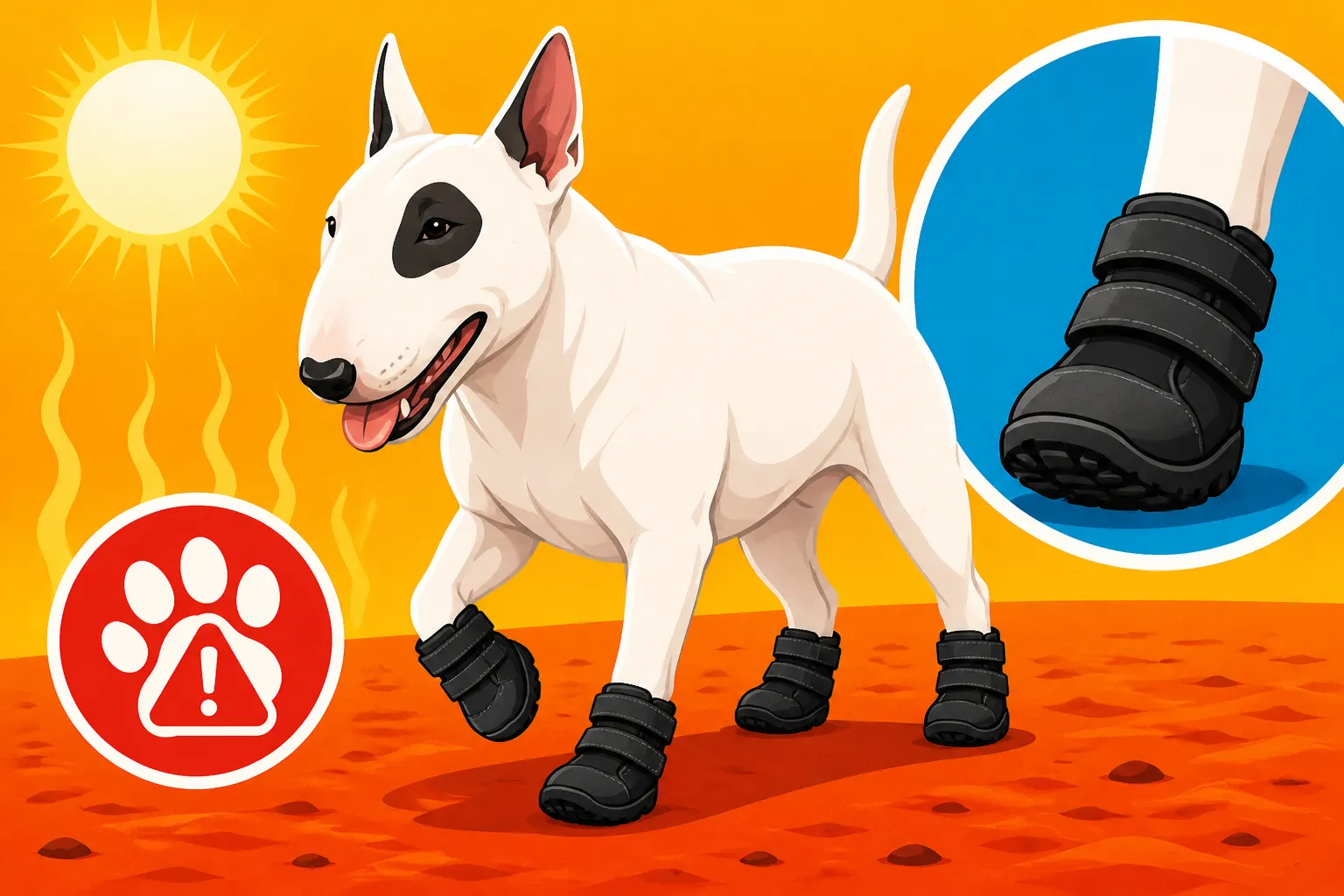
For full protection against hot pavement, dog boots are truly the gold standard. They create a physical barrier between your Bull Terrier's sensitive paw pads and the scorching ground. However, not all boots are created equal, and finding the right pair for your Bull Terrier requires a bit of research and trial and error.
When choosing boots, consider these key factors:
- Material: Look for durable, heat-resistant soles. Rubber is often a good choice, as it provides insulation and grip. The upper material should be breathable to prevent overheating within the boot. Avoid thin, flimsy materials that won't offer sufficient protection or will wear out quickly.
- Fit: This is paramount. Boots that are too loose will twist, rub, and fall off. Boots that are too tight can restrict circulation and cause discomfort. You'll need to measure your Bull Terrier's paw width and length carefully. Most brands provide sizing guides, and it's always best to measure while they are standing and weight-bearing. Remember that front paws can sometimes be wider than back paws, so measure all four! A common challenge with Bull Terriers is their unique paw shape; some might have broader, more rounded paws that need specific boot designs.
- Closure System: Velcro straps are common, but look for multiple straps or a design that securely cinches around the ankle without being too tight. A good closure system prevents the boots from slipping off during vigorous play or long walks. Some brands offer a "hook and loop" closure that is particularly secure.
- Traction: The soles should offer good grip to prevent slips, especially on smooth or wet surfaces.
- Visibility: For evening walks, reflective elements on the boots are a great safety feature.
You'll find an enormous variety of boots available on platforms like Chewy and Amazon. Brands like Ruffwear, Muttluks, and even budget-friendly options can be good starting points. Read reviews, especially from other Bull Terrier owners, to get an idea of how well certain styles fit the breed's paws. It's often helpful to have a couple of different pairs for various activities or weather conditions.
Paw Waxes and Balms: Supplementary Protection
While paw waxes and balms like Musher's Secret or Bag Balm aren't a substitute for boots on truly scorching pavement, they can offer a layer of conditioning and minor protection for moderately warm surfaces or as a preventative measure. These products create a breathable barrier that can help moisturize pads, prevent cracking, and provide a slight shield against irritants and minor heat. They are excellent for everyday paw health and can be used in conjunction with boots. For example, applying a paw balm before putting on boots can reduce friction and keep the pads supple.
Think of them as a preventative moisturizer and minor barrier, not a heat shield. If the pavement is too hot for your hand, a balm alone won't save your Bull Terrier's paws. These are also fantastic for cracked winter paws (Whether a Bull Terrier's Feet Crack in Winter) or protecting against ice and salt in colder months, so they're a year-round tool for paw care.
Helping Your Bull Terrier Get Comfortable with Paw Wear
Let's be real: putting boots on a dog for the first time can be an absolute circus. Your Bull Terrier, with their strong opinions and often dramatic flair, might act like you're asking them to walk on hot coals (oh, the irony!). They might kick, shake their legs, try to chew them off, or do a hilarious "Frankenstein walk." Patience and positive reinforcement are key here.
The Acclimation Process: Slow and Steady Wins the Race
Trying to force boots on your Bull Terrier and immediately go for a long walk is a recipe for disaster. Instead, break it down into small, manageable steps:
- Introduce the Boots: Let your Bull Terrier sniff and investigate the boots. Offer treats and praise when they show curiosity, even if it's just a glance. Make the boots a neutral or positive object, not something scary.
- One Boot at a Time: Start by putting just one boot on a front paw. Distract them immediately with a high-value treat, a favorite toy, or a short training session. Keep it on for only a minute or two, then take it off. Praise and treat again. Repeat this a few times a day for a few days. The goal is to associate the boot with good things.
- Two Boots: Once they're tolerating one boot, move to two, then three, then all four. Again, keep sessions short, positive, and full of rewards. Allow them to walk around indoors with the boots on for short periods. Don't laugh at their funny walk; it's a new sensation, and they need your encouragement.
- Short Indoor Walks: Once all four are on and tolerated, let them walk around your house. This helps them get used to the feel and the altered gait. Some dogs will "freeze" or try to remove them at first. Be calm, offer treats, and gently encourage movement.
- First Outdoor Test: Choose a quiet, shaded area for the very first outdoor boot walk. Keep it very short – just a few minutes – and shower them with praise and treats. Gradually increase the duration and distance.
Consistency is vital. If you only put boots on for hot pavement, they might associate them with discomfort or an undesirable situation. Try putting them on for short periods even on cooler days, or for different activities, to normalize the experience.
Making Boots a Positive Experience
Positive reinforcement is your best friend when acclimating your Bull Terrier to boots. Every time they tolerate the boots, no matter how briefly, reward them generously.
- High-Value Treats: Reserve their absolute favorite treats for boot-wearing sessions.
- Enthusiastic Praise: Your happy tone and verbal encouragement go a long way.
- Favorite Toys: Distract them with a game of fetch or tug while the boots are on.
- Make it Routine: Incorporate putting on boots into your pre-walk routine, just like grabbing the leash. Dogs thrive on routine.
If your Bull Terrier is particularly resistant, consider consulting a professional dog trainer or behaviorist. They can offer tailored strategies and help troubleshoot specific challenges. While your Bull Terrier might be known for their stubborn streak, as covered in How Stubborn a Bull Terrier Is, with enough patience and positive association, most dogs can learn to tolerate, if not love, their paw protection. Think of it as just another piece of gear, like their collar or harness.
In conclusion, protecting your Bull Terrier's paws from hot ground is a non-negotiable part of responsible ownership, especially when considering The Ten to Fourteen Years a Bull Terrier Gets and how you want them to spend those years happily and healthily. By understanding the risks, using the five-second rule, and investing in and properly acclimating them to quality paw protection, you ensure your adventurous Bull Terrier can enjoy their walks without pain or injury. Whether you get your supplies from Chewy or Amazon, the important thing is that you're prepared.
Disclaimer
This article is for general informational purposes only and does not constitute professional advice. Laws, prices and regulations vary by location and change over time. Consult a qualified professional for guidance on your specific situation.