Why a Dog Park Goes Wrong for a Bull Terrier
It’s a scene many of us Bull Terrier owners have envisioned: our beloved, quirky companion romping joyfully with a pack of newfound friends at the local dog park, burning off that endless energy. The reality, however, often paints a very different, far more stressful picture. If you’ve found yourself pulling your Bull Terrier away from a tense standoff or feeling a pang of dread as another dog approaches, you're not alone. This guide will walk you through precisely why the seemingly ideal dog park environment frequently goes wrong for our unique Bull Terriers, and more importantly, what safer, happier alternatives exist for their socialization and exercise.
Understanding the Bull Terrier's Unique Play Style and Temperament
Our Bull Terriers are truly one-of-a-kind, and what makes them so special in our homes can make them a bit of a square peg in the round hole of a typical dog park. Their very nature, their history, and their intense way of interacting with the world often put them at odds with the casual, free-for-all atmosphere of a public dog park. It's not about them being "bad" dogs; it's about a fundamental mismatch in expectations and communication styles.
The "Three-Year-Old in a Dog Suit" Mentality
Anyone who has lived with a Bull Terrier will tell you they are perpetual toddlers in oversized, muscular bodies. They're often described as having the emotional maturity of a three-year-old, coupled with the physical power of a tank. This means their play style is boisterous, often relentless, and lacks much in the way of subtle social cues that other breeds might understand. They engage with their whole body, throwing themselves into interactions with an enthusiasm that can be overwhelming to more reserved or delicate dogs.
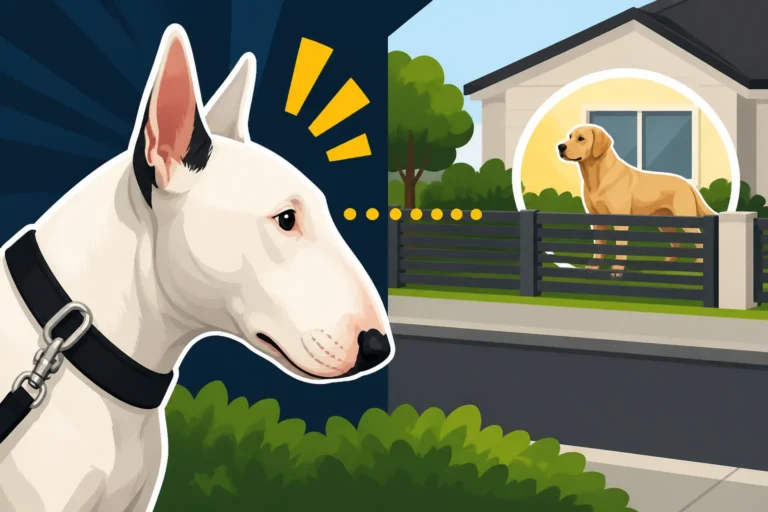
Imagine your Bull Terrier, full of beans, barreling towards a smaller, more timid dog with all the joyful intent of a child running headfirst into a hug. While your Bull Terrier means no harm and is simply initiating play, that intense, direct approach, often accompanied by a stiff-legged gait and a direct stare, can be terrifying to a dog that prefers a more nuanced, curved approach to interaction. They just don't pick up on the subtle signals like a wide-eyed avoidance or a tail tucked low. They want to play, and they want to play now, often without much consideration for the other party's comfort level. This can quickly escalate from perceived rudeness to outright fear or aggression from the other dog, leaving your Bull Terrier bewildered and you, the owner, feeling mortified. It's a classic example of why a Bull Terrier is often called a Why a Bull Terrier Is Called a Three Year Old in a Dog Suit, and it’s a crucial aspect of their personality that simply doesn’t always translate well to the varied dynamics of a dog park.
Predatory Drive and Intense Grip
Let's not forget the "Terrier" part of their name. Bull Terriers were originally bred for strength, tenacity, and a powerful grip. While the modern Bull Terrier is far removed from its fighting heritage, these traits are still deeply embedded in their DNA. When they play, especially with toys or during a chase, they can exhibit an intense focus and a strong "gripping" behavior. This isn't aggression in the malicious sense; it's a natural, instinctual way they engage. However, to another dog, especially one unfamiliar with the breed, this can look incredibly threatening.
Think about a game of chase at the dog park. Your Bull Terrier, with its powerful musculature and incredible drive, might pursue another dog with a singular, unwavering focus. If it catches the other dog, it might grab a leg or flank with its mouth in what it perceives as playful engagement, but what the other dog experiences as a terrifying bite. Even if no skin is broken, the sheer intensity and the "grip-and-shake" motion, however slight, can trigger a defensive reaction in the other dog, leading to a fight. This gripping behavior is a distinctive part of their play, and it's a major reason why Why a Bull Terrier Grips When It Plays can be misunderstood. It's a natural inclination for them to hold on, and this can feel very different from the gentle mouthing or loose body play of many other breeds.
Selective Socialization
While some Bull Terriers are absolute social butterflies, many others exhibit a highly selective approach to their canine companions. It's not uncommon for them to prefer the company of other Bull Terriers, or perhaps a select few dogs they've known since puppyhood and whose play styles perfectly complement their own. They might tolerate other dogs, but true, joyful engagement with an unknown dog is often a rare occurrence.
This means that throwing your Bull Terrier into a park with 20 unfamiliar dogs of various sizes and temperaments is often a recipe for stress, not fun. They might ignore most dogs, or worse, become hyper-vigilant and tense, anticipating a potential misunderstanding. Forcing them into these situations can actually erode their confidence around other dogs, rather than build it. It’s important to remember that not all dogs are meant to be universal playmates, and that's perfectly okay. Recognizing that How a Bull Terrier Gets On With Other Dogs is often a highly curated experience can save both you and your dog a lot of grief. It’s far better to cultivate a few strong, positive relationships than to seek quantity over quality in their social life.
The Unpredictable Nature of Dog Parks
Beyond our Bull Terrier's inherent traits, the environment of a typical dog park itself presents a myriad of challenges. It's a truly wild card, where too many variables are left to chance, often setting our tenacious companions up for failure.
Diverse Dog Personalities and Sizes
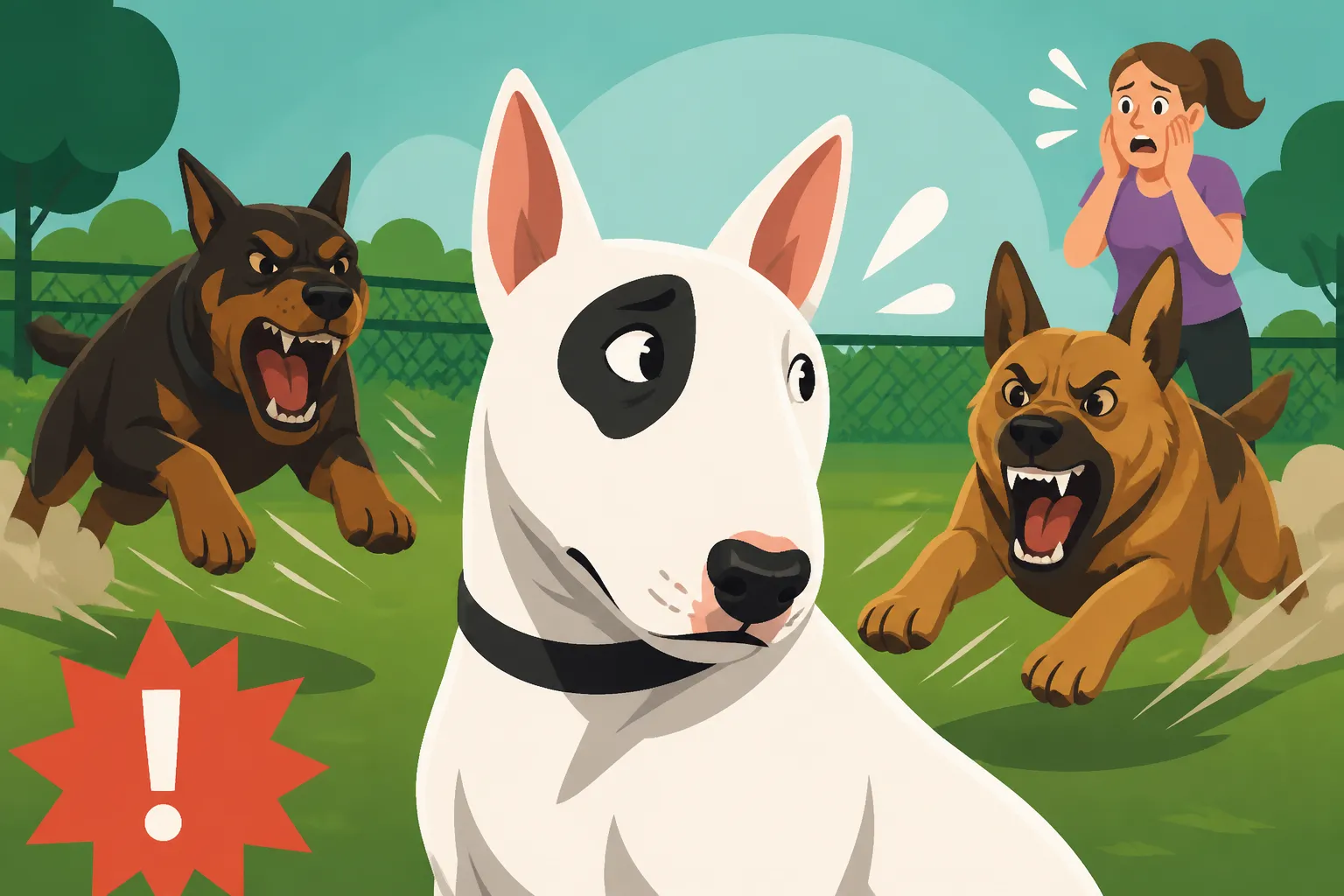
A dog park is like a canine melting pot, and not always a harmonious one. You'll find everything from tiny chihuahuas to giant Great Danes, from shy wallflowers to assertive bullies, all coexisting (or attempting to) in one space. This sheer diversity, while seemingly democratic, creates a volatile environment for a Bull Terrier. A timid dog might be terrified by your Bull Terrier's direct play invitation, while an overly dominant dog might take offense at its confident approach, triggering a defensive reaction.
Then there's the size factor. Even if your Bull Terrier means well, its powerful frame and energetic movements can accidentally injure a smaller dog. Conversely, a large, clumsy dog might bowl over your Bull Terrier, leading to a scuffle. It’s hard to monitor every interaction, and even harder to predict how each individual dog will react to your Bull Terrier's intense personality. It's an arena where differences in breed-specific play styles often lead to friction, not fun.
Owner Engagement and Supervision
This is perhaps one of the most frustrating aspects of dog parks. We all want our dogs to be safe and happy, but unfortunately, not every dog owner shares that sentiment or responsibility. You often see owners engrossed in their phones, chatting with friends, or simply not paying attention to their dog's behavior. This lack of supervision means that aggressive or overly boisterous dogs are left unchecked, creating a dangerous situation for every other dog present.
When a fight breaks out, or even when tension builds, an absent owner delays intervention, allowing the situation to escalate. For a Bull Terrier, whose breed often carries a negative stereotype, being involved in any incident – even if provoked – can lead to immediate blame and serious consequences. It's an unfair burden, but it's the reality. You, as a Bull Terrier owner, are often forced to be twice as vigilant, not just for your own dog, but for the actions of others and their potential impact on your dog. This constant state of alert drains the joy out of what should be a relaxing outing.
Resource Guarding and Overstimulation
Dog parks are often rife with potential triggers for resource guarding. Whether it's a forgotten tennis ball, a discarded chew toy, or even the affection of a specific owner, these can all become points of contention. Bull Terriers, like many breeds, can develop resource guarding tendencies, and the high-stakes environment of a dog park can quickly bring these to the surface. What starts as a playful tug-of-war can turn into a growling match over a cherished item, leading to a full-blown fight. Whether a Bull Terrier Guards Its Toys is a real consideration, and putting them in an environment with unknown dogs and tempting items can heighten this.
Beyond specific resources, the sheer level of stimulation at a busy dog park can be overwhelming. The constant noise, movement, and close proximity to many other dogs can push a Bull Terrier's arousal levels sky-high. When a dog is overstimulated, their ability to process social cues diminishes, and their reactions can become more impulsive and less controlled. A playful nudge can turn into a body slam, a bark into a snarl. This isn't malice; it's simply a dog unable to regulate its emotions in an excessively stimulating environment, and for a powerful Bull Terrier, that can lead to unintended consequences.
Recognizing the Warning Signs and Potential Dangers
It's crucial for us as Bull Terrier owners to be attuned to the subtle (and sometimes not-so-subtle) signs that a dog park situation is headed south. Being proactive in spotting these cues can help you remove your dog from danger before a serious incident occurs.
Body Language Misinterpretations
Bull Terriers have a distinct appearance, and their body language can be easily misunderstood by other breeds and even by less experienced dog owners. Their naturally forward-facing, confident stance, often with ears erect and a focused gaze, can be perceived as confrontational or aggressive by dogs who use more deferential or curved body language. The Bull Terrier's "egg head" and small, triangular eyes can make their facial expressions harder for other dogs to read, obscuring common canine calming signals.
For instance, a Bull Terrier standing over another dog in play might simply be showing enthusiasm, but to the other dog, it could be a challenge or an attempt at dominance. A direct stare from your Bull Terrier, intended as an invitation to play, might be interpreted as a threat by a more sensitive breed. Because of these unique physical traits and communication styles, a Bull Terrier's innocent intentions can often be misread, leading to defensive reactions from other dogs that then surprise and confuse our Bull Terriers.
Escalation to Conflict
The progression from an uncomfortable interaction to an actual fight can be alarmingly quick at a dog park. What starts as a sniff or a playful chase can, with one wrong move or misinterpreted signal, erupt into a full-blown brawl. And here's the kicker: even if your Bull Terrier is the victim of a rude approach or an unprovoked attack, the perception, unfortunately, often falls against them. The breed's powerful appearance and historical reputation mean that when a Bull Terrier is involved in a skirmish, it's often unfairly blamed, regardless of the instigator.
This public perception can lead to stressful confrontations with other owners, demands for veterinary bills, or even reports to local authorities. While Bull Terriers are typically not initiators of aggression, they are incredibly tenacious. Once engaged in a fight, their strong will and powerful build mean they are unlikely to back down quickly, and they can inflict serious damage. This tenacity, while admirable in other contexts, makes any dog park altercation high-risk. It’s a sad reality that Whether a Bull Terrier Starts Fights or Finishes Them often concludes with them finishing it, and facing the repercussions.
The Mental and Physical Toll
Beyond the immediate danger of a physical fight, repeated negative experiences at a dog park can take a significant mental and physical toll on your Bull Terrier. The constant stress of navigating unpredictable interactions, the fear of being approached by rude dogs, or the anxiety of seeing you, their trusted human, become tense can make them dread future outings. This can manifest as reactivity on leash, increased anxiety, or a general distrust of other dogs, even in controlled environments.
Physically, dog park altercations can lead to serious injuries, from puncture wounds to sprains or worse. Even if your dog isn't physically harmed, the psychological scars can be long-lasting, turning a formerly confident dog into a nervous wreck. As owners, we also bear a heavy mental burden, constantly scanning the environment, ready to intervene, and feeling the emotional weight of a bad experience. It's exhausting and often leaves us feeling defeated rather than invigorated by our dog's exercise.
Safer Alternatives for Bull Terrier Socialization and Exercise
So, if dog parks are largely out, what's a Bull Terrier owner to do? The good news is there are plenty of fulfilling and safe ways to meet your Bull Terrier's needs for exercise, mental stimulation, and appropriate socialization without the inherent risks of a public dog park. It just requires a bit more intentionality.
Structured Playdates with Known Dogs
Instead of the free-for-all of a dog park, consider setting up controlled, one-on-one playdates with dogs whose temperaments and play styles you know and trust. This allows for a much safer and more enjoyable experience for everyone involved. Seek out other Bull Terrier owners in your area – they often understand the unique play dynamics. If you have friends with well-socialized, tolerant dogs that match your Bull Terrier's energy, these can be ideal companions.
Start these playdates in neutral, securely fenced environments, like a friend's yard or a rented sniffspot. Supervise closely, and be ready to intervene if play becomes too rough or overstimulated. The goal is quality over quantity; a few positive, safe interactions are far more beneficial for your Bull Terrier's social skills and confidence than dozens of stressful encounters at a dog park. This method allows your Bull Terrier to truly be themselves without the pressure of deciphering dozens of unfamiliar canine communications.
Engaging Activities Beyond Free Play
Bull Terriers thrive on having a "job" and engaging their minds as much as their bodies. There are countless activities that offer fantastic physical and mental stimulation, often in structured, supervised environments, which are much better suited to their temperament than open play with strangers.
Consider activities like:
- Scent Work: Bull Terriers have surprisingly good noses, and nose work classes or at-home games can be incredibly enriching. It taps into their natural instincts and builds confidence. Whether a Bull Terrier Can Do Scent Work is a definite yes, and they often excel!
- Agility: While it might seem counterintuitive for a dog known for its "bull in a china shop" tendencies, many Bull Terriers absolutely love agility. It offers a structured outlet for their energy, teaches impulse control, and strengthens the bond between you. Look for positive reinforcement-based classes that focus on fun and safety. It's amazing How a Bull Terrier Does at Agility when given the right guidance.
- Flirt Pole Play: A flirt pole is like a giant cat toy for dogs, and it’s a phenomenal way to burn off a Bull Terrier's energy in a controlled manner, engaging their prey drive without involving other dogs. It’s excellent for teaching impulse control ("leave it," "drop it") and provides a great workout in a small space.
- Obedience and Rally: Structured training classes, especially those emphasizing positive reinforcement, can be incredibly beneficial. They provide mental challenges and teach your Bull Terrier how to focus on you, even with distractions. Online training platforms like BAXTER & Bella offer comprehensive resources and support, allowing you to work at your own pace from the comfort of your home, building foundational skills before venturing into group classes.
These types of activities provide focused engagement, build a stronger relationship with you, and avoid the potential for conflict with unknown dogs. They allow your Bull Terrier to be athletic and mentally stimulated without the pressure of constant social negotiation.
Secure, Private Spaces
If your Bull Terrier thrives on off-leash running and zooming but dog parks are too risky, seek out secure, private spaces. This could be a friend's large, fully fenced yard, or even a rented private dog park if available in your area. Websites and apps dedicated to renting private dog-friendly spaces have become increasingly popular, offering a safe haven for dogs who don't do well in public parks.
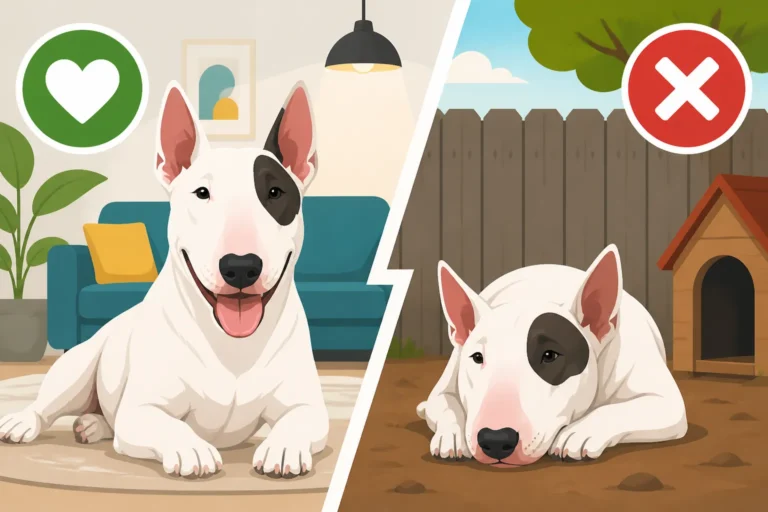
In your own yard, ensure your fencing is Bull Terrier-proof – they are strong and can be escape artists if motivated! Provide durable toys, like those found on Amazon, that can withstand their powerful jaws, offering an outlet for their energy and chewing instincts. This allows them to run, play, and explore without the anxiety of unexpected encounters, giving both you and your dog peace of mind.
Ultimately, the goal is to create a life where your Bull Terrier feels safe, understood, and fulfilled. Dog parks, while seemingly convenient, often fail to provide this for our unique companions. By being intentional about their exercise and socialization, we can ensure they lead happy, healthy, and stress-free lives.
| Feature | Dog Park Experience for a Bull Terrier | Structured Playdates / Activities for a Bull Terrier |
|---|---|---|
| Social Interaction | Unpredictable; mix of temperaments; potential for misunderstanding | Controlled; known, compatible dogs; positive, supervised play |
| Play Style | Bull Terrier's intense play often misunderstood or overwhelms others | Matched with similar styles; less risk of injury or conflict |
| Safety | High risk of accidental injury or fights; unsupervised dogs | Significantly lower risk; owner control and intervention possible |
| Mental Stimulation | Can lead to overstimulation and stress | Focused activities build confidence, impulse control, and bond |
| Owner Stress | High vigilance required; constant anxiety over potential issues | Relaxed and enjoyable; clear expectations and safer environment |
| Physical Exercise | Can be good, but often overshadowed by social stress | Excellent for burning energy with reduced risk; tailored to needs |
| Behavioral Impact | Can erode confidence, create reactivity, or lead to negative associations | Builds positive associations and strengthens appropriate behaviors |
Disclaimer
This article is for general informational purposes only and does not constitute professional advice. Laws, prices and regulations vary by location and change over time. Consult a qualified professional for guidance on your specific situation.