Why a Bull Terrier Grips When It Plays
Anyone who has ever lived with a Bull Terrier knows they have a truly unique way of interacting with the world. And often, that interaction involves their mouth! Many Bull Terrier owners find themselves asking, "Why does my Bull Terrier grip so much when we play?" It's a valid question, and it can be frustrating, or even a little painful, when your playful pup clamps down during a game of tug or while trying to get a toy out of your hand. This guide will delve into the root causes behind this gripping behavior and offer practical, empathetic strategies for managing it, helping you and your Bull Terrier enjoy playtime safely and happily.
Understanding the Bull Terrier's Play Style
To truly grasp why Bull Terriers grip during play, we first need to appreciate the unique blend of genetics and personality that makes this breed so special. They aren't like every other dog, and their play reflects that.
The Breed's Instinctive Drive
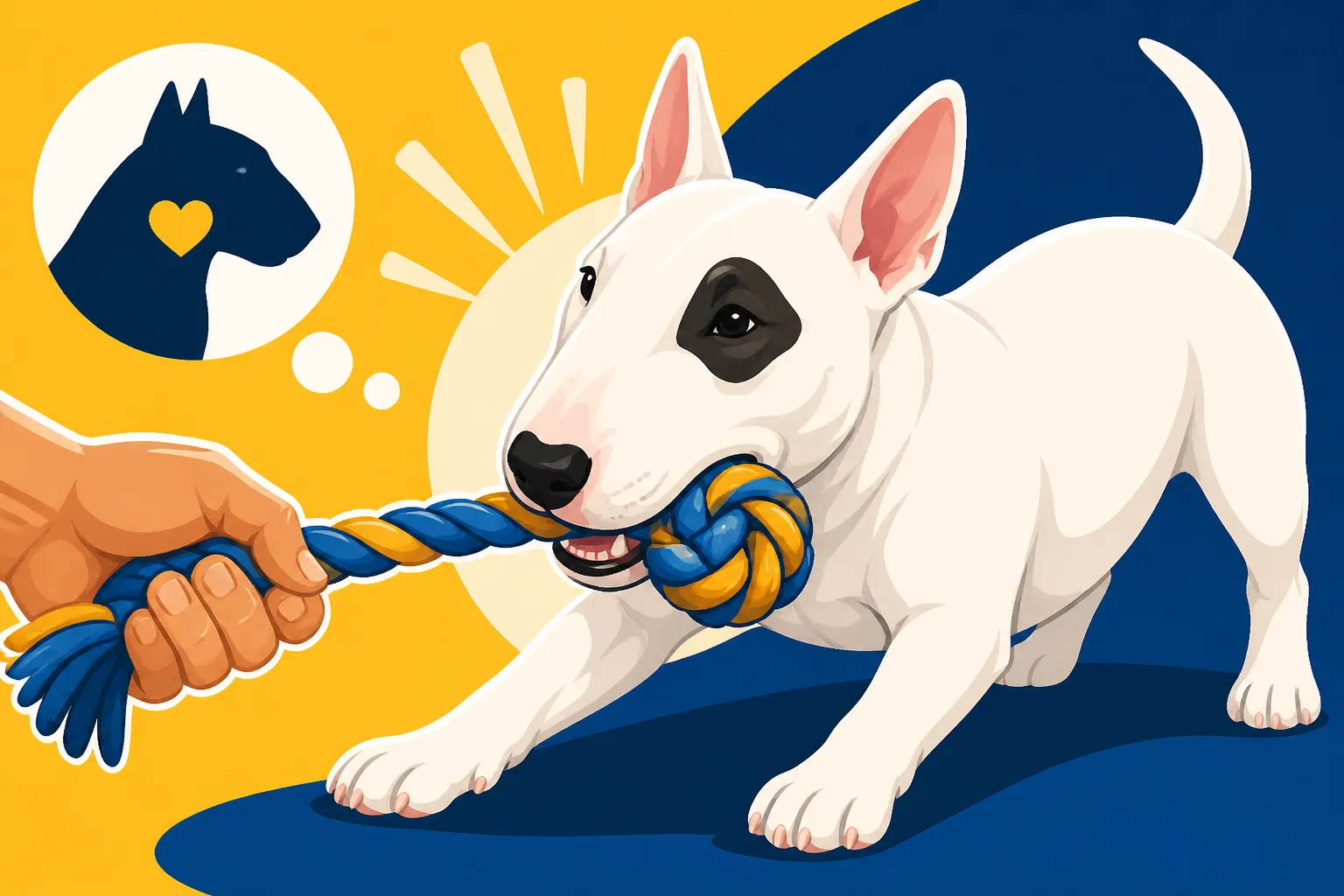
Bull Terriers were originally bred for specific purposes that required immense jaw strength and tenacity. While dog fighting is a dark chapter in history, the traits developed for that era—strength, determination, and a powerful bite—are still very much part of their genetic makeup. They possess a natural inclination to hold onto things, to "grip," which is a deeply ingrained instinct. This isn't necessarily aggressive; it's often an expression of their history and their natural physical capabilities. When they engage in play, especially with tug toys or wrestle games, these instincts can come to the forefront, manifesting as a strong, purposeful grip. It's a fundamental part of their physical language and how they interact with objects and sometimes, people.
Beyond their history, Bull Terriers are also intensely driven by prey drive. This isn't about hunting small animals for food, but rather the instinct to chase, capture, and "kill" (in a play sense) their toys. When a Bull Terrier grips a toy, they are often fulfilling this deep-seated desire. Think about a classic game of tug-of-war: for many breeds, it's a pull-and-release. For a Bull Terrier, it can be a fierce, full-body commitment to holding that "prey." This drive is powerful, and understanding it is key to channeling it appropriately. How Strong a Bull Terrier's Prey Drive Is touches on this in more detail, explaining how this instinct shapes many aspects of their behavior, including play.
Early Experiences and Socialization
Just like people, dogs learn a lot about how to interact with the world during their formative puppy months. A Bull Terrier puppy's early experiences, or lack thereof, can significantly influence their gripping habits. If a puppy isn't taught bite inhibition – how hard is too hard? – they might not learn to modulate their jaw pressure. This often happens in litters where puppies roughhouse with their siblings. They learn from yelps and retreating playmates that a hard bite means the fun stops. If a puppy is removed from its litter too early, or if its human family doesn't pick up the slack, it might miss crucial lessons on appropriate bite pressure.
Proper socialization also plays a massive role. Exposure to a variety of appropriate playmates, environments, and handling experiences helps a Bull Terrier puppy develop a more nuanced understanding of interaction. A well-socialized puppy learns when to ease up, when to hold, and when to release. Without this foundation, a Bull Terrier might develop a one-speed play style – full force, all the time – which can include very strong gripping. This isn't a fault of the dog, but rather a gap in their early education that owners can certainly work to fill later on.
Why Gripping Happens During Play
It's not just about their history; several factors contribute to a Bull Terrier's tendency to grip during play. Pinpointing these can help you understand your individual dog better and tailor your approach.
Learning to Modulate Bite Pressure
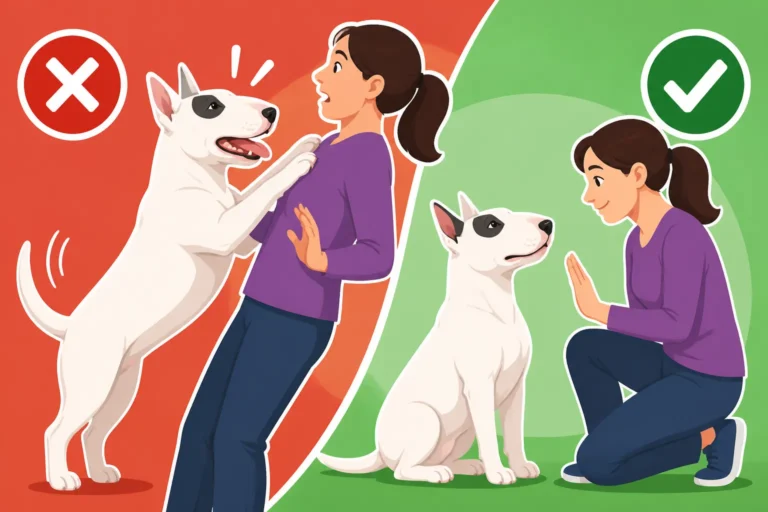
One of the most common reasons a Bull Terrier (or any dog) grips hard is a lack of bite inhibition. As mentioned, puppies learn this from their littermates. When they bite too hard, a sibling yelps, and play ceases. Humans can replicate this by yelping loudly and immediately ending play if teeth make painful contact with skin. It's not about punishing the dog, but about teaching them that excessive pressure equals no more fun. The goal isn't to stop them from using their mouth entirely, but to teach them that human skin is fragile and requires a soft touch.
This training takes time and consistency, especially with a breed that has such powerful jaws. It means being mindful of all interactions, not just designated playtimes. Even gentle mouthing should be managed if it's becoming too firm. The key is to teach them that biting down, even without malice, makes the interaction stop. Think of it as teaching them a "soft mouth" command. Some owners find using specific phrases like "ouch!" or "too hard!" followed by a brief time-out helps their Bull Terrier connect the action with the consequence.
Excitement, Arousal, and Overstimulation
Bull Terriers are notorious for their boundless energy and enthusiasm. They can go from zero to sixty in a blink, and this high level of excitement can easily lead to overstimulation during play. When a Bull Terrier gets overly aroused, their ability to self-regulate and control their impulses, including their bite pressure, can diminish. It's like a child getting so worked up they can't quite control their movements – everything becomes more intense. A fast-paced game of fetch or an intense session of tug can quickly escalate their arousal levels, leading to stronger, less controlled gripping.
Recognizing the signs of overstimulation is crucial. Are their eyes dilated? Are they panting excessively, even after a short burst of activity? Are they ignoring your cues or becoming frantic? If so, it's time to bring the energy down. Ending play before they reach this peak can teach them to manage their arousal. This might mean shorter play sessions, more structured activities, or incorporating "calm down" breaks. Learning to read your Bull Terrier's energy levels and preemptively de-escalating the situation can make a world of difference in managing their gripping tendencies. They need to learn that wild excitement doesn't always have to result in frantic, uncontrolled gripping.
Resource Guarding vs. Play Gripping
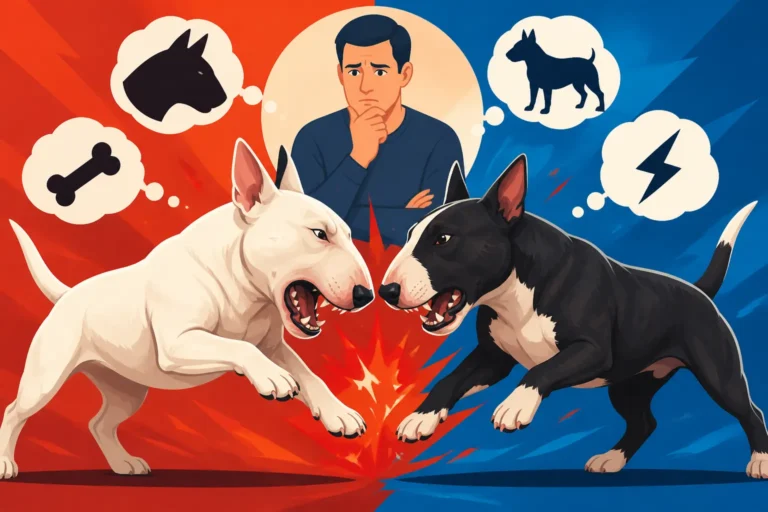
Sometimes, what appears to be aggressive gripping is actually a form of resource guarding, and it's important to distinguish between the two. Play gripping is generally part of an interactive game, even if it's too intense. Resource guarding, however, is when a dog perceives a valued item (a toy, food, a prime sleeping spot, or even you) as something they must protect from others. When you try to take a toy away, or even approach them while they have it, and they react with a snarl, stiff body language, or a deliberate, painful bite, that's likely guarding behavior, not just enthusiastic play. Why a Bull Terrier Guards Its Toys offers more insight into this specific behavior.
Identifying whether the behavior is play-based or resource-guarding is critical because the management strategies differ significantly. With play gripping, you're teaching control and moderation. With resource guarding, you're addressing an underlying insecurity or possessiveness. If you suspect resource guarding, it's often best to seek guidance from a professional trainer or behaviorist, as mishandling it can escalate the problem. You might need to implement management strategies like trading toys for higher-value treats, or ensuring they have their own designated safe space to enjoy resources undisturbed.
Here's a quick comparison to help you tell the difference:
| Characteristic | Play Gripping (Intense) | Resource Guarding |
|---|---|---|
| Context | During an active game (tug, fetch), often initiated by dog. | When dog has a valued item, person, or spot; usually reactive to approach. |
| Body Language | Loose, bouncy, wagging tail (could be high, stiff with arousal), eager eyes. | Stiff, frozen posture; low growl; hard stare; tail low or tucked; tense facial muscles. |
| Intent | To engage, to win the "game," to hold the "prey." | To keep possession of an item, ward off perceived threat. |
| Release | May release easily with a "drop it" command or distraction, especially if under-stimulated. | Very reluctant to release; may escalate if pressured; actively hides or covers item. |
| Sound | Playful growls, excited yips, heavy breathing. | Low, guttural growls; snarls; snapping. |
| Overall Feeling | Exciting, sometimes overwhelming, but ultimately fun. | Tense, threatening, uncomfortable. |
Strategies for Managing and Redirecting Play Gripping
The good news is that Bull Terrier gripping, even when intense, can often be managed and redirected with consistent effort and the right approach. It’s about teaching them how to play with their incredible strength, not trying to suppress it entirely.
Consistent Training and Clear Boundaries
Consistency is the absolute bedrock of any effective training, and it's especially true when dealing with a strong-willed Bull Terrier. Every member of the household needs to be on the same page regarding rules and expectations for play. If one person allows hard gripping and another doesn't, your Bull Terrier will get mixed signals and struggle to learn. Establish clear rules: for instance, teeth on skin (even accidentally) means play stops immediately. A sharp "ouch!" or "no bite!" followed by walking away for 30 seconds teaches them the consequence. When you return, restart play, and if it happens again, repeat the consequence. This is how you teach How to Teach a Bull Terrier to Play Gently.
Beyond stopping unwanted behavior, actively teach desired behaviors. Commands like "drop it" and "leave it" are invaluable. Practice these frequently with high-value toys. Start in a low-distraction environment and reward generously when they comply. For instance, when playing tug, periodically ask for "drop it," reward with a treat, then immediately re-engage in play. This teaches them that releasing an item doesn't mean it's gone forever, but that cooperation leads to more fun. For a breed that can be quite stubborn and intelligent, positive reinforcement and making your idea more appealing than their idea is key. How Many Reps a Bull Terrier Gives You might offer some insight into their attention span during training. Many Bull Terriers respond well to structured short sessions, perhaps 5-10 minutes, several times a day, to keep them engaged without getting bored.
Appropriate Toys and Play Environments
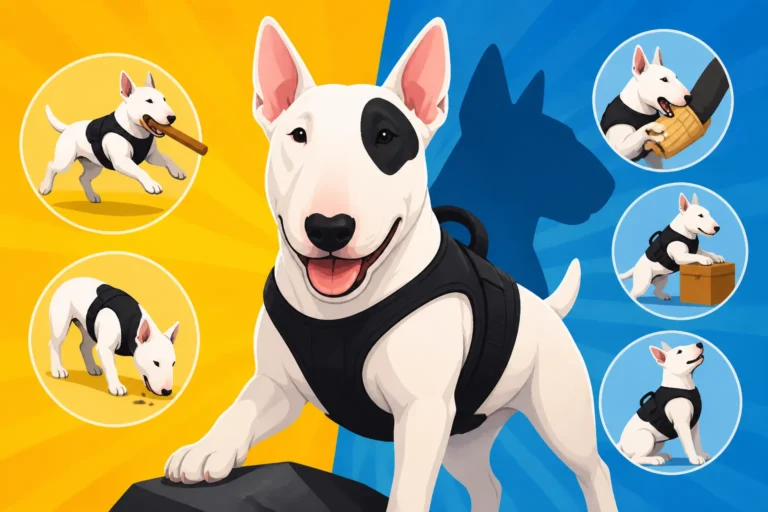
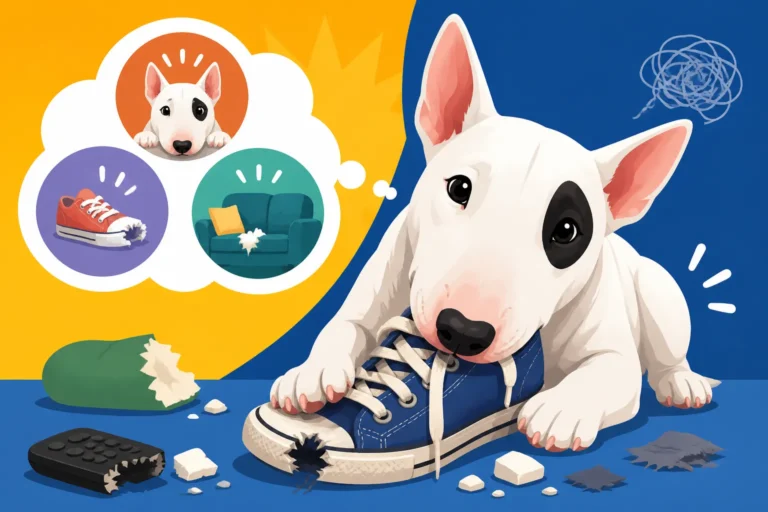
Choosing the right toys is paramount for a Bull Terrier. Their powerful jaws can demolish flimsy toys in minutes, which not only wastes money but can also pose a choking hazard. "Indestructible" is often a marketing term, but aim for toys designed for power chewers. Look for items made from durable rubber, like those from Kong or Goughnuts, or braided rope tugs that are thick and strong enough to withstand their grip. Having a variety of appropriate toys can also help redirect their natural gripping instinct away from your hands or clothing. If they try to grip your arm, immediately redirect them to an appropriate tug toy or chew. You can find many robust options on Amazon, specifically marketed for strong chewers.
The play environment also plays a critical role. A small, cluttered space might encourage accidental contact or make it harder for your Bull Terrier to regulate their energy. Ideally, play in an open, safe area where they can move freely without bumping into things or people. If you're playing tug, ensure you have stable footing and aren't putting yourself in a vulnerable position. Avoid highly stimulating environments, especially when first working on managing gripping, as too many distractions can make it harder for them to focus on your cues. Consider rotating toys to keep them novel and exciting, ensuring that when playtime happens, they are engaging with something you've chosen for their gripping instinct.
Seeking Professional Guidance
Sometimes, despite your best efforts, the gripping behavior persists or even escalates. This is absolutely not a sign of failure on your part, but rather an indication that a professional eye might be needed. A certified professional dog trainer or a veterinary behaviorist can observe your Bull Terrier's specific interactions, assess the root cause of the gripping, and develop a tailored training plan. They can help distinguish between intense play, a lack of bite inhibition, or more concerning behaviors like budding resource guarding or frustration-based aggression.
Many professionals offer virtual consultations, like those affiliated with BAXTER & Bella, which can be incredibly convenient. They can demonstrate techniques, observe your dog's reactions in real-time, and provide feedback that's hard to get from a generic online article. Early intervention is always best, especially with a powerful breed like the Bull Terrier. Don't wait until the gripping causes injury or becomes unmanageable. Investing in professional guidance can save you headaches and ensure a safer, happier relationship with your beloved dog. They can provide specialized exercises, for instance, to teach impulse control or better manage arousal levels.
When to Worry: Distinguishing Play from Problem Behavior
While many instances of Bull Terrier gripping are enthusiastic but manageable, it's crucial for owners to recognize when the behavior crosses into concerning territory. Knowing the difference can literally be life-saving.
Signs of Unsafe Gripping
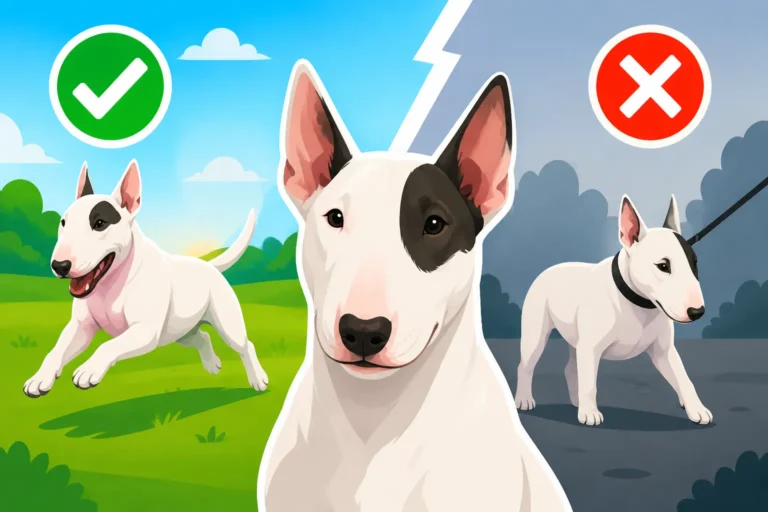
Enthusiastic play gripping, while sometimes a bit rough, generally involves a loose body, playful barks or growls, and an eagerness to re-engage in play even after a "time-out." Unsafe gripping, however, comes with a different set of signals. These might include a stiff body posture, a hard stare, growls that sound low and guttural rather than playful, baring of teeth that looks less like a "smile" and more like a threat, or even attempts to prevent you from leaving or retrieving an item. If your Bull Terrier's gripping is accompanied by guarding behaviors (as discussed above), snapping, or truly painful bites that break the skin consistently, it’s no longer just intense play.
Another red flag is a lack of responsiveness to your attempts to disengage or redirect. If your Bull Terrier ignores a "drop it" command, refuses to let go, or re-engages with the same intensity even after a firm "no," this indicates a potential control issue. Also, consider the context: is the gripping only happening with toys, or are they gripping clothing, skin, or other inappropriate items without redirection? Why a Bull Terrier Pulls Toward Everything might be a useful read, as it explores their strong-willed nature and how it can manifest in various ways, including intense physical interactions. Any consistent biting that causes injury or fear should be taken seriously.
The Importance of Early Intervention
The phrase "nip it in the bud" is particularly relevant when it comes to Bull Terrier behaviors. The longer an undesirable gripping habit persists, the more ingrained it becomes, and the harder it is to modify. A small puppy mouthing that isn't addressed can quickly escalate into a powerful adult grip that is genuinely dangerous. Early intervention means establishing those clear boundaries and consistent training methods from the moment your Bull Terrier puppy comes home. It means teaching bite inhibition and the "drop it" command as foundational skills.
If you notice concerning signs, don't delay in seeking help. Waiting until the problem becomes severe can limit your options and potentially lead to more drastic measures, like rehoming. A proactive approach not only keeps everyone safe but also builds a stronger, more trusting bond between you and your Bull Terrier. Remember, your Bull Terrier isn't being "mean" on purpose; they are often simply acting on instinct or learned behavior that they haven't been taught to control. With patience, consistent training, and sometimes professional guidance, you can teach them appropriate ways to channel their powerful play drive. A Bull Terrier Trains When It Sees the Point and What a Bull Terrier's Temperament Is Really Like reinforce the idea that understanding your Bull Terrier's motivation and unique personality is key to successful training.
Disclaimer
This article is for general informational purposes only and does not constitute professional advice. Laws, prices and regulations vary by location and change over time. Consult a qualified professional for guidance on your specific situation.