Whether a Bull Terrier Guards Its Toys
Few things are more disheartening than seeing your beloved Bull Terrier tense up, growl, or even snap when someone approaches their favorite toy. It’s a frustrating and often worrying behavior that can make playtime stressful instead of joyful. This guide aims to shed light on why Bull Terriers might guard their toys, how to identify the subtle and overt signs, and most importantly, equip you with practical strategies to manage and prevent this challenging behavior, helping you foster a safer, happier home for everyone.
Understanding Resource Guarding in Bull Terriers
Resource guarding, sometimes called "possessive aggression," is a natural dog behavior where an individual protects an item it perceives as valuable from others. For Bull Terriers, who are known for their strong personalities and sometimes intense focus, this can manifest quite strongly, particularly around things like toys, food, or even their favorite resting spots. It’s not necessarily a sign of a "bad" dog, but rather a deeply ingrained instinct that needs careful management and understanding.
Why Resource Guarding Happens
At its core, resource guarding stems from a dog's natural instinct to protect valuable commodities for survival. In the wild, access to food, safe den sites, and mates directly impacts survival, so dogs are hardwired to keep what they deem essential. In our modern homes, this instinct can unfortunately extend to prized possessions like a squeaky ball, a robust chew toy, or even a discarded sock. Your Bull Terrier isn't being malicious; they're simply acting on an instinct that tells them, "This is mine, and I need to keep it." The intensity of this behavior can vary greatly from dog to dog, influenced by genetics, early life experiences, and even how secure they feel in their environment.
Think about it from their perspective: if a treasured item is frequently taken away, or they have to compete for it, they learn to defend it. For some Bull Terriers, their tenacity and strong will, which are charming in many other contexts, can make them particularly determined defenders of their possessions. It's not about dominance, but about perceived threat and value.
Common Triggers for Toy Guarding
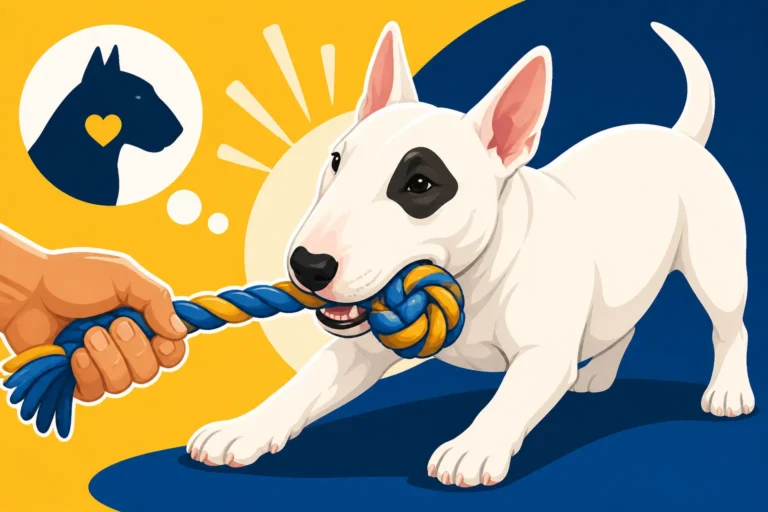
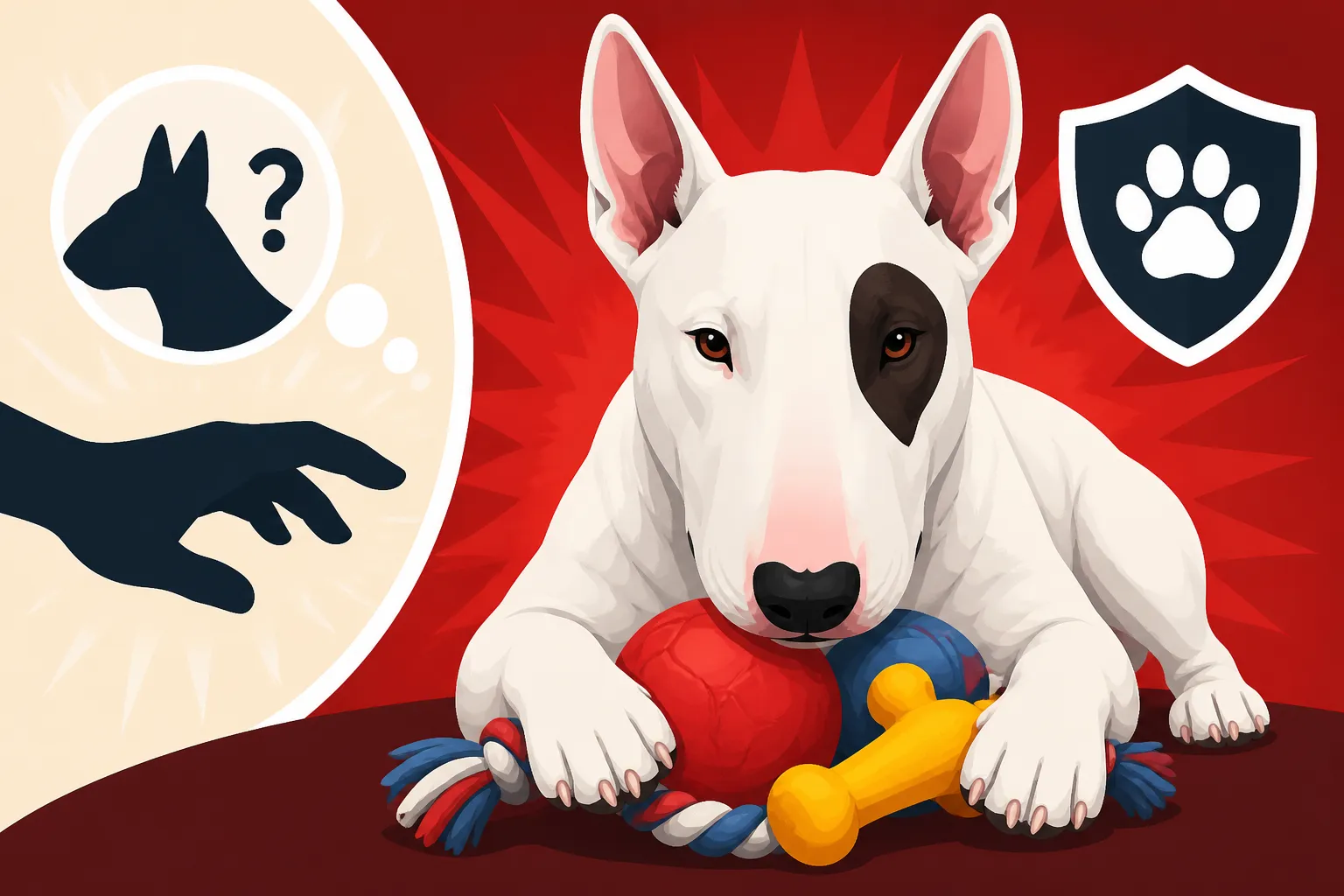
Understanding the triggers is the first step to managing resource guarding. For many Bull Terriers, toy guarding is often sparked by someone approaching them while they have a high-value toy, or attempting to take the toy away. This could be a family member, another pet, or even a visiting child. The "value" of the toy plays a huge role; a plain rope toy might not elicit a reaction, but a brand-new, exciting squeaky toy or a long-lasting chew might trigger intense guarding. Sometimes, simply making eye contact with your Bull Terrier when they're enjoying a special toy can be perceived as a challenge, especially if they're already prone to guarding.
The environment also matters. If your Bull Terrier typically enjoys their toys in peace, but then suddenly has to share a confined space with a new puppy or a visiting dog, their guarding instincts might kick in. Even subtle shifts in routine or perceived competition can be a trigger. It’s a complex interplay of instinct, individual temperament, and the specific circumstances surrounding the "resource." How a Bull Terrier Gets On With Other Dogs is a topic that definitely highlights how important managing interactions and resources can be, especially when multiple dogs are involved.
Recognizing the Signs of Toy Guarding
It's crucial to recognize the signs of toy guarding early, both the subtle and the more overt, to address the behavior before it escalates. Sometimes, owners miss the initial, quiet warnings, which can lead to more dramatic displays down the line. Bull Terriers, with their expressive faces and body language, often give plenty of signals if you know what to look for.
Subtle Cues and Early Warnings
Resource guarding isn't always an immediate growl or snap. Often, it starts with much more subtle cues. You might notice your Bull Terrier stiffening their body, freezing in place, or lowering their head over the toy as if to shield it. Their eyes might become hard or dart quickly between the toy and the approaching person. Sometimes, they'll turn their back to you, physically trying to block access, or pick up the toy and quickly move away to another secluded spot in the room. This "flight" response is a clear indicator that they don't want to share.
Another common subtle sign is a very low, almost inaudible rumble in their throat when you get too close. It’s a warning, not an attack, but it shouldn't be ignored. If you reach for the toy and they quickly gobble it up or intensify their chewing, that’s another hint they're feeling possessive. These early signals are your Bull Terrier communicating, "Please back off." Ignoring them can teach your dog that these polite warnings don't work, forcing them to escalate their communication to something stronger.
Overt Displays and Escalation
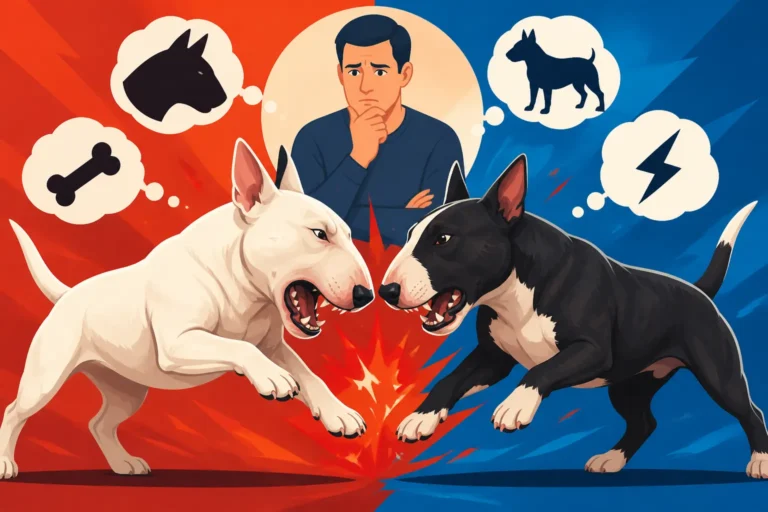
When the subtle cues are missed or ignored, a Bull Terrier might escalate their guarding behavior. This is where you'll start seeing more overt displays like a definite growl, a snarl, or even a sudden snap or lunge without making contact. They might bare their teeth, flatten their ears back, or raise the hackles on their neck and back. These are clear, unmistakable warnings that they feel threatened and are prepared to defend their resource more aggressively.
It's vital to remember that these overt displays are still communication, albeit a louder, more urgent form. A dog that is growling is telling you they are uncomfortable and need space; they are not inherently "bad." Punishing a growl can suppress this warning, leading to a dog that bites without any prior vocal signals, which is far more dangerous. If your Bull Terrier reaches this level of escalation, it's a clear signal that the underlying issue needs professional attention and that your current management strategies aren't sufficient. Whether a Bull Terrier Needs a Behaviorist is a common question when these behaviors become intense and consistent.
Strategies for Managing and Preventing Toy Guarding
Dealing with toy guarding requires a thoughtful, consistent approach focused on teaching your Bull Terrier that humans approaching their toys lead to positive outcomes, not loss. It's about changing their emotional response from fear or possessiveness to anticipation and trust.
Trade-Up: Teaching Your Bull Terrier to Exchange
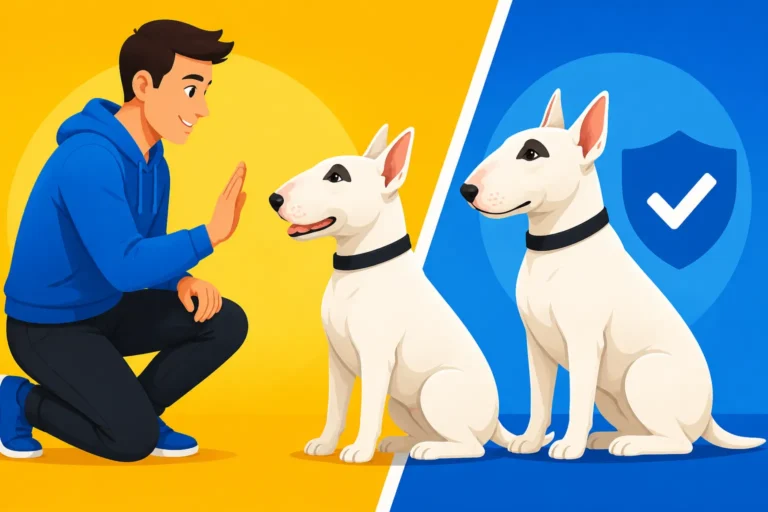
One of the most effective strategies is the "trade-up" method. This teaches your Bull Terrier that giving up a toy means getting something even better in return. Start with low-value toys and high-value treats. As you approach your Bull Terrier when they have a toy, toss a super tasty treat (like a piece of cooked chicken or cheese) near them. As they drop the toy to eat the treat, pick up the toy. Give them the toy back immediately after they finish the treat, or offer a different, equally appealing toy. This creates a positive association: "Human approaches, I get a treat, toy comes back."
Repeat this frequently, making it a predictable and pleasant experience. Over time, you can introduce a verbal cue like "trade" as you offer the treat. The goal is for your Bull Terrier to willingly drop the toy in anticipation of a reward. This method is far superior to simply snatching toys away, which only reinforces the idea that you are a threat to their possessions. It helps build trust and respect for their boundaries while still giving you control. For tough chewer Bull Terriers, finding toys that actually last, like those found on Amazon, is a battle, but having a variety of durable options can make trade-up easier, as you always have a "new" toy to offer. Which Toys Survive a Bull Terrier would be an excellent resource for selecting appropriate toys.
Desensitization and Counter-Conditioning
This approach aims to change your Bull Terrier's emotional response to your presence when they have a toy. It involves gradually exposing them to the trigger (you approaching the toy) while pairing it with something positive. Start by standing far enough away that your Bull Terrier doesn't show any signs of guarding. Toss a high-value treat in their direction. Repeat this many times, slowly decreasing the distance as long as your Bull Terrier remains relaxed. The moment you see any tension, you've gone too far, too fast.
The key is to always keep the experience positive and never push your Bull Terrier into a situation where they feel they have to guard. The goal is for them to associate your approach with good things happening, not bad. This process takes patience and consistency, but it's incredibly effective at reshaping their perception. Remember, you're not trying to take the toy, but merely to teach them that your proximity means delicious treats. A Bull Terrier Trains When It Sees the Point perfectly captures the mindset needed here – if it’s rewarding, they’re far more likely to engage.
Management Strategies for a Safer Home
While training is ongoing, management is crucial to prevent incidents. This means controlling the environment to avoid situations where guarding is likely to occur.
Provide Plenty of Resources: Ensure your Bull Terrier has an abundance of toys, especially if there are multiple pets in the home. If they have many things to choose from, they might feel less need to guard a single item. Make sure each dog has their own space to enjoy toys without competition. How Many Chews a Bull Terrier Needs a Week is a good guideline for ensuring they have enough appropriate outlets.
Supervise Playtime: Always supervise play sessions, especially when high-value toys are involved or if other dogs or children are present. Intervene with a trade-up before any guarding behavior starts. If you can't supervise, put away high-value toys.
Teach "Leave It" and "Drop It": These cues are invaluable for managing resource guarding. Practice "leave it" with low-value items first, rewarding your Bull Terrier for disengaging. Then, apply "drop it" by offering a treat when they release an item. Make sure the reward for dropping is always better than the item they're giving up.
Designate Safe Spaces: Give your Bull Terrier a quiet, undisturbed area where they can enjoy their toys and chews without interruption. A crate or a dog bed in a corner can be a sanctuary where they feel safe and secure with their possessions.
Involve Children Safely: Children need clear rules about not approaching a dog that is eating or has a toy. Teach them to ask an adult to initiate a trade-up, or to simply give the dog space. Never leave children unsupervised with a Bull Terrier prone to guarding.
By combining these proactive training and management techniques, you can significantly reduce the likelihood of toy guarding and create a harmonious environment for your Bull Terrier.
The Importance of Consistency and Patience
Bull Terriers are intelligent and can be incredibly stubborn. Their strong will means that inconsistent training will likely be ineffective. If you sometimes snatch a toy and sometimes do a trade, your Bull Terrier will remain confused and likely default to guarding because they can't predict your behavior. Every interaction around a guarded item needs to be deliberate and reinforce the desired outcome.
Patience is equally vital. Resource guarding is an instinct, and changing an instinctual behavior takes time, often weeks or even months of consistent effort. Don't get discouraged if you don't see immediate results. Celebrate small victories, like your Bull Terrier relaxing slightly when you approach, or voluntarily releasing a toy for a treat. Remember that rushing the process or getting frustrated can actually set you back, making your Bull Terrier more anxious and likely to guard. Your Bull Terrier thrives on routine and clear communication, so be their steady, understanding guide. How Short a Bull Terrier's Training Session Has to Be applies here; keep sessions brief, positive, and frequent.
When to Seek Professional Help for Toy Guarding
While the strategies above can be highly effective for many Bull Terriers, there are times when resource guarding goes beyond what a typical owner can safely manage on their own. Recognizing when to call in the experts is not a sign of failure, but rather a responsible step towards ensuring the safety and well-being of everyone in your household.
When DIY Solutions Aren't Enough
You've tried the trade-up method, you've worked on desensitization, and you've implemented strict management, but your Bull Terrier's toy guarding behavior hasn't improved, or worse, it's escalating. Perhaps the growls are more frequent, or they've actually snapped or bitten when you or another family member tried to approach a toy. If you feel unsafe or unsure how to proceed, or if the behavior is causing significant stress in your home, it's definitely time to get professional help.
Another indicator is if the guarding extends beyond toys to other resources like food bowls, beds, or even specific people. While food guarding is a related behavior, if your Bull Terrier is guarding you from other family members, it's a more serious concern that warrants expert intervention. Also, if the guarding seems to come out of nowhere, or is intensely aggressive for a dog that was previously not a guarder, a vet check-up might be in order to rule out any underlying pain or medical conditions that could be contributing to the change in behavior.
Finding a Qualified Professional
When you decide to seek help, it's crucial to find a qualified, positive-reinforcement-based professional. Look for a Certified Professional Dog Trainer (CPDT-KA), a Certified Applied Animal Behaviorist (CAAB), or a Veterinary Behaviorist (DACVB). These professionals have the knowledge and experience to assess your Bull Terrier's specific situation, understand the underlying causes of the guarding, and develop a safe, humane, and effective behavior modification plan.
Avoid trainers who advocate for harsh correction methods, dominance theories, or punishment-based techniques for resource guarding. These methods can suppress the outward signs of guarding, but they often do so by increasing fear and anxiety, which can make the problem worse in the long run or lead to a dog that bites without warning. A good professional will work with you and your Bull Terrier, focusing on building trust and changing the dog's emotional response, rather than simply suppressing symptoms. Online resources, like those offered by BAXTER & Bella, can be a great starting point for understanding positive training methodologies and finding reputable trainers, or even for specific courses that delve into behavioral challenges.
What to Expect From a Professional Consultation
During a professional consultation, the behaviorist or trainer will likely start with a detailed history of your Bull Terrier's behavior, asking about triggers, frequency, intensity, and what you've already tried. They'll observe your Bull Terrier, often through controlled scenarios, to assess their body language and reactions. They might ask you to keep a detailed log of guarding incidents to identify patterns.
Based on their assessment, they'll create a tailored behavior modification plan. This plan will likely include refined versions of trade-up, desensitization, and counter-conditioning techniques, along with specific management strategies for your household. They might also suggest environmental enrichments or other training exercises to boost your Bull Terrier's confidence and reduce anxiety. It's a partnership, and you'll be taught how to implement the plan safely and effectively, with ongoing support and adjustments as needed. This support is invaluable, especially when navigating complex behaviors with a breed as unique as the Bull Terrier.
| Guarding Behavior | Subtle Signs | Overt Signs | Recommended Action | When to Seek Professional Help |
|---|---|---|---|---|
| Body Language | Stiffening, freezing, turning away, darting eyes | Growling, snarling, lip curling, lunging | Desensitization, Trade-Up, Management | If overt signs occur regularly, or if you feel unsafe |
| Vocalizations | Low rumble, soft growl | Loud, sustained growl, snap, bark | Introduce "trade" cue, positive reinforcement | If vocalizations escalate beyond warnings |
| Possessiveness | Moving toy to secluded spot, quick gulping food | Guarding person/space, preventing access | Provide ample resources, teach "leave it" / "drop it" | If guarding extends to people or becomes dangerous |
| Frequency | Occasional, easily managed | Regular, predictable across situations | Consistent, daily practice of positive training | If behavior is worsening despite consistent effort |
Remember, addressing toy guarding is a journey, not a sprint. With patience, consistency, and professional guidance when needed, you can help your Bull Terrier learn to be more relaxed and secure with their valuable items, fostering a stronger bond and a calmer home for everyone.
Disclaimer
This article is for general informational purposes only and does not constitute professional advice. Laws, prices and regulations vary by location and change over time. Consult a qualified professional for guidance on your specific situation.