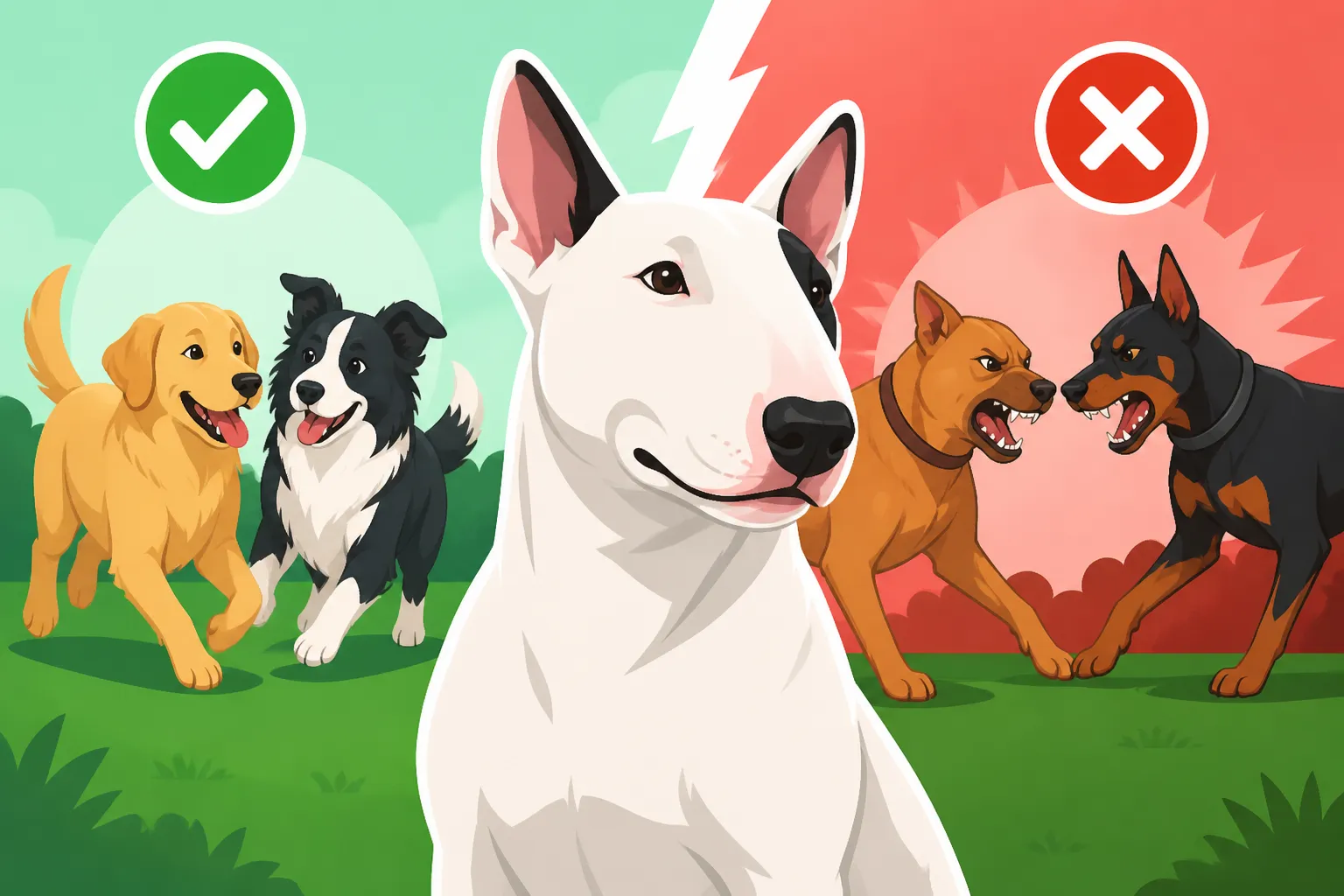
How a Bull Terrier Gets On With Other Dogs
It can be an incredibly confusing and often frustrating experience to navigate the world of dog introductions and social interactions with a Bull Terrier. You might have heard whispers, read online forums, or perhaps even experienced firsthand that these wonderful, clownish dogs aren't always the life of the dog park. This guide is here to shed light on exactly how a Bull Terrier typically gets along with other dogs, helping you understand their unique approach to canine companionship, manage potential challenges, and set both your Bull Terrier and any potential doggy friends up for success.
The Bull Terrier's Unique Social Wiring with Other Dogs
Let's be real, Bull Terriers aren't exactly known for their universal love of every canine they meet. While individual personalities always play a huge role, there's a certain underlying predisposition in the breed that savvy owners learn to understand and manage. It’s not about them being "bad" dogs; it's about acknowledging their historical blueprint and applying smart, thoughtful strategies.
The Historical Context of Dog-on-Dog Behavior
To truly understand why your Bull Terrier might be particular about their doggy friends, you have to look back at their origins. These magnificent creatures were not originally bred to be friendly, bouncy park-goers eager to greet every dog on the leash. Their lineage, stemming from the old bull-and-terrier crosses, was focused on grit, determination, and a certain degree of dog-on-dog tenacity. While the modern Bull Terrier, thanks to generations of dedicated breeders focusing on temperament, is far removed from its fighting ancestors, some of those inherent traits can still surface.
What does this mean for today's pet Bull Terrier? It often translates to a dog that, while devoted and loving with its human family, may possess a lower tolerance for perceived challenges or pushy behavior from other dogs. They might interpret rude play or an over-exuberant greeting differently than, say, a Labrador Retriever would. This isn't aggression for aggression's sake; it's often a deep-seated instinct to hold their ground and not back down. It's a key reason why understanding their history is so vital to managing their current behavior.
"Social" vs. "Dog Tolerant" – A Key Distinction
This is where many Bull Terrier owners, especially first-timers, can get tripped up. There's a common misconception that a "social" dog means a dog that loves every other dog unconditionally. For a Bull Terrier, it’s often more accurate to think in terms of "dog tolerant" rather than "universally social." A dog-tolerant Bull Terrier might coexist peacefully with a select few, carefully chosen canine companions, or even ignore other dogs entirely on walks. However, it’s less common to find a Bull Terrier that genuinely enjoys boisterous, free-for-all play with unknown dogs.
The ideal scenario for many Bull Terriers is a dog that understands boundaries, isn't overtly dominant or submissive, and matches their play style without being overwhelming. Some Bull Terriers will absolutely thrive with a trusted canine sibling they've grown up with, sharing toys and even beds. Others might be perfectly happy as an only dog, receiving all the human attention. The critical difference is recognizing that "tolerance" is a skill that might need to be actively taught and consistently reinforced, rather than an automatic default.
Reading Your Bull Terrier's Cues in Dog Interactions
One of the biggest lessons I've learned from living with these incredible dogs is the importance of becoming a keen observer of their body language. Bull Terriers can be surprisingly subtle at first when they're uncomfortable, before escalating to more overt signals. You might miss the slight stiffening of the body, the quick lip lick, the averted gaze, or the slow, deliberate movement away from another dog. These are all early warning signs that your Bull Terrier is feeling uneasy and might soon react.
If you ignore these subtle cues, your Bull Terrier might feel compelled to use more pronounced signals, like a growl, a snarl, or even a snap, to communicate their discomfort. It's not a sudden switch; it's usually a progression. Learning to read these signals means you can intervene before things escalate, allowing you to remove your Bull Terrier from the situation, create more space, or redirect their attention. This is about being their advocate and helping them navigate a world that doesn't always speak their canine dialect. For a deeper dive into their communication, consider resources like those offered by BAXTER & Bella, which emphasize understanding your dog's language.
Early Socialization: More Than Just Puppy Playdates
The concept of "socialization" for Bull Terrier puppies is paramount, but it often needs a slightly different approach than with many other breeds. It’s not about throwing your puppy into every dog park and hoping for the best. It's about careful, controlled, and positive exposure that builds confidence without teaching them to always expect playful interactions.
The Critical Window and Controlled Exposure
The period from approximately 3 to 16 weeks of age is often called the "critical socialization window" for puppies. During this time, they are most receptive to new experiences and learning what is "normal" and safe in their world. For a Bull Terrier puppy, this means exposing them to a variety of well-behaved, stable adult dogs. Think of calm, confident dogs that can politely sniff and disengage, or gently engage in appropriate play without being overbearing.
Controlled exposure means supervising every interaction closely. Avoid situations where your puppy might be overwhelmed, jumped on, or nipped inappropriately by another dog. A single negative experience during this sensitive period can have a lasting impact, fostering fear or reactivity towards other dogs later in life. Instead of free-for-all chaos, aim for short, positive, and managed introductions. A great online resource like BAXTER & Bella often provides structured guidance on how to facilitate these crucial early experiences safely and effectively.
The Pitfalls of Over-Socialization with Inappropriate Dogs
This is a big one for Bull Terrier owners. Many people, well-intentioned, think that the more dog interactions a puppy has, the better. However, quality always trumps quantity. If your Bull Terrier puppy consistently encounters rude, pushy, or aggressive dogs during their formative months, they can learn one of two things: either all other dogs are scary and should be avoided (leading to fear-based reactivity), or they need to be tough and assertive to defend themselves (leading to confrontation). Neither is a desirable outcome.
Avoid places like crowded dog parks with unknown dogs and unsupervised play. Instead, seek out puppy classes with reputable trainers who curate appropriate play groups, or arrange playdates with trusted friends who have stable, vaccinated adult dogs. The goal is not to make your Bull Terrier love every dog, but to teach them to be confident, polite, and to disengage when necessary. Too much exposure to the wrong kind of dog can actually be detrimental and exacerbate the natural tendencies of the breed.
Continued Management Through Adolescence
Just because your Bull Terrier puppy was a social butterfly doesn't mean it will automatically carry over into adulthood, especially as they hit adolescence. This is a common age, typically between 6 months and 2 years, when The Age a Bull Terrier's Dog Tolerance Changes and some Bull Terriers start to assert themselves more, or become less tolerant of other dogs. Hormonal changes, increasing confidence, and a growing sense of self can all contribute to a shift in their dog-on-dog dynamics.
Continued management during adolescence is crucial. This means reinforcing good leash manners – Teaching a Bull Terrier to Walk Without Pulling is vital – and continuing to choose their playmates wisely. Don't assume that because they were fine with a particular dog at 6 months, they'll be fine with them at 18 months. Reassess their comfort level, watch their body language, and be prepared to adjust your approach. This period requires patience and consistent guidance to help them mature into a well-adjusted adult dog.
Living in a Multi-Dog Household with a Bull Terrier
Bringing a Bull Terrier into a home with existing dogs, or adding another dog to a home with a Bull Terrier, requires careful consideration and planning. Their unique personality, strength, and potential for dog-on-dog particularity mean that "just letting them sort it out" is rarely a recipe for success.
The Challenges of Same-Sex Pairings
One of the most frequently discussed topics among Bull Terrier owners is the difficulty of housing two same-sex Bull Terriers. It's a truth in the breed that Why Two Same Sex Bull Terriers Fight is a real and often dangerous possibility, even if they were raised together as puppies. This isn't unique to Bull Terriers; many strong-willed, terrier-type breeds can struggle with same-sex aggression once they reach maturity.
The problem often stems from resource guarding, dominance disputes, or simply a clash of strong personalities that refuse to back down. Even seemingly minor disagreements can escalate quickly due to their powerful build and determined nature. While some same-sex pairs do coexist peacefully, it's generally not recommended, especially for inexperienced owners. If you are considering it, careful thought, professional guidance, and absolute preparedness for separate housing or management strategies are paramount.
Introducing a New Dog to Your Bull Terrier
If you're planning to introduce a new dog into your Bull Terrier's life, whether it's a puppy or an adult, take it slow and be strategic. Rushing the introduction can create anxiety and potentially set a negative tone for their entire relationship. Here’s a general approach that can help:
- Neutral Territory First: Never introduce them inside your home immediately. Choose a neutral outdoor space, like a park or a quiet walking trail. Both dogs should be on leashes, handled by separate people. Keep the first few interactions brief and positive.
- Parallel Walks: Walk them together, but not nose-to-nose. Keep them on opposite sides of the street or with enough distance that they can observe each other without feeling threatened. This allows them to become accustomed to each other's presence.
- Controlled Sniffing: After several successful parallel walks, allow brief, supervised sniffing sessions. Watch body language carefully. Loose, wagging tails (not stiff), relaxed ears, and soft eyes are good signs.
- Controlled Indoor Access: Once they're comfortable outside, bring them inside your home, but initially keep them separated by a baby gate or crate. Allow them to get used to each other's scents and presence without direct interaction. Supervise all direct interactions closely, especially around high-value items like food or toys.
- Resource Management: Ensure separate feeding areas, water bowls, and sleeping spots. Collect all toys when you can't supervise. This minimizes potential conflict over resources, a common trigger for many dogs.
It's crucial to understand that not all Bull Terriers are suited to living with other dogs, and sometimes, for the safety and well-being of all involved, it's best for them to be an only pet. Whether an Adult Bull Terrier Can Learn to Tolerate Dogs will depend on the individual dog and the circumstances.
Managing Resources and Preventing Conflict
In a multi-dog household with a Bull Terrier, successful coexistence often hinges on impeccable resource management. Bull Terriers, with their strong personalities, can sometimes be prone to guarding things they value, whether that's their food, toys, a favorite sleeping spot, or even their human.
To prevent arguments, establish clear rules and routines from day one:
- Separate Feeding: Always feed dogs in separate rooms or crates to eliminate food guarding. This is non-negotiable.
- Toy Management: Keep high-value toys, especially chew toys that last a long time, separated or only given when dogs are supervised and not in close proximity. Collect all toys when you leave the room. Providing plenty of engaging chew items purchased from platforms like Amazon can help manage this by giving each dog their own dedicated chew time.
- Sleeping Arrangements: Ensure each dog has their own defined space to relax and sleep without feeling encroached upon.
- Attention: Distribute attention fairly, but don't force interaction. If one dog is seeking affection, allow it without the other feeling excluded or needing to intervene.
- Intervention: If you notice any tension, stiff body language, or staring over a resource, intervene immediately by calmly redirecting the dogs or removing the contested item. Don't wait for it to escalate.
Consistency in these management strategies is absolutely vital for maintaining harmony and ensuring a safe environment for all your pets.
| Scenario | Bull Terrier Behavior to Watch For | Recommended Management Strategy |
|---|---|---|
| Meeting New Dogs on Leash | Stiff body, direct stare, whale eye, low growl, pulling hard. | Maintain distance. Cross the street. Use "look at me" commands. Practice Teaching a Bull Terrier to Walk Without Pulling. |
| Dog Park (Free Play) | Too rough play, targetting specific dogs, not responding to handler, escalating intensity. | Avoid altogether if unsure. If supervised, only with known, tolerant dogs. Limit session length. Be ready to leave. Remember Why a Dog Park Goes Wrong for a Bull Terrier. |
| Multi-Dog Household | Resource guarding (food, toys, human), stiff posture around specific dog, growling over space. | Feed separately. Manage high-value toys. Provide individual beds/crates. Supervise all interactions, especially around resources. Implement clear boundaries. |
| Adolescent Changes | Sudden intolerance for familiar dogs, increased reactivity, testing boundaries. | Revisit controlled introductions. Increase individual training and mental enrichment. Seek professional advice if changes are significant. Reinforce How a Bull Terrier Gets On With Other Dogs. |
| Playdates | Overly boisterous play that overwhelms other dogs, not understanding "stop," gripping. | Only with well-matched, tolerant playmates. Supervise closely. Interrupt and redirect play before it escalates. Teach clear "break" cues. Understand How Rough a Bull Terrier Plays With Other Dogs. |
Navigating Public Interactions and Dog Parks
Taking your Bull Terrier out into the world means encountering other dogs, whether on a walk, at a pet store, or a designated dog-friendly space. Understanding their likely reactions and having solid management strategies in place is key to enjoyable outings and preventing stressful incidents.
Why Dog Parks Often Go Wrong for a Bull Terrier
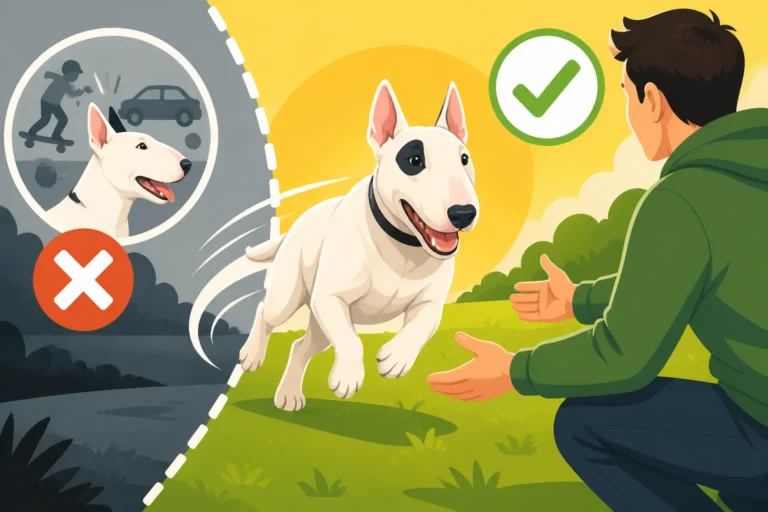
Let's address the elephant in the room: dog parks and Bull Terriers are often not a good mix. While some rare individuals might do okay, Why a Dog Park Goes Wrong for a Bull Terrier for the majority of these dogs is multifaceted. Dog parks are, by nature, unpredictable environments with unknown dogs and often unsupervised, inappropriate play.
Bull Terriers generally prefer a more structured, calm interaction, or play with familiar dogs that understand their unique play style. They can be very physical in their play, which can be misinterpreted by other dogs or escalate into conflict. Add to this their potential for dog-on-dog reactivity if another dog is rude or pushy, and you have a recipe for disaster. The risk of a negative encounter, either for your Bull Terrier or another dog, is simply too high for many owners to justify. It's often safer and less stressful to find alternative ways for your Bull Terrier to exercise and socialize.
Safe and Controlled Exercise with Other Dogs
Just because dog parks are out doesn't mean your Bull Terrier can't enjoy the company of other dogs. It simply means those interactions need to be carefully curated and controlled. Group walks with known, stable dogs can be an excellent way for your Bull Terrier to experience other canines in a calm, parallel fashion without the pressure of direct interaction. This allows them to habituate to the presence of other dogs in a non-threatening way.
Playdates with one or two known, tolerant dogs that match your Bull Terrier's play style can also work beautifully. Always supervise these interactions closely and be ready to intervene if play becomes too rough or intense. Focus on quality over quantity – a few positive, controlled interactions are far more beneficial than many chaotic ones. Some Bull Terriers might also enjoy structured activities like obedience classes or nose work, where they can be in the presence of other dogs but with a clear focus on a task, minimizing direct interaction.
Essential Leash Skills for Public Spaces
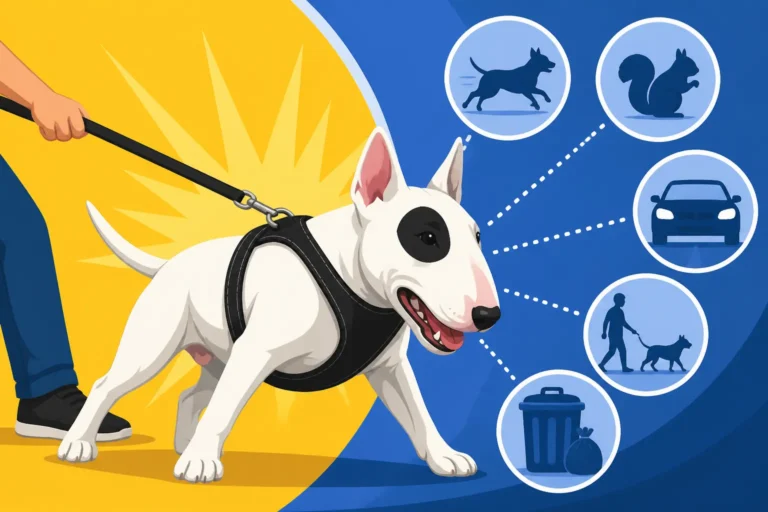
Regardless of how your Bull Terrier feels about other dogs, having impeccable leash skills is non-negotiable for public outings. Given How Strong a Bull Terrier Is on a Leash, an unexpected lunge or reaction can easily pull you off your feet. Consistent training on a loose leash is vital.
Invest in a quality harness that gives you control, or consult with a trainer about tools like head halters if your Bull Terrier is a strong puller. Practice "focus" commands, teaching your Bull Terrier to look at you when another dog passes, rather than fixating. Reward calm behavior heavily. This kind of consistent work, perhaps with guidance from a program like BAXTER & Bella, empowers you to confidently navigate public spaces, ensuring that if another dog approaches, you have the control and your Bull Terrier has the manners to handle it calmly. This not only keeps everyone safe but also reduces your own stress levels significantly.
When Professional Help is Needed for Dog-on-Dog Issues
It can feel incredibly isolating and frustrating when your Bull Terrier struggles with other dogs. You might blame yourself, or worry about your dog's future. The good news is that you don't have to face these challenges alone. Recognizing when to seek professional help is a sign of a responsible owner dedicated to their dog's well-being.
Recognizing Escalating Behavior
It's one thing for your Bull Terrier to be particular or indifferent to other dogs; it's another entirely if their behavior starts to escalate into true reactivity or aggression. Look out for these red flags:
- Consistent lunging, barking, or growling: Especially if it happens every time they see another dog, regardless of distance.
- Difficulty calming down: After a perceived threat, your Bull Terrier remains agitated for an extended period.
- Biting or attempts to bite: If your Bull Terrier has made contact or tried to, especially unprovoked or with excessive force.
- Fear or anxiety: Some Bull Terriers can be fearful-reactive, freezing, shaking, or trying to bolt from other dogs.
- Increased intensity: If previous mild reactions are becoming more intense, frequent, or harder to interrupt.
If you're seeing these behaviors, or if you feel unsafe or overwhelmed during dog encounters, it's definitely time to bring in a professional. Ignoring these signs will not make them disappear; they will likely worsen over time, and Whether a Spinning Bull Terrier Can Be Distracted will become a much bigger question.
Seeking Guidance from Qualified Professionals
When seeking help, be sure to find a professional who understands Bull Terriers and their unique breed tendencies. Look for:
- Certified Professional Dog Trainers (CPDT-KA): These trainers have passed an exam and maintain continuing education credits, demonstrating a foundational understanding of dog behavior and training.
- Certified Dog Behavior Consultants (CDBC) or Veterinary Behaviorists (DACVB): For more severe cases of aggression or reactivity, a behaviorist with specialized education and experience is often the best choice. Veterinary behaviorists are veterinarians with additional residency training and board certification in animal behavior, and can prescribe medication if necessary.
- Positive Reinforcement Focus: Always opt for trainers who use positive reinforcement, force-free methods. Tools like prong collars or electric collars, which apply What a Harsh Correction Does to a Bull Terrier, can be highly detrimental to a Bull Terrier's sensitive psyche and can exacerbate fear or aggression.
A good professional will assess your Bull Terrier's individual temperament, help you identify triggers, and develop a personalized training and management plan. They can teach you effective techniques for counter-conditioning and desensitization, helping your Bull Terrier learn to see other dogs in a less threatening light.
Management Strategies for Reactive Bull Terriers
Working with a professional is a journey, and in the meantime, implementing smart management strategies is vital for keeping everyone safe and reducing stress. This isn't about giving up; it's about setting your Bull Terrier up for success in the real world.
- Avoid Triggers: As much as possible, avoid situations where you know your Bull Terrier will react. This might mean avoiding popular dog walking routes during peak hours, skipping the dog park entirely, or walking at different times of day.
- Increase Distance: The further away your Bull Terrier is from a trigger (another dog), the less likely they are to react. Work on building tolerance from a distance where they can still remain calm.
- Practice Engagement: Teach your Bull Terrier to focus on you, even with distractions. Games like "look at that" (where they look at the trigger, then look at you for a treat) can be incredibly powerful.
- Safety Equipment: Use a secure leash and harness combination. Sometimes a double-leash system (one clip to the harness, one to a collar or head halter) offers extra security. Products available on Amazon, such as heavy-duty leashes and escape-proof harnesses, can be invaluable for added peace of mind.
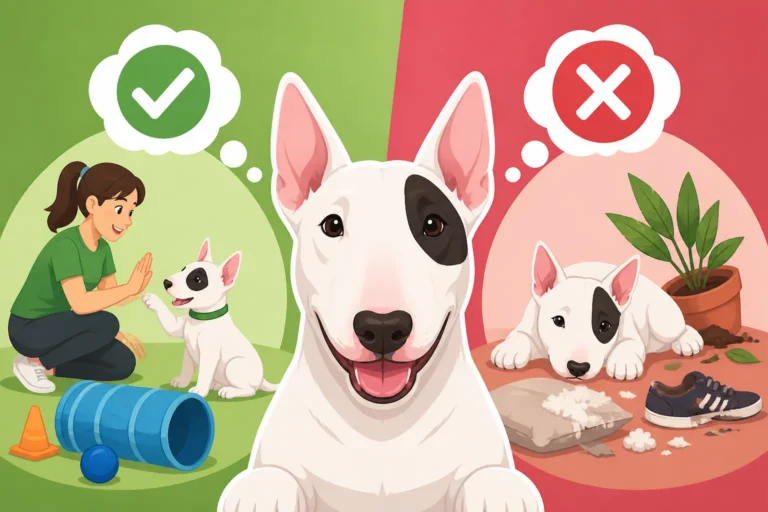
- Provide an Outlet: Ensure your Bull Terrier gets plenty of mental and physical exercise, appropriate for their needs. A bored, under-exercised Bull Terrier is more likely to be reactive. Engaging their minds with puzzle toys or structured training can help fulfill their need for Why a Bull Terrier Needs a Job.
Remember, managing a Bull Terrier with dog-on-dog issues is a commitment. It requires patience, consistency, and a willingness to advocate for your dog's comfort and safety. With the right approach and professional guidance, many Bull Terriers can learn to be much more tolerant and comfortable in the presence of other dogs.
Disclaimer
This article is for general informational purposes only and does not constitute professional advice. Laws, prices and regulations vary by location and change over time. Consult a qualified professional for guidance on your specific situation.