Whether a Bull Terrier’s Pink Belly Needs Covering
It’s a sight every Bull Terrier owner knows well: that gorgeous, smooth, often dappled pink belly, proudly displayed during a good stretch or a luxurious sunbathe. But while it’s undeniably adorable, many of us find ourselves wondering if that delicate expanse of skin needs a little extra protection. The truth is, that charming pink belly is far more vulnerable than you might realize, and this guide will walk you through exactly why and what you can do to keep it safe and healthy.
The Delicate Nature of Your Bull Terrier's Pink Belly
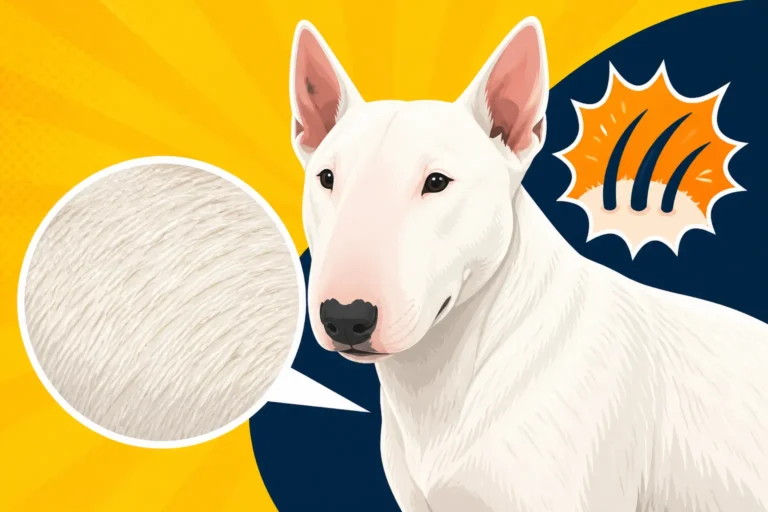
When you look at your Bull Terrier's belly, you're not just seeing skin; you're looking at a canvas that tells a story of unique genetic traits and inherent vulnerabilities. Unlike many breeds with thick, double coats that offer a natural shield, your Bull Terrier often has quite sparse hair on their underside, especially on that soft, sensitive tummy. This lack of dense fur is a big reason why that skin often appears so vibrantly pink, or sometimes spotted like a strawberry ice cream.
The pinkness itself stems from a relative lack of melanin, the pigment that gives skin and hair its color and, crucially, offers some natural protection against the sun's ultraviolet (UV) rays. Think of it like a human baby's skin – it's new, it's thin, and it hasn't developed the same resilience as more pigmented or hair-covered areas. This isn't a defect, mind you, it's just how many Bull Terriers are, particularly those with white coats. Because of this, their bellies are essentially wide open to environmental aggressors that might not bother a dog with a denser coat. It’s not just the sun either; rough surfaces, irritating plants, even certain cleaning chemicals can all cause problems on such exposed and sensitive skin. A Bull Terrier's Skin Is Its Weakest Point is something we often talk about, and their belly is a prime example of this vulnerability.
Understanding the Risks: Sunburn, Irritation, and More
Leaving that lovely pink belly exposed to the elements without a second thought can unfortunately lead to a host of problems. The most immediate and obvious risk, especially for our lighter-colored Bull Terriers, is sunburn. Just like human skin, prolonged exposure to UV rays can cause redness, tenderness, peeling, and even blistering on a dog's sensitive skin. Imagine how uncomfortable that would be for your Bull Terrier, trying to lie down or even walk if their belly is searing hot and painful to the touch. It's not just a minor inconvenience; a severe sunburn can be quite painful and even lead to secondary infections if the skin breaks.
Beyond the immediate sting of sunburn, there are more insidious long-term dangers. Repeated sun exposure, particularly on unpigmented skin, significantly increases the risk of developing skin cancers, such as squamous cell carcinoma or melanoma. These aren't minor issues; they can be aggressive and require extensive veterinary intervention. It's a sobering thought that something as seemingly innocent as a sunny snooze could contribute to a serious health problem down the line. We dive into this more in Whether a Bull Terrier Gets Skin Cancer.
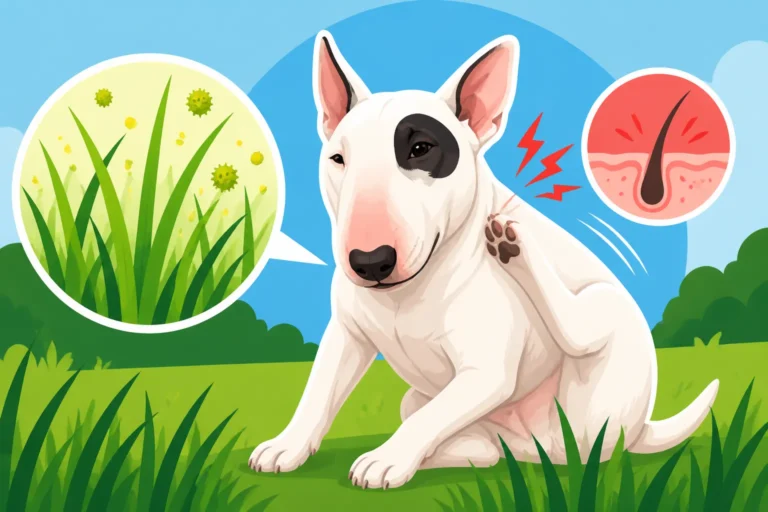
But the sun isn't the only culprit. That exposed skin is also highly susceptible to environmental irritants. Think about your Bull Terrier romping through a field of freshly mown grass, rolling around in the park, or even just lying on the patio. Allergic reactions to grasses, pollens, or chemicals (like fertilizers or weed killers) can manifest as angry red rashes, bumps, or intense itching on the belly. You might notice your Bull Terrier licking, chewing, or rubbing their belly excessively, trying to alleviate the discomfort. This self-trauma can further damage the skin, creating open sores that are ripe for bacterial or fungal infections. It's a frustrating cycle for both you and your dog, as pinpointing the exact irritant can sometimes feel like detective work.
Practical Strategies for Protecting That Precious Belly
So, what’s a devoted Bull Terrier parent to do? The good news is, there are many practical and effective ways to safeguard your dog’s sensitive underside. It's all about being proactive and mindful of their environment.
First and foremost, seek shade. This might sound obvious, but it’s easy to overlook when you’re out and about. If your Bull Terrier loves to sunbathe (and many do!), make sure they have ample access to shaded areas, especially during peak sun hours (typically 10 AM to 4 PM). Encourage them to rest under a tree, an umbrella, or indoors during these times. If you're at the beach or a park, consider bringing a pop-up tent or canopy specifically for your dog. This simple habit can drastically reduce their UV exposure.
Next up, canine-specific sunscreen. Yes, it’s a thing, and it’s a lifesaver for our pink-bellied pals. Do not, under any circumstances, use human sunscreen on your dog, as many contain ingredients toxic to them if licked. Look for sunscreens specifically formulated for dogs, usually containing zinc oxide or titanium dioxide, which create a physical barrier. Brands like Epi-Pet or My Dog Nose It often appear in search results, and you can usually find them on platforms like Amazon or Chewy. Before applying it all over, do a patch test on a small area of skin to ensure no adverse reaction. Apply generously to the belly, inner thighs, and any other exposed pink skin (like ear tips or nose if also pink) about 15-20 minutes before going outside. Reapply every 2-4 hours, especially if your dog has been swimming or is very active.
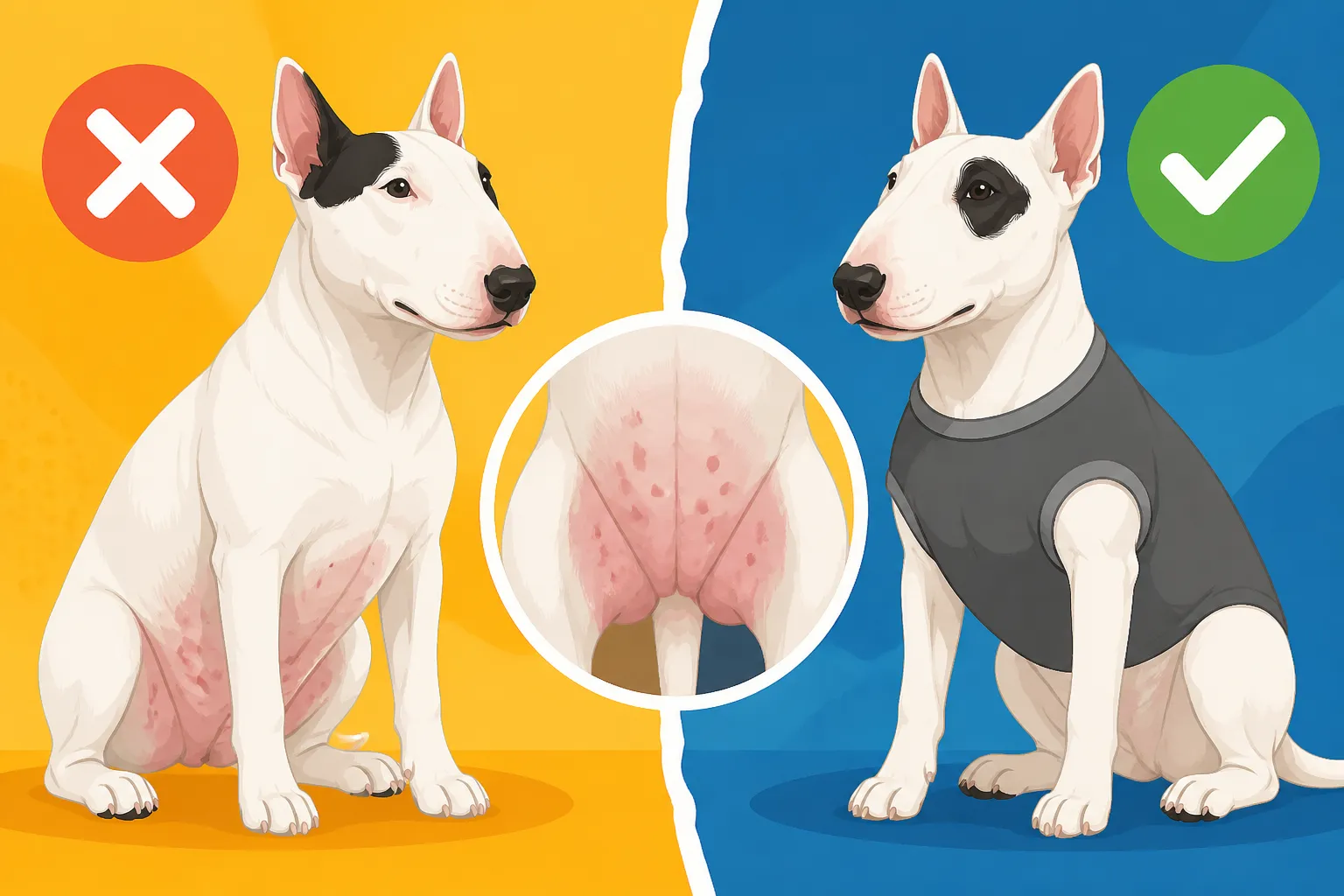
Another excellent option is protective clothing. Lightweight, breathable dog shirts or vests can provide a physical barrier against both sun and environmental irritants. Look for fabrics with a UPF (Ultraviolet Protection Factor) rating for maximum sun protection. These shirts are not just a fashion statement; they serve a real purpose. They come in various styles, from simple tank tops to full-body suits, and can be easily sourced from pet retailers like Chewy or even general online marketplaces like Amazon. When choosing clothing, ensure it fits well – not too tight, which can cause chafing, but snug enough not to ride up and expose the belly. Cotton or moisture-wicking synthetic blends are often good choices for comfort and breathability in warmer weather. Whether a Bull Terrier Needs a Shirt in Summer covers more on this topic.
Beyond sun and clothing, consider environmental management. If your Bull Terrier is prone to grass allergies, keeping your lawn cut short can help, as shorter grass blades are less likely to brush against and irritate the belly. After walks or outdoor play, particularly in areas where you suspect irritants might be present, a quick wipe-down of their belly with a damp cloth or a soothing, hypoallergenic dog wipe can remove pollen, dust, or other potential irritants before they have a chance to cause a reaction. Regular The Weekly Skin Check Every Bull Terrier Needs will also help you spot any emerging irritation or redness early, allowing you to intervene before it escalates.
Here’s a quick overview of protection methods:
| Protection Method | Pros | Cons | Best For |
|---|---|---|---|
| Shade | Free, natural, effective | Limited availability, dog might seek sun anyway | Relaxed outdoor time, preventing overheating |
| Canine Sunscreen | Targeted protection, portable | Requires reapplication, dog might lick off | Short bursts of sun, specific exposed areas |
| Protective Clothing | Covers large area, barrier against irritants | Can cause overheating if not breathable, fit issues | Prolonged outdoor activity, allergy prevention |
| Environmental Mgmt. | Reduces exposure to known triggers | Requires vigilance, not foolproof | Preventing contact dermatitis, daily walks |
When to Call the Vet: Signs Your Bull Terrier's Belly Needs Medical Attention
Even with the best preventative care, sometimes things still go awry. Because your Bull Terrier's belly skin is so delicate, it's crucial to know when a situation warrants a trip to the vet rather than just home remedies. Bull Terriers, for all their clownish antics, can be remarkably stoic when it comes to pain or discomfort, so you need to be observant.
Keep a close eye during your regular How Often a Bull Terrier's Skin Should Be Photographed checks for any of the following signs:
- Persistent Redness or Inflammation: A little pink after a romp is one thing, but if the skin remains bright red, hot to the touch, or swollen for more than a few hours, it's a red flag.
- Rashes, Bumps, or Hives: Any sudden appearance of small bumps, a widespread rash, or raised welts could indicate an allergic reaction, insect bites, or the start of a skin infection.
- Scabs, Sores, or Open Wounds: If you notice any broken skin, scabs, or weeping sores, these are prime entry points for bacteria. Even small lesions can quickly escalate into full-blown infections requiring antibiotics.
- Excessive Licking, Chewing, or Scratching: If your Bull Terrier is constantly focused on their belly, licking, chewing, or scratching it to the point of irritation or hair loss, they are telling you something is very wrong. This self-trauma can quickly worsen any underlying issue.
- Unusual Bumps or Lumps: While some Bull Terriers have naturally lumpy or scarred skin from old injuries, any new, firm, or rapidly growing lumps should be evaluated by a vet. As mentioned, the risk of Whether a Bull Terrier Gets Skin Cancer is real, especially on sun-exposed areas.
- Foul Odor: A bad smell emanating from the skin, particularly from folds or irritated areas, often signifies a bacterial or yeast infection brewing beneath the surface.
- Changes in Pigmentation or Texture: While normal Bull Terrier bellies can be spotted, any areas that appear unusually dark, thickened, or leathery, particularly if they weren't like that before, warrant veterinary attention. This could be a sign of chronic inflammation or other skin conditions. We also discuss What a Bull Terrier's Bald Patch Means in another article, which could be related to skin issues on the belly.
When you bring your Bull Terrier to the vet, be prepared to discuss when you first noticed the problem, any changes in their diet or routine, exposure to new environments, and what, if anything, you've tried at home. The vet may perform skin scrapes, fungal cultures, or even a biopsy to get to the root of the problem. Early intervention is always best, so don't hesitate if you're concerned. Your Bull Terrier relies on you to be their advocate, and protecting that precious pink belly is a big part of their overall health and comfort.
Disclaimer
This article is for general informational purposes only and does not constitute professional advice. Laws, prices and regulations vary by location and change over time. Consult a qualified professional for guidance on your specific situation.