Whether a Bull Terrier Needs Joint Supplements
It's a common worry for Bull Terrier owners, isn't it? You watch your energetic, clownish companion body-slamming the sofa or launching themselves into a full-speed zoomie, and a little voice in the back of your head whispers about what all that impact might mean for their joints down the line. As they get older, that whisper can turn into a full-blown concern when you see them hesitate before a jump or slow down on walks. This guide is here to help you navigate the world of joint health for your Bull Terrier, exploring whether joint supplements are truly necessary, what they do, and how to approach their use responsibly.
Understanding Bull Terrier Joint Health: What's the Big Deal?
Our Bull Terriers are powerhouse dogs, built with incredible muscle and bone, but like any breed, they have their vulnerabilities. Their enthusiasm for life means they often push their bodies to the limits, and that can take a toll on their hardworking joints over time. It's not about stifling their joy, but about understanding the potential challenges and being proactive.
Common Joint Concerns in Bull Terriers
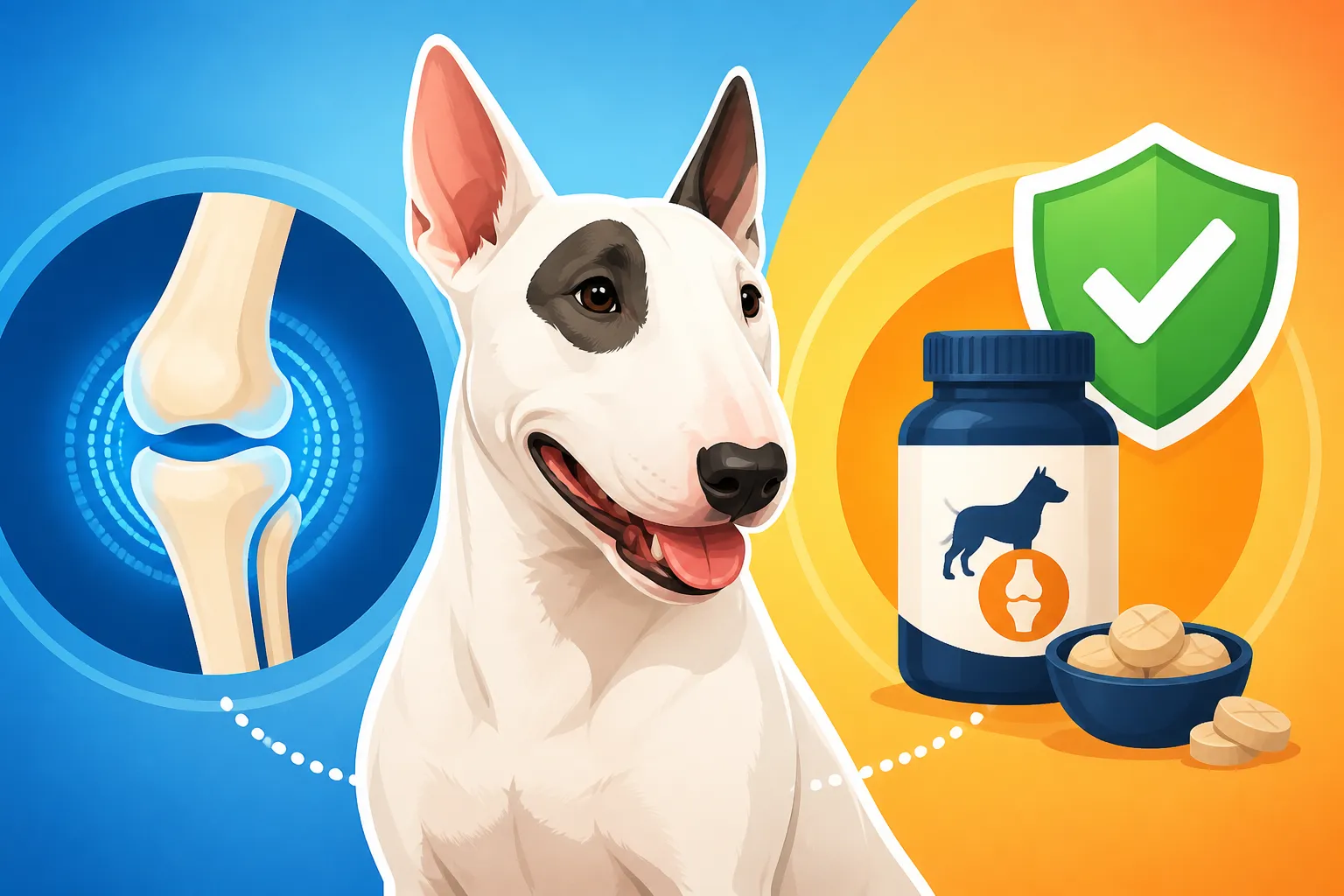
While Bull Terriers aren't typically plagued by the same widespread severe hip and elbow dysplasia that some larger breeds face, they aren't immune to joint issues. One of the more common structural concerns seen in the breed is patellar luxation, or "slipping kneecap." Imagine your knee cap, which usually sits in a groove, suddenly popping out of place. It can be painful and cause your dog to skip a step or hold a leg up for a moment before it slips back into position. This can range from mild and infrequent to severe, causing chronic lameness.
Beyond specific genetic predispositions, the sheer force of a Bull Terrier's play style can lead to wear and tear. Their stocky build and powerful legs mean they hit the ground with considerable impact when they jump, run, and wrestle. This constant activity can contribute to conditions like arthritis later in life, where the cartilage cushioning the joints begins to degrade. It's a slow, insidious process that can lead to chronic pain and stiffness if not managed. Owners often feel a pang of guilt, wondering if they pushed their dog too hard in their youth, but it's often an unavoidable part of their spirited nature. You can learn more about specific joint issues in Bull Terriers by checking out Patellar Luxation in a Bull Terrier.
The Bull Terrier Lifestyle and Joint Impact
Let's be honest, living with a Bull Terrier means living with a four-legged force of nature. From the moment they wake up, they are ready for action, whether it's an impromptu game of tug, a full-speed dash across the yard, or their famous "zoomies" where they launch themselves around the house with reckless abandon. Their characteristic body slams, where they lean or playfully collide with you or other dogs, are endearing but certainly involve a good deal of joint impact.
Think about a young Bull Terrier puppy, full of boundless energy, jumping off furniture or scrambling up and down stairs. While their bones and joints are still developing, these kinds of activities, if excessive, can contribute to problems later on. Even as adults, their incredible strength and drive to play can lead to microtraumas that, over years, accumulate and begin to show up as stiffness or discomfort. It's a tricky balance: you want your Bull Terrier to enjoy life to the fullest, but you also want to protect their precious joints for as long as possible. Many owners struggle with finding this balance, especially with a breed that often acts like Why a Bull Terrier Is Called a Three Year Old in a Dog Suit.
Age-Related Joint Changes to Watch For
As our beloved Bull Terriers begin to reach their senior years, usually around eight years old, you might start noticing subtle changes in their movement and behavior that point towards aging joints. They might be a little slower to get up after a nap, or perhaps they hesitate before jumping into the car or onto the sofa – activities they once performed with effortless grace. You might also notice a decrease in their willingness to play as long, or they might seem stiff after a vigorous walk or a long night's rest.
These signs aren't always dramatic; sometimes, it's just a slight limp after exercise or a change in their gait that only you, as their dedicated owner, would pick up on. Some Bull Terriers, being stoic by nature, can be masters at hiding pain, so it's crucial to be vigilant and observe their daily habits closely. A decreased appetite, irritability when touched, or a reluctance to engage in once-favorite activities can also be subtle indicators of discomfort. It's heartbreaking to see them slow down, and it naturally makes you wonder what you can do to ease their transition into these golden years. Keeping an eye on these changes is a vital part of Caring for an Old Bull Terrier.
Decoding Joint Supplements: What's in Them Anyway?
The pet supplement market is vast, and joint supplements are perhaps one of the most popular categories. When you walk into a pet store or browse online, you're faced with a dizzying array of options, all promising to support your dog's joint health. It's easy to feel overwhelmed and wonder what actually works, and what's just clever marketing.
Key Ingredients and What They Do
Most joint supplements for dogs contain a combination of ingredients, each with a proposed role in supporting cartilage health or reducing inflammation. Let's break down the big players you'll commonly see:
- Glucosamine: This is probably the most well-known ingredient. It's an amino sugar that's a natural component of healthy cartilage. The theory is that supplementing glucosamine helps provide the building blocks for cartilage repair and maintenance, and may also have mild anti-inflammatory properties.
- Chondroitin Sulfate: Often paired with glucosamine, chondroitin is another natural component of cartilage. It's believed to help cartilage retain water, which is essential for its elasticity and shock-absorbing properties. It may also inhibit enzymes that break down cartilage.
- MSM (Methylsulfonylmethane): This is an organic sulfur compound. Many believe MSM helps reduce inflammation and pain, acting as an antioxidant. It's thought to support the integrity of connective tissues.
- Omega-3 Fatty Acids (EPA & DHA): These are usually derived from fish oil. While not direct cartilage builders, omega-3s are powerful natural anti-inflammatories. They can help reduce the overall inflammatory response in the body, which can be a significant component of joint pain in arthritic dogs.
- Hyaluronic Acid (HA): A component of synovial fluid, which lubricates joints. HA supplements aim to improve the viscosity and elasticity of this fluid, thus improving joint cushioning and movement.
- Green-Lipped Mussel (GLM): Hailing from New Zealand, GLM contains a unique combination of omega-3s, glucosamine, chondroitin, and other nutrients. It's often touted for its comprehensive anti-inflammatory and joint-supportive properties.
These ingredients work synergistically, aiming to not only alleviate symptoms but also to support the long-term health and function of the joints.
The Science (and Skepticism) Behind Supplements
Here's where it gets a little nuanced. While many of these ingredients have a logical biological basis for their purported benefits, the scientific evidence supporting their efficacy in all dogs, for all conditions, is somewhat mixed. Some studies show significant improvement, while others show only modest or no measurable effect. Part of the challenge lies in the fact that pet supplements are not regulated by the FDA in the same stringent way that pharmaceuticals are. This means there can be variability in ingredient quality, purity, and the actual amount of active ingredients present in different products.
This lack of strict regulation often leads to understandable skepticism among veterinarians and owners alike. However, many anecdotal reports from owners and veterinary professionals suggest that high-quality joint supplements can make a noticeable difference for some dogs, especially those with mild to moderate osteoarthritis or those at high risk. The key is understanding that supplements aren't a magic bullet or a cure; they are intended as a supportive measure, often best used in conjunction with other treatments like weight management, appropriate exercise, and sometimes prescription medications. Always remember that consistency is critical; these aren't medications that work instantly but rather build up in the system over weeks or months.
When to Consider Starting Joint Supplements
Deciding when to start a joint supplement for your Bull Terrier is a question many owners grapple with. There are generally two schools of thought: proactive or reactive.
A proactive approach often involves starting supplements before any noticeable signs of joint issues appear. This might be recommended for breeds known to be prone to certain conditions, or simply for active dogs like Bull Terriers once they reach a certain age, say around 4-5 years old, to help maintain cartilage health and potentially delay the onset of age-related arthritis. The idea is to nourish the joints before they start crying for help. If you have a Bull Terrier puppy, discussing preventative measures early with your vet can set them up for a healthier life, especially if you know their lineage. Whether a Bull Terrier Is a Healthy Breed explores overall health aspects.
A reactive approach, on the other hand, means starting supplements once you notice your Bull Terrier exhibiting signs of stiffness, pain, or reduced mobility. In these cases, supplements are used as part of a broader treatment plan to alleviate discomfort and improve quality of life. The best time to consider supplements is always in consultation with your veterinarian. They can assess your Bull Terrier's overall health, pinpoint any specific joint issues through examination and potentially X-rays, and then recommend whether a supplement is appropriate and which type might be most beneficial for your individual dog's needs.
Choosing the Right Joint Supplement for Your Bull Terrier
So, you've decided a joint supplement might be a good idea for your Bull Terrier. Now comes the task of sifting through all the options. It's not just about picking up the first bottle you see; a thoughtful approach can make all the difference in finding a product that actually helps your dog.
Consulting Your Veterinarian: The First and Most Important Step
I cannot stress this enough: before you start your Bull Terrier on any supplement, talk to your vet. They are your most valuable resource. Your veterinarian knows your dog's history, understands their unique predispositions, and can properly diagnose any underlying joint conditions. They can perform a physical examination, check for signs of pain or instability, and may recommend diagnostic tests like X-rays to get a clear picture of what's happening inside those joints. This is especially true if your dog is showing clear signs of discomfort; a supplement alone might not be enough, and prescription anti-inflammatory medications or other treatments might be necessary.
Your vet can guide you through the maze of ingredients, helping you choose a reputable brand that provides effective dosages and is appropriate for your Bull Terrier's specific needs. They might even carry professional-grade supplements that have undergone stricter quality control. It's about tailoring the approach to your individual dog, not just following a generic recommendation. This personalized advice is far more effective than trying to guess what might work based on online reviews.
Quality, Form, and Dosage Matters
Once you have a green light from your vet, focus on quality. Because pet supplements aren't as strictly regulated, it's crucial to look for brands that voluntarily participate in third-party testing to verify ingredient content and purity. Look for seals of approval from organizations that set quality standards for pet supplements, if available. Some brands will proudly display their commitment to quality control on their packaging or website. When shopping, whether you're browsing the aisles at a local pet store or looking online at retailers like Chewy or Amazon, make sure to do your homework on the brand.
Supplements come in various forms: chewable tablets, soft chews, powders, and liquids. Consider what will be easiest for your Bull Terrier to take. Some dogs are notoriously picky, while others will gobble down anything if it smells good. Soft chews are often palatable, making administration a breeze. Powders can be sprinkled over food, and liquids can sometimes be mixed in. Dosage is also incredibly important. Always follow the manufacturer's recommendations based on your dog's weight, or better yet, your vet's specific instructions. Underdosing might render the supplement ineffective, while overdosing could lead to unwanted side effects. Remember, a bigger dose isn't always better.
Integrating Supplements into Your Bull Terrier's Routine
So you've chosen a supplement; now how do you make it a seamless part of your Bull Terrier's daily life? The key word here is consistency. Joint supplements, particularly those containing glucosamine and chondroitin, take time to build up in the system and show an effect. You're unlikely to see a change overnight. Most owners report seeing noticeable improvements after 4-6 weeks of consistent use, sometimes longer.
Administer the supplement at the same time each day, perhaps with a meal, to establish a routine. If your Bull Terrier is finicky, try hiding chews in a small amount of cheese or peanut butter, or mixing powders directly into a favorite wet food or a fresh food meal (some fresh food brands like Ollie even offer joint support recipes). Keep an eye on your dog for any potential side effects, such as digestive upset (diarrhea, vomiting), which, though rare, can sometimes occur. If you notice any adverse reactions, stop the supplement and contact your vet. Over time, pay close attention to subtle changes in your Bull Terrier's mobility, energy levels, and overall comfort. It can be helpful to keep a journal to track progress, noting improvements in their willingness to play, ease of getting up, or reduction in stiffness. This data will be valuable for your follow-up discussions with your vet.
Beyond Supplements: Holistic Joint Care for Bull Terriers
While joint supplements can be a valuable tool in supporting your Bull Terrier's mobility, they are just one piece of a larger puzzle. A truly holistic approach to joint health involves managing several aspects of your dog's life to give them the best chance at a comfortable, active existence for as long as possible.
Maintaining a Healthy Weight
This is, arguably, the single most impactful thing you can do for your Bull Terrier's joint health. Every extra pound your dog carries puts increased stress on their joints, accelerating the wear and tear on cartilage and exacerbating any existing conditions. Even a seemingly small amount of excess weight can make a huge difference over time. Think of it like carrying a backpack filled with bricks all day, every day – it adds up!
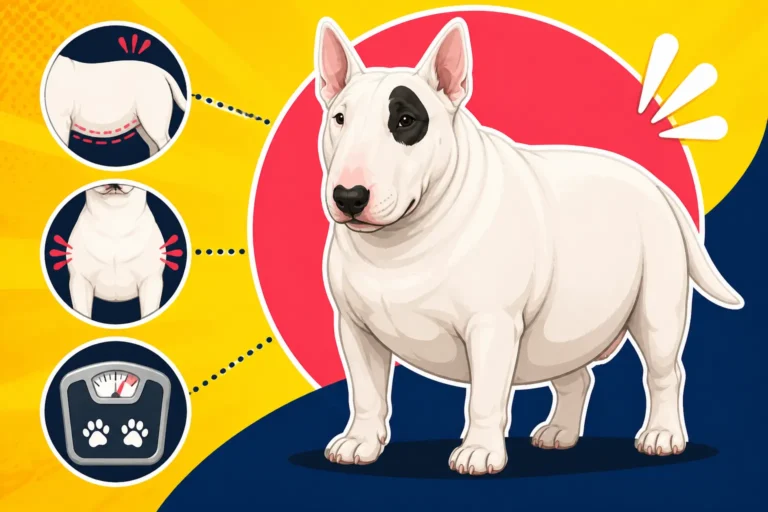
Bull Terriers, with their muscular build, can sometimes carry a little extra weight without it being immediately obvious. It’s important to know How to Tell Bull Terrier Muscle From Fat and regularly assess your dog's body condition. You should be able to easily feel their ribs without seeing them, and they should have a discernible waist when viewed from above. If your Bull Terrier is overweight, work with your vet to create a safe and effective weight loss plan, which will likely involve dietary adjustments and controlled exercise. Reducing their weight can significantly reduce pain and improve mobility in dogs with arthritis or other joint issues, often more dramatically than any supplement alone. You can find more practical tips on Keeping a Bull Terrier Lean When It Carries This Much Muscle.
Appropriate Exercise and Activity Modification
Bull Terriers are high-energy dogs, and exercise is essential for their physical and mental well-being. However, as they age or if they develop joint issues, the type and intensity of exercise may need to be adjusted. High-impact activities like repetitive jumping, chasing balls for extended periods on hard surfaces, or intense dog park wrestling can be very hard on aging or compromised joints.
Instead, focus on lower-impact activities that still allow them to burn off energy and maintain muscle mass, which actually supports joint stability. Consistent, moderate walks on softer surfaces like grass or trails are excellent. Swimming is a fantastic non-weight-bearing exercise that builds muscle without stressing joints. Consider puzzle toys and scent work to engage their minds without putting a strain on their bodies. If your Bull Terrier has a known joint condition, your vet might recommend specific physical therapy exercises. It's not about stopping them from being a Bull Terrier; it's about channeling their incredible energy in ways that are sustainable for their body. If you're wondering how much exercise your specific Bull Terrier truly needs, consider reading How Much Exercise a Bull Terrier Actually Needs.
Environmental Adjustments for Joint Comfort
Making a few thoughtful adjustments around your home can significantly improve your Bull Terrier's comfort and reduce strain on their joints, especially if they are starting to show signs of age or stiffness.
- Ramps or Stairs: If your Bull Terrier loves to jump onto furniture or into the car, consider providing ramps or pet stairs. This prevents the repetitive impact of jumping up and down, which can exacerbate joint pain.
- Non-Slip Surfaces: Hardwood floors and tile can be treacherous for dogs with slippery paws and stiff joints. Lay down rugs or carpet runners in high-traffic areas to provide better traction, reducing the risk of slips and falls that can lead to injury.
- Orthopedic Beds: Invest in a high-quality orthopedic dog bed. These beds provide superior cushioning and support for aching joints, helping to relieve pressure points and promote a more comfortable rest. Many excellent options are available from retailers like Amazon, offering different densities and designs to suit your Bull Terrier's size and sleeping preferences. A good bed can make a world of difference for a dog struggling with stiffness after a long night.
- Warmth and Comfort: In colder climates or during winter months, a warm, cozy bed and perhaps a dog coat during walks can help keep muscles and joints from stiffening up.
- Easy Access to Food and Water: Ensure their food and water bowls are easily accessible without requiring them to stoop excessively. Elevated bowls can be a blessing for dogs with neck or back pain.
These small changes might seem minor, but collectively, they contribute to a significant improvement in your Bull Terrier's daily comfort and long-term joint health.
Here's a quick overview of common joint supplement ingredients:
| Ingredient | Primary Role | Potential Benefits |
|---|---|---|
| Glucosamine | Cartilage building block | Supports cartilage repair, mild anti-inflammatory |
| Chondroitin Sulfate | Cartilage building block, water retention | Improves cartilage elasticity, inhibits cartilage-degrading enzymes |
| MSM | Organic sulfur compound | Anti-inflammatory, pain relief, antioxidant |
| Omega-3 Fatty Acids | Anti-inflammatory (EPA & DHA) | Reduces inflammation, supports overall joint health |
| Hyaluronic Acid (HA) | Component of synovial (joint) fluid | Improves joint lubrication, cushioning, and shock absorption |
| Green-Lipped Mussel | Comprehensive blend (omega-3s, glucosamine etc.) | Broad-spectrum anti-inflammatory, provides multiple joint nutrients |
Disclaimer
This article is for general informational purposes only and does not constitute professional advice. Laws, prices and regulations vary by location and change over time. Consult a qualified professional for guidance on your specific situation.