Whether a Bull Terrier’s Ears Need Taping
It's a common sight to see a Bull Terrier puppy with those adorable, floppy ears that just haven't quite decided what they want to do yet. Many new Bull Terrier owners, especially those new to the breed, often worry if those ears are ever going to stand up tall and proud as the breed standard dictates. This guide is here to reassure you and explore whether taping those ears is truly necessary or even advisable for your beloved companion.
The Natural State of Bull Terrier Ears: What to Expect
Let's talk about those iconic Bull Terrier ears for a moment. They're a hallmark of the breed, standing erect and pointing forward, giving them that alert, intelligent, and sometimes mischievous expression we all adore. But they don't always start out that way, and that's perfectly normal.
The 'Ideal' Stand
When we talk about the "ideal" Bull Terrier ear, we're picturing an ear that stands firm, is of moderate size, and is set fairly close together on the top of the skull. They're not overly large or overly small, and they shouldn't flop over or out to the sides in a permanent way. This erect carriage contributes significantly to the distinctive profile of the Bull Terrier, complementing their unique egg-shaped head. It's the look you see in all the show rings and breed photos.
However, a puppy’s ears often go through a series of changes before they settle into their adult set. It’s a bit like watching a teenager grow into their adult features – there are awkward phases! Some puppies might have one ear up and one down, or both flopping, or even change positions daily. This developmental stage can definitely make a new owner anxious, wondering if something is "wrong." But in most cases, it's just part of the journey.
When Ears Should Naturally Stand
Generally, a Bull Terrier puppy's ears will begin to stand on their own somewhere between 3 and 7 months of age. This period often coincides with the intense teething phase. You see, the cartilage in their ears, which is what gives them their structure and allows them to stand, relies on calcium and other minerals. During teething, a puppy's body is hard at work redirecting these resources to grow strong adult teeth. This can temporarily deplete the resources available for ear cartilage development, leading to what some call "teething ears" – ears that might stand up briefly, then flop, then stand again.
It's a fascinating process, and it really highlights how interconnected a dog's growth and development are. Don't be surprised if you wake up one morning to find both ears standing, only for one to decide to take a nap again by lunchtime. This kind of fluctuation is very typical and usually nothing to be concerned about. Most of the time, given enough time, patience, and good nutrition, those ears will sort themselves out without any intervention. You can often see this process unfold, with the ears slowly firming up over a few weeks or even months. Many experienced Bull Terrier owners will tell you to simply let nature take its course during this time. For more on their physical development, you might be interested in When a Bull Terrier Puppy's Ears Come Up.
Genetic Influence on Ear Set
The shape and set of a Bull Terrier's ears are strongly influenced by genetics. A puppy from parents with excellent, naturally standing ears is far more likely to develop strong, erect ears themselves. Responsible breeders prioritize good ear set as part of breeding for overall breed type and health. They understand the importance of passing on strong cartilage and correct ear carriage.
When you're looking for a Bull Terrier puppy, it’s always a good idea to observe the parents' ear set, if possible, and ask the breeder about their lineage and history of ear development. While genetics play a huge role, factors like nutrition and overall health during puppyhood can also subtly influence how strong and erect those ears become. Think of it as providing the best building blocks for what nature has already designed. If a puppy has a genetic predisposition for naturally erect ears, providing proper care and nutrition can help ensure that potential is fully realized.
Why Owners Consider Taping: Common Concerns and Misconceptions
The sight of a Bull Terrier puppy with floppy ears often triggers a wave of concern, especially for owners who are new to the breed or those who have a strong desire for their dog to conform to the traditional Bull Terrier look. This concern, while understandable, sometimes leads to unnecessary interventions like ear taping.
The "Floppy Ear" Worry
The primary reason owners consider ear taping is the worry that their Bull Terrier's ears won't stand up on their own. This can be fueled by seeing show-quality dogs with perfectly erect ears, or by a desire for their pet to embody the classic Bull Terrier appearance. It’s natural to want your dog to look "right" according to the breed standard, especially when you’ve fallen in love with that specific, alert expression. The worry can be amplified by anecdotes from other owners, or even outdated advice, suggesting that without intervention, the ears will remain permanently floppy.
However, it's important to differentiate between temporary puppy floppiness and a genuinely weak ear set. As mentioned, ears can fluctuate quite a bit during puppyhood. What looks like a "floppy ear" one day might be standing proudly the next. It’s a phase, and rushing to tape can often be an overreaction to a completely normal developmental process. Many puppies who are left alone will eventually have their ears stand up naturally, proving that the initial worry was often unfounded.
The Role of Teething
We touched on this briefly, but it's worth emphasizing the significant role that teething plays in ear development. When a Bull Terrier puppy is cutting its adult teeth, typically between 3 to 6 months of age, its body directs a considerable amount of calcium and other essential nutrients towards this vital process. Growing new teeth is hard work! This redirection of resources can temporarily weaken the cartilage in the ears, making them soft and prone to flopping.
It’s crucial to understand that this is a temporary state, not necessarily a sign of a permanent problem. Once the intense phase of teething subsides, and the body's resources are no longer so heavily concentrated on tooth development, the ear cartilage often firms up, and the ears begin to stand on their own. Forcing the issue with taping during this natural physiological process can be unnecessary and potentially stressful for the puppy. Patience during this period is truly a virtue, and most seasoned Bull Terrier enthusiasts will advise waiting out the teething phase before even considering any intervention. A healthy, balanced diet during this time is also paramount, ensuring your pup has all the building blocks it needs.
Debunking Aesthetic Pressure
Let’s be honest: a huge part of the ear taping conversation stems from aesthetic pressure. We live in a world where images of perfectly coiffed, show-ready dogs are everywhere, and it can create an unrealistic expectation for our beloved pets. The breed standard, which describes the ideal physical characteristics of a Bull Terrier, does indeed call for erect ears. However, this standard is primarily for show dogs, not necessarily a mandate for every family pet.
Your Bull Terrier, whether its ears stand perfectly or have a charming little flop, is a wonderful companion regardless. Focusing too much on achieving a specific aesthetic can overshadow the joy of simply raising a happy, healthy puppy. Furthermore, breed standards evolve, and the emphasis on certain physical traits can change over time. It's important to remember that ear taping is an elective cosmetic procedure, not a health necessity. Prioritizing your dog's comfort, well-being, and natural development over strict adherence to show ring aesthetics is a decision many ethical owners make. Your dog's personality and health far outweigh a perfectly conical ear set.
The Practice of Ear Taping: Is It Necessary or Recommended?
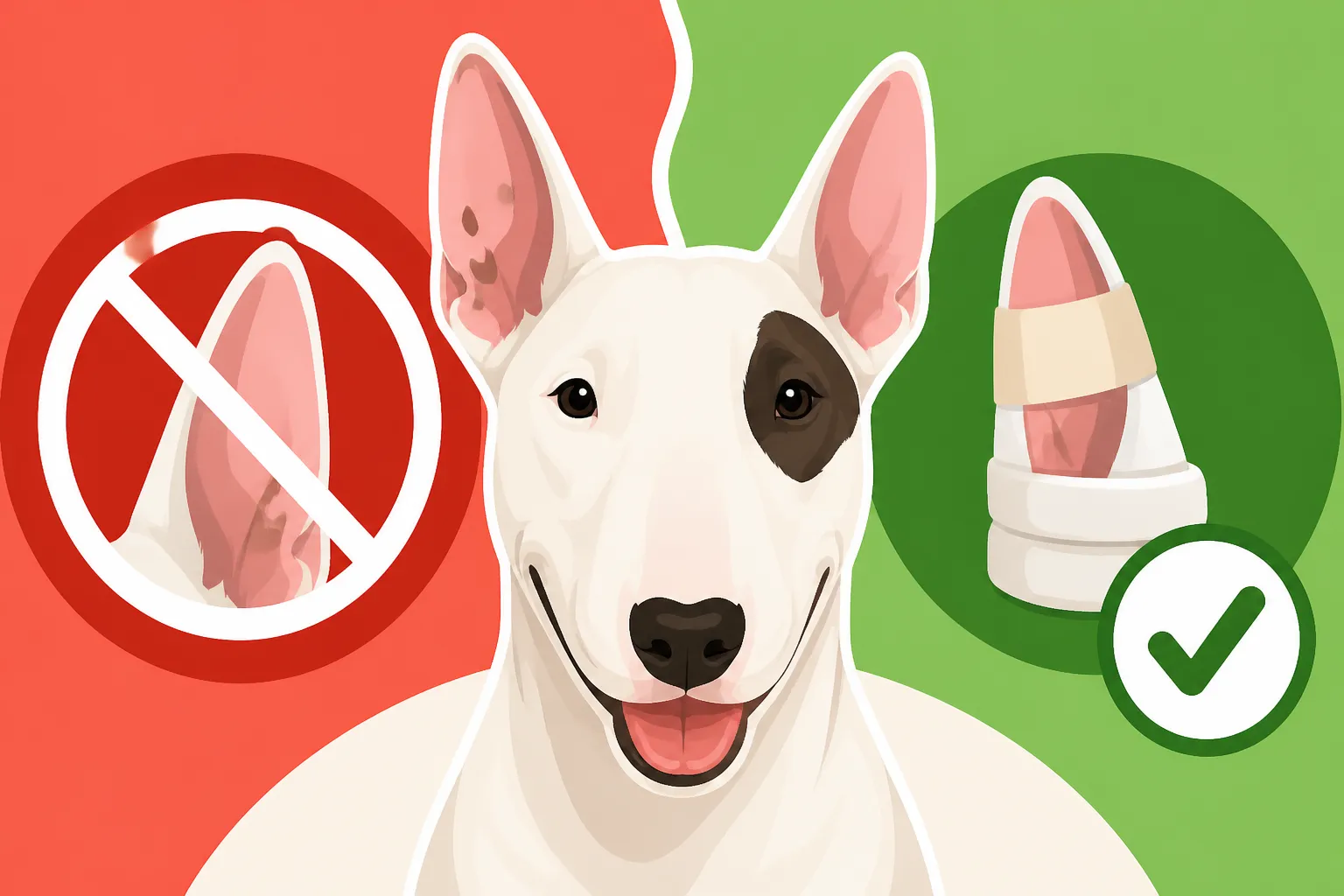
Given the natural process of ear development in Bull Terriers, the question inevitably arises: is ear taping necessary? The overwhelming consensus among veterinary professionals, ethical breeders, and welfare advocates is a resounding "no." For the vast majority of Bull Terriers, taping is neither necessary nor recommended.
Veterinary and Ethical Stances
From a veterinary perspective, ear taping for cosmetic reasons is generally not supported. Veterinarians are focused on the health and welfare of your pet, and taping offers no health benefits. In fact, it can introduce risks. The American Veterinary Medical Association (AVMA) and many other national and international veterinary bodies discourage cosmetic procedures like ear cropping and tail docking, and while taping is less invasive, it falls under the umbrella of altering a dog's natural appearance for non-medical reasons.
Ethical Bull Terrier breeders, those truly dedicated to the health and temperament of the breed, also largely oppose ear taping. Their focus is on breeding dogs with strong natural ear set, indicating good genetics and overall health. They understand that a puppy's ears will typically stand on their own if the genetics are sound and the puppy is well-nourished. Forcing ears to stand through artificial means can mask genetic predispositions for weak cartilage or other issues that should ideally be bred out of a line, not covered up. They encourage patience and natural development rather than intervention. When you adopt from a reputable breeder, you should be confident in their commitment to natural development and strong genetics.
Risks and Potential Harms
While ear taping might seem innocuous, it carries several potential risks and harms for your Bull Terrier puppy:
- Skin Irritation and Infection: The tape can cause skin irritation, redness, and itching, especially if applied too tightly or left on for too long. Moisture can get trapped underneath the tape, creating a warm, damp environment perfect for bacterial or fungal infections. Imagine having sticky tape on your skin for weeks – it’s not comfortable, and hygiene becomes a real challenge.
- Improper Blood Circulation: If the tape is applied too tightly around the ear, it can restrict blood flow, leading to tissue damage, necrosis, or even loss of parts of the ear. This is a serious risk that requires careful attention, and it's incredibly easy to misjudge the tension needed.
- Discomfort and Stress: Puppies are naturally curious and playful. Having their ears taped can be incredibly uncomfortable, restrictive, and stressful. They might try to paw at the tape, rub their ears on furniture, or show signs of distress. This can negatively impact their overall well-being and even their socialization during a critical developmental period.
- Damage to Cartilage: Paradoxically, poorly applied taping can actually damage the delicate ear cartilage, making it less likely for the ears to stand naturally in the long run. If the tape isn't positioned correctly, it can bend or crease the cartilage in an unnatural way, hindering proper development rather than helping it.
- Owner Error: Ear taping is a skill, and improper technique can lead to all the problems listed above. Unless you are a highly experienced professional, the chances of applying the tape correctly and safely are very low.
Considering these risks, it becomes clear that ear taping is not a benign procedure and should generally be avoided for Bull Terriers whose ears are simply going through a normal developmental stage.
Alternatives to Taping for Ear Strength
Instead of resorting to taping, there are far safer and more ethical ways to support your Bull Terrier's natural ear development:
- Patience: This is truly the number one alternative. Most Bull Terrier puppies' ears will stand on their own with time. Wait until your puppy is well past the teething phase (around 7-8 months) before you even begin to worry.
- Good Nutrition: A high-quality diet provides all the essential vitamins and minerals needed for strong bone and cartilage development. This is especially important during rapid growth phases. Ensure your puppy food is appropriate for their age and size. We'll discuss this more below.
- Avoid Excessive Handling: Resist the urge to constantly play with, massage, or bend your puppy's ears. Excessive handling can actually weaken the cartilage or interfere with its natural development. Let them be!
- Veterinary Consultation: If you are genuinely concerned about your Bull Terrier's ears once they are past the teething stage, consult your veterinarian. They can examine your puppy to rule out any underlying health issues that might be affecting cartilage development and offer professional advice. They might suggest a temporary supplement, but rarely taping.
- Socialization and Enrichment: Focus on your puppy’s overall health, training, and socialization. A happy, well-adjusted puppy with slightly floppy ears is infinitely better than a stressed puppy with perfectly erect ones. For more about their early development, read Why a Bull Terrier Puppy Should Grow Slowly.
Remember, your Bull Terrier's natural beauty shines through in its health, personality, and happy demeanor, not just in the perfect set of its ears.
Supporting Natural Ear Development Without Intervention
For most Bull Terrier owners, the best approach to ear development is a hands-off, patient one. Focusing on overall health and well-being will give your puppy the best chance for those ears to stand naturally.
Proper Nutrition for Cartilage Health
Nutrition plays a surprisingly significant role in the development of strong cartilage, which is what gives your Bull Terrier's ears their structure. During puppyhood, when bones and cartilage are rapidly forming, a balanced diet rich in appropriate nutrients is crucial.
First and foremost, feed a high-quality puppy food formulated for your puppy's size and breed. These foods are specifically designed to provide the right balance of calcium, phosphorus, and other essential vitamins and minerals necessary for healthy growth. Avoid over-supplementing with calcium, as too much can be just as detrimental as too little, leading to skeletal problems. Always consult your vet before adding any supplements. Brands like Ollie (though typically focused on fresh food for adults, they emphasize balanced nutrition that supports overall health) or high-quality kibbles available on Chewy can provide the foundational nutrition your puppy needs.
Some owners wonder about adding things like gelatin or cottage cheese, thinking they'll help ears stand. While these aren't inherently harmful in small amounts, they are generally unnecessary if your puppy is on a complete and balanced diet. If you’re truly concerned about specific nutritional deficiencies affecting ear strength, your veterinarian is the best person to consult. They can assess your puppy's diet and overall health. A healthy puppy, well-fed, is more likely to have strong, naturally standing ears. What an Adult Bull Terrier Should Weigh also touches on healthy growth, which is linked to good nutrition.
Gentle Massage and Handling
While "taping" is out, gentle, natural interactions can be perfectly fine, and even beneficial. You want to avoid any rough play or constant fiddling with your puppy's ears, but very light, circular massages at the base of the ear can sometimes stimulate blood flow and help strengthen the cartilage. Think of it more as a loving interaction than a therapeutic intervention.
When you're petting your Bull Terrier, simply let your fingers gently brush the ears. You might notice your puppy's ears perk up when they hear a sound, or when they're excited. This natural flexing and using of the ear muscles also contributes to their strength. The key is gentle and natural. You're not trying to force the ear into a certain position, but rather supporting its natural function and muscle development. If your puppy shows any discomfort, stop immediately. The goal is never to cause stress or pain.
Patience: The Most Important Tool
I cannot emphasize this enough: patience is your greatest ally when it comes to your Bull Terrier puppy's ears. It's so easy to get caught up in the desire for that "perfect" look, but growth takes time. As we discussed, the teething phase is a major factor, and ears can go up and down like a yo-yo during this period.
Many Bull Terriers have ears that don't fully stand until they are 6, 7, or even 8 months old. Some may even take a little longer. It's not a race, and every puppy develops at its own pace. Trust in good genetics (if you've chosen a reputable breeder) and good basic care. Provide a loving, stimulating environment, a quality diet, and plenty of exercise, and let nature do its work.
| Age Range (Approximate) | Ear Development Stage | Common Owner Reaction | Recommended Action |
|---|---|---|---|
| 8-12 Weeks | Usually floppy, starting to perk occasionally | "They're so cute and soft!" | Enjoy puppyhood, monitor, ensure good diet |
| 3-5 Months | Teething begins, ears may stand, flop, or be inconsistent | "Oh no, one ear is down again!" | Be patient, continue good nutrition |
| 5-7 Months | Teething continues/finishes, ears gradually firm up | "Will they ever stand all the way?" | Still be patient, avoid intervention |
| 7-9+ Months | Ears typically fully erect and strong | "Finally! They stood up on their own!" | Continue regular ear checks for health How Often a Bull Terrier's Ears Need Checking |
Even if one ear retains a slight tip or a quirky bend, it's part of your dog's unique charm and personality. Your Bull Terrier will still be a magnificent, loving companion, regardless of a perfectly erect ear set. Embrace their individuality, and focus on building a strong bond. You can find many products for overall canine health on platforms like Amazon, from high-quality food to enrichment toys, which will contribute far more to your dog's happiness than any cosmetic procedure.
Disclaimer
This article is for general informational purposes only and does not constitute professional advice. Laws, prices and regulations vary by location and change over time. Consult a qualified professional for guidance on your specific situation.