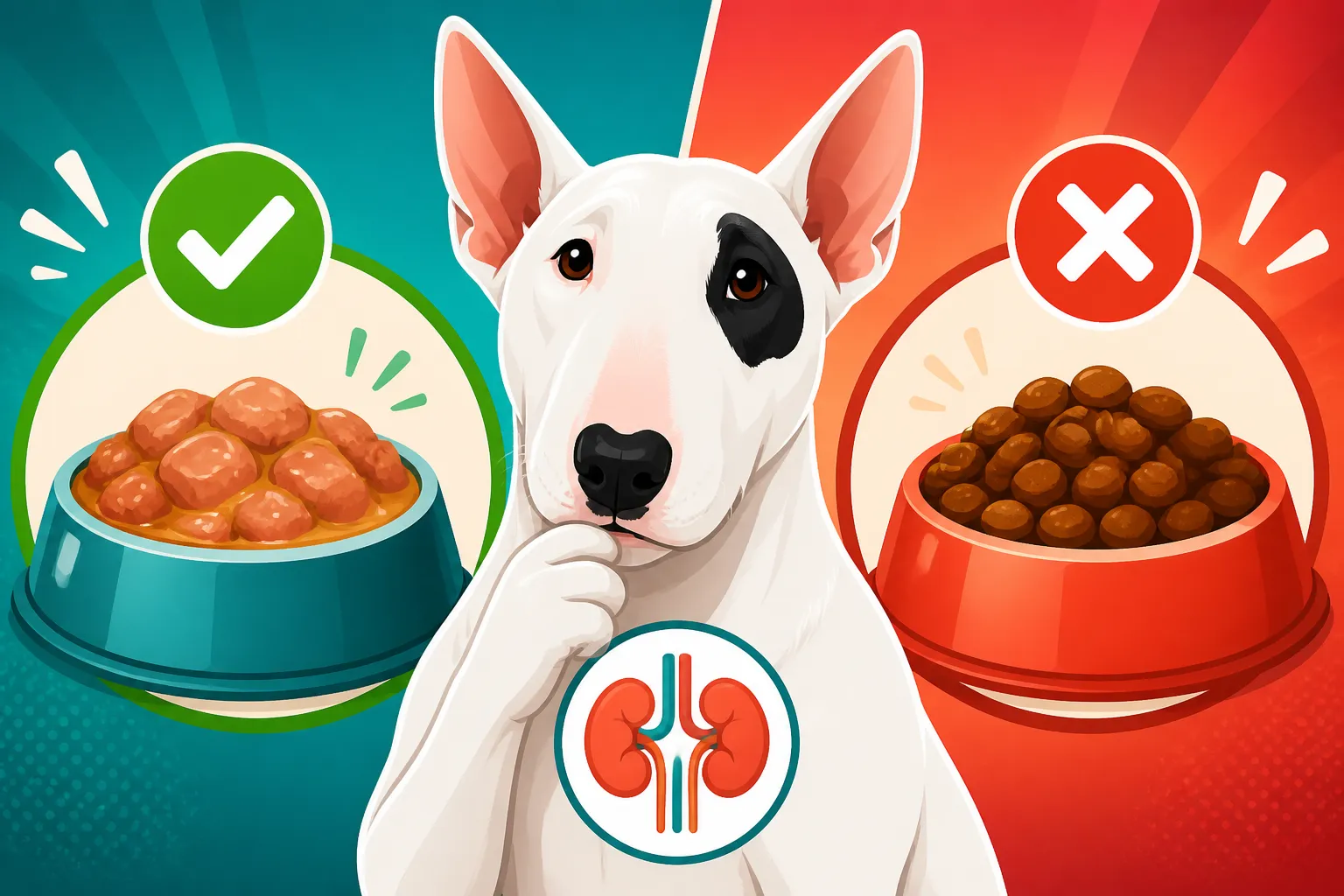
Whether a Bull Terrier With Kidney Disease Should Eat Wet Food
When your beloved Bull Terrier receives a diagnosis of kidney disease, it’s a devastating blow. Suddenly, you're faced with a mountain of information, confusing terminology, and the pressing question of how to give your dog the best possible quality of life. One of the biggest areas of concern, and often a source of real frustration for owners, is diet, specifically whether wet food is the right choice. It’s a common misconception that all kidney diets are dry, crunchy kibble, and many owners struggle with dogs who are picky eaters or losing their appetite. This guide aims to clear up the confusion surrounding wet food for Bull Terriers with kidney disease, exploring its benefits, challenges, and how to make the best decision for your unique dog.
Understanding Kidney Disease in Bull Terriers and Its Dietary Demands
Kidney disease, particularly hereditary nephritis, is a silent threat to our beloved Bull Terriers. It can creep up, causing subtle changes that are easy to miss until the disease has progressed significantly. Managing this condition effectively almost always revolves around a carefully controlled diet.
The Basics of Bull Terrier Kidney Health and Hereditary Nephritis
Our Bull Terriers, with their distinctive egg-shaped heads and mischievous personalities, are unfortunately predisposed to certain health issues, and kidney disease is high on that list. Specifically, we often hear about Hereditary Nephritis Takes Bull Terriers in Their Prime. This is a genetic condition where the kidneys, those vital organs responsible for filtering waste from the blood, begin to fail. They stop doing their job efficiently, leading to a build-up of toxins and imbalances in the body. It’s not just an old dog's ailment; it can affect Bull Terriers much younger than we’d ever expect, which is why regular screening, like The Yearly Urine Test Every Bull Terrier Owner Should Book, is so crucial. Early detection can make a world of difference in managing its progression. When kidney function declines, the body struggles with phosphorus, protein metabolism, and maintaining hydration, all of which dietary intervention seeks to address.
Why Diet Becomes So Critical for Failing Kidneys
Once a Bull Terrier's kidneys start to falter, their ability to process certain nutrients changes dramatically. The goal of a renal diet isn't to "cure" kidney disease, because unfortunately, that's rarely possible. Instead, it's about slowing down the progression of the disease and minimizing the symptoms that make our dogs feel unwell. A proper kidney diet aims to reduce the workload on the kidneys. This means carefully controlling phosphorus levels, as failing kidneys struggle to excrete it, leading to harmful mineral imbalances. Protein levels are also typically modified – not necessarily drastically reduced, but the quality of the protein becomes paramount. High-quality protein minimizes waste products that the kidneys have to filter, easing their burden. Beyond these, managing sodium and ensuring adequate hydration are also key components of a kidney-friendly diet. It’s a delicate balancing act, and getting it right can significantly impact your Bull Terrier's comfort and lifespan.
The Wet Food vs. Dry Food Debate for Renal Bull Terriers
When discussing diet for a Bull Terrier with kidney disease, the conversation invariably turns to wet versus dry food. Both have their proponents, and both come with distinct advantages and disadvantages that need careful consideration for a dog with compromised kidneys. There's no one-size-fits-all answer, and what works for one Bull Terrier might not be suitable for another.
The Hydration Advantage of Wet Food
One of the most significant benefits of feeding wet food to a Bull Terrier with kidney disease is its high moisture content. Dogs with kidney issues often struggle to stay adequately hydrated. Their damaged kidneys can't conserve water as effectively, leading to increased urination and a higher risk of dehydration. This constant battle with thirst and dehydration can make them feel sluggish and worsen their condition.
Think about it: dry kibble is typically around 10% moisture, while wet food can be as high as 75-85% moisture. When your Bull Terrier eats wet food, they are automatically taking in a substantial amount of water with every meal. This passive hydration can be a game-changer, helping to flush waste products through the kidneys more easily and supporting overall kidney function. It can also help dilute the urine, which is beneficial for kidney health. This extra fluid intake is often preferable to simply relying on your dog to drink enough water on their own, especially if they're not feeling well. You might find that your dog is already drinking more water than usual, a common sign that Signs a Bull Terrier's Kidneys Are Failing are an issue, but wet food provides hydration in a palatable form.
Palatability and Appetite Stimulation
Another huge challenge for Bull Terrier owners whose dogs have kidney disease is appetite. As kidney disease progresses, dogs often experience nausea, a reduced sense of smell, and a general loss of appetite. This can be incredibly frustrating and heartbreaking when you know your dog needs to eat to maintain strength and energy, but they just aren't interested in their food.
This is where wet food truly shines. Its higher moisture content often makes it more aromatic and flavorful than dry kibble, which can be a huge draw for a dog with a diminished appetite. The softer texture is also easier to chew and swallow, which can be a relief for older Bull Terriers or those with dental issues. Many owners find that their dogs are much more eager to eat a specially formulated wet renal diet than the dry equivalent. The strong smell of wet food can tempt even the pickiest eaters, making meal times less of a struggle and ensuring your Bull Terrier is getting the vital nutrition they need. Sometimes, just the act of eating something they enjoy can lift their spirits, making them feel a little more like their old selves.
Managing Phosphorus and Protein in Wet Food Formulations
While wet food offers great benefits in terms of hydration and palatability, it's crucial to understand how phosphorus and protein are managed within these formulations for kidney health. The perception that wet food is inherently "higher protein" or "higher phosphorus" isn't always accurate, especially when we're talking about prescription renal diets.
Specialized renal wet foods are specifically formulated to have controlled levels of phosphorus and high-quality, restricted protein. The manufacturers know exactly what they're doing when they create these diets. The key is to look for prescription renal diets from reputable brands. These diets are designed by veterinary nutritionists to provide the optimal balance of nutrients while minimizing the burden on compromised kidneys.
Here's a quick comparison of general wet vs. dry food characteristics for renal diets:
| Feature | General Wet Food (Renal) | General Dry Food (Renal) |
|---|---|---|
| Moisture Content | High (75-85%) | Low (8-12%) |
| Hydration | Excellent, aids kidney function | Requires consistent, separate water intake |
| Palatability | Often high, appealing aroma & texture | Can be less appealing to sick or picky dogs |
| Protein | Controlled, high-quality, restricted | Controlled, high-quality, restricted |
| Phosphorus | Carefully restricted | Carefully restricted |
| Cost | Generally higher per calorie | Generally lower per calorie |
| Storage | Needs refrigeration after opening | Shelf-stable once opened |
| Portion Control | Often easier with pre-measured cans/pouches | Requires accurate measurement |
It’s not simply about whether it’s wet or dry, but about the specific formulation tailored for kidney disease. If your Bull Terrier has an elevated What a UPC Ratio Tells a Bull Terrier Owner, for example, controlling protein and phosphorus is a paramount concern, regardless of food texture. Your vet will guide you to the right type of food.
Navigating Commercial Wet Renal Diets for Your Bull Terrier
Choosing the right diet for a Bull Terrier with kidney disease isn't something you should tackle alone. Your veterinarian is your most valuable resource here. They have access to specific prescription diets and can help you understand the nutritional science behind them.
Prescription Renal Diets: Why They're Often Best
When your Bull Terrier is diagnosed with kidney disease, your vet will almost certainly recommend a prescription renal diet. These aren't just "special" foods; they are therapeutic diets, meaning they are formulated to manage a specific medical condition. For kidney disease, this means very precise control over phosphorus, sodium, and protein levels, often with added omega-3 fatty acids and antioxidants to support kidney health.
These diets undergo rigorous testing and are proven to help slow the progression of kidney disease and improve the quality of life for affected dogs. While it might be tempting to try over-the-counter "kidney support" foods or home-cooked meals, these options often don't provide the exacting nutritional balance that a prescription diet does. Over-the-counter foods might have some beneficial ingredients, but they rarely have the strict phosphorus restriction and appropriate protein quality/quantity that truly failing kidneys require. Your vet can provide prescriptions for these specialized foods, which you can often order conveniently online from retailers like Chewy, ensuring regular delivery right to your door.
Reading Labels and Understanding Key Ingredients
Even within the realm of prescription renal diets, reading labels is important, especially if your Bull Terrier has other sensitivities or allergies. While the overall goal of reduced phosphorus and controlled, high-quality protein remains, ingredients can vary.
When you look at a label, don't just focus on the crude protein percentage. For a kidney diet, the source and quality of that protein matter immensely. Highly digestible animal proteins like chicken, turkey, or egg are often preferred because they produce fewer waste products for the kidneys to filter. Pay close attention to phosphorus levels, which should be significantly lower than in maintenance adult dog foods. Also, note sodium content, as reduced sodium can help manage blood pressure, which is often elevated in kidney disease. Look for added omega-3 fatty acids (like EPA and DHA, often from fish oil) and B vitamins. B vitamins are water-soluble and can be depleted more quickly in dogs with kidney disease due to increased urination. Always remember that percentage on a label can be misleading without understanding the "dry matter basis," so it’s best to discuss specific nutrient profiles with your vet or a veterinary nutritionist.
Homemade vs. Commercial: The Practicalities
Some owners, driven by a desire to provide the absolute best for their ailing Bull Terrier, consider preparing homemade meals. While the intention is noble, this path comes with significant challenges, especially for kidney disease. Crafting a truly nutritionally complete and balanced renal diet at home is incredibly difficult. It requires precise measurements of ingredients, supplements, and vitamins to meet the exact, altered needs of a dog with kidney failure without causing further harm. An imbalance in calcium or phosphorus, or an inappropriate protein level, can quickly exacerbate kidney issues.
Unless you are working directly with a board-certified veterinary nutritionist who can formulate a specific, balanced recipe for your Bull Terrier, sticking to commercial prescription renal diets is almost always the safer and more effective choice. These diets have been scientifically developed and tested to ensure they provide everything your dog needs and nothing they don't, in the correct proportions. Trying to wing it with homemade food can lead to deficiencies or excesses that could accelerate kidney decline. While you might supplement with a small amount of vet-approved lean meat or specific vegetables as treats, the bulk of their diet should be the prescribed commercial food. This ensures your Bull Terrier receives Which Diet a Bull Terrier With Kidney Disease Needs without guesswork.
Practical Tips for Feeding a Bull Terrier with Kidney Disease
Feeding a Bull Terrier with kidney disease often means adapting your routine and being highly observant. It’s not just about what they eat, but how they eat and how they respond to it. This takes patience, consistency, and a close working relationship with your veterinary team.
Transitioning Your Bull Terrier to a New Diet
Bull Terriers can be notoriously stubborn, especially when it comes to their food! Changing their diet, even for their own good, can be a battle. It’s vital to transition them slowly to any new renal diet, whether it's wet or dry. A rapid change can cause digestive upset, which is the last thing you need when managing kidney disease.
Start by mixing a small amount of the new renal food with their old food, gradually increasing the proportion of the new food over 7 to 10 days. For some particularly finicky Bull Terriers, this might even take longer. If you’re introducing a wet food, try warming it slightly to enhance its aroma. If they’re resistant, try offering very small, frequent meals throughout the day rather than two large ones. Sometimes, sprinkling a tiny bit of a highly palatable, low-phosphorus treat or a kidney-friendly broth (check with your vet first!) on top can entice them. Remember, consistency is key, but so is not forcing them. The goal is for them to eat, and sometimes that means a slower transition than you'd prefer. You might even find some specialized bowls on Amazon that can help with slow feeding if that's an issue for your fast eater.
Monitoring and Adjusting the Diet
Once your Bull Terrier is on a renal diet, your job isn't over. You need to become a keen observer of their health, appetite, and habits. Keep a close eye on their weight; unintended weight loss is a serious concern with kidney disease. Monitor their energy levels, thirst, and urination frequency. Are they drinking How Much Water a Bull Terrier Should Drink? A sudden decrease in appetite or increased vomiting could signal that the disease is progressing or that the diet isn't quite right.
Regular follow-up appointments with your vet are essential. They will perform blood tests and urine analyses to assess kidney function and adjust the diet as needed. What a Bull Terrier's UPC Test Costs will be a regular part of this, as will monitoring blood pressure. Your vet might suggest slight modifications, such as adding specific supplements (only with vet approval!) or tweaking the portion sizes. Remember that kidney disease is progressive, and the dietary needs of your Bull Terrier may change over time. What works today might need adjustment six months down the line.
When to Consult Your Vet and a Veterinary Nutritionist
Your general practice veterinarian is your first and most important point of contact for managing your Bull Terrier's kidney disease. They will diagnose the condition, prescribe the appropriate renal diet, and monitor your dog's progress. However, there are times when consulting with a board-certified veterinary nutritionist can be invaluable.
If your Bull Terrier is refusing all commercial renal diets, has other concurrent health issues (like diabetes, pancreatitis, or severe allergies) that complicate dietary management, or if you are insistent on pursuing a home-cooked diet, then a veterinary nutritionist is the specialist to see. They have advanced training in animal nutrition and can formulate a precise, balanced diet tailored to your Bull Terrier's individual needs, taking into account all their health conditions. They can also help troubleshoot feeding issues and offer creative solutions for picky eaters. Don't hesitate to ask your vet for a referral if you feel your Bull Terrier's dietary challenges require a more specialized approach. Their expertise can truly make a difference in your Bull Terrier's fight against kidney disease. This is particularly important if you're dealing with a senior Bull Terrier who might be losing muscle mass or having difficulty chewing, as Whether an Aging Bull Terrier Needs Softer Food becomes a very real concern.
Disclaimer
This article is for general informational purposes only and does not constitute professional advice. Laws, prices and regulations vary by location and change over time. Consult a qualified professional for guidance on your specific situation.