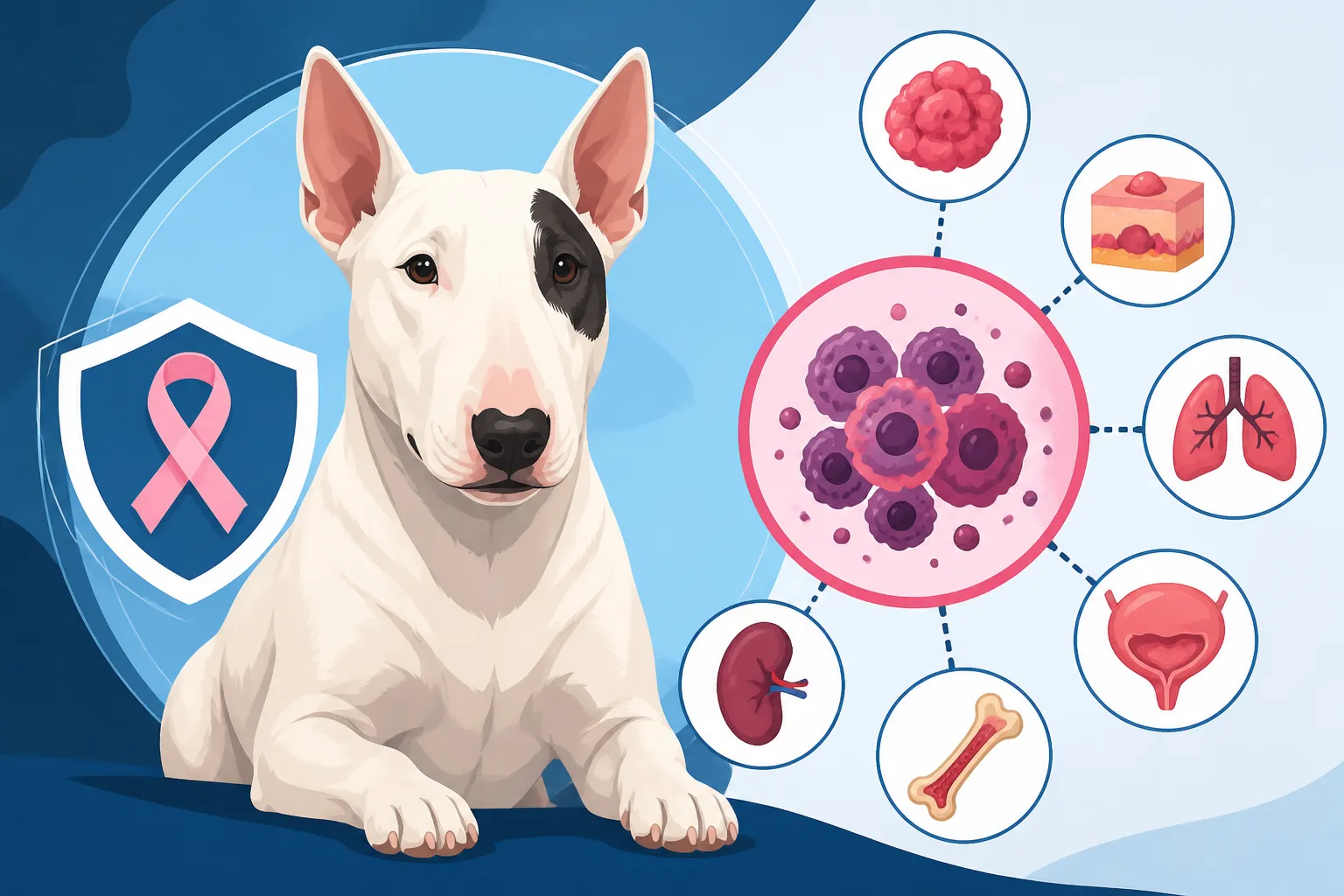
Which Cancers a Bull Terrier Gets
It’s truly devastating, isn't it? That moment you discover a lump, or notice your beloved Bull Terrier just isn't quite themselves, and your mind immediately races to the dreaded "C" word. The thought of cancer striking our robust, clownish companions is a fear many Bull Terrier owners live with, especially as our dogs age. This guide aims to shed some light on the specific types of cancer Bull Terriers are unfortunately prone to, equipping you with knowledge to be vigilant and proactive for your loyal friend.
Bull Terriers and Their Unique Cancer Risks
Just like with humans, cancer is a complex disease in dogs, often influenced by a mix of genetics, environmental factors, and simply the lottery of aging. While Bull Terriers are known for their lively spirit and generally hearty constitution, they aren't immune to certain health challenges, and sadly, cancer is one of them. Understanding why our specific breed might be at risk can empower us to be more observant and work closely with our vets.
Bull Terriers, much like many purebred dogs, can carry genetic predispositions to certain diseases. While extensive breed-specific cancer studies for Bull Terriers are ongoing, anecdotal evidence and veterinary observations point to some cancers appearing more frequently in the breed or requiring specific consideration due to their unique physiology. For instance, the very characteristics that make them unique—their dense, short coats and often pink skin (especially in white Bull Terriers)—can play a role in how certain cancers manifest or are perceived. Their resilient nature can sometimes mask early symptoms, making proactive health checks even more crucial as they get older, typically as they enter their senior years, which for a Bull Terrier often starts around eight years old. For more on this, you might find insight in our article, Caring for a Bull Terrier Past Eight.
Specific Cancers Commonly Seen in Bull Terriers
When we talk about cancer in Bull Terriers, we’re often looking at a few types that tend to pop up more frequently or present particular challenges for the breed. These aren't exclusive to Bull Terriers, of course, but knowing what to be on the lookout for can make a real difference in early detection and treatment success.
Lymphoma
Lymphoma is a cancer of the lymphocytes, a type of white blood cell crucial to the immune system. It can affect various organs, but it's most commonly seen in the lymph nodes, spleen, and liver. In Bull Terriers, owners often first notice enlarged lymph nodes, which feel like firm, non-painful lumps, particularly under the jaw, in front of the shoulders, or behind the knees. Other signs can be vague, including lethargy, weight loss, decreased appetite, or increased thirst.
This is a serious but often treatable cancer. Diagnosis typically involves a fine needle aspirate (FNA) or biopsy of the affected lymph node. Treatment often involves chemotherapy, and while it's rarely a cure, it can lead to significant periods of remission and improved quality of life. The prognosis can vary greatly depending on the specific type of lymphoma and how far it has progressed, but many dogs can live comfortably for months to years with proper management.
Mast Cell Tumors
Mast cell tumors are one of the most common skin tumors in dogs, and Bull Terriers are certainly not immune. These tumors can range from benign to highly aggressive. They can appear anywhere on or under the skin, or internally in organs like the spleen, lymph nodes, or bone marrow. On the skin, they might look like a raised bump, a wart-like growth, or even just an irritated red patch. They can sometimes change size, appearing to swell and then shrink, a phenomenon known as Darier's sign.
Because of their varied appearance and potential for aggressiveness, any new lump or bump on your Bull Terrier should be checked by a vet promptly. A simple FNA can often determine if it's a mast cell tumor. The grade of the tumor (how aggressive it is) will dictate the treatment plan, which can involve surgical removal, radiation therapy, chemotherapy, or a combination. Early and complete surgical removal of low-grade tumors can be curative, but higher-grade or internal tumors require a more aggressive approach.
Osteosarcoma
Osteosarcoma is a highly aggressive bone cancer that sadly impacts larger breeds more frequently, and Bull Terriers, with their sturdy build, can be susceptible. It typically affects the long bones of the limbs, often near the shoulder, knee, or wrist. The hallmark symptom is persistent lameness, swelling, or pain in the affected limb, which often gets worse over time and doesn't respond to pain medication or rest. Sometimes, the first sign is a pathological fracture, where the weakened bone breaks with minimal trauma.
This cancer is devastating due to its aggressive nature and tendency to metastasize (spread) quickly to other parts of the body, particularly the lungs. Diagnosis involves X-rays, followed by a biopsy to confirm. Treatment usually involves amputation of the affected limb to alleviate pain, often combined with chemotherapy to slow the spread of the disease. While the prognosis is often guarded, these treatments can significantly improve quality of life and extend survival time.
Hemangiosarcoma
Hemangiosarcoma is a particularly insidious cancer because it arises from the cells that line blood vessels, meaning it can develop anywhere in the body. However, it's most commonly found in the spleen, heart, and liver. This cancer grows silently, often without noticeable symptoms until it reaches a critical stage, such as when a tumor ruptures and causes internal bleeding. Symptoms can appear suddenly and dramatically, including weakness, collapse, pale gums, a distended abdomen (due to internal bleeding), and difficulty breathing.
Because it often strikes without warning, it's one of the most feared cancers. Many owners don't realize their dog has it until they're rushed to an emergency vet. Diagnosis typically involves ultrasound, X-rays, and blood work. Treatment is challenging and often involves emergency surgery to remove a ruptured spleen or tumor, followed by chemotherapy. The prognosis is generally poor due to the aggressive nature and high metastatic rate, but early detection, however rare, can offer a better chance.
Skin Cancers
Beyond mast cell tumors, Bull Terriers, especially white ones, can be prone to other types of skin cancers due to their delicate skin and lack of protective pigment. Just as with people, prolonged sun exposure is a significant risk factor. Our white Bull Terriers, with their often pink skin showing through their short, sparse coat, can sunburn remarkably quickly, even on cloudy days. You can learn more about how to protect them in Sunburn on a White Bull Terrier.
- Squamous Cell Carcinoma (SCC): This is a locally invasive malignant tumor often linked to sun exposure. It typically appears on areas with less hair, like the nose, ear tips, eyelids, and belly. SCC can look like a non-healing sore, a red, crusty lesion, or a raised, irregular growth. Early and complete surgical removal is the treatment of choice, and if caught early, the prognosis can be good.
- Basal Cell Tumors: While many basal cell tumors in dogs are benign, they can occasionally be malignant. They usually appear as firm, solitary nodules on the head, neck, or trunk. Surgical removal is generally curative for benign forms.
- Melanoma: While melanomas can be benign, malignant melanomas are aggressive. They often appear as dark, pigmented masses, though they can also be non-pigmented. They are commonly found in the mouth (oral melanoma), on the toes (digit melanoma), or on the skin. Oral and digit melanomas are particularly aggressive and require prompt, often extensive, treatment.
| Cancer Type | Common Location | Key Symptoms |
|---|---|---|
| Lymphoma | Lymph nodes (neck, armpits, groin), spleen | Enlarged, firm, non-painful lymph nodes; lethargy, weight loss, decreased appetite |
| Mast Cell Tumors | Skin, internal organs (spleen, lymph nodes) | Varied skin lumps (can change size), red patches; internal can cause vague illness |
| Osteosarcoma | Long bones (legs) | Persistent lameness, swelling, pain in limb; pathological fractures |
| Hemangiosarcoma | Spleen, heart, liver | Sudden weakness, collapse, pale gums, distended abdomen, difficulty breathing |
| Squamous Cell Carcinoma | Sun-exposed skin (nose, ears, belly) | Non-healing sores, red/crusty lesions, raised growths |
Early Detection, Diagnosis, and Treatment Paths
The single most important thing you can do for your Bull Terrier when it comes to cancer is to be observant and proactive. Early detection truly saves lives and drastically improves outcomes for many types of cancer. This isn't just about finding lumps; it's about noticing subtle changes in their behavior, energy, or eating habits.
Recognizing the Subtle Signs
Bull Terriers are famously stoic and have a high pain tolerance, which means they can sometimes mask symptoms until a disease is quite advanced. This makes you, the owner, their first line of defense. Here's what to keep an eye out for:
- New Lumps or Bumps: Any new growth, no matter how small, should be examined by your vet. Don't assume it's "just a fatty tumor." Take note of its size, location, and how quickly it appeared.
- Changes in Weight or Appetite: Unexplained weight loss, a sudden disinterest in food, or picky eating can be red flags. Conversely, a rapidly expanding belly could indicate an internal issue.
- Lethargy or Decreased Stamina: Is your usually energetic Bull Terrier less enthusiastic about walks or playtime? Are they sleeping more? A general decrease in energy levels or reluctance to move could be a sign of discomfort or illness.
- Persistent Lameness or Swelling: As seen with osteosarcoma, unexplained or persistent lameness, swelling of a limb or joint, or limping can indicate bone cancer or other issues.
- Changes in Bathroom Habits: Difficulty urinating or defecating, changes in urine color, or persistent diarrhea could point to internal tumors. Our article on The Yearly Urine Test Every Bull Terrier Owner Should Book highlights how important routine checks are.
- Sores That Don't Heal: Any wound or skin irritation that doesn't improve within a week or two should be evaluated, especially on sun-exposed areas. For more general information about their skin, consider reading A Bull Terrier's Skin Is Its Weakest Point.
- Bad Breath or Oral Changes: While bad breath is common, unusual growths in the mouth, bleeding gums, or difficulty chewing could signal oral cancers like melanoma.
The Diagnostic Journey
If you notice any concerning signs, the absolute best course of action is to schedule a vet visit immediately. Your vet will start with a thorough physical examination. Depending on what they find, they might recommend:
- Fine Needle Aspirate (FNA): For lumps, this quick procedure collects cells with a small needle, which are then examined under a microscope. It’s often the first step in identifying mast cell tumors or lymphoma.
- Biopsy: A small tissue sample is surgically removed and sent to a lab for definitive diagnosis, grading, and staging of the cancer.
- Blood Work and Urinalysis: These tests can reveal abnormalities in organ function or blood cell counts, which can be indicators of internal disease or help assess overall health before treatment.
- Imaging (X-rays, Ultrasound, MRI/CT Scans): X-rays can detect bone tumors (like osteosarcoma) or chest metastases. Ultrasound can visualize internal organs like the spleen, liver, and heart, critical for diagnosing conditions like hemangiosarcoma or internal lymphoma. More advanced imaging like MRI or CT scans may be used for detailed views of specific areas or to check for spread.
Getting a diagnosis can be emotionally draining, and the financial aspect can be overwhelming. Veterinary care, especially for cancer, can be very expensive. This is where pet insurance providers like Healthy Paws can be a lifesaver, helping to cover a significant portion of diagnostic tests, treatments, and ongoing care, allowing you to focus on your Bull Terrier's health rather than the mounting bills.
Navigating Treatment Options
Once a diagnosis is confirmed, your vet will discuss treatment options. These vary greatly depending on the type of cancer, its stage, and your Bull Terrier's overall health. Common treatments include:
- Surgery: Often the first line of defense, especially for solid tumors like mast cell tumors or some skin cancers. The goal is to remove the entire tumor with clean margins.
- Chemotherapy: Used to kill cancer cells throughout the body, often after surgery to prevent recurrence or for systemic cancers like lymphoma. It's important to remember that chemo in dogs is usually aimed at improving quality of life, not causing the harsh side effects often seen in humans.
- Radiation Therapy: Targets localized tumors with high-energy beams to destroy cancer cells, often used when surgery isn't possible or for incomplete surgical margins.
- Palliative Care: For advanced or untreatable cancers, the focus shifts to managing pain and symptoms to ensure your Bull Terrier remains comfortable and has the best possible quality of life. This can include pain medications, anti-inflammatory drugs, and supportive care.
Working with a veterinary oncologist can provide access to the latest treatments and clinical trials. They are specialists who can tailor the most effective and humane treatment plan for your Bull Terrier.
Living with a Cancer Diagnosis: Support and Quality of Life
Receiving a cancer diagnosis for your Bull Terrier is an incredibly tough moment. It’s natural to feel overwhelmed, sad, and even scared. But remember, a diagnosis is not an immediate death sentence. Many dogs can live full, happy lives for a significant period after diagnosis, especially with advancements in veterinary oncology. The key is to focus on quality of life and making informed decisions with your veterinary team.
Prioritizing Your Bull Terrier's Comfort
After diagnosis and during treatment, monitoring your Bull Terrier's comfort and happiness becomes paramount. This means closely observing their daily behavior, appetite, energy levels, and any signs of pain. Your vet will guide you on appropriate pain management and supportive care. Sometimes, even with active treatment, you'll need to make tough decisions about when to stop treatment and transition solely to palliative care. This is a deeply personal choice that weighs the benefits of treatment against the potential discomfort or decline in quality of life.
Maintaining a normal routine as much as possible, providing favorite toys (maybe some of those indestructible ones discussed in Which Toys Survive a Bull Terrier), engaging in gentle walks, and offering delicious, easy-to-eat meals can all contribute to their well-being. The emotional bond you share with your Bull Terrier is a powerful healing force, and simply being there, offering comfort and affection, makes a huge difference.
The Emotional and Financial Toll on Owners
Let's be real: caring for a dog with cancer is not only emotionally taxing but also financially demanding. The costs can quickly add up, from initial diagnostics to ongoing treatments, medications, and special diets. This is where having pet insurance can truly alleviate a massive burden. Many Bull Terrier owners find that policies from companies like Healthy Paws, when started before a diagnosis, cover a significant portion of these unexpected and often high expenses, freeing you to make medical decisions based on what's best for your Bull Terrier, not your bank account.
It's okay to lean on your support system—friends, family, and even online communities of Bull Terrier owners who have been through similar experiences. Grief, worry, and exhaustion are normal responses. Be kind to yourself through this process. Remember the happy times, celebrate every good day, and know that you are doing everything you can to give your Bull Terrier the best possible life, no matter how long that may be.
Disclaimer
The information provided in this guide is intended for educational purposes only and should not be considered a substitute for professional veterinary advice. Always consult with a qualified veterinarian for any health concerns or before making any decisions about your Bull Terrier's medical care.