How Much Water a Bull Terrier Should Drink
It’s a common worry for Bull Terrier owners: is your beloved blockhead drinking enough water? Or perhaps, too much? You see them gulping it down after a crazy zoomie session, or maybe you notice their bowl seems to stay full for a little too long, and a quiet panic can set in. Hydration is absolutely critical for our Bull Terriers' health, impacting everything from their kidney function to their energy levels, and understanding what's "normal" for your unique dog can feel like a guessing game. This guide will walk you through how much water your Bull Terrier should be drinking, what factors might change that, and how to spot potential problems, so you can feel confident in their daily care.
Understanding Your Bull Terrier's Baseline Water Needs
Every dog is an individual, and that's especially true for our quirky Bull Terriers, but there's a general guideline that can help you establish a baseline for your own pup. Knowing this starting point will make it easier to notice when something's off, giving you peace of mind and helping you provide the best care.
The General Rule of Thumb for Dogs
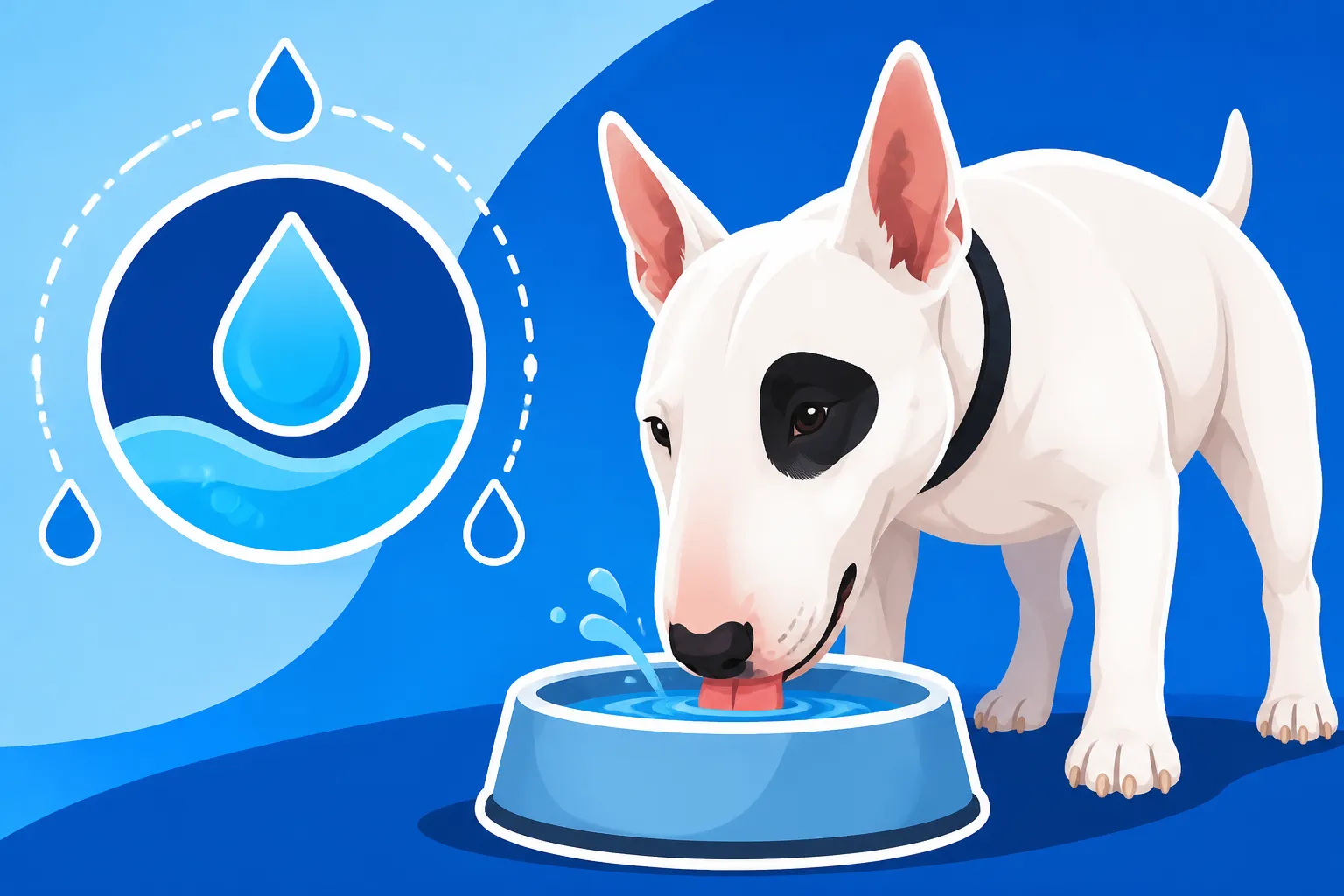
For most adult dogs, the common guideline is that they should drink approximately 0.5 to 1 ounce of water per pound of body weight per day. So, if your Bull Terrier weighs a healthy 50 pounds, they should ideally be consuming somewhere between 25 to 50 ounces of water daily. This isn't a hard and fast rule, but it gives you a good ballpark figure to start from. Think about it in terms of cups: 8 ounces is one cup. So, a 50-pound Bull Terrier might need anywhere from three to six cups of water a day.
It's a wide range, isn't it? And that's because many factors play into a dog's individual hydration needs. Don't immediately panic if your Bull Terrier isn't hitting the upper end of that scale, especially if they seem otherwise healthy and active. This rule is more a starting point for observation rather than a rigid target. What's most important is consistency for your dog and being able to spot significant deviations.
How a Bull Terrier's Build and Activity Level Affects This
Bull Terriers are robust, muscular dogs with a surprising amount of energy, even if they sometimes prefer to be couch potatoes. Their dense build means they carry a good amount of weight, which naturally puts them towards the higher end of that per-pound water intake guideline compared to a very lean dog of the same weight. If your Bull Terrier is a true athlete, loving long walks, runs, or vigorous play sessions at the park, their water needs will surge.
Imagine a Sunday afternoon: one Bull Terrier might be curled up, snoring lightly on the sofa, having just enjoyed a leisurely stroll around the block. That dog will likely drink less than a Bull Terrier who has just spent an hour at the dog park, chasing balls and wrestling with buddies. The active dog's body temperature will be higher, and they'll be panting more, both of which increase fluid loss. It's not just about the breed; it's about the individual Bull Terrier's lifestyle.
Puppy vs. Adult vs. Senior Bull Terrier Water Requirements
Just like humans, a Bull Terrier's hydration needs shift throughout their life stages. A tiny Bull Terrier puppy, with its rapidly growing body and often higher metabolism, generally needs to drink more water relative to its body weight than an adult. They're also often more prone to dehydration if they aren't drinking regularly, so always keep fresh water accessible. Their little bodies can't regulate fluid as efficiently as an adult's.
As they mature into adulthood, their intake tends to stabilize. You'll likely see a consistent pattern emerge. Then, when your Bull Terrier moves into its golden years, typically around eight years old, their water needs might change again. Some senior Bull Terriers might drink less if their activity levels decrease, but others might start drinking more due to age-related health issues, especially kidney concerns. It's why Caring for an Old Bull Terrier means paying close attention to these subtle shifts. What Changes in an Aging Bull Terrier often includes changes in thirst, and these shouldn't be ignored.
Factors That Influence a Bull Terrier's Water Intake
The amount of water your Bull Terrier drinks isn't static; it's a dynamic number influenced by a multitude of daily factors. Understanding these variables can help you interpret their drinking habits and ensure they stay properly hydrated.
Environmental Conditions: Heat, Humidity, and Exercise
This is probably the most obvious factor. On a scorching summer day in, say, Phoenix, Arizona, a Bull Terrier is going to drink significantly more water than the same dog curled up by the fire during a snowy winter in Flagstaff. High temperatures and humidity directly increase a dog's need for hydration as they pant more to cool down, losing moisture through respiration. Exercise compounds this effect. A brisk walk or a vigorous play session in warm weather will make your Bull Terrier much thirstier.
Think about taking your Bull Terrier for a run in the park on a warm afternoon. They're expending energy, their body temperature is rising, and they're panting to regulate it. All of this leads to increased water loss. It's crucial to always carry water for them on walks, especially when it's warm, and to offer it frequently. Never underestimate How Well a Bull Terrier Handles Heat – they are prone to overheating. If you notice signs like excessive panting, lethargy, or stumbling, these are serious Signs a Bull Terrier Is Overheating and mean you need to get them cool and hydrated immediately.
Diet: Dry Kibble vs. Wet Food vs. Raw
What you feed your Bull Terrier plays a massive role in their daily water consumption. Dogs fed exclusively on dry kibble will naturally drink more water because their food contains very little moisture. A typical dry kibble might be only 10% water. This means they need to make up the vast majority of their fluid intake from their water bowl.
On the flip side, if your Bull Terrier eats a diet of wet food, canned food, or a raw diet, they'll likely drink less from their bowl. These food types can contain 70-80% moisture, meaning a significant portion of their daily hydration needs are met through their meals. For example, a Bull Terrier eating a high-quality wet food from a brand like Ollie might get a good chunk of its daily water simply by eating. This isn't a bad thing at all; it just means their bowl might not empty as quickly, and that's perfectly normal for their diet. When considering How Much an Adult Bull Terrier Eats, remember the moisture content of that food.
Health Conditions and Medications That Increase Thirst
Sometimes, an increase in thirst isn't just about the weather or exercise; it can be a red flag for an underlying health issue. Conditions like kidney disease, diabetes, Cushing's disease, or even certain infections can cause a noticeable increase in water intake. If you suddenly notice your Bull Terrier drinking excessively – much more than their usual amount, and beyond what weather or activity would explain – it's definitely time for a vet visit. This is one of the most common Signs a Bull Terrier Is Drinking More Than It Used To.
Certain medications can also lead to increased thirst as a side effect. Steroids, for example, are known to make dogs drink and urinate more frequently. If your Bull Terrier is on new medication and suddenly seems to be guzzling water, check with your veterinarian. They can confirm if it's a normal side effect or if something else needs investigating. Paying attention to these changes is critical for your Bull Terrier's long-term well-being, especially when you're already keeping up with The Yearly Urine Test Every Bull Terrier Owner Should Book.
| Factor | Effect on Water Intake | Typical Scenario |
|---|---|---|
| Activity Level | Increases | After a long game of fetch in the park, your Bull Terrier gulps water. |
| Environmental Heat | Increases | During summer, their bowl needs refilling more often. |
| High Humidity | Increases | They pant more to cool off, losing more moisture. |
| Dry Kibble Diet | Increases | They rely almost entirely on the water bowl for hydration. |
| Wet/Raw Food Diet | Decreases | Much of their daily water comes from their food, so they drink less. |
| Illness (e.g., Kidney) | Increases | Sudden, unexplained excessive thirst could indicate a health issue. |
| Medication (e.g., Steroids) | Increases | Recently prescribed meds may cause them to drink more. |
Recognizing Signs of Dehydration and Overhydration
Being able to quickly identify the signs of both dehydration and the less common but equally serious overhydration can be life-saving. Our Bull Terriers are masters of hiding discomfort, so knowing what to look for is paramount.
What Dehydration Looks Like in a Bull Terrier
Dehydration can creep up on a Bull Terrier, especially after intense exercise or in hot weather if they don't have constant access to fresh water. Early signs might be subtle, but as it progresses, they become more apparent. One of the first things to check is their skin elasticity. Gently pinch a fold of skin on their neck or back. In a well-hydrated dog, it should spring back immediately. If it's slow to return or stays tented, that's a sign of dehydration.
Another key indicator is their gums. Healthy gums are pink and moist. If your Bull Terrier is dehydrated, their gums might appear pale or tacky and dry to the touch. You can also check their capillary refill time: press your finger gently on their gum until it turns white, then release. It should return to pink within 1-2 seconds. A longer refill time suggests dehydration. Sunken eyes, lethargy, loss of appetite, and thick, ropey saliva are also serious Signs a Bull Terrier's Kidneys Are Failing (though dehydration itself can cause these symptoms temporarily, regardless of kidney status). If you notice these symptoms, even if mild, offer small amounts of water frequently and contact your vet.
The Dangers of Overhydration (Water Intoxication)
While much less common than dehydration, overhydration, also known as water intoxication, is a dangerous condition that can occur when a dog drinks an excessive amount of water too quickly, particularly during intense play sessions involving water (like fetching in a lake). This dilutes the electrolytes in their body, especially sodium, leading to a dangerous imbalance. The cells in their body, including brain cells, absorb too much water and swell.
Signs of water intoxication can include bloating, vomiting, lethargy, loss of coordination, dilated pupils, glazed eyes, and in severe cases, seizures, coma, and even death. It’s a terrifying situation, and it can happen surprisingly fast. While a Bull Terrier isn't typically known for its swimming prowess (most of them sink like a stone!), vigorous play with a hose or a sprinkler, or enthusiastic lapping at a kiddie pool, could potentially lead to this. If your Bull Terrier exhibits any of these symptoms after a water-heavy play session, it's an emergency, and you need to get them to the vet immediately.
When to Seek Veterinary Advice
As a general rule, any sudden, drastic change in your Bull Terrier's water consumption warrants a call to your veterinarian. If your normally moderate drinker suddenly seems to be draining their bowl every hour, or conversely, refusing to drink at all for an extended period (more than 12-24 hours), don't hesitate. This also applies if you notice any of the more severe signs of dehydration or overhydration mentioned above.
Your vet will likely perform a thorough physical exam and recommend blood tests and a urinalysis. These tests can reveal underlying health conditions like kidney disease (which is, sadly, a concern for Bull Terriers, and something you keep an eye on with How Often a Bull Terrier's Urine Should Be Tested), diabetes, or electrolyte imbalances. Early detection of these conditions can make a significant difference in management and prognosis. Don't try to self-diagnose; a professional opinion is always best when it comes to your Bull Terrier's health.
Encouraging Healthy Hydration Habits for Your Bull Terrier
Ensuring your Bull Terrier gets enough fresh water isn't just about filling their bowl; it's about making water appealing and accessible, and monitoring their intake regularly. With a little effort, you can make healthy hydration a seamless part of their daily routine.
Choosing the Right Water Bowls and Placement
The type and placement of your Bull Terrier's water bowl can make a surprising difference. Start with bowls that are appropriately sized and sturdy. Many Bull Terriers, with their powerful jaws and sometimes clumsy enthusiasm, can easily tip over lightweight plastic bowls. Stainless steel is an excellent choice: it's durable, easy to clean, and doesn't harbor bacteria or smells. Ceramic bowls are also good, but can break if dropped. Avoid plastic if your dog has skin sensitivities, as some dogs can develop chin acne from plastic bowls. You can find a great selection of sturdy, heavy-duty bowls on Amazon or Chewy.
Place multiple water bowls around your home, especially if you have a larger house or multiple levels. This ensures that no matter where your Bull Terrier decides to nap or play, fresh water is always within easy reach. Consider putting one in their main living area, one near their sleeping spot, and perhaps one outside in a shaded area, especially during warmer months. Remember to keep bowls away from their food bowl by a foot or two; some dogs prefer separate eating and drinking stations.
Tips for Making Water More Appealing
Sometimes, a Bull Terrier just needs a little encouragement to drink more. One simple trick is to always keep their water fresh and clean. Stagnant or dirty water can deter even the thirstiest dog. Change the water at least once, preferably twice, a day, and wash the bowl thoroughly with soap and water to prevent slime and bacterial buildup. You wouldn't want to drink from a dirty glass, and neither does your Bull Terrier!
Another option to consider is a pet water fountain. Many dogs are fascinated by moving water and will drink more from a fountain than a still bowl. This can be especially helpful if you find your Bull Terrier isn't drinking enough. Whether a Bull Terrier Needs a Water Fountain really depends on their individual preference, but it's worth trying if you're concerned about their intake. You could also try adding a splash of bone broth (unsalted, dog-safe) to their water to entice them, or offering ice cubes as a treat, particularly on hot days. If they eat dry kibble, you can even add a little warm water to their food to soften it and increase their overall moisture intake.
Monitoring and Tracking Water Intake
While you don't need to be hyper-vigilant, developing a general awareness of your Bull Terrier's typical water intake is incredibly useful. You don't necessarily need to measure every drop, but paying attention to how quickly their bowl empties can give you a good idea of their baseline. If you're genuinely concerned, or if your vet has advised it due to a health issue, you can absolutely measure their intake for a few days. Fill their bowl with a known quantity (e.g., 6 cups) and measure how much is left at the end of the day to calculate consumption.
Consistency is key. Try to keep their routine fairly stable, so any changes in water intake stand out. If you notice a significant departure from their norm—either much more or much less drinking—and it can't be explained by obvious factors like extreme heat or exercise, that's your cue to investigate further or contact your vet. Regular observation helps you catch potential problems early, providing your Bull Terrier with the proactive care they deserve.
Disclaimer
This article is for general informational purposes only and does not constitute professional advice. Laws, prices and regulations vary by location and change over time. Consult a qualified professional for guidance on your specific situation.