Whether a Bull Terrier Needs a Cooling Mat
That summer heat can be brutal, can't it? As Bull Terrier owners, we often find ourselves fretting over how to keep our beloved, often thick-skinned, clowns comfortable when the temperatures soar. You might look at your Bull Terrier, sprawled out on the cool kitchen tile, and wonder if you're doing enough. The question of whether a cooling mat is a necessary piece of equipment or just another gadget often crosses our minds, especially when we want nothing but the best for their comfort and safety. This guide aims to clear up that very question, exploring the nuances of keeping your Bull Terrier cool and whether a dedicated mat deserves a spot in your home.
Why Bull Terriers Can Struggle with Heat
It’s easy to look at a Bull Terrier with their short, smooth coat and assume they’re perfectly equipped to handle warm weather. After all, they don’t have layers of fur like a husky! However, that thinking can be a little misleading. Bull Terriers, for all their robust appearance, have several characteristics that can make them quite susceptible to overheating, sometimes more so than owners realize.
Their Unique Physical Build and Thermoregulation
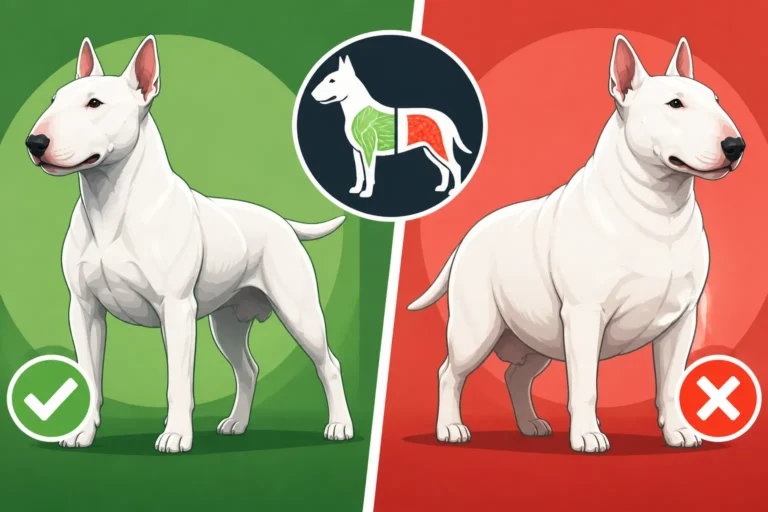
A Bull Terrier’s body is a magnificent piece of canine engineering – compact, muscular, and powerful. But this very build, especially their broad chest and dense muscle mass, can make it harder for them to dissipate heat efficiently. Imagine trying to cool down a powerful engine with a small radiator; it's a bit like that. Their surface area to volume ratio isn't always ideal for rapid cooling, particularly if they're carrying a bit of extra weight (which, let's be honest, can happen when they're so good at charming extra treats!). This dense musculature can actually trap heat, rather than releasing it, making them feel hotter internally even if their short coat feels cool to the touch.
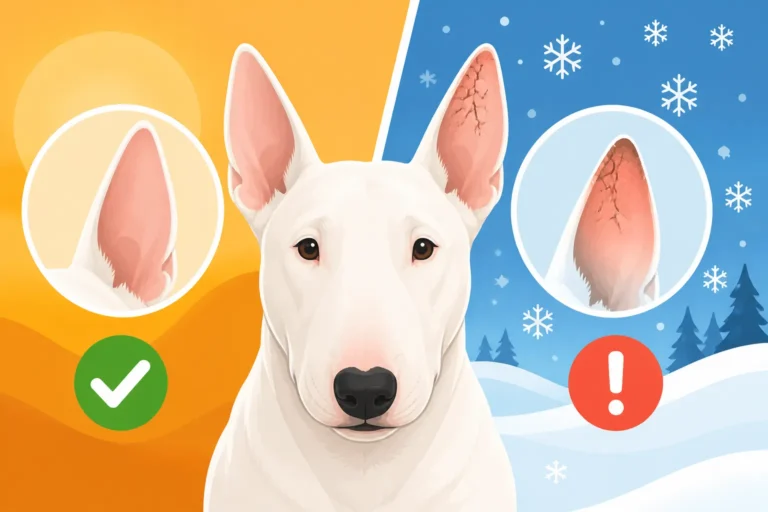
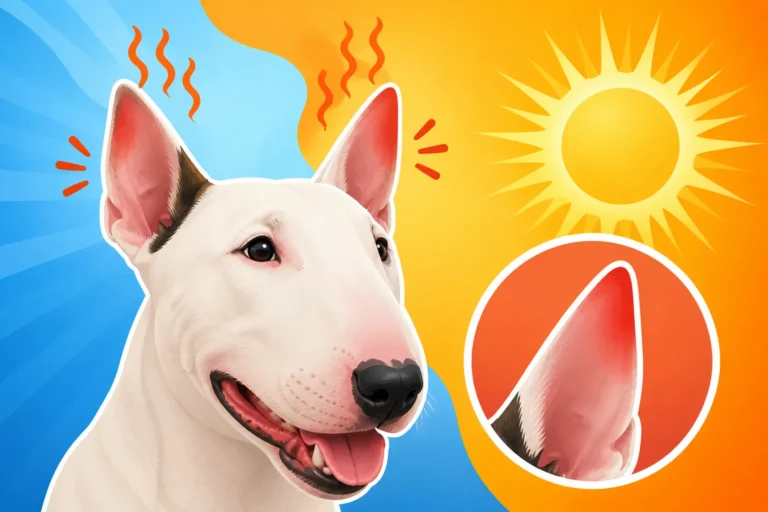
Furthermore, while their short coat doesn't offer much insulation against heat, it also doesn't provide much protection from the sun, especially for our stunning white Bull Terriers. Their pink skin is exposed, leading to potential sunburn, which just adds to their discomfort and can escalate into more serious issues. Why a White Bull Terrier Sunburns delves deeper into this specific concern, highlighting why UV protection is so vital. It’s not just about feeling hot; it’s about protecting their delicate skin from damage.
The Bull Terrier's Energy Levels and Activity
If you've ever lived with a Bull Terrier, you know "lazy" isn't often in their vocabulary. They have bursts of incredible energy, often followed by collapsing into a heap, but those bursts can be intense. Whether it’s a sudden case of the zoomies, a vigorous play session with a favorite toy, or a focused game of fetch, their internal temperature can skyrocket quickly.
Many owners find that even a short period of intense activity in moderate weather can leave their Bull Terrier panting heavily. This isn't just normal exertion; it's a sign that their body is working hard to cool down. If they’re already warm from the ambient temperature, that extra heat from exercise can push them into dangerous territory. It’s why timing their walks and play is so crucial during warmer months. You might think a quick dash around the yard is harmless, but if it’s 80 degrees Fahrenheit and humid, their body simply can't keep up with the cooling demand. This is also why understanding How Much Exercise a Bull Terrier Actually Needs is important, so you can tailor it to the weather conditions.
Understanding Cooling Mats: Types and Mechanisms
So, if our Bull Terriers are prone to overheating, what's a cooling mat all about? These mats are designed to offer a localized cool spot, providing relief without needing to cool down an entire room. But not all cooling mats are created equal, and understanding their differences can help you choose the right one for your furry friend.
Gel-Filled Cooling Mats
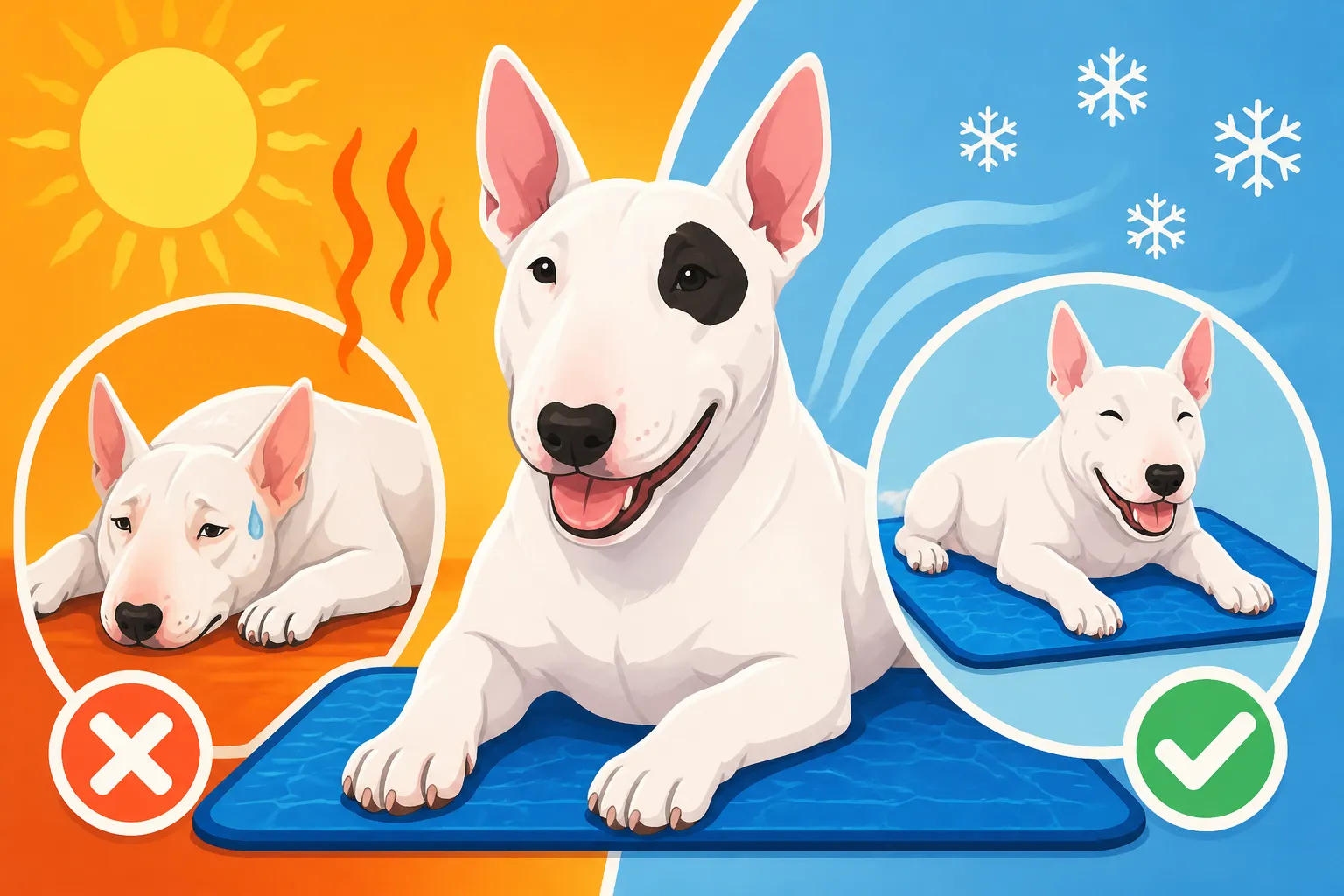
These are probably the most common type you'll encounter, and for good reason. Gel-filled mats typically contain a non-toxic gel that reacts to pressure and temperature. When your Bull Terrier lies down on it, the pressure activates the cooling properties of the gel, drawing heat away from their body. The beauty of these mats is that they usually don't require refrigeration, electricity, or water. They simply recharge themselves after a period of non-use as the gel disperses the absorbed heat back into the air.
However, it's crucial to understand their limitations. They aren't infinitely cool; they have a finite capacity to absorb heat before they need to "recharge." If your Bull Terrier stays on it for hours during a sweltering afternoon, the mat will eventually warm up. For short, intense cooling sessions or quick relief, they can be great. When browsing on Amazon or Chewy, you'll see a vast array of brands offering these, often varying in thickness and durability. Durability is a big factor for a Bull Terrier owner, given their powerful jaws and sometimes mischievous nature!
Water-Filled and Phase-Change Mats
Another category includes water-filled mats and more advanced phase-change material (PCM) mats. Water-filled mats often involve a system where you fill the mat with water, and some even connect to a small pump that circulates the water through tubing, often over a cooling element (like ice or a freezer pack). These can provide a more consistent and prolonged cooling effect than simple gel mats, but they do require more setup and maintenance. You have to fill them, ensure no leaks, and potentially replenish ice or refrigerate components.
PCM mats are a more sophisticated version of cooling technology. They contain materials that solidify and liquefy at specific temperatures, maintaining a cooler surface for longer periods. Unlike gel mats that rely solely on pressure, PCM mats are designed to stay below ambient temperature for extended durations, offering a more sustained cool. They often cost more but can be a game-changer for dogs that really struggle with heat. They're typically quite robust and resistant to punctures, which is another win for Bull Terrier parents. How Well a Bull Terrier Handles Heat explores why sustained cooling might be particularly important for the breed.
Elevated Beds as a Cooling Alternative
While not strictly a "mat," elevated beds are a fantastic cooling solution often overlooked. These beds lift your Bull Terrier off the floor, allowing air to circulate freely beneath them. This simple principle prevents heat from getting trapped under their body and promotes airflow around them, which helps with evaporative cooling. Many come with mesh or fabric slings that are breathable and easy to clean.
For a Bull Terrier who loves to sprawl or tends to get hot spots on their underside, an elevated bed can be surprisingly effective. Combine it with a fan or placed in a breezy spot, and it can offer significant relief. Sometimes, the simplest solutions are the best, especially if you're worried about your Bull Terrier chewing on a gel or water-filled mat.
| Cooling Mat Type | Pros | Cons | Best For |
|---|---|---|---|
| Gel-Filled Mat | Portable, no power/water needed, easy to use | Can warm up with prolonged use, some are less durable | Quick relief, travel, light use, short cooling sessions |
| Water-Filled Mat | Consistent cooling, longer duration | Requires filling, potential for leaks, more setup | Extended relief, stationary use, highly heat-sensitive dogs |
| Phase-Change Mat | Sustained cooling, stays cooler than ambient | Higher cost, less common | Serious heat concerns, long-term use, minimal owner intervention desired |
| Elevated Mesh Bed | Excellent airflow, very durable, simple | Doesn't actively "cool" (relies on air), less portable | General warm weather, dogs who chew, all-day comfort, paired with fans |
When a Cooling Mat is Truly Beneficial for Your Bull Terrier
Okay, so we know what they are, but does your Bull Terrier actually need one? While not every dog requires a cooling mat, there are definitely situations where it can go from a 'nice-to-have' to a genuinely valuable tool for your Bull Terrier's comfort and well-being.
Hot Summer Days and Heat Waves
This is the most obvious scenario. When the mercury climbs and the humidity hangs thick in the air, a cooling mat can offer a vital respite for your Bull Terrier. Even with air conditioning, hard floors can get warm, and soft beds can become ovens. A designated cool spot gives your Bull Terrier a place to actively lower their body temperature. Imagine trying to sleep on a scorching night without a cool side of the pillow – that's how your Bull Terrier might feel without a refreshing surface.
During peak heat, especially in climates where summer heat waves are common, having a mat available allows your dog to self-regulate. They can choose to lie on it when they feel too warm, and move off when they've cooled down. This autonomy is important, as forcing them into a cooling situation can sometimes be stressful. Brands available on Chewy often have options with covers that can be removed and washed, which is a practical consideration during sweaty summer months.
Post-Exercise Recovery
Bull Terriers are known for their boundless energy, often engaging in explosive play that gets their heart rate up and their body temperature soaring. After a vigorous game of fetch in the yard, a brisk walk (perhaps early in the morning or late in the evening to avoid the worst of the heat, as discussed in Whether a Bull Terrier Should Walk at Midday), or a training session, their bodies need help returning to a normal temperature. A cooling mat placed in a quiet spot can be incredibly effective for this recovery period.
Instead of just panting heavily on the floor, the mat provides a direct way to draw excess heat away from their core. This can make a significant difference in how quickly they cool down, reducing the risk of overheating. It’s not just about comfort; it's about supporting their physiological recovery, especially after their characteristic zoomies that might leave them breathless and hot. If your Bull Terrier tends to keep going even when they're clearly tired and hot, a mat can provide a welcome, non-negotiable cooldown zone.
Senior Bull Terriers and Those with Health Concerns
As Bull Terriers age, their ability to regulate body temperature can decline. Senior dogs might have underlying health conditions, like heart issues or even just general stiffness, that make it harder for them to move to cooler spots in the house or get up if they're too warm. Caring for an Old Bull Terrier highlights many considerations for our aging companions, and cooling comfort is definitely one of them. For these older pups, a cooling mat can be a true blessing, providing constant relief without demanding extra effort from them.
Similarly, Bull Terriers with certain health issues – such as cardiac conditions (e.g., What Mitral Valve Dysplasia Does to a Bull Terrier), respiratory problems, or even severe allergies that cause skin inflammation – are more susceptible to the dangers of overheating. Heat stress can exacerbate these conditions, making symptoms worse. A cooling mat offers a gentle, non-invasive way to help manage their body temperature, supporting their overall health and comfort. It's not a cure, of course, but it's a valuable piece of their daily care regimen.
Apartment Living and Travel
Living in an apartment, especially one without central air conditioning or ample shade, can present unique challenges for keeping a Bull Terrier cool. Concrete buildings can retain heat, making indoor temperatures surprisingly high even after the sun goes down. In these scenarios, a cooling mat can be a compact, effective way to create a personal cool zone for your dog where natural airflow might be limited.
Likewise, when traveling with your Bull Terrier – whether it's a road trip, a visit to friends, or even just waiting in the car for a short errand (with proper ventilation, of course!) – a cooling mat can be invaluable. Crates, especially, can become warm and stuffy. A portable cooling mat can be tossed into the crate or placed in the back of the car, providing immediate relief and making the journey much more comfortable. Many brands, particularly those found on Amazon, offer mats in various sizes and with foldable designs perfect for portability. It's about providing comfort in situations where you can't control the environment as much as you'd like.
Complementary Cooling Strategies and Alternatives
While a cooling mat can be a fantastic addition to your heat-management toolkit, it's just one piece of the puzzle. Relying solely on a mat without considering other strategies would be like trying to bail out a leaky boat with a teacup. For comprehensive cooling and to truly protect your Bull Terrier, a multi-faceted approach is always best.
Environmental Controls and Hydration
First and foremost, managing the environment is critical. This means utilizing air conditioning or fans inside your home. Position fans to create cross-ventilation, especially where your Bull Terrier likes to rest. On particularly hot days, keeping blinds and curtains closed can help block out the sun's radiant heat, keeping your home cooler. If you have an outdoor space, ensure there’s always ample shade, especially during the hottest parts of the day. A sturdy canopy or shade sail can make a huge difference in an otherwise sunny yard.
Constant access to fresh, cool water is non-negotiable. Bull Terriers are notoriously goofy, and sometimes they get so engrossed in their antics that they forget to drink. Consider adding ice cubes to their water bowl, or even investing in a dog-specific water fountain (like options you might find on Chewy) to encourage them to drink more. Staying hydrated is fundamental to their body's natural cooling mechanisms, helping them pant more effectively to shed heat. If your Bull Terrier is a picky drinker, a splash of low-sodium broth in their water can sometimes entice them.
Timing Activities and Water Play
Adjusting your Bull Terrier's exercise schedule is paramount. Forget those midday walks when the pavement is scorching hot and the air is oppressive. Stick to early mornings and late evenings, when temperatures are much milder. Even then, keep an eye on your Bull Terrier for any Signs a Bull Terrier Is Overheating – excessive panting, lethargy, or stumbling are clear warnings to stop immediately.
Many Bull Terriers absolutely adore water, and it can be a fantastic way to cool them down. A kiddie pool filled with a few inches of water (or even just enough to get their paws wet) can provide hours of fun and cooling relief. Some Bull Terriers enjoy having a gentle spray from a hose. Even damp towels draped over their back or a cool, wet bandana around their neck can help. Just make sure the towels aren’t left on too long once they warm up, as they can then trap heat instead of releasing it. For the occasional super-hot day, frozen dog treats or ice pops made with dog-safe ingredients can also offer a delicious way to cool down from the inside out.
Grooming and Health Checks
While a Bull Terrier's short coat doesn't require extensive grooming, regular brushing helps remove loose hair, which can improve air circulation close to their skin. Keeping their coat clean and free of mats (which are rare in Bull Terriers but possible if they roll in sticky things) is also beneficial.
More importantly, routine health checks are crucial. A healthy Bull Terrier with optimal body weight and no underlying conditions will cope with heat much better than one struggling with health issues. Regular vet visits, including discussions about their heat tolerance and any specific concerns, are vital. Your vet can advise you on their individual risk factors and suggest tailored cooling strategies. This includes their The Yearly Urine Test Every Bull Terrier Owner Should Book to ensure kidney health, as kidney function can impact overall hydration and well-being. Keeping them in top shape year-round helps them manage all seasonal challenges, including the heat.
Disclaimer
This article is for general informational purposes only and does not constitute professional advice. Laws, prices and regulations vary by location and change over time. Consult a qualified professional for guidance on your specific situation.