How Often a Bull Terrier’s Urine Should Be Tested
One of the most concerning truths for Bull Terrier owners is the breed's predisposition to certain health issues, particularly those affecting the kidneys. It's a heavy burden, knowing that your beloved, quirky companion might be silently battling something serious. This comprehensive guide will walk you through precisely how often your Bull Terrier's urine should be tested, why these tests are absolutely non-negotiable, and what you can do to stay ahead of potential problems, offering peace of mind where possible.
The Critical Importance of Annual Urine Testing for Bull Terriers
Let's face it, nobody enjoys collecting urine samples or trekking to the vet for what seems like yet another check-up. But for Bull Terriers, annual urine testing isn't just a recommendation; it's a lifeline. This breed, with its unique charm and robust appearance, unfortunately carries a genetic predisposition to kidney disease, most notably Hereditary Nephritis. This isn't just a 'might happen' scenario; it's a significant risk that demands proactive management.
Why Bull Terriers Are Prone to Kidney Issues
The genetic lottery hasn't always been kind to our beloved Bull Terriers. While they are resilient and full of life, they are specifically vulnerable to a condition called Hereditary Nephritis, sometimes referred to as Bull Terrier Familial Nephropathy. This isn't your average kidney infection; it's a progressive, inherited disease that causes the tiny filters in the kidneys (the glomeruli) to become damaged and leak protein. Over time, this leakage worsens, leading to irreversible kidney failure.
What makes this so heartbreaking is that often, by the time a Bull Terrier shows outward signs of kidney trouble – things like excessive thirst, increased urination, or lethargy – a significant amount of damage has already occurred. This silent progression is why early and consistent screening is so incredibly important. You might not see any symptoms, but microscopic changes could be well underway. Catching these changes early can make all the difference in managing the disease and potentially extending your Bull Terrier's lifespan.
What a Routine Urinalysis Actually Reveals
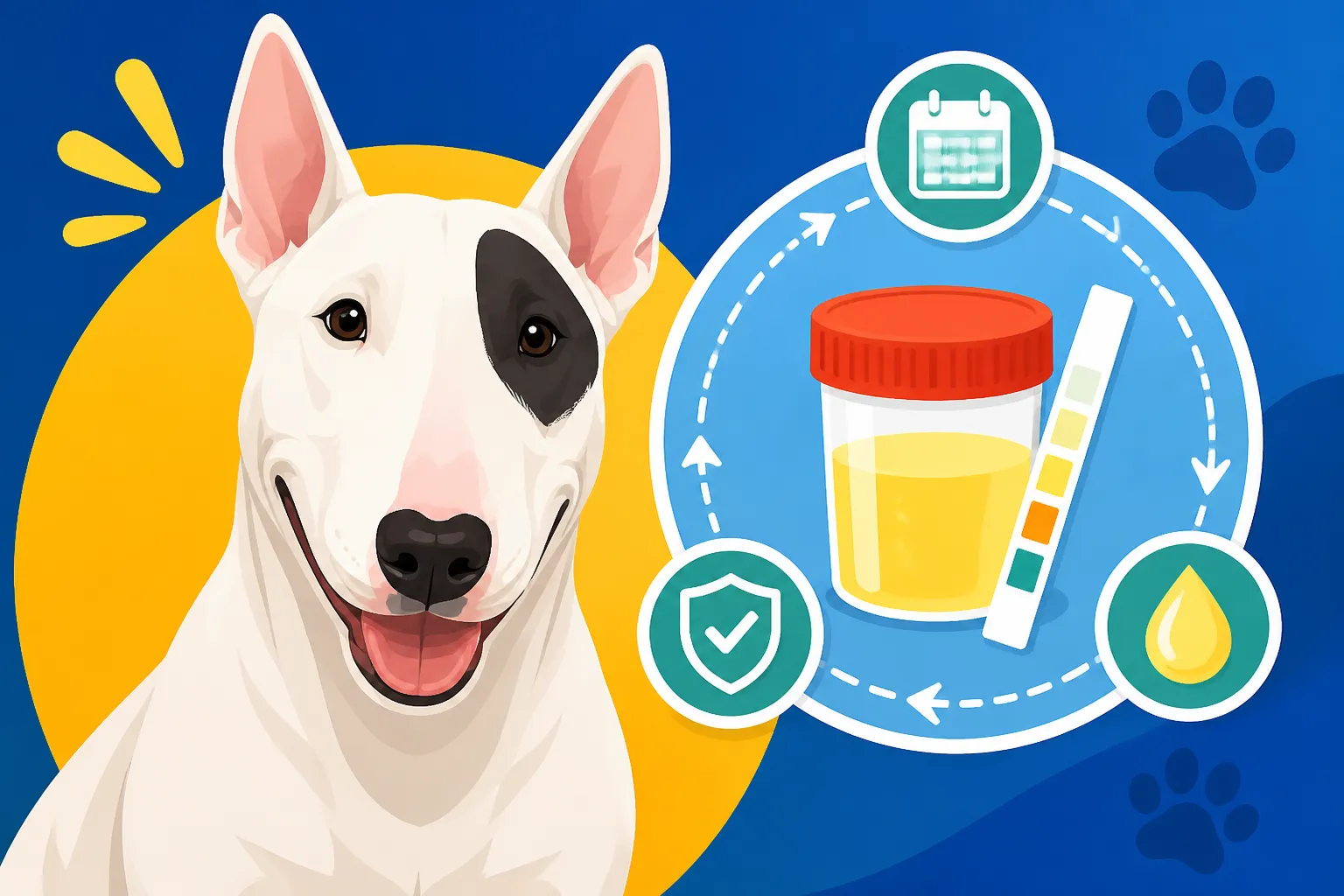
A routine urinalysis is far more than just a quick peek at pee; it's a window into your Bull Terrier's internal health. This simple, non-invasive test provides a wealth of information about kidney function, hydration levels, and even hints at other systemic issues. Your vet will look at several factors, including the urine's concentration (specific gravity), pH level, and the presence of various substances that shouldn't be there, like blood, glucose, or ketones.
For instance, low specific gravity can indicate that the kidneys aren't concentrating urine properly, a classic early sign of kidney dysfunction, even if your dog isn't drinking excessively yet. High pH can signal urinary tract infections or certain crystal formations, while the presence of glucose might point towards diabetes. Each piece of information gathered from a urinalysis paints a part of the bigger picture of your Bull Terrier's health, allowing your vet to detect subtle shifts long before they become overt problems. It’s an easy, cost-effective way to monitor one of their most vital organ systems.
Understanding the UPC Ratio: A Key Indicator
While a general urinalysis is crucial, for Bull Terriers, the Urine Protein:Creatinine (UPC) ratio is perhaps the most vital component. This specialized test measures the amount of protein being leaked into the urine relative to creatinine, a waste product that's consistently excreted. Why is this so important? Because an elevated UPC ratio is the earliest and most reliable indicator of that insidious Hereditary Nephritis in Bull Terriers.
A normal UPC ratio is typically below 0.2-0.5. Anything consistently above this range, especially without other signs of urinary tract infection, warrants further investigation. The beauty of the UPC ratio is its sensitivity; it can detect protein leakage before other kidney blood markers (like BUN and creatinine) start to rise, which usually only happens once a significant percentage of kidney function has already been lost. This early warning system allows for potential intervention or management long before your dog feels sick. Knowing What a UPC Ratio Tells a Bull Terrier Owner can truly empower you to advocate for your dog's health.
Deciphering the Results: What Abnormalities Mean
Getting those test results back can feel like waiting for a report card, especially when you know your Bull Terrier has specific health vulnerabilities. Understanding what different abnormalities in a urinalysis might indicate is crucial for any Bull Terrier owner. It helps you have informed conversations with your veterinarian and proactively manage your dog's health.
Proteinuria: The Silent Threat
Proteinuria, or the presence of excessive protein in the urine, is the most significant red flag for Bull Terrier owners. As mentioned, the UPC ratio is specifically designed to quantify this. When the delicate filtering units in the kidneys (glomeruli) are damaged, they start to allow protein – which should normally stay in the bloodstream – to leak into the urine. In Bull Terriers, persistent proteinuria, especially when other causes like infection or inflammation are ruled out, is almost synonymous with Hereditary Nephritis.
The frustrating part is that dogs with significant proteinuria can appear completely normal on the outside. They're still bouncy, eating well, and playing fetch. This makes it so easy to overlook, which is why regular screening is paramount. If your Bull Terrier's UPC ratio comes back high, your vet will likely want to rule out other causes like a urinary tract infection or bladder stones before confirming a kidney issue. Persistent, unexplained proteinuria means the kidneys are under stress, and immediate action is needed to slow the progression of disease and preserve remaining kidney function. Early diagnosis often leads to better management outcomes and can mean a longer, happier life for your dog.
Glucosuria and Other Metabolic Clues
Beyond protein, a urinalysis can reveal other critical metabolic clues. Glucosuria, the presence of glucose (sugar) in the urine, is usually a strong indicator of diabetes mellitus. While not as common in Bull Terriers as kidney disease, it's still an important finding. Normally, the kidneys reabsorb all the glucose back into the bloodstream, so finding it in the urine means blood sugar levels are exceptionally high.
Other findings might include ketones, which can also signal uncontrolled diabetes or severe metabolic disturbances. The urine's pH level can also offer insights; consistently acidic urine can sometimes indicate metabolic acidosis, while alkaline urine might suggest a urinary tract infection or certain types of bladder stones. Bilirubin in the urine can point to liver issues or increased red blood cell destruction. Each of these parameters, when abnormal, guides your veterinarian toward a specific diagnostic path, potentially uncovering problems far beyond just the kidneys. It's a truly comprehensive, non-invasive screening tool.
Red and White Blood Cells in Urine
Finding red blood cells (hematuria) or white blood cells (pyuria) in a urine sample can point to immediate health concerns. Red blood cells can indicate bleeding anywhere along the urinary tract, from the kidneys to the urethra. This could be due to a urinary tract infection, bladder stones, trauma, or in rare cases, even a tumor. It's often accompanied by visible discoloration of the urine, though microscopic hematuria might only be detectable under a microscope.
White blood cells, on the other hand, are typically a sign of inflammation or infection. If your Bull Terrier has a urinary tract infection, you'll almost certainly see white blood cells, often along with bacteria. The presence of both red and white blood cells usually strengthens the suspicion of an infection or inflammatory process. Your vet will usually follow up with a urine culture to identify the specific bacteria and prescribe the most effective antibiotic. Don't ignore these findings; a urinary tract infection can be uncomfortable for your dog and, if left untreated, can potentially ascend to the kidneys, causing more severe problems.
When Annual Isn't Enough: Situations Demanding More Frequent Testing
While annual urine screening is the baseline recommendation for Bull Terriers, some situations necessitate a much more vigilant approach. It’s easy to fall into a routine, but the proactive owner understands that a "set it and forget it" mentality doesn't work when dealing with genetic predispositions or active health management.
Monitoring Bull Terriers with Existing Kidney Disease
If your Bull Terrier has already received a diagnosis of Hereditary Nephritis or any other form of kidney disease, annual testing simply isn't going to cut it. Your vet will likely recommend more frequent monitoring, possibly every 3-6 months, or even more often depending on the stage and progression of the disease. This isn't just about the UPC ratio anymore; it will likely involve full blood panels to check BUN, creatinine, phosphorus, and potassium levels, alongside blood pressure measurements.
The goal with ongoing monitoring is to track the disease's progression and adjust treatment protocols as needed. This might involve dietary changes, medications to reduce proteinuria (like ACE inhibitors such as enalapril or benazepril), blood pressure medication, or supplements. For owners grappling with a diagnosis, the journey can feel overwhelming, but continuous vigilance, backed by frequent testing, offers the best chance at slowing the disease's march and maintaining your dog's quality of life. This is where pet insurance providers like Healthy Paws can be an absolute lifesaver, helping to cover the often significant costs of ongoing diagnostics and long-term care, providing peace of mind during a challenging time.
Early Detection for At-Risk Puppies and Young Adults
The insidious nature of Hereditary Nephritis means that by the time a Bull Terrier puppy enters the world, the genetic predisposition is already there. While screening puppies for kidney disease directly isn't always straightforward, reputable breeders should be testing their breeding stock. However, even with responsible breeding, it's wise to start urine screening early for at-risk puppies and young adults, especially if there's any uncertainty about the lineage's kidney health.
Some vets might recommend a baseline UPC ratio as early as 6-12 months of age, particularly for litters from lines known to carry risk, or even if parents haven't had thorough testing themselves. The idea is to establish a baseline early on. If that baseline is already elevated, or if a young Bull Terrier suddenly develops proteinuria, it allows for interventions much sooner. It's a devastating diagnosis for a young dog, but early detection through tests like A Bull Terrier Puppy Can Be Screened for Nephritis gives you more options and more time.
Interpreting Subtle Changes in Your Bull Terrier's Habits
Sometimes, the most valuable diagnostic tool you have is your own observation. While urine tests catch silent issues, outward changes in your Bull Terrier's behavior or habits can be early indicators that more frequent urine testing is warranted, even if their annual check-up isn't due. Pay close attention to things like increased thirst, a noticeable increase in the frequency or volume of urination, accidents in the house, or urine that looks cloudy or smells unusually strong.
Other subtle signs might include a decrease in appetite, unexplained weight loss, lethargy, or even changes in coat quality. If you notice any of these Signs a Bull Terrier's Kidneys Are Failing, don't wait for the annual appointment. Call your vet immediately and explain your concerns. A quick urine test could confirm or rule out a problem, giving you crucial information without delay. Trust your gut instinct as an owner; you know your dog best, and sometimes those small shifts are big clues.
The Practicalities of Urine Sample Collection
Collecting a urine sample from your spirited Bull Terrier can feel like a comical challenge worthy of a reality TV show. Believe me, I've been there, chasing a squatting Bull Terrier around the yard with a ladle! But understanding the different collection methods and best practices can make the process less stressful for both you and your dog, ensuring you get a good, usable sample for accurate testing.
The "Free Catch" Method: Tips and Tricks
The "free catch" method is exactly what it sounds like: collecting urine as your dog pees naturally. This is often the easiest and least invasive method for routine urinalysis, especially for female dogs who tend to squat for longer. For male dogs, it can be a bit trickier, requiring quicker reflexes. The key is to be prepared and patient.
Here's how to make it work:
- Arm Yourself: Grab a clean, shallow container. A clean disposable aluminum pie plate, a small ladle, or a specialized urine collection cup (your vet might provide one) works well. Avoid containers with strong residual odors from cleaning products.
- Timing is Everything: Aim for the first morning urine, as it's typically the most concentrated and provides the most diagnostic information.
- Leash Up: Take your Bull Terrier out on a leash to a familiar potty spot.
- Stay Alert: As soon as they start to squat or lift a leg, quickly and smoothly slide your container under the stream. The middle of the stream is ideal, as it’s less likely to be contaminated by debris from the genital area.
- Collect Enough: Aim for at least a few tablespoons, preferably more if possible, to give the lab plenty to work with.
- Transfer & Store: Pour the sample into a clean, airtight container (again, often provided by your vet or a clean, small plastic container with a tight lid). Label it with your dog's name and the collection time.
If you struggle, try again later or ask your vet for specific tips for your dog's habits. Don't be shy about it – vets hear this all the time!
Cystocentesis and Catheterization: When Vets Step In
While free catch is great for routine screening, sometimes a sterile urine sample is absolutely necessary, especially if your vet suspects a urinary tract infection or needs to perform a urine culture. In these cases, your vet will likely recommend either a cystocentesis or catheterization.
- Cystocentesis: This is considered the "gold standard" for obtaining a sterile urine sample. Your vet will use a fine needle to directly withdraw urine from your Bull Terrier's bladder through the abdominal wall. It sounds intimidating, but it's a quick procedure, usually well-tolerated by most dogs, and often causes minimal discomfort – certainly less than a painful UTI. It completely bypasses contamination from the urethra and external genitalia.
- Catheterization: This involves inserting a sterile catheter directly into the bladder via the urethra. This method is also used to collect sterile samples or to empty the bladder. It's more common in male dogs due to their anatomy. While generally safe, there's a slight risk of introducing bacteria if not performed meticulously.
Your vet will decide which method is most appropriate based on your Bull Terrier's condition, temperament, and the specific diagnostic questions that need answering. It's a testament to veterinary medicine that we have such precise ways to get critical samples!
Proper Storage and Timely Delivery
Once you've managed to collect that precious sample, how you handle it next is just as important as the collection itself. Improper storage can lead to inaccurate results, causing unnecessary worry or missed diagnoses.
Ideally, urine samples should be analyzed within 30 minutes of collection. However, for most home collections, that's simply not feasible. If you can't get it to the vet immediately, refrigeration is key. Store the sample in your refrigerator for no more than 6-12 hours. Any longer, and bacteria can multiply, cells can break down, and crystals can form or dissolve, altering the results dramatically.
When you're ready to head to the vet, make sure the sample is securely sealed and transported in a way that keeps it cool, especially on a warm day. Placing it in a small cooler with an ice pack is a great idea if your clinic is a bit of a drive. Always inform the veterinary staff about the collection time and method (free catch vs. vet-collected sterile sample) so they can interpret the results accurately. This attention to detail ensures that the effort you put into collection pays off with reliable diagnostic information.
Partnering with Your Vet and Managing Costs
Navigating the health landscape of a Bull Terrier, particularly when kidney issues are a concern, requires a strong partnership with your veterinarian and a realistic understanding of the associated costs. It's not just about one test; it's about a lifelong commitment to their well-being.
Choosing the Right Veterinary Partner
Finding a vet who understands the unique health challenges of Bull Terriers is incredibly valuable. Not all vets have extensive experience with breed-specific conditions like Hereditary Nephritis, which can sometimes lead to delays in diagnosis or less specialized advice. When choosing a vet, don't hesitate to ask about their experience with Bull Terriers or their familiarity with specific genetic kidney diseases.
Look for a vet who is proactive, emphasizes preventative care, and is willing to engage in thorough discussions about genetic predispositions. A good vet will not only perform the necessary annual urine tests, including the UPC ratio, but will also explain the results clearly, discuss any implications, and outline a tailored management plan if abnormalities are found. They should be someone you trust to guide you through what can sometimes be an emotionally taxing journey, especially when dealing with potentially serious conditions like Hereditary Nephritis Takes Bull Terriers in Their Prime.
Budgeting for Regular Health Screens
Let's be candid: owning a Bull Terrier and ensuring they receive the best preventative care, especially for kidney health, comes with financial considerations. An annual routine urinalysis, including a UPC ratio, is a relatively small investment that can save you significant heartache and expense down the line. However, if an issue is detected, the costs can quickly escalate.
Consider that a routine yearly urine test might cost anywhere from $50-$150, depending on your location and the specific tests included. This is a crucial line item in your annual pet budget. But if your Bull Terrier is diagnosed with kidney disease, managing it can involve regular blood tests, specialized diets, medications, and potentially ultrasounds or other diagnostics. These ongoing expenses can run into hundreds, if not thousands, of dollars annually. Knowing What a Bull Terrier's UPC Test Costs or What a Bull Terrier's Kidney Ultrasound Costs is essential for financial planning. Proactive budgeting and setting aside an emergency fund can make a huge difference in your ability to provide continuous, high-quality care.
The Role of Pet Insurance in Kidney Health Management
This is where pet insurance can truly shine, offering a financial safety net for Bull Terrier owners. Given the breed's known predisposition to kidney disease, securing a good pet insurance policy before any signs of illness appear is paramount. Once a condition is diagnosed, it's considered pre-existing, and subsequent treatment for that specific condition typically won't be covered.
Companies like Healthy Paws offer comprehensive coverage that can help with the costs of diagnostics, specialist visits, medications, and ongoing treatments for chronic conditions that are not pre-existing. Imagine the relief of knowing that much of the financial burden for managing your Bull Terrier's kidney disease, should it arise, could be significantly offset. For a breed with such specific health risks, investing in pet insurance is often one of the smartest decisions an owner can make. It transforms a potentially devastating financial blow into a manageable expense, allowing you to focus on your Bull Terrier's health rather than the mounting vet bills. Always read policy details carefully to understand what is covered and what the deductibles and reimbursement rates are.
Recommended Urine Testing Schedule for Bull Terriers
Establishing a clear and consistent urine testing schedule is one of the most proactive steps you can take for your Bull Terrier's long-term health. While individual needs may vary, there's a general framework that every Bull Terrier owner should adhere to, especially given the breed's specific vulnerabilities. This schedule prioritizes early detection and ongoing monitoring.
For Healthy Bull Terrier Puppies and Young Adults
For Bull Terrier puppies and young adults without any known health issues or suspicious symptoms, a baseline urine protein:creatinine (UPC) ratio test should ideally be performed once they reach maturity, typically around 12 to 18 months of age. This initial test provides a crucial benchmark. It's like taking a snapshot of their kidney health when they're theoretically at their peak.
Following this baseline, a healthy Bull Terrier should then have a full urinalysis, including a UPC ratio, performed annually. This yearly check-up should become as routine as their vaccinations. The goal isn't just to catch problems but to ensure that everything is still within normal limits, offering peace of mind. This consistent annual screening is your best defense against the silent progression of conditions like Hereditary Nephritis, allowing you to catch protein leakage as early as possible. Remember, you might not see any outward signs for years, but a simple urine test can tell you so much.
For Adult and Senior Bull Terriers
Once your Bull Terrier reaches adulthood, typically around two years of age, the annual urine screening schedule becomes even more critical. The risk of developing kidney disease or other age-related health issues increases with time. Continue with a full urinalysis and UPC ratio test every single year. This vigilance is vital because the damage from conditions like Hereditary Nephritis is cumulative and progressive.
As your Bull Terrier moves into their senior years, generally considered eight years and older, some veterinarians might even recommend increasing the frequency of urine tests to every six months. This is because organ function naturally declines with age, and senior dogs are more susceptible to kidney disease, urinary tract infections, and other health changes. Closer monitoring means quicker detection and intervention, which is particularly important for an aging Bull Terrier. This approach ensures that you're always one step ahead, ready to adjust care as their needs evolve and ensuring your beloved companion lives their golden years as comfortably as possible. Caring for a Bull Terrier Past Eight often involves a closer look at their kidney health.
When to Deviate from the Schedule
Life with a Bull Terrier isn't always predictable, and sometimes, you'll need to deviate from the standard testing schedule. The most important rule is: when in doubt, test it out. If you notice any changes in your Bull Terrier's urination habits, thirst levels, appetite, energy, or general demeanor, don't wait for the next scheduled test. These symptoms could be Signs a Bull Terrier's Kidneys Are Failing or indicate other serious issues.
For example, if your Bull Terrier suddenly starts drinking significantly more water (polydipsia) or urinating more frequently (polyuria), a urine test should be done immediately to check for diabetes, kidney disease, or a urinary tract infection. Similarly, if they have an accident in the house when they are normally reliably house-trained, or if their urine appears cloudy, bloody, or has an unusual odor, it warrants an immediate vet visit and urinalysis. Your vet might also recommend more frequent testing if your Bull Terrier is on certain medications that could affect kidney function or if they have other chronic health conditions that require closer monitoring. It's always better to be safe than sorry, and a timely urine test can provide rapid answers.
Understanding Normal vs. Concerning Urine Parameters
Interpreting your Bull Terrier's urine test results can feel like reading a foreign language, but familiarizing yourself with the key parameters can empower you as an owner. While your vet will always provide the full interpretation, knowing what constitutes "normal" and "concerning" can help you grasp the significance of the findings.
Here's a simplified table outlining some common urinalysis parameters and what their values generally suggest:
| Parameter | Normal Range (General) | Concerning Range (General) | Potential Implications |
|---|---|---|---|
| Urine Specific Gravity (USG) | 1.015 – 1.045+ (well-concentrated) | Below 1.015 (dilute) | Kidney disease, diabetes insipidus, overhydration, early kidney dysfunction. |
| pH | 6.0 – 7.5 | Below 6.0 (acidic) / Above 7.5 (alkaline) | Highly acidic: metabolic acidosis, high protein diet. Highly alkaline: UTI, bladder stones (struvite), certain kidney issues. |
| Protein | Negative to Trace | 1+ or greater (persistent) | Kidney disease (especially Hereditary Nephritis in Bull Terriers), UTI, inflammation, bleeding. |
| Glucose | Negative | Any presence | Diabetes mellitus, certain kidney tubular defects. |
| Ketones | Negative | Any presence | Uncontrolled diabetes, starvation, severe metabolic derangement. |
| Blood | Negative | Any presence | UTI, bladder stones, trauma, kidney disease, tumors. |
| White Blood Cells | Negative to Few | Moderate to Many | Urinary Tract Infection (UTI), inflammation. |
| Red Blood Cells | Negative to Few | Moderate to Many | Bleeding from anywhere in the urinary tract (UTI, stones, trauma, kidney). |
| Urine Protein:Creatinine (UPC) | < 0.2 – 0.5 | > 0.5 (persistent) | Glomerular disease, most notably Hereditary Nephritis in Bull Terriers. |
Note: These are general ranges. Your veterinarian will interpret results in the context of your individual Bull Terrier's health, age, diet, and clinical signs.
Disclaimer
This article is intended for informational purposes only and is not a substitute for professional veterinary advice. Always consult with a qualified veterinarian regarding your Bull Terrier's health, diagnosis, and treatment plan. Never disregard professional veterinary advice or delay seeking it because of something you have read here.