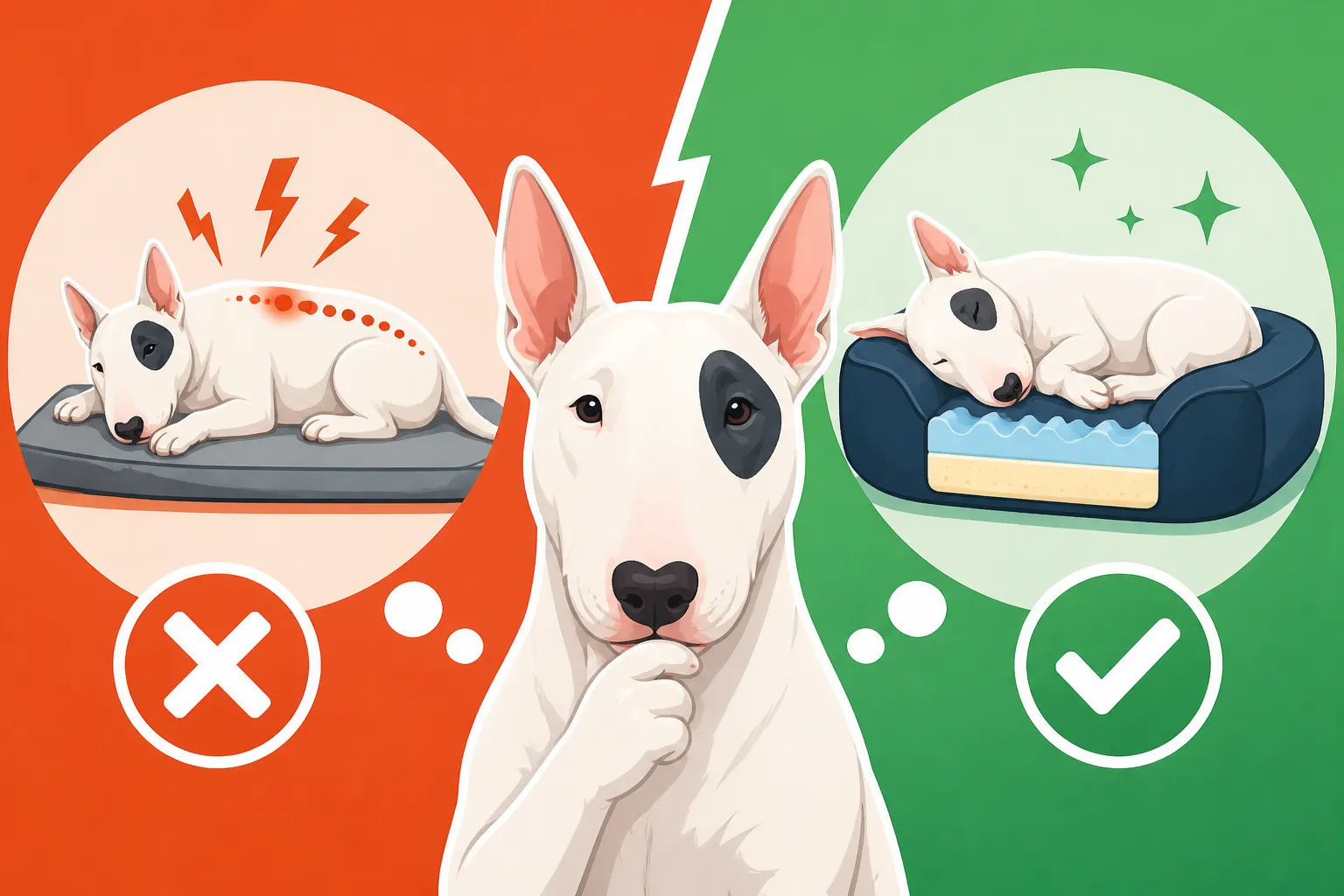
Whether a Bull Terrier’s Bed Should Be Orthopedic
It's a common dilemma for Bull Terrier owners: you want the best for your beloved, quirky companion, but you also know their reputation for being, shall we say, a bit enthusiastic about everything, including their beds. You've probably gone through a few standard dog beds only to find them flattened, shredded, or simply ignored. So, when it comes to an orthopedic bed, the question isn't just about comfort, but whether it's truly necessary and, let's be honest, whether it will survive the Bull Terrier experience. This guide will help you understand the specific needs of your Bull Terrier and determine if investing in an orthopedic bed is the right choice for their long-term health and happiness.
Understanding Your Bull Terrier's Needs for a Bed
Bull Terriers are unique, and their physical attributes directly influence what kind of bed will truly serve them well. It's not just about finding any bed, but finding the right bed that caters to their specific build, energy, and potential health vulnerabilities.
The Bull Terrier's Unique Build and Energy Levels
Let's be frank: Bull Terriers are solid creatures. They're compact, incredibly muscular, and tend to move with a certain joyful, sometimes clumsy, exuberance. When your Bull Terrier decides to flop down for a nap, it's often less of a gentle descent and more of a "thud" or a "plonk." This isn't a delicate breed that tiptoes into slumber; they commit to their rest with the same full-body enthusiasm they approach everything else. This intense impact, repeated multiple times a day over years, can take a toll on their joints and skeletal system if they don't have adequate support beneath them. Think about it: every time they collapse onto a thin, worn-out bed, their body weight is essentially hitting the hard floor with minimal cushioning.
Beyond their physical impact, their energy levels mean they're often on the go, running, jumping, and playing hard. While they love to zoom around the yard or play a vigorous game of fetch, they also need deep, restorative sleep to recover. A bed that sags or provides uneven support isn't going to cut it for a dog whose muscles and joints are constantly working overtime. Their short, dense coats also mean they aren't often seeking out soft, fluffy nests for warmth, but rather a cool, supportive surface where they can stretch out fully and feel secure. This combination of powerful build and energetic lifestyle really highlights why a generic, flimsy dog bed might not be the best fit.
Common Health Concerns Affecting Bed Choice
Bull Terriers, like many breeds, are predisposed to certain health conditions that can make a quality bed not just a luxury, but a necessity. Joint issues, in particular, can be a concern as they age, but even younger dogs can benefit from preventative measures. For example, some Bull Terriers can develop Patellar Luxation in a Bull Terrier, a condition where the kneecap slips out of place, or Spondylosis in an Aging Bull Terrier, which involves degenerative changes in the spine. While these conditions might not show overt signs in a young, active dog, the cumulative effect of inadequate support over years can exacerbate them.
Even conditions that aren't directly joint-related, like managing weight or ensuring comfort for a dog with Signs a Bull Terrier's Kidneys Are Failing, can be impacted by their sleeping arrangements. A dog that is uncomfortable when lying down might shift restlessly, struggle to get up, or even choose to lie on hard floors more often, potentially leading to calluses or exacerbating existing stiffness. Proactive care is key, even for a Bull Terrier in their prime. Ensuring they have proper joint support now can potentially delay the onset or severity of age-related stiffness and discomfort, contributing to their overall well-being throughout The Ten to Fourteen Years a Bull Terrier Gets.
What Exactly Is an Orthopedic Dog Bed?
So, we know Bull Terriers are special, but what makes an orthopedic bed so different from that plush, donut-shaped bed you might have bought on a whim? It's all about the underlying structure and materials designed for genuine support.
The Science Behind Orthopedic Support
At its core, an orthopedic dog bed is engineered to provide superior support, distribute weight evenly, and relieve pressure points. The secret usually lies in the foam. Unlike standard beds filled with loose poly-fill or shredded foam, which quickly compress and create hollows, orthopedic beds typically utilize high-density memory foam or a multi-layer foam construction. Memory foam, originally developed by NASA, molds to the shape of your dog's body, cradling their joints and spine. This isn't just about softness; it's about firm, resilient support that doesn't "bottom out" under their weight. When your Bull Terrier flops onto a quality orthopedic bed, their body weight is distributed across the entire surface, rather than concentrating pressure on hips, shoulders, and elbows.
This even weight distribution is crucial for promoting better circulation, reducing the strain on ligaments and tendons, and maintaining proper spinal alignment. Imagine trying to sleep on a lumpy, unsupportive mattress yourself – you'd wake up stiff and sore. The same applies to our dogs. A good orthopedic bed retains its shape and supportive qualities over time, even with daily use by a heavy, energetic Bull Terrier. Some beds even incorporate gel-infused foams for cooling, which can be a bonus for Bull Terriers who might run a bit warm or live in hotter climates.
Different Types of Orthopedic Beds and Their Features
The world of orthopedic dog beds has expanded quite a bit beyond just a slab of memory foam. You'll find a variety of constructions, each offering different benefits. The most common type is the pure memory foam bed, often a thick slab of dense foam, sometimes with a softer top layer for added comfort. Then there are multi-layer foam beds, which might combine a firm base foam for stability with a softer, conforming memory foam layer on top, offering the best of both worlds. Some beds integrate bolsters or raised edges, which can be fantastic for Bull Terriers who like to curl up or rest their head on a soft edge, providing extra neck and head support.
When you're looking, consider features beyond just the foam itself. Durability of the cover is paramount for a Bull Terrier. Look for heavy-duty, rip-resistant fabrics that can stand up to their strong jaws and claws if they decide to "nest" aggressively. Many good orthopedic beds offer removable, machine-washable covers, often with a waterproof liner underneath to protect the foam from accidents, drool, or wet paws. Brands available through retailers like Chewy or Amazon often have detailed descriptions of their foam density, cover materials, and special features like non-slip bottoms or cooling gel infusions. It's worth comparing the specifics, as a thicker, denser foam generally provides longer-lasting support, which is what you're really paying for in an orthopedic bed.
When an Orthopedic Bed Becomes Essential
While the benefits of an orthopedic bed are universal, there are specific life stages and health scenarios where it truly transitions from a nice-to-have to an absolute must-have for your Bull Terrier.
For the Aging Bull Terrier
As your Bull Terrier moves past their energetic middle years and into their senior era, typically around the age of eight, you might start noticing subtle changes. They might be a little slower to get up after a nap, their gait might be stiffer on cold mornings, or they might simply seem less eager for those long walks. This is often the natural progression of age, with cartilage thinning, joints becoming less lubricated, and muscles losing some elasticity. For these dogs, an orthopedic bed isn't just about comfort; it's about actively improving their quality of life. An unsupportive bed can make morning stiffness worse, exacerbate arthritis pain, and make the simple act of rising feel like a monumental effort.
An orthopedic bed can provide immense relief. The way it cradles their body helps to reduce pressure on tender joints, allowing for deeper, more restorative sleep. This can lead to less pain, improved mobility, and a better mood overall. Imagine your older Bull Terrier waking up feeling refreshed instead of achy! It's a fundamental part of Caring for a Bull Terrier Past Eight. Watch for signs like increased licking of joints, reluctance to jump, difficulty finding a comfortable position, or groaning when lying down – these are all signals that their current sleeping surface might not be adequate and that an upgrade to orthopedic support could make a world of difference.
For Bull Terriers Prone to Joint Issues or Recovering from Injury
Some Bull Terriers, unfortunately, might face joint issues even earlier in life, either due to genetics, accident, or conditions like hip or elbow dysplasia. If your Bull Terrier has received a diagnosis of a joint condition, has undergone surgery for a ligament tear (like a cruciate repair), or is recovering from any orthopedic injury, an orthopedic bed becomes a critical tool in their recovery and long-term management. During recovery, stability and support are paramount to prevent re-injury and promote proper healing. A firm, supportive bed ensures that their body is aligned correctly, minimizing stress on the healing area.
Beyond acute recovery, for dogs with chronic joint conditions, an orthopedic bed helps manage pain and prevents further degeneration. It allows them to rest comfortably, reducing inflammation and supporting their compromised joints. This kind of bed can even be prescribed by your veterinarian as part of a comprehensive management plan for conditions like arthritis. It's an investment in their ongoing comfort and mobility, helping them live their fullest life despite their physical challenges. Without proper support, a dog prone to or suffering from joint issues will simply experience more discomfort and a faster decline in mobility.
Proactive Care for Younger, Active Bull Terriers
Here's a thought that often gets overlooked: why wait until your Bull Terrier is creaky and sore to provide them with optimal comfort? Even a young, seemingly invincible Bull Terrier can benefit significantly from an orthopedic bed. Think of it as preventative medicine for their joints. Just like we might take supplements or choose ergonomic furniture for ourselves, providing a supportive sleeping surface from an early age can help preserve their joint health over their entire lifespan. How Much Exercise a Bull Terrier Actually Needs means their joints are constantly in motion, taking impacts. Giving them a truly restorative place to rest counteracts some of that daily wear and tear.
By distributing weight evenly and reducing pressure points, an orthopedic bed helps protect the cartilage and soft tissues around their joints, delaying the onset of age-related stiffness and potential arthritis. While they might bounce back quickly from a rough play session in their youth, the cumulative effect of years spent on an unsupportive bed can add up. Investing in a good quality orthopedic bed early means you're proactively supporting their musculoskeletal health, setting them up for a more comfortable and mobile senior life. It’s not just for old or sick dogs; it's for any Bull Terrier owner who wants to give their dog the best chance at a healthy, happy life.
Choosing the Right Orthopedic Bed for Your Bull Terrier
Okay, you're convinced. An orthopedic bed sounds like a fantastic idea for your Bull Terrier. But with so many options out there, how do you choose the right one? It's not just about picking the most expensive or the prettiest; it's about finding the perfect blend of size, support, and Bull Terrier-proof durability.
Size, Firmness, and Material Considerations
First and foremost, size matters. Your Bull Terrier should be able to stretch out completely on their bed in any position – splayed out like a frog, curled in a tight donut, or stretched luxuriously on their side. A bed that's too small forces them into unnatural positions, defeating the purpose of orthopedic support. Measure your Bull Terrier from nose to tail base, and then add a good 6-12 inches to ensure ample room. When it comes to firmness, remember that Bull Terriers are solid dogs. They need a foam that is dense enough to support their weight without bottoming out. While soft, squishy beds might seem appealing, they won't offer the structural support necessary for joint health. Look for beds with high-density foam, often measured in pounds per cubic foot; higher numbers generally indicate firmer, more durable support.
The outer material is also crucial, especially given A Bull Terrier's Skin Is Its Weakest Point. Look for durable, yet breathable fabrics. Cordura nylon, heavy-duty canvas, or microsuede are popular choices. A removable, washable cover is non-negotiable for hygiene. You want to be able to toss it in the washing machine regularly to keep it clean and free of allergens or skin irritants. Some beds even offer waterproof liners, which are a godsend for senior dogs with incontinence or puppies still learning the ropes, protecting the expensive foam core.
Durability and Bull Terrier-Proofing
Let's face it: Bull Terriers are masters of destruction. If a bed isn't built to last, it won't stand a chance against their powerful jaws and relentless determination to "redesign" their environment. What a Bull Terrier Chews is pretty much anything they can get their teeth on, and a soft, inviting bed can quickly become a shredded mess. When shopping for an orthopedic bed, prioritize durability. Look for beds with reinforced stitching, heavy-gauge zippers (preferably hidden), and tough, rip-resistant fabrics. Some manufacturers specialize in "chew-proof" or "indestructible" dog beds, often using ballistic nylon or even aluminum frames for elevated beds. While no bed is truly 100% indestructible against a determined Bull Terrier, these options offer a far better fighting chance than a standard fabric bed.
Consider options from robust brands. Both Chewy and Amazon offer a range of heavy-duty orthopedic beds, and reading customer reviews, especially from other Bull Terrier owners, can give you invaluable insights into how well a bed truly holds up. Sometimes, a raised cot-style orthopedic bed with a durable fabric sling can be a good option, as it removes the temptation of a fluffy, chewable mattress. Whatever you choose, be realistic about your Bull Terrier's chewing habits and invest accordingly. It's better to spend a bit more on a bed that lasts years than to replace cheaper, shredded beds every few months.
Placement and Encouraging Use
Once you've chosen the perfect orthopedic bed, where you put it and how you introduce it can make all the difference in whether your Bull Terrier actually uses and loves it. Placement is key: dogs are social animals and generally prefer to be near their family. Position the bed in a common area where you spend a lot of time – the living room, your home office, or the bedroom. Avoid isolating the bed in a lonely corner or a high-traffic hallway. A quiet corner where they can observe the family without being in the direct path of foot traffic is often ideal, giving them a sense of security and belonging. For an aging Bull Terrier, having a comfortable, easily accessible bed in multiple key rooms can be helpful, so they don't have to navigate stairs or travel far for comfort.
Encouraging your Bull Terrier to use their new bed can be a simple process. Make it a positive experience: toss a favorite toy on it, hide treats in the crevices, or offer praise and gentle petting when they lie down on it. You can also place an item with your scent on it, like an old t-shirt, to make it feel more familiar. If your Bull Terrier is accustomed to sleeping on the sofa or your bed, it might take a little patience, but the comfort and support of their new orthopedic haven will eventually win them over. Remember, the goal is to create a secure, comfortable space that they associate with relaxation and rest.
| Feature / Bed Type | Standard Poly-Fill Bed | Orthopedic Memory Foam Bed |
|---|---|---|
| Primary Filling | Loose polyester fiber, shredded foam | High-density memory foam, layered foams |
| Support Level | Low; compresses quickly, creates hollows | High; even weight distribution, pressure relief |
| Durability | Low; flattens, loses shape, easily torn | High; maintains shape, resilient |
| Comfort for Joints | Poor; can exacerbate joint pain | Excellent; cradles joints, reduces stiffness |
| Ideal for | Young, healthy dogs without joint issues | All Bull Terriers, especially seniors, those with joint issues, or active dogs for prevention |
| Cost | Lower | Higher upfront investment |
| Maintenance | Can be difficult to wash, prone to odors | Removable, washable covers; often waterproof liners |
| Lifespan | Short (6-12 months for an active Bull Terrier) | Long (several years with proper care) |
Disclaimer
This article is for general informational purposes only and does not constitute professional advice. Laws, prices and regulations vary by location and change over time. Consult a qualified professional for guidance on your specific situation.