How a Bull Terrier Differs From a Pit Bull
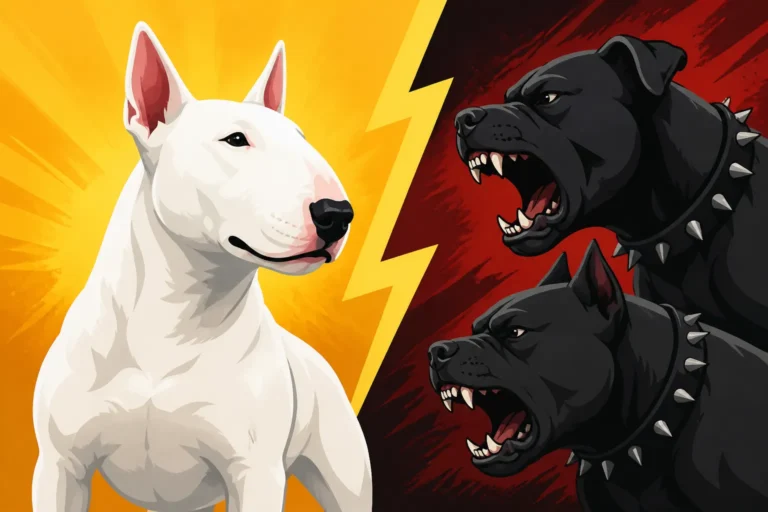
It's incredibly common for people to lump various "bully breed" types together, and one of the most frequent confusions I hear about is the difference between a Bull Terrier and what many folks refer to as a "Pit Bull." This misunderstanding often leads to incorrect assumptions about temperament, care, and even their unique histories. This guide is here to clear up that confusion, diving deep into what makes each distinct and helping you appreciate these wonderful dogs for who they truly are.
A Tale of Two Histories: Tracing Their Ancestries
Before we can even begin to talk about physical or personality traits, we simply must address the foundational differences in how Bull Terriers and "Pit Bulls" came into being. It’s not just a matter of differing breeds, but a vastly different historical trajectory that shaped them. Understanding their origins is key to appreciating their distinct characteristics today.
The Bull Terrier's Unique Foundation
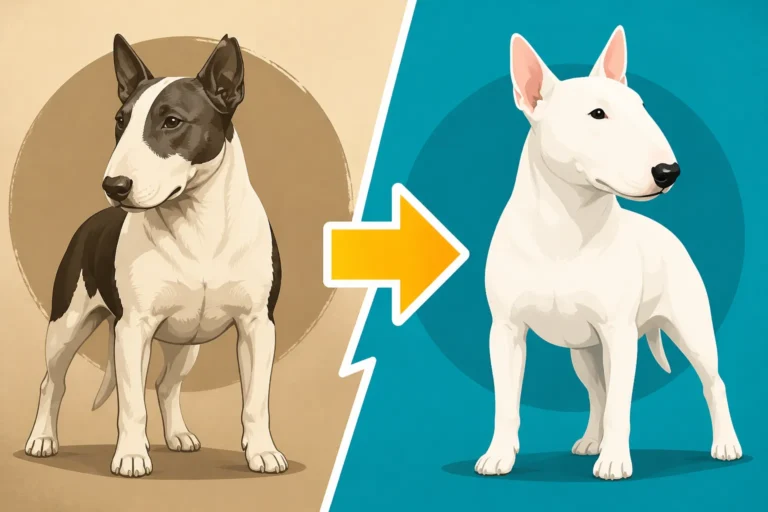
The Bull Terrier, particularly the "White Cavalier" we often think of, has a rather specific and traceable origin story, largely credited to James Hinks in Birmingham, England, around the 1860s. Hinks set out to create a truly distinctive dog that combined the strength and tenacity of the old bull-and-terrier crosses with the elegance and grace of other breeds. He aimed for a gentleman's companion, a dog that was courageous but not necessarily aggressive towards humans or other animals, a departure from the fighting pits. He specifically used the now-extinct English White Terrier, along with likely crosses to the Old English Bulldog and possibly even the Dalmatian for its elegant lines and stamina. The goal was a beautiful, powerful, and companionable dog. This wasn't about creating the ultimate fighting dog; it was about refining a type into a distinctive, fashionable, and well-mannered animal, intended to be a loyal companion rather than a combatant. This intentional refinement gave the Bull Terrier its signature look and, in many ways, its unique personality. For more on their origins, you can read Where the Bull Terrier Comes From.
Understanding the "Pit Bull" Umbrella
Here's where the biggest confusion often lies. The term "Pit Bull" isn't actually a single breed, and this is crucial to grasp. Instead, it's a type of dog that encompasses several distinct breeds that share a similar lineage and appearance, often associated with dogfighting pasts. The most commonly recognized breeds under this "Pit Bull" umbrella include the American Pit Bull Terrier (APBT), the American Staffordshire Terrier (AmStaff), the Staffordshire Bull Terrier (Staffy), and sometimes even the American Bulldog. These breeds were largely developed from bulldog and terrier crosses in England and Ireland, and later in the United States, specifically for blood sports like bull-baiting and later, dogfighting. Their breeders prioritized gameness, strength, and tenacity above all else. Because "Pit Bull" is a blanket term, the characteristics can vary significantly even within this grouping, depending on the specific breed and its individual lines. It's a disservice to these dogs to paint them all with the same brush, just as it would be to assume all "herding dogs" are exactly alike.
Divergent Paths in Breeding Goals
The historical paths of the Bull Terrier and the various "Pit Bull" type dogs diverged significantly, driven by differing breeding objectives. While both have roots in bull-and-terrier crosses, Hinks explicitly bred the Bull Terrier to be a companion animal, focused on distinct aesthetics and a reliable temperament that could live harmoniously with families. His efforts aimed to move away from the raw aggression of fighting dogs towards a more refined and social animal. On the other hand, the breeds under the "Pit Bull" umbrella, particularly the American Pit Bull Terrier, were developed for traits that made them formidable in the fighting pit: incredible strength for their size, a high pain tolerance, and often a strong drive towards other dogs. It's important to note that human aggression was generally not desired in fighting dogs, as handlers needed to separate them without getting bitten. However, the intensity and tenacity bred into them meant that proper socialization and dedicated training became, and remain, paramount for these breeds to thrive as family pets. This fundamental difference in breeding goals — one for refinement and companionship, the other for gameness and combat — is the bedrock of their distinctions.
Head to Tail: Key Physical Differences
Now that we've covered their origins, let's get down to what most people notice first: their physical appearance. While both types are muscular and powerful, a closer look reveals some truly unique features that set a Bull Terrier apart from any dog you'd call a "Pit Bull."
The Iconic Egg-Shaped Head vs. Broader Skulls
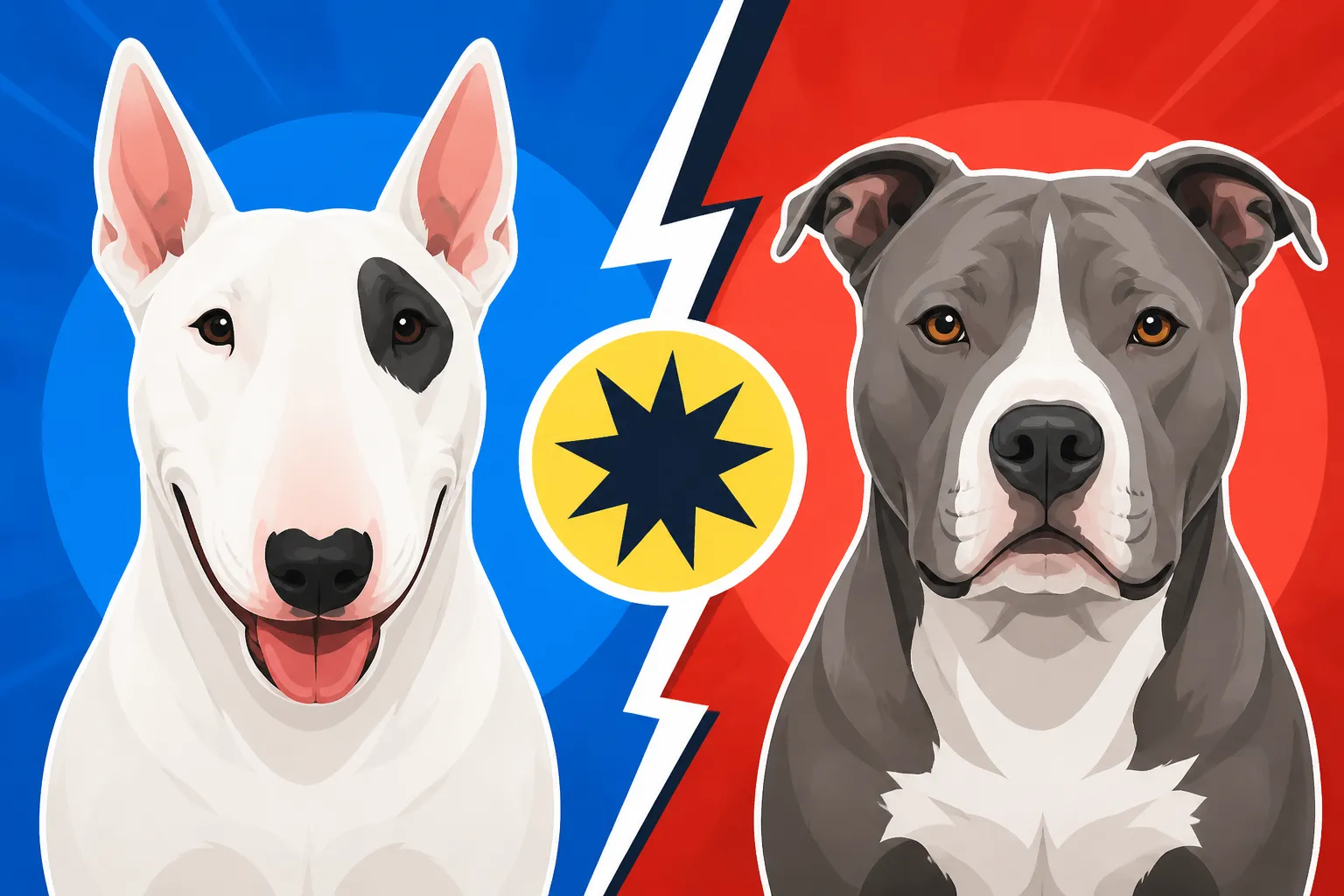
This is perhaps the single most defining characteristic of the Bull Terrier: its distinct, egg-shaped head. When viewed from the front, their head is a smooth, unbroken oval, often referred to as a "downface" or "Roman finish," with no stop (the indentation between the eyes). Their eyes are small, dark, and triangular, set high and close together. This unique head shape is so characteristic that it's often the first clue to identifying a Bull Terrier. You simply won't find this head on any of the breeds commonly classified as "Pit Bulls."
In contrast, Pit Bull type dogs, such as the American Pit Bull Terrier or American Staffordshire Terrier, generally possess broader, blockier heads. While their skulls are powerful and well-muscled, they typically have a distinct stop, a wider muzzle, and their eyes are usually round or almond-shaped, set further apart. Think of a classic bulldog-like head, but often more refined. The sheer blunt force of a Pit Bull type dog's jaw is often evident in the width of its skull and muzzle, designed for gripping. This difference isn't just cosmetic; it reflects generations of selective breeding for very specific conformational traits. The Bull Terrier's head is part of its elegant standard; the Pit Bull type's head is often a testament to its powerful bite force. How the Bull Terrier's Head Changed Over Time details how this iconic feature developed.
Body Build and Proportions
While both Bull Terriers and Pit Bull type dogs are athletic and robust, their overall body builds and proportions tell another story. Bull Terriers tend to have a compact, muscular, and very powerful build, but often with a slightly longer back relative to their height compared to some Pit Bull types. They are sometimes described as "bull-like" but with a more agile, terrier-like grace. Their legs are sturdy, and their chest is deep. They have a distinctive, almost rigid stance when alert, yet move with surprising fluidity. When you feel a Bull Terrier, you immediately notice a dense, hard musculature underneath that smooth, short coat.
Pit Bull type dogs, depending on the specific breed, can vary a bit more. The American Pit Bull Terrier often has a more athletic, leaner build, designed for endurance and agility in the ring. They are often described as being powerful and agile, with a "game" look. The American Staffordshire Terrier tends to be slightly more stocky and heavily muscled than the APBT, but still exhibits a formidable, powerful physique. Staffordshire Bull Terriers are typically the smallest and stockiest of the group, appearing incredibly strong for their compact size. The common thread among them is a deep chest, well-sprung ribs, and powerful hindquarters built for explosive movement and strength. While both are strong, a Bull Terrier often gives the impression of a powerful sculpture, whereas a Pit Bull type dog often conveys raw, unadulterated power ready for action.
Coat, Color, and Markings
Both Bull Terriers and Pit Bull type dogs boast short, sleek, and low-maintenance coats, which is one area of superficial similarity that can add to the confusion. However, there are nuances in their acceptable colors and patterns.
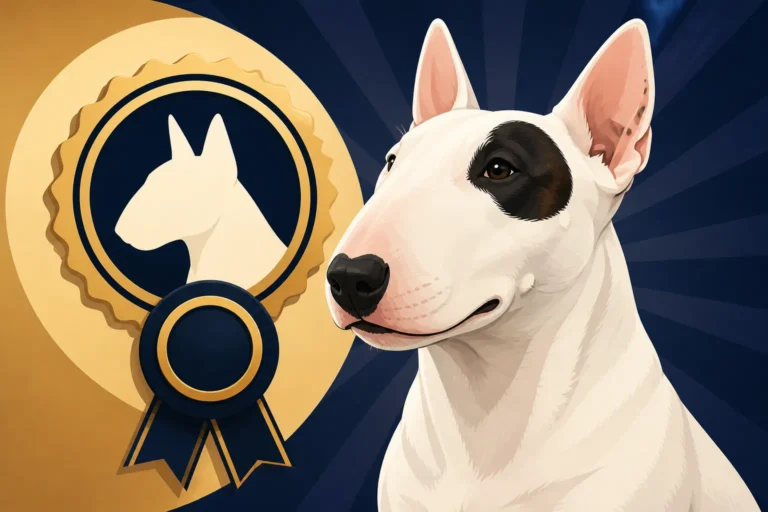
Bull Terriers come in two main varieties: white and colored. White Bull Terriers are famous for their pure, unblemished white coats, though small colored markings on the head are permissible. Colored Bull Terriers come in brindle (a tiger-stripe pattern), red, fawn, black-brindle, or tricolor (white with black and tan markings). Their coats are dense, short, and glossy. One key thing to remember is that pure black or blue coats are not standard for Bull Terriers, and while small patches of color are allowed on a white Bull Terrier's head, excessive ticking or large body patches can be a disqualifying trait in the show ring.
Pit Bull type dogs, on the other hand, exhibit a much wider array of coat colors and patterns. You'll find them in virtually every color imaginable: black, white, brindle, fawn, red, blue, buckskin, and various combinations, often with white markings on the chest, face, and feet. Blue (a dilute black) and solid black are quite common and accepted in Pit Bull type breeds, which is a stark contrast to the Bull Terrier. The variety in color in Pit Bull type dogs is vast, and few colors are considered "non-standard" to the degree they might be in purebred Bull Terriers. When you're looking for dog supplies on Chewy, you'll see a huge range of collars and accessories that suit the diverse color palettes of both types, but it's the specific patterns and shades that offer clues to their breed.
More Than Meets the Eye: Temperament and Training
Beyond their looks, the true heart of any dog lies in its personality and behavior. And let me tell you, while both Bull Terriers and Pit Bull type dogs are loyal and affectionate with their families, their temperaments and approaches to life are markedly different. It's not fair to either dog to assume they're interchangeable.
Bull Terrier's Clownish and Spirited Nature
Ah, the Bull Terrier! If you've ever spent time with one, you know exactly what I mean by "clownish." These dogs are famously described as "a three-year-old in a dog suit" for a reason. They are exuberant, playful, and possess an almost mischievous sense of humor. They love to be the center of attention and will often invent their own games to keep themselves entertained, and you amused. Their loyalty to their chosen family is unwavering, and they crave interaction and inclusion in daily activities. They are incredibly people-oriented, often leaning into you or finding a way to be physically close.
However, this spirited nature comes with a stubborn streak that can challenge even experienced owners. A Bull Terrier will "train when it sees the point," meaning you need to make training engaging, fun, and highly rewarding. They're intelligent but can decide a command is optional if they have a better idea. While generally good-natured with people, their strong terrier prey drive means introductions to smaller animals need to be done with extreme care and constant supervision, if at all. They also have a reputation for being intense and can sometimes play rough, often body-slamming out of sheer joy. This isn't aggression, but rather a lack of understanding of their own power. Why a Bull Terrier Is Called a Three Year Old in a Dog Suit really gets into this delightful, yet sometimes challenging, aspect of their personality.
The Diverse Personalities of Pit Bull Type Dogs
Since "Pit Bull" is an umbrella term, describing a singular temperament is tricky. However, there are common threads. Dogs like the American Pit Bull Terrier and American Staffordshire Terrier are known for their incredible loyalty, devotion to their families, and often a surprising gentleness with children when properly socialized and raised. They are affectionate, crave human companionship, and often display an intense desire to please their owners, especially during training. They can be incredibly playful, athletic, and eager to participate in activities like fetch, agility, or obedience.
The "Pit Bull" stereotype often paints them as inherently aggressive, but this is a vast oversimplification. While their history involved dog-on-dog combat, meaning many have a lower tolerance for other dogs and a strong prey drive, aggression towards humans is generally not characteristic of well-bred, well-socialized individuals. Sadly, irresponsible breeding and training practices have given them an unfair reputation. Their drive, determination, and strength mean they require consistent, firm, and positive training from day one. Without proper outlets for their energy and mental stimulation, they can become bored and destructive, a trait they share with many high-energy breeds. They truly thrive when given a "job" or purpose, whether it's learning new tricks, participating in dog sports, or simply being a beloved, active family member.
Training Approaches and Socialization Needs
Both Bull Terriers and Pit Bull type dogs benefit immensely from early, consistent, and positive reinforcement training, but the nuances of how you approach it will differ.
For Bull Terriers, success hinges on making training a game. They get bored easily with repetition, so short, engaging sessions that tap into their playful nature are best. Motivation is key – whether it's their favorite squeaky toy from Chewy or a high-value treat. Their stubbornness means you need patience and creativity. Early socialization, exposing them to a variety of sights, sounds, people, and controlled dog interactions, is critical. However, due to their strong personalities and potential for dog-dog intolerance, one-on-one introductions rather than dog park free-for-alls are often advisable. A Bull Terrier Trains When It Sees the Point expands on this beautifully.
For Pit Bull type dogs, consistency and clear boundaries are paramount. They are generally intelligent and eager to please, making them highly trainable, but their strength and intensity require an owner who can confidently guide them. Positive reinforcement methods work wonders, building trust and a strong bond. Like Bull Terriers, early and extensive socialization is crucial for Pit Bull types, helping them develop into well-adjusted adults. Due to societal prejudice and breed-specific legislation in some areas, owners of Pit Bull type dogs often face greater scrutiny and must be extra diligent in ensuring their dogs are impeccably behaved in public. Training is not just for the dog; it's also about advocating for the breed and showing the world what responsible ownership looks like.
Health and Lifespan: Unique Breed Vulnerabilities
Every purebred dog breed comes with its own set of health considerations, and both Bull Terriers and the breeds under the "Pit Bull" umbrella are no exception. While they are generally robust and healthy dogs, being aware of their predispositions is part of being a responsible owner.
Bull Terrier Specific Health Concerns
Bull Terriers, despite their tough appearance, do have a few health issues that prospective owners should be aware of. Deafness, particularly in white Bull Terriers, is a significant concern, often linked to the gene responsible for their white coat. All white Bull Terrier puppies should undergo a BAER (Brainstem Auditory Evoked Response) test to check their hearing. Kidney disease, specifically Hereditary Nephritis, is another serious condition that can affect Bull Terriers, sometimes leading to early kidney failure. Reputable breeders will screen their dogs for this with regular urine protein creatinine (UPC) ratio tests and kidney ultrasounds.
Heart conditions, such as Mitral Valve Dysplasia, can also be present, so cardiac screenings are essential. The Heart Murmur a Bull Terrier Puppy Should Be Checked For covers this in detail. Skin allergies and sensitivities are also common, ranging from environmental allergies to zinc-responsive dermatosis, which can cause skin lesions and hair loss. Responsible breeders will perform a battery of health tests, and it's vital to ask for these results. A quality breeder will readily provide these, as well as share information on their dogs' general health.
Common Ailments in Pit Bull Type Dogs
Again, with "Pit Bulls" being a type rather than a single breed, health concerns can vary. However, some commonalities exist across the American Pit Bull Terrier, American Staffordshire Terrier, and Staffordshire Bull Terrier. Hip and elbow dysplasia are relatively common orthopedic issues, so joint health screenings are important. Allergies, particularly skin allergies (atopy), are also prevalent, often manifesting as itchy skin, ear infections, or hot spots. These can require diligent management, sometimes including special diets or medications.
Cardiac issues, such as congenital heart defects, can also occur, though perhaps less uniquely defined than in Bull Terriers. Hypothyroidism and certain forms of cancer are also seen in these breeds. Just like with Bull Terriers, finding a reputable breeder who performs all recommended health clearances for their specific breed (e.g., OFA for hips/elbows, thyroid panels, cardiac exams) is crucial. A responsible breeder aims to produce healthy puppies, and part of that is being transparent about potential health concerns and how they screen for them.
Importance of Responsible Breeding and Health Testing
For both Bull Terriers and Pit Bull type dogs, the importance of responsible breeding cannot be overstated. A good breeder prioritizes the health and temperament of their dogs above all else. They understand the genetic predispositions of their chosen breed and actively screen their breeding stock to minimize the risk of passing on hereditary conditions. This includes DNA tests, orthopedic evaluations, cardiac clearances, and kidney screenings where applicable.
When you're looking for a puppy, whether it's a Bull Terrier or a Pit Bull type dog, always ask to see the health certificates for both parents. These should not be just vet check-ups, but official clearances from organizations like the Orthopedic Foundation for Animals (OFA) or breed club-approved panels. For Bull Terriers, The Five Tests a Bull Terrier Breeder Should Have Paid For is an excellent resource outlining exactly what to look for. Skipping these steps to save money on a puppy often leads to much higher veterinary bills and heartache down the road. If a breeder cannot provide proof of health testing, walk away. This commitment to health is a testament to their dedication to the breed's future.
Navigating Perception: Public Image and Breed Legislation
It's an unfortunate reality that both Bull Terriers and Pit Bull type dogs often face misunderstanding and prejudice from the public. While the specifics of their public perception differ, both breeds have, at various times, been subjected to unfair stereotypes and restrictive legislation.
Public Stereotypes and Misconceptions
The Bull Terrier, particularly the white variety, has often been depicted in media, sometimes as a quirky, comical character (think Spuds MacKenzie or Target's Bullseye), and other times with a more menacing edge. Historically, they were known as the "White Cavalier" and were seen as a gentleman's companion, but their strong appearance can still intimidate. People who don't know the breed might misinterpret their intense playfulness or stubborn independence as aggression. The general public often doesn't realize the depth of their affectionate, goofy nature, mistaking their muscular build for inherent danger. Their unique appearance often makes them stand out, leading to quick judgments based on looks alone, rather than individual behavior.
Pit Bull type dogs, however, bear the brunt of far more negative and pervasive stereotypes. Due to their history in dogfighting and sensationalized media reports, they are often unfairly labeled as inherently dangerous, aggressive, and unpredictable. This stereotype ignores the vast majority of well-adjusted, loving Pit Bull type dogs that are cherished family members. It also fails to acknowledge that aggression in any dog breed is usually a result of poor breeding, lack of socialization, improper training, or abuse, rather than an innate characteristic of the breed itself. This deeply ingrained fear and misunderstanding make life difficult for Pit Bull owners and often results in perfectly good dogs struggling to find homes or being unfairly euthanized.
Breed Specific Legislation (BSL) Impact
This is where the differences in public perception become painfully real for owners. While Bull Terriers occasionally face scrutiny due to their "bully breed" appearance, they are far less commonly targeted by Breed Specific Legislation (BSL) than Pit Bull type dogs. BSL often bans or severely restricts ownership of certain breeds based solely on their physical characteristics, with "Pit Bull" being the most frequently targeted term. This can mean anything from outright bans in certain cities or housing developments, to mandatory muzzling, sterilization, special insurance requirements, or even euthanasia for dogs deemed "Pit Bulls."
This legislation is hugely controversial and has been widely criticized by veterinary organizations, animal behaviorists, and humane groups for being ineffective and unjust. It penalizes responsible owners and individual dogs based on their looks, rather than addressing irresponsible ownership, which is the root cause of dog bites. While a Bull Terrier owner might occasionally encounter an uninformed landlord, a Pit Bull owner is much more likely to face housing discrimination, increased insurance premiums, or outright bans. It's a constant battle for many Pit Bull enthusiasts to simply exist peacefully with their beloved companions. Whether a Bull Terrier Is Banned Anywhere provides some context on restrictions.
Advocating for Responsible Ownership
For owners of both Bull Terriers and Pit Bull type dogs, advocating for responsible ownership is a shared mission. This means being a superb ambassador for your dog: ensuring they are well-trained, well-socialized, healthy, and never allowed to be a nuisance or danger to others. It means using appropriate safety measures, like a strong leash and harness (you can find excellent options on Chewy), especially in public. It also means educating others when opportunities arise, gently correcting misconceptions about your dog's breed and demonstrating that these are wonderful, loving companions.
Being transparent about your dog's temperament and needs is also part of being responsible. If you know your Bull Terrier has a strong prey drive, you manage it responsibly. If your Pit Bull type dog is dog-selective, you ensure controlled interactions. For both breeds, early intervention for any behavioral issues is crucial. Ultimately, the best way to combat negative stereotypes and restrictive laws is through consistent, positive examples set by dedicated owners. It's about demonstrating that a dog's character is shaped by genetics, yes, but overwhelmingly by environment, training, and the love it receives.
Disclaimer
This article is for general informational purposes only and does not constitute professional advice. Laws, prices and regulations vary by location and change over time. Consult a qualified professional for guidance on your specific situation.