How a Bull Terrier Differs From a Staffordshire Bull Terrier
It’s easy to look at a sturdy, muscular dog with a strong jaw and immediately think "Bull Terrier," but the truth is, the world of "bull and terrier" type breeds is much more diverse and nuanced than many people realize. One of the most common points of confusion arises when comparing a Bull Terrier to a Staffordshire Bull Terrier. While they share a part of their name and some ancestral roots, these are two entirely distinct breeds with their own unique histories, appearances, and personalities. This guide will help you clearly differentiate between these wonderful, often misunderstood dogs.
A Tale of Two Terriers: Diving into Their Origins
Understanding where each breed came from is the first crucial step in appreciating their differences. Their histories diverged quite significantly, shaping the dogs we know today.
The Birth of the Bull Terrier: James Hinks' Vision
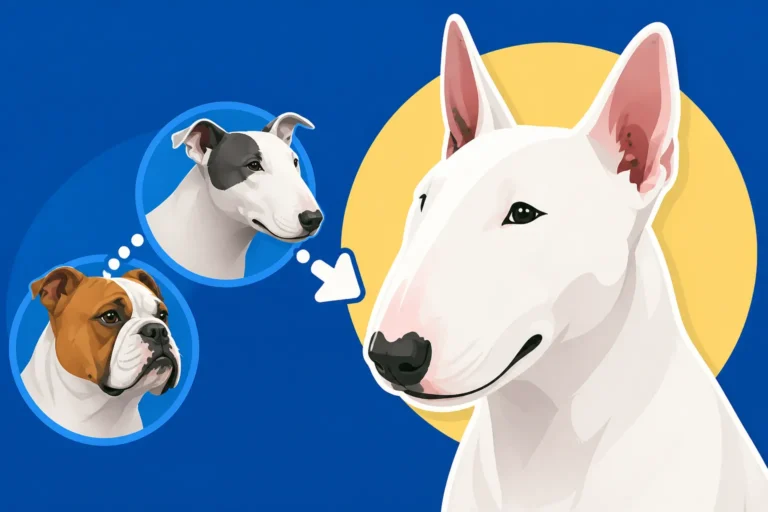
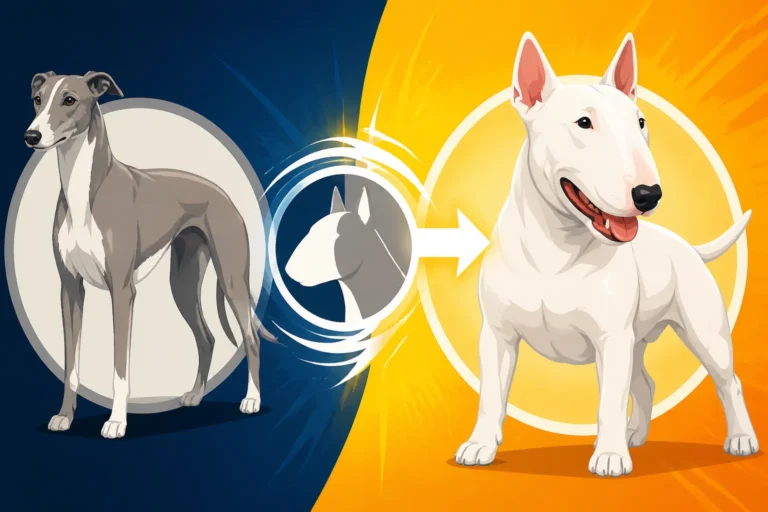
The Bull Terrier, particularly the all-white variety, is a product of 19th-century England, a deliberate creation of a man named James Hinks from Birmingham. Hinks set out to create a truly distinctive dog that combined the athleticism of the Old English Bulldog and the tenacity of the now-extinct English White Terrier, with a touch of the elegance and clean lines of the Dalmatian. His goal wasn't just strength, but also beauty and a gentlemanly demeanor – a "White Cavalier" that was fashionable, loyal, and capable, but not bred for the brutal dog-fighting pits.
Hinks debuted his new breed in 1862 at the Cremorne Show, showcasing dogs that were powerful yet refined, with a striking white coat. Over time, further refinements led to the breed's signature egg-shaped head and triangular eyes. The focus was always on creating a companion animal with a unique aesthetic and a reliable, albeit spirited, temperament. You can read more about Where the Bull Terrier Comes From to get the full picture of this fascinating history. This planned, intentional breeding over generations resulted in a dog that was distinct from the earlier, less refined "bull and terrier" crosses.
The Staffordshire Bull Terrier's Working-Class Roots
In contrast, the Staffordshire Bull Terrier (often affectionately called a "Staffie") emerged from the working-class regions of Staffordshire, England, also during the 19th century. These dogs were developed primarily for the "sports" of bull-baiting and later, dog-fighting, before these cruel practices were outlawed. The local miners and factory workers needed a dog that was incredibly strong for its size, fearless, agile, and utterly devoted to its human family, even if it had to be fierce in the pit. They were bred for gameness, courage, and immense loyalty to people.
The Staffie's lineage is deeply intertwined with the original "bull and terrier" crosses, dogs developed from crossing Bulldogs with various terriers to combine the Bulldog's strength and tenacity with the terrier's quickness and spirit. While the specific breeds are harder to pinpoint due to the informal nature of early breeding, they were often smaller, more agile, and possessed a powerful bite. Even after fighting was banned, their remarkable temperament with humans ensured their survival and eventual recognition as a beloved companion breed. Their history speaks to incredible resilience and an inherent desire to please their human companions, a trait that remains strong today.
Physical Distinctions You Can't Miss
While both breeds are undeniably muscular and carry themselves with confidence, their physical appearances have some very distinct hallmarks that, once you know them, make telling them apart quite easy.
The Bull Terrier's Iconic Egg Head and Build
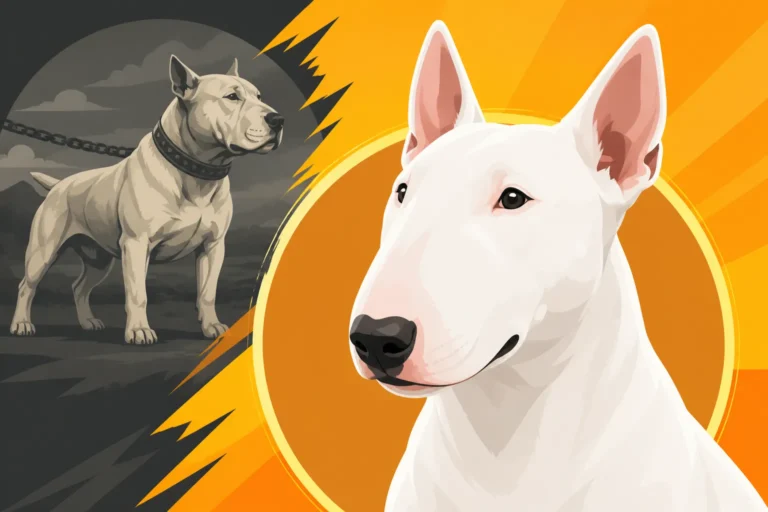
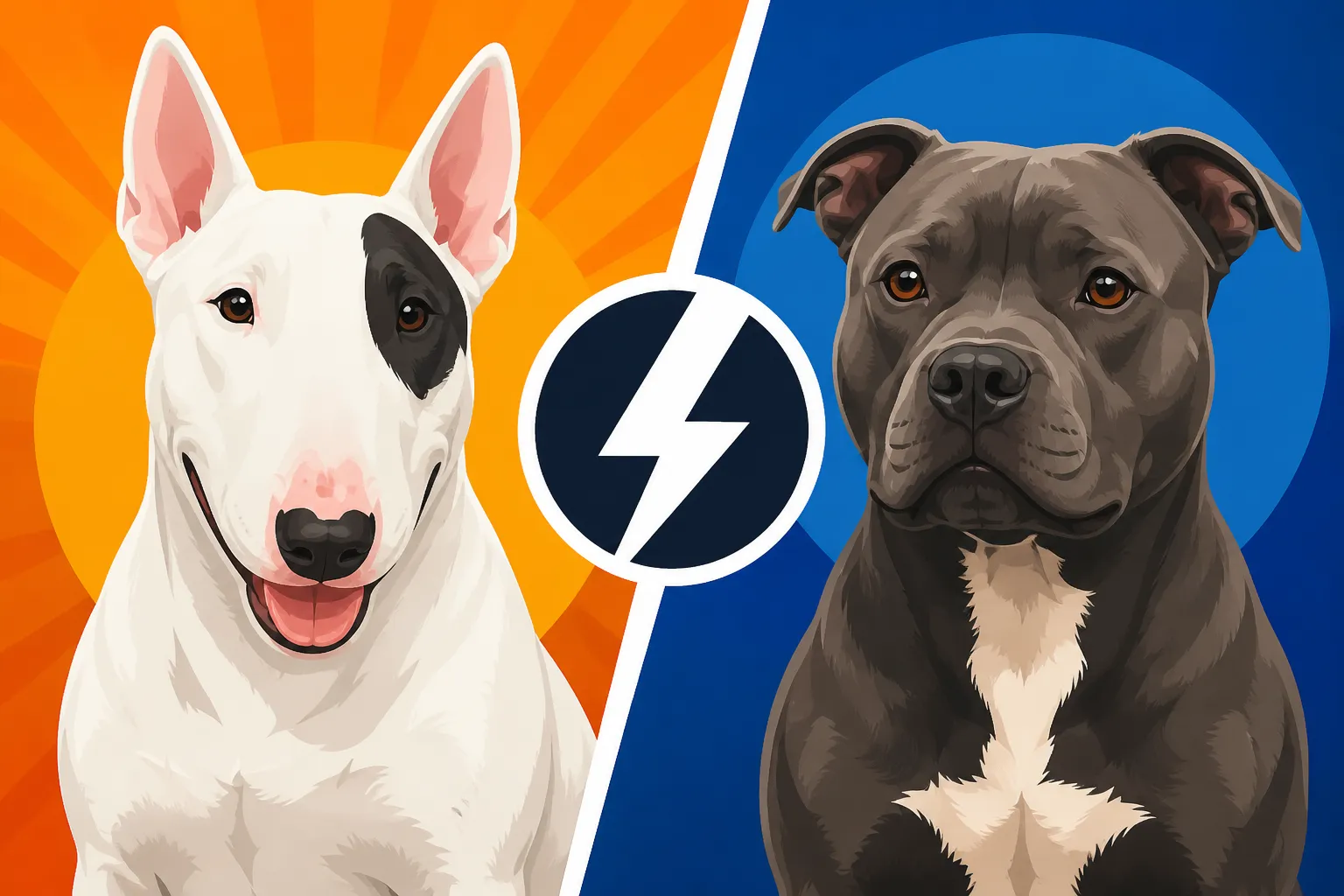
The Bull Terrier's most defining characteristic is, without a doubt, its head. It's famous for being egg-shaped, or "down-faced," with no discernible stop (the indentation between the eyes). From the top of the skull to the tip of the nose, there's a smooth, continuous curve. This unique profile is instantly recognizable and sets it apart from almost any other breed. Then there are the eyes: small, dark, and set triangularly, giving them a keen, intelligent, sometimes mischievous expression. The Bull Terrier Is the Only Breed With a Triangular Eye is a testament to this unique feature.
Beyond the head, Bull Terriers are solidly built, compact, and muscular, conveying power without being overly bulky. They stand taller than Staffies, with a more upright, aristocratic carriage. Their legs are strong and straight, and they move with a somewhat stiff-legged, rolling gait that is quite distinctive. While they come in various colors, the all-white variety is the one most people associate with the breed, often with unique markings around one eye. An adult Bull Terrier typically weighs more and stands taller than a Staffordshire, possessing a more elongated, streamlined silhouette.
The Staffordshire Bull Terrier's Broader, Stockier Frame
The Staffordshire Bull Terrier, while equally muscular, presents a very different picture. Their head is broader and shorter, with a much more pronounced stop. They have a strong, deep muzzle, and their jaws are incredibly powerful, giving them a formidable, yet often smiling, appearance. Their ears are typically "rose" ears – small, folded ears that lay back against the head, though some can have semi-prick ears. Their eyes are usually round, medium-sized, and dark, often expressing a deep, intelligent, and affectionate gaze.
Staffies are known for being exceptionally stocky and well-muscled for their size. They are lower to the ground, with a thick, powerful neck and broad chest. Their build is often described as "big dog in a small package." They have a surprisingly agile and athletic frame, capable of quick bursts of speed and impressive jumps. Their movement is confident and free. Colors vary widely, including red, fawn, white, black, blue, or brindle, often with white markings. They are generally smaller and more compact than Bull Terriers, giving them a squat, powerful appearance.
Physical Comparison Chart
To really drive home the physical distinctions, here's a quick side-by-side comparison:
| Feature | Bull Terrier | Staffordshire Bull Terrier |
|---|---|---|
| Head Shape | Egg-shaped, smooth curve, no stop ("downface") | Broader, shorter muzzle, pronounced stop |
| Eyes | Small, dark, triangular | Round, medium-sized, dark |
| Ears | Erect, pointed | Rose or semi-prick |
| Build | Solid, compact, muscular, more upright | Stocky, broad-chested, very muscular, lower to ground |
| Height (Adult) | Typically 21-22 inches (standard size) | Typically 14-16 inches |
| Weight (Adult) | Typically 50-70 pounds (standard size) | Typically 24-38 pounds |
| Gait | Stiff-legged, rolling, somewhat deliberate | Free, agile, powerful, often bouncy |
Temperament and Personality: Clowns, Nanny Dogs, and Companions
Both breeds are incredibly loyal and affectionate with their families, but their expressions of these traits, and their overall energy and approach to life, differ significantly.
The Bull Terrier's Spirited Personality
Bull Terriers are often described as "three-year-olds in a dog suit" or, more simply, "clowns." They possess an almost boundless sense of humor, a mischievous streak, and an independent spirit that makes them truly unique. They love to entertain and can be incredibly silly, often performing antics that will have you laughing out loud. However, that clownishness comes with a healthy dose of stubbornness. They are highly intelligent, but they will absolutely question the "why" of a command, and if they don't see the point, they might just decide it's optional. How Clownish a Bull Terrier Is is a topic many Bull Terrier owners know intimately.
Bull Terriers bond deeply with their families and thrive on being part of every activity. They adore attention and will often "lean" or "body slam" you for affection, unaware of their own considerable strength. While they are usually very good with children, their boisterous nature means supervision is always a must, especially with very young kids. They have a strong prey drive and can be dog-selective, meaning they might not get along with every dog they meet. They require significant mental stimulation and physical activity to prevent boredom, which can lead to destructive behaviors. Their independent streak means they need an owner who appreciates their unique character and can provide consistent, firm, but loving guidance.
The Staffordshire Bull Terrier's Loyal Devotion
Staffordshire Bull Terriers are renowned for their incredible loyalty and deep affection for their human families. They are often called "nanny dogs" due to their historical reputation for being gentle and protective with children, though like any breed, proper socialization and supervision are paramount. A Staffie's devotion is intense; they want to be close to you, often preferring to cuddle on the sofa or follow you from room to room. Their love is open, enthusiastic, and unwavering.
While they share the "terrier" enthusiasm, Staffies tend to be more people-oriented than some Bull Terriers, generally seeking to please their owners. They are energetic and playful, enjoying robust games and plenty of exercise. Their muscular build translates into a powerful play style, and they can be quite intense. They have a cheerful, courageous, and confident demeanor, rarely backing down from a challenge. Socialization with other dogs from a young age is crucial, as their strong prey drive and innate gameness can make them prone to same-sex aggression or reactivity if not managed properly. They thrive in homes where they receive ample attention, consistent training, and feel like an integral part of the family.
Training and Exercise: Guiding Strong-Willed Souls
Both breeds are powerful, intelligent, and energetic, meaning they require consistent training and adequate exercise to be well-adjusted companions. However, their approaches to learning and their exercise needs have subtle differences.
Effective Training for Bull Terriers
Training a Bull Terrier can be an exercise in patience and creativity. They are smart, yes, but also famously independent and prone to boredom. They won't just blindly follow commands; they'll evaluate whether it's worth their time and effort. This is why positive reinforcement and making training fun and engaging are absolutely key. Short, frequent training sessions with high-value rewards (whether it's a favorite toy found on Chewy or a delicious treat) work far better than long, repetitive drills that quickly lose their interest. You'll find that a Bull Terrier learns best when they believe it was their idea all along.
Early socialization is non-negotiable for Bull Terriers. Exposing them to a wide variety of people, sounds, sights, and well-mannered dogs from a young age helps shape them into confident, well-adjusted adults. Without it, their natural wariness and potential dog-selectiveness can escalate. A Bull Terrier Trains When It Sees the Point, so consistency is paramount. Don't let them get away with ignoring a command one day and then expect them to obey it the next. They will push boundaries, so a firm, fair, and consistent hand is essential from day one. Their sheer enthusiasm can also make leash training a challenge, as they have considerable strength, so investing in good equipment and patient instruction is vital.
Exercising the Staffordshire's Energy
Staffordshire Bull Terriers are bundles of compact energy that need a healthy outlet for their drive. They might be smaller than Bull Terriers, but they are incredibly athletic and can run, jump, and play with impressive vigor. Daily vigorous exercise is crucial for a Staffie, including fast-paced walks, games of fetch, or even agility training. Unlike Bull Terriers, who might sometimes prefer a more leisurely exploration, Staffies often enjoy intense bursts of activity.
Training a Staffie can be a rewarding experience because they typically possess a strong desire to please their owners. However, their enthusiasm and strength mean that firm, consistent, and positive training methods are still essential. They can be prone to pulling on the leash if not taught proper leash manners early on, and their prey drive means a secure, fenced yard is a must for off-leash play. Like Bull Terriers, early and ongoing socialization is vital to help them interact appropriately with other dogs and people, given their powerful build and history. They thrive on having a "job" or engaging in activities that challenge both their bodies and minds.
Living with High-Drive Breeds
Both breeds benefit immensely from living in homes where their owners understand and cater to their energetic and intelligent natures. They are not content to be backyard dogs; they need to be integrated into family life. For Bull Terriers, this means an owner who can laugh at their antics, provide creative outlets for their clever minds, and manage their strong-willed tendencies. For Staffies, it means an owner who can channel their boundless affection and energy into positive activities, ensuring they feel loved and have plenty of physical and mental engagement.
When it comes to living spaces, both breeds can adapt to various environments, from apartments to houses with yards, as long as their exercise needs are met. However, secure fencing is non-negotiable for both due to their prey drives and sometimes independent natures. They also benefit from "indestructible" toys and chews from places like Chewy, as both breeds have powerful jaws and a penchant for destruction when bored. How Much Exercise a Bull Terrier Actually Needs is a great reference for any Bull Terrier owner, and the principles apply similarly to Staffies – a tired dog is usually a good dog.
Health Profiles: What to Watch For
While both breeds are generally robust and healthy, they each have certain genetic predispositions and health concerns that potential owners should be aware of. Responsible breeders will screen for these issues, and it's always good to ask for test results.
Bull Terrier Specific Health Concerns
Bull Terriers, particularly the white variety, are famously prone to congenital deafness. This is often screened for with a BAER (Brainstem Auditory Evoked Response) test in puppies. Why a White Bull Terrier Should Be BAER Tested is something every prospective owner needs to understand, as unilateral or bilateral deafness can impact training and management. Another significant concern is kidney disease, specifically Hereditary Nephritis, which can cause kidney failure at a relatively young age. Regular urine protein-to-creatinine (UPC) ratio tests are crucial for monitoring kidney health throughout a Bull Terrier's life. The Yearly Urine Test Every Bull Terrier Owner Should Book is not just a recommendation; it's a vital part of responsible ownership for this breed.
Heart conditions, particularly mitral valve dysplasia and aortic stenosis, also occur in the breed. Reputable breeders will have cardiac clearances done by a veterinary cardiologist. Skin issues, including allergies and zinc-responsive dermatosis, are also fairly common, often manifesting as itchy, red skin or hair loss. Owners need to be vigilant about a Bull Terrier's skin, as A Bull Terrier's Skin Is Its Weakest Point. Because of these potential health issues, proactive veterinary care and screening are particularly important for Bull Terriers.
Staffordshire Bull Terrier Health Issues
Staffordshire Bull Terriers also have their share of hereditary health concerns. One notable condition is L-2-Hydroxyglutaric Aciduria (L2HGA), a neurological disorder that affects coordination, muscle control, and behavior. There is a DNA test available for this, and responsible breeders will screen their dogs. Another significant concern is hereditary cataracts (HC), which can lead to blindness. Eye examinations by a veterinary ophthalmologist are recommended for breeding stock.
Other issues that can be seen in Staffies include patellar luxation (slipping kneecaps), hip and elbow dysplasia (though less common than in some other large breeds), and various skin allergies, similar to many terrier breeds. Like Bull Terriers, they can also be prone to issues related to their powerful jaws, such as dental problems if not cared for properly. Overall, a Staffie's health is often good, but like any breed, being aware of and testing for these genetic predispositions is key to ensuring a long, healthy life.
Beyond the Stereotypes: Understanding "Bully" Breeds
Both Bull Terriers and Staffordshire Bull Terriers often fall under the broad and often stigmatized umbrella of "bully breeds." This term, unfortunately, carries a heavy burden of misconceptions that can unfairly impact these wonderful dogs.
Tackling Misconceptions Head-On
The term "bully breed" often conjures images of aggressive, dangerous dogs, a perception fueled by their historical use in fighting and irresponsible media portrayals. This couldn't be further from the truth for the vast majority of well-bred and well-socialized Bull Terriers and Staffies. Both breeds are, at their core, people-loving companions. Their strength and determination, which were once valued in the pit, have been largely redirected by responsible breeding and become traits of loyalty, courage, and enthusiasm for life.
However, it's crucial to acknowledge that their powerful build and tenacity mean they require responsible ownership. These are not breeds for passive owners; they need consistent training, socialization, and an understanding of their inherent drives. When raised properly, both Bull Terriers and Staffies are affectionate, playful, and devoted family members. The true nature of these dogs is shaped far more by their upbringing and training than by any outdated stereotype.
Navigating Breed-Specific Legislation (BSL)
One of the most unfortunate realities for both Bull Terriers and Staffordshire Bull Terriers is their frequent inclusion in Breed-Specific Legislation (BSL) in various cities, states, and even countries. These laws often restrict or ban ownership of certain breeds, often based on appearance rather than individual behavior. This means that merely owning a Bull Terrier or a Staffordshire Bull Terrier can sometimes put you at odds with local ordinances, regardless of how well-behaved or friendly your dog is.
If you're considering either of these breeds, it is absolutely essential to research the laws in your specific area, as well as any breed restrictions that might be imposed by landlords or homeowners' associations. Whether a Bull Terrier Is Banned Anywhere is a real concern for prospective owners. This discrimination extends to insurance providers, with some companies refusing coverage or charging higher premiums for homes with these breeds. This is a frustrating reality that responsible owners often face, and it underscores the importance of being an advocate for your dog and for breed-neutral policies that focus on individual animal behavior rather than broad generalizations.
In conclusion, while the Bull Terrier and the Staffordshire Bull Terrier share a distant ancestry rooted in the "bull and terrier" type dogs, they have evolved into two distinct breeds. The Bull Terrier, with its iconic egg-shaped head and clownish spirit, is a gentleman's companion created for unique aesthetics and loyalty. The Staffordshire Bull Terrier, with its stocky build and unwavering devotion, is a true "nanny dog" born from working-class communities, famous for its affection for people. Both are extraordinary dogs deserving of loving, knowledgeable homes that appreciate their individual quirks and cater to their specific needs. Understanding their differences not only helps in making an informed choice but also in celebrating the rich diversity within the canine world.
Disclaimer
This article is for general informational purposes only and does not constitute professional advice. Laws, prices and regulations vary by location and change over time. Consult a qualified professional for guidance on your specific situation.