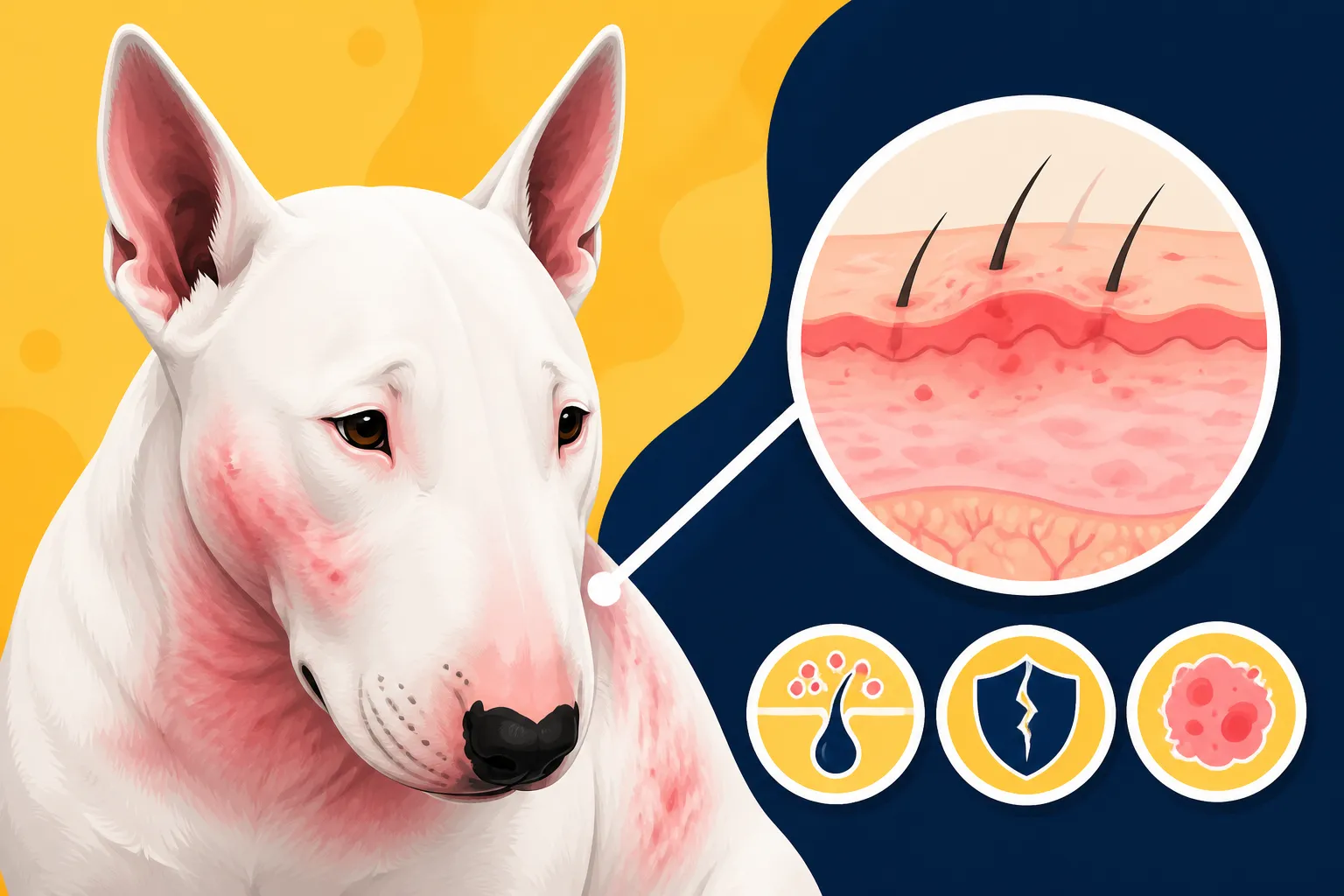
Where a Bull Terrier’s Skin Trouble Starts
If you're a Bull Terrier owner, you know these strong, characterful dogs often have a surprising Achilles' heel: their skin. It can feel like one minute they’re romping happily, and the next they’re itching, scratching, or developing red, inflamed patches that seem to come out of nowhere. It's truly disheartening to watch your beloved companion suffer from persistent skin issues, and it can be a real head-scratcher trying to pinpoint the exact cause. This guide is here to unravel the common culprits behind a Bull Terrier's skin troubles, helping you understand where problems often start and what steps you can take to bring relief to your unique companion.
Understanding the Bull Terrier's Unique Skin
The Bull Terrier, with its short, sleek coat and often pale complexion, presents a fascinating paradox. They look tough, almost invincible, yet their skin can be incredibly delicate and prone to a whole host of issues. It’s not just bad luck; there are fundamental biological reasons why their skin seems to invite trouble, and understanding these can be the first step toward better management and care. A Bull Terrier's Skin Is Its Weakest Point
The Bare Facts: Why Their Skin is Different
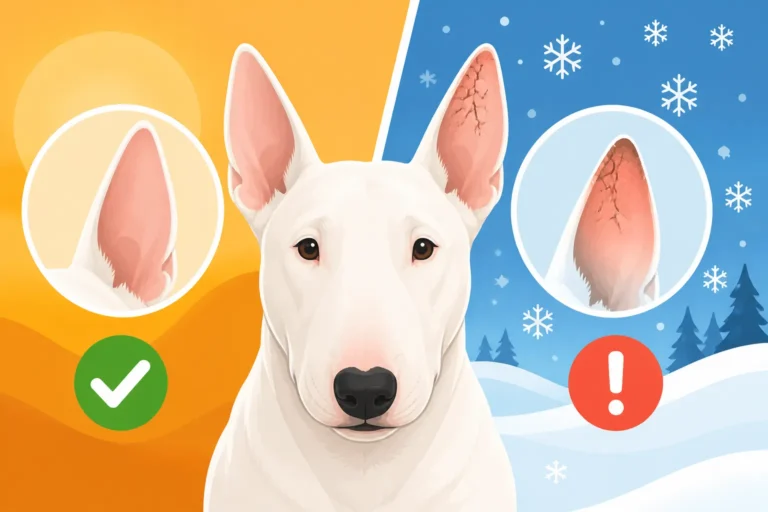
Unlike many breeds with thick double coats or dense fur, the Bull Terrier’s coat is typically short, coarse, and lies flat against their body. While this makes them relatively easy to groom in terms of brushing, it offers minimal protection against environmental irritants and the sun's harsh rays. Think of it like this: if you wore a single thin layer of clothing outside every day, you'd be more susceptible to scratches, sunburn, and insect bites than someone bundled up in layers. Your Bull Terrier's skin is often exposed, making it a direct target.
Furthermore, many Bull Terriers, particularly the iconic white variety, have pink, unpigmented skin underneath their sparse coat. This lack of melanin, while contributing to their striking appearance, means their skin has virtually no natural defense against ultraviolet (UV) radiation. This isn't just about a superficial tan; it means their skin cells are more vulnerable to damage, inflammation, and even long-term cancerous changes. It's a fundamental aspect of their physiology that dictates a different approach to skincare compared to, say, a German Shepherd or a Newfoundland.
Genetic Predispositions to Skin Issues
Beyond the physical characteristics of their coat and skin pigmentation, Bull Terriers also carry genetic predispositions to certain dermatological conditions. It’s part of their breed heritage, and while responsible breeding strives to minimize these issues, they can still crop up. Knowing about these can help you and your veterinarian consider specific diagnoses sooner rather than later.
One notable condition is Zinc Responsive Dermatosis in a Bull Terrier. This isn't a true allergy, but rather a metabolic defect where the dog struggles to properly absorb zinc from their diet, even if the diet itself contains adequate amounts. Zinc is crucial for healthy skin and immune function, and without it, Bull Terriers can develop flaky, crusty lesions, often around the eyes, mouth, and pressure points. It's a frustrating condition because you might be feeding a high-quality diet, yet the problem persists due to an internal processing issue. Another, more serious genetic condition that impacts skin health indirectly, by causing overall poor health and immunity, is Lethal Acrodermatitis, though thankfully a DNA test exists for it now. These inherent weaknesses mean that even with the best care, some Bull Terriers are simply more prone to skin flare-ups than other breeds.
Common External Triggers and Irritants
While genetics lay the groundwork, many of a Bull Terrier's skin woes are ignited by factors in their immediate environment. These external triggers can range from the microscopic to the obvious, and identifying them is crucial for effective management. It often feels like a never-ending detective story, scrutinizing every change in their routine or environment.
Environmental Allergens and Irritants
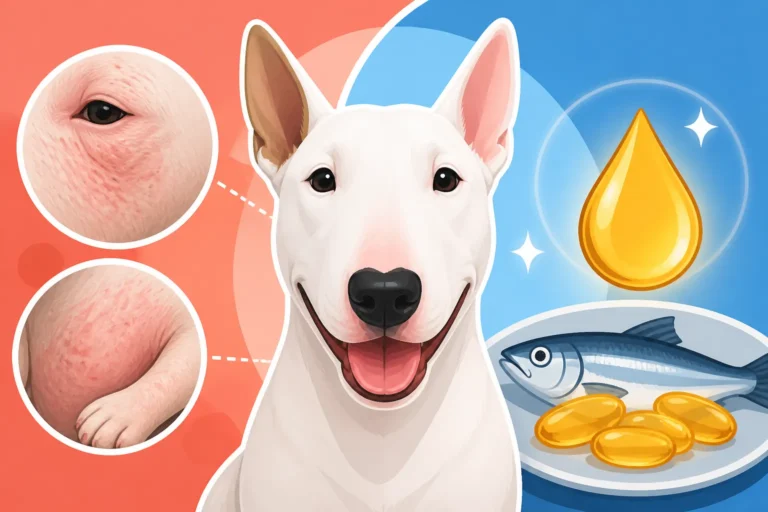
Just like people, dogs can suffer from environmental allergies, often called atopy. For Bull Terriers, who can have sensitive skin to begin with, these allergies can manifest quite intensely. Common culprits include pollen from grasses, trees, and weeds, dust mites lurking in carpets and bedding, and even mold spores. When your Bull Terrier encounters these allergens, their immune system overreacts, leading to inflammation and intense itching. You might notice your dog scratching incessantly, licking their paws until they're raw, or rubbing their face against furniture.
This isn't just seasonal sniffles for them; it’s a full-body itch that can make them miserable. Think about yourself having persistent hay fever, but instead of just a runny nose, your entire skin surface feels like it's crawling. Beyond airborne allergens, contact irritants can also cause trouble. Harsh cleaning products used on your floors, certain types of fabrics in their dog bed, or even the residue from some laundry detergents can trigger a localized skin reaction. Many owners find themselves on a quest for hypoallergenic bedding or gentle, pet-safe cleaning supplies to minimize these exposures. When choosing products for their bedding or your floors, opting for unscented, natural options can sometimes make a significant difference. Consider checking out specialist pet supply sites like Chewy for a range of sensitive-skin-friendly bedding options or laundry detergents designed for pet households. Which Detergent Suits a Bull Terrier Owner
Parasites: The Itch You Can See (or Can't)
Parasites are another huge source of skin problems for any dog, but for a Bull Terrier with inherently sensitive skin, a tiny flea bite can lead to an outsized reaction. Fleas are perhaps the most common culprits, and even a single flea can cause intense itching in a dog with flea allergy dermatitis. The itching can quickly escalate, leading to self-trauma, open sores, and secondary bacterial infections.
Beyond fleas, mites are insidious little creatures that can cause severe skin issues, and they are often harder to spot. Demodectic Mange in a Bull Terrier is a particularly relevant concern for the breed, sometimes appearing in puppies whose immune systems are still developing, or in adults whose immunity might be compromised. These mites live in hair follicles and, in susceptible dogs, can multiply unchecked, leading to hair loss, redness, and scaly skin, especially around the face and legs. Detecting these tiny tormentors often requires a veterinary skin scrape. Ticks, while less likely to cause widespread skin irritation, can still lead to localized inflammation at the bite site and transmit diseases that can indirectly impact overall health, including skin integrity. Regular, effective parasite prevention is therefore non-negotiable for Bull Terriers, year-round.
Sun Exposure: A White Bull Terrier's Arch Nemesis
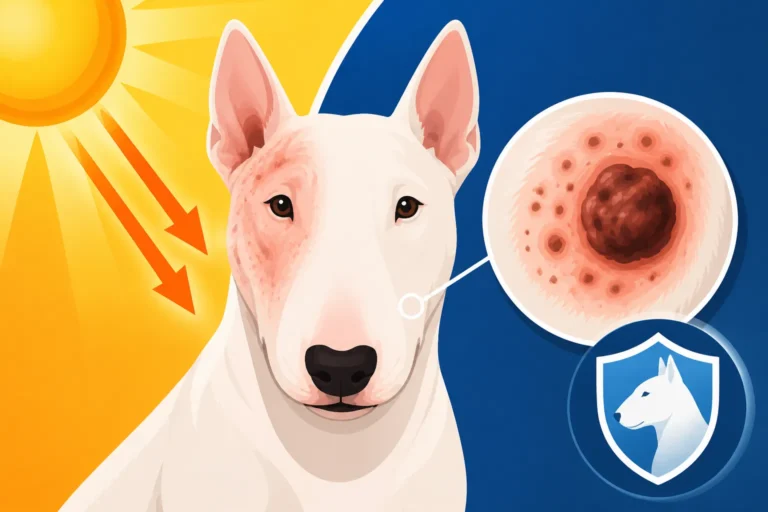
We touched on it briefly, but it bears repeating: the Bull Terrier's often sparse coat and pink skin make them incredibly vulnerable to sun damage. For white Bull Terriers especially, their lack of pigment means their skin offers little to no natural protection against harmful UV rays. Imagine trying to spend a sunny day at the beach without sunscreen; that's essentially what your white Bull Terrier is doing every time they're out in the sun unprotected.
Sunburn on a Bull Terrier isn't just uncomfortable; it can be painful, leading to redness, peeling, and blistering, particularly on areas with sparse hair like the ears, nose, belly, and inner thighs. Beyond immediate discomfort, chronic sun exposure significantly increases their risk of developing skin cancers, such as squamous cell carcinoma, later in life. This is a serious, long-term health concern that many owners don't fully appreciate until it's too late. Therefore, proactive sun protection is absolutely essential. This might include limiting sun exposure during peak UV hours, using pet-safe sunscreen, or even dressing your Bull Terrier in lightweight, UV-protective clothing for outdoor adventures. Sunburn on a White Bull Terrier is a constant threat that needs to be taken seriously. Interestingly, Bull Terriers, particularly white ones, often seem to enjoy basking in the sun, almost as if they're unaware of the harm it's causing. Why a Bull Terrier Seeks Out the Sun is a behavior that owners need to actively manage and override for their dog's long-term health.
Internal Factors Affecting Skin Health
Sometimes, the root of your Bull Terrier’s skin problems isn't an external invader or an environmental allergen, but something happening internally. These systemic issues can manifest on the skin, making diagnosis and treatment a more complex, but equally important, endeavor. It’s a good reminder that the skin is often a window into overall health.
Dietary Sensitivities and Allergies
Food allergies and sensitivities are surprisingly common in dogs, and Bull Terriers are certainly not immune. When a dog has a food allergy, their immune system mistakenly identifies a protein in their food as a threat, triggering an inflammatory response that can manifest as skin itching, redness, ear infections, or gastrointestinal upset. Common food allergens for dogs include proteins like chicken, beef, dairy, and wheat, though any protein source can theoretically become an allergen.
The frustrating part about food allergies is that symptoms can be indistinguishable from environmental allergies, making diagnosis tricky. It often requires a strict elimination diet, under veterinary guidance, where your Bull Terrier eats a novel protein (one they've never encountered before, like duck or venison) or a hydrolyzed protein diet for several weeks to see if symptoms resolve. Then, potential allergens are reintroduced one by one to identify the culprit. This process requires patience and discipline, but it can be incredibly rewarding when you finally find a diet that brings relief. Finding the right diet can greatly impact whether a Bull Terrier's skin improves with diet. Specialist pet food services like Ollie, which offer fresh, limited-ingredient diets, can sometimes be a helpful option to explore with your vet if you're navigating complex food sensitivities, as they allow for precise control over ingredients.
Hormonal Imbalances and Systemic Illnesses
Beyond diet, your Bull Terrier's internal chemistry plays a significant role in their skin health. Hormonal imbalances, in particular, can have a profound impact. Hypothyroidism, a condition where the thyroid gland doesn't produce enough thyroid hormone, is a classic example. While perhaps not as common as allergies, it can cause a dull, dry, brittle coat, hair loss (often symmetrical), thickened skin, and recurrent skin infections. Whether a Bull Terrier Gets Hypothyroidism is a legitimate concern for the breed, and a simple blood test can often diagnose it. Once diagnosed, it's typically managed with daily medication, and skin issues often resolve as hormone levels normalize.
Furthermore, other systemic illnesses can indirectly affect skin health. Conditions like kidney disease, though primarily affecting internal organs, can lead to secondary skin issues due to metabolic waste products accumulating in the body or overall immune suppression. If your Bull Terrier is showing Signs a Bull Terrier's Kidneys Are Failing, their skin might appear dull, dry, or even develop sores due to compromised overall health. Even stress, as an internal factor, can sometimes trigger or exacerbate skin problems, leading to compulsive licking or chewing that creates secondary infections. A veterinarian will look at the whole picture, not just the skin itself, to rule out these underlying health conditions.
Behavioral and Mechanical Skin Issues
Sometimes, a Bull Terrier's skin trouble isn't purely medical; it can be driven or exacerbated by their own actions or external physical forces. These are the issues that remind us how sensitive and delicate our seemingly robust Bull Terriers can be, even if they're the ones causing the problem.
Excessive Licking, Chewing, and Scratching
Picture this: your Bull Terrier is perfectly healthy, but suddenly, you notice a raw, red, oozing patch of skin. This is often a "hot spot," technically known as acute moist dermatitis. These painful lesions develop incredibly quickly when a dog compulsively licks, chews, or scratches a particular area. The initial trigger might be something minor – a flea bite, a scratch, or even just a bit of moisture trapped in the fur – but the self-trauma rapidly turns it into a much larger problem.
Bull Terriers, with their strong personalities and sometimes obsessive tendencies, can be particularly prone to hot spots. The constant moisture from licking creates a perfect breeding ground for bacteria, leading to a nasty infection that makes the itch even worse, perpetuating a vicious cycle. Addressing hot spots involves cleaning the area, often clipping the fur around it, and using topical or oral medications to reduce inflammation and combat infection. Preventing them often means identifying and addressing the initial itch or discomfort, whether it's an allergy, a parasite, or even boredom or anxiety. Whether a Bull Terrier Gets Hot Spots is a common concern, and prevention means being vigilant. If your Bull Terrier is prone to obsessive licking, providing plenty of mental enrichment through puzzle toys (which you can find on Amazon) can sometimes help redirect their focus.
Injury and Trauma
While Bull Terriers are known for their playful, sometimes boisterous nature, this enthusiasm can inadvertently lead to skin injuries. A scrape from roughhousing in the yard, a cut from navigating dense brush on a hike, or even a friction burn from a poorly fitting harness can create an opening for infection and localized skin trouble. Their short coat means less cushioning against these kinds of physical insults.
A particular type of injury relevant to Bull Terriers, especially those with powerful, wagging tails, is "Happy Tail." This condition occurs when a dog's tail repeatedly bangs against hard surfaces – walls, crates, furniture – causing the tip to become sore, open, and prone to bleeding. Because the tail is constantly moving, these wounds struggle to heal and can become a chronic, messy problem. How a Bull Terrier Injures Its Tail often starts with an innocent wag. Protecting the tail, keeping the wound clean, and sometimes even bandaging it are crucial for healing. Regularly checking your Bull Terrier for any minor cuts, scrapes, or abrasions after outdoor activities is a good habit to prevent small injuries from escalating into larger skin infections.
Early Detection and Proactive Care
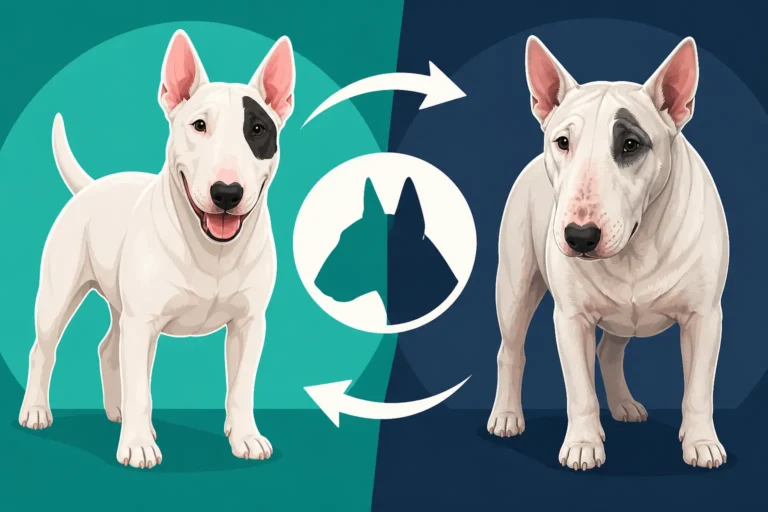
Dealing with Bull Terrier skin issues can be a journey, but early detection and a proactive approach to care can make all the difference. It's about being observant, understanding what's normal for your dog, and knowing when to seek professional help. The goal is to catch problems when they're small, before they become entrenched and miserable for your beloved Bull Terrier.
The Weekly Skin Check Routine
One of the most powerful tools in your arsenal is a consistent, thorough weekly skin check. Think of it as a mini spa session for your Bull Terrier, where you're not just bonding but also performing a vital health inspection. Start by gently running your hands over their entire body, paying close attention to areas that are prone to issues: their belly, armpits, groin, paws (especially between the toes), ears, and the delicate skin around their muzzle and eyes. Look for anything out of the ordinary:
- Redness or inflammation: Any patches of pink or red skin that shouldn't be there.
- Bumps, lumps, or rashes: Small raised areas, pimples, or a widespread rash.
- Flakes or scales: Dry, flaky skin that might indicate dryness, infection, or a metabolic issue.
- Hair loss: Patches where the hair is thinning or completely absent.
- Scabs or crusts: Signs of previous scratching, bites, or infection.
- Unusual odors: A yeasty or "off" smell can indicate a bacterial or fungal infection.
Make it a calm, positive experience with treats and praise. By doing this regularly, you'll quickly learn what your Bull Terrier's healthy skin looks and feels like, making it easier to spot subtle changes. How to Check a Bull Terrier's Skin Weekly should become a standard part of your routine.
Here's a quick guide to common skin issue symptoms:
| Symptom | Possible Cause | Initial Home Care | When to See a Vet |
|---|---|---|---|
| Redness & Itching | Allergies (environmental/food), fleas, mites, contact irritants | Gentle bathing with sensitive skin shampoo, flea preventative, cool compress | Persistent itching, worsening redness, open sores, self-trauma |
| Flaking/Scaling | Dry skin, seborrhea, zinc-responsive dermatosis, mild fungal infection | Moisturizing shampoo, omega-3 supplements, humidifier | Widespread scaling, hair loss, crusting, associated itching |
| Bumps/Pimples | Folliculitis, insect bites, puppy acne | Gentle cleansing, warm compress (if abscess), monitoring | Multiple or growing bumps, painful or oozing lesions, fever |
| Hair Loss (Alopecia) | Allergies, mites (Demodex), hormonal imbalance (hypothyroidism), stress | Addressing underlying itch, supplements for coat health | Symmetrical hair loss, bare patches that don't regrow, skin changes |
| Hot Spots (Raw, moist sores) | Self-trauma from licking/chewing a localized itch (flea bite, minor wound) | Clean with antiseptic, prevent further licking (cone), trim hair around area | Large or rapidly spreading hot spots, deep infection, severe pain |
| Unusual Odor | Bacterial or yeast infection (often secondary to allergies) | Medicated shampoo (if known issue), thorough cleaning | Persistent odor, yellow/green discharge, severe itching or pain |
When to Call the Vet
While consistent home care and vigilance are vital, knowing when to call in the professionals is paramount. Bull Terrier skin issues can quickly escalate, and what seems like a minor itch can turn into a serious infection requiring prescription medication. You shouldn't hesitate to contact your veterinarian if you observe any of the following:
- Persistent or worsening itching: If your Bull Terrier is scratching, licking, or chewing relentlessly for more than a day or two, despite your best efforts at home.
- Open sores or bleeding: Any break in the skin barrier is an invitation for infection and needs prompt attention.
- Rapidly spreading rashes or lesions: If a skin problem is getting bigger or new areas are becoming affected quickly.
- Pain or discomfort: If your Bull Terrier cries out when touched, limps, or is reluctant to move due to skin pain.
- Fever or lethargy: These are signs of a systemic illness, and can sometimes accompany severe skin infections.
- Unusual odors, pus, or discharge: These are classic signs of bacterial or yeast infections that require specific treatments.
- Changes in behavior: If the itching is affecting their sleep, eating, or general demeanor, it's impacting their quality of life.
Your vet can accurately diagnose the underlying cause of the skin issue, whether it's Whether a Bull Terrier Gets Skin Allergies, a parasitic infestation that wasn't visible, a fungal infection, or something more complex like a hormonal imbalance. They can perform diagnostic tests like skin scrapes, fungal cultures, or allergy testing to get to the bottom of the problem. They also have access to prescription medications, such as specific antibiotics, antifungals, or anti-itch drugs, that are far more potent and effective than anything you can get over the counter. They might also recommend a Which Shampoo Suits a Bull Terrier's Skin or even a Whether a Bull Terrier Needs a Medicated Shampoo depending on the specific diagnosis. Sometimes, the issue requires a professional approach to bathing as well, influencing How Often a Bull Terrier Should Be Bathed. Don't try to tough it out or rely solely on home remedies for too long; early veterinary intervention can save your Bull Terrier a lot of discomfort and potentially prevent a more severe, expensive problem down the line. It's truly a collaborative effort between you and your vet to ensure your Bull Terrier has comfortable, healthy skin.
Disclaimer
This article is for general informational purposes only and does not constitute professional advice. Laws, prices and regulations vary by location and change over time. Consult a qualified professional for guidance on your specific situation.