Which Detergent Suits a Bull Terrier Owner
It’s a frustrating reality for many Bull Terrier owners: you’ve gone to great lengths to provide the best food, the right toys, and a cozy bed, yet your beloved "bully" still seems to be itching, licking their paws, or sporting irritated skin. Often, the culprit isn't something obvious, but something as seemingly innocuous as your laundry detergent. This guide is dedicated to helping you navigate the confusing world of detergents to find options that won't exacerbate your Bull Terrier's sensitive skin issues, ensuring their comfort and well-being.
Understanding Your Bull Terrier's Sensitive Skin and Allergies
Our Bull Terriers are unique, and while their goofy personalities and egg-shaped heads are undeniably charming, their skin often comes with its own set of challenges. It's not just a minor annoyance; chronic skin irritation can seriously impact their quality of life, leading to secondary infections and a lot of discomfort for both dog and owner.
Why Bull Terriers Are Prone to Skin Issues
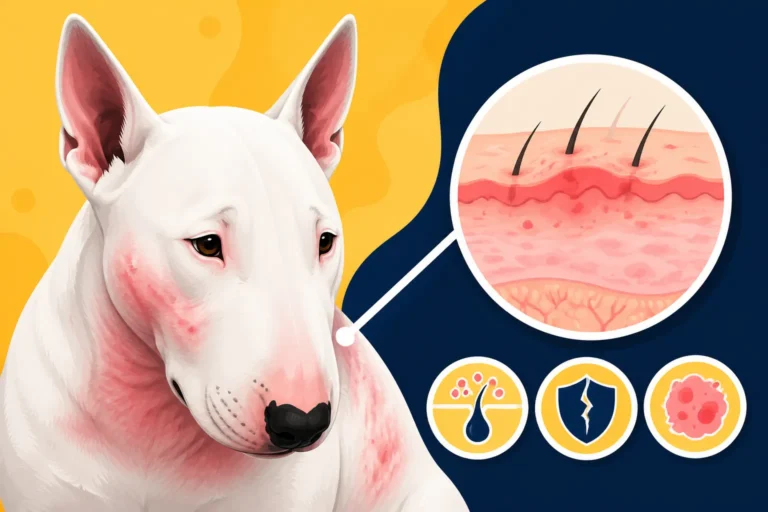
Bull Terriers, especially the beautiful white ones, often have delicate skin that can be surprisingly reactive. Unlike many breeds, they have a very short, sleek coat with little to no undercoat, meaning their skin is less protected from environmental irritants. Many white Bull Terriers also have pink skin pigmentation, which is naturally more susceptible to external factors like sun exposure and chemical sensitivities. This combination means they can absorb more of whatever they come into contact with, and their skin doesn't have a thick barrier to shield them. It's a double-edged sword: that smooth, easy-care coat is lovely, but it offers minimal defense against allergens or irritants.
Beyond the physical characteristics, Bull Terriers, as a breed, are known to have a higher predisposition to certain allergic conditions, including atopic dermatitis and contact allergies. These can manifest as persistent itching, redness, hair loss, and even secondary skin infections. It’s easy to feel defeated when you’re doing everything right, yet your dog is still scratching. You might change their food, buy expensive supplements, and still find yourself battling itchy skin, all while overlooking the very thing their bedding and your clothes are washed in. Understanding that A Bull Terrier's Skin Is Its Weakest Point is the first step in addressing these ongoing frustrations.
Recognizing the Signs of Detergent-Related Irritation
So, how do you know if your laundry detergent is the hidden culprit? The signs of detergent-related irritation can often mimic other allergies, making diagnosis tricky without careful observation. Typically, you'll see your Bull Terrier itching, scratching, or licking areas that come into direct contact with washed fabrics. This could mean their belly, flanks, inner thighs, or paws, especially after they’ve been lounging on their bed, your sofa, or even just rolling around on a freshly washed blanket. You might notice redness, small bumps, or a rash on these areas.
Sometimes, the irritation might be more subtle: your Bull Terrier might seem restless, constantly shifting, or just generally uncomfortable, unable to settle down for a good nap. Their paws might be a particular hot spot for licking and chewing, as the residue from detergents can easily transfer from bedding or floors. In more severe cases, you might even spot raw spots or "hot spots" where they've licked and chewed excessively, leading to secondary bacterial or yeast infections. It’s a vicious cycle that can be incredibly disheartening. If your Bull Terrier suddenly develops skin issues or their existing allergies seem to worsen after a laundry day, it's a strong indicator that your detergent choice needs a serious re-evaluation. Whether a Bull Terrier's Feet Itch can often be linked back to contact allergens like laundry detergent, as their paws are constantly touching surfaces.
Key Ingredients to Avoid in Laundry Detergents
When you're trying to pinpoint what's irritating your Bull Terrier, the ingredient list on your laundry detergent bottle can look like a chemistry textbook. It's overwhelming, and frankly, most of us just grab whatever smells nice or is on sale. But for a Bull Terrier owner, a little label literacy can go a long way in preventing discomfort for your furry friend.
Fragrances and Dyes: The Biggest Culprits
By far, the most common irritants in laundry detergents for sensitive individuals – both human and canine – are artificial fragrances and dyes. Those lovely "fresh linen" or "spring meadow" scents, while appealing to us, are often a cocktail of synthetic chemicals designed to linger on fabrics. These chemicals can be incredibly irritating to a Bull Terrier's skin and respiratory system. Think about it: your dog spends a significant portion of their day snoozing on their bed, which is essentially saturated with these fragrance molecules. Their sensitive skin is in constant, prolonged contact. Even natural essential oils, while derived from plants, can still trigger allergic reactions in some dogs, so "natural fragrance" isn't always a safe bet.
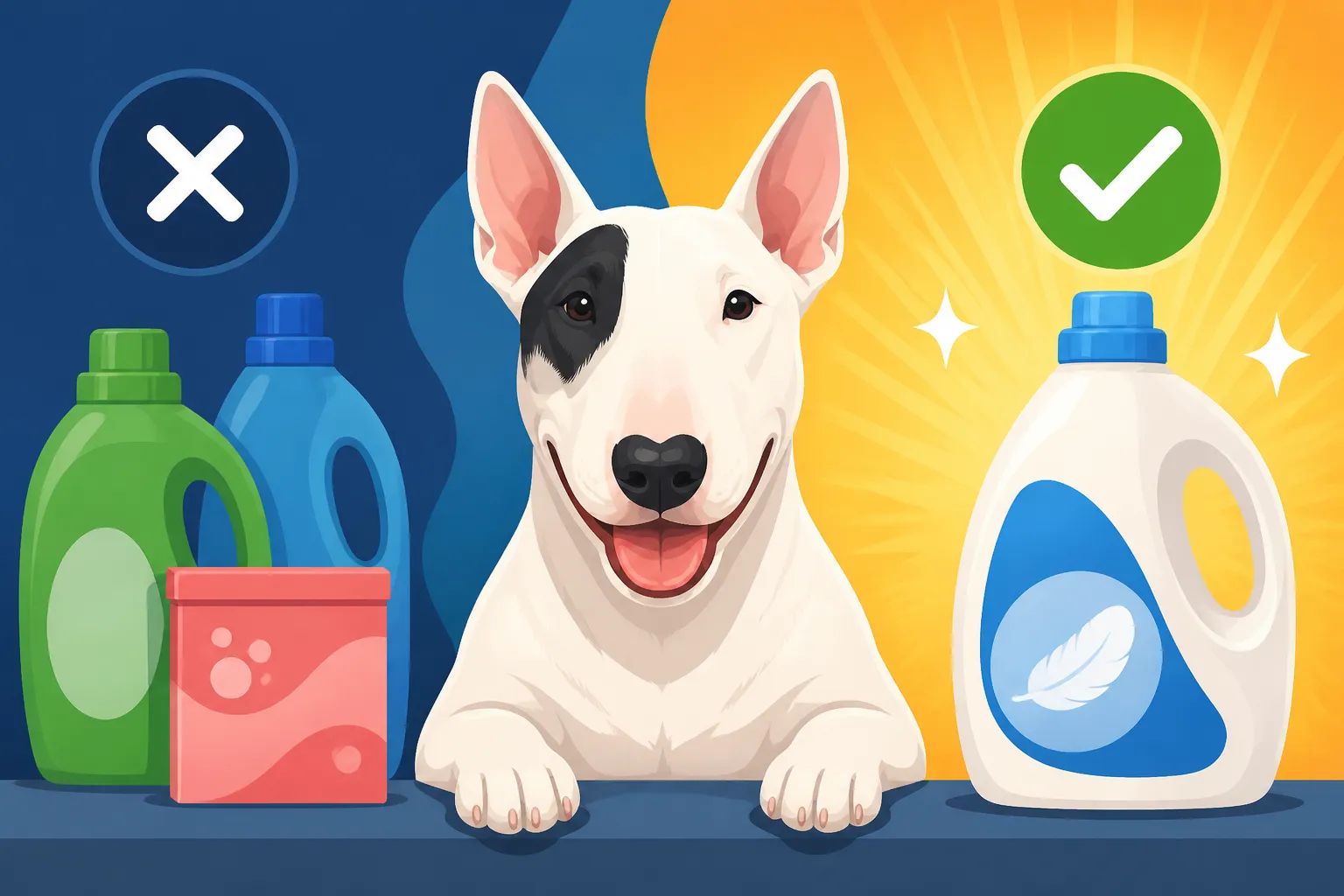
Similarly, dyes added to detergents to make them look more appealing (who doesn't love a bright blue laundry liquid?) can also be strong allergens. These chemicals can seep into the fabric fibers and then transfer to your Bull Terrier's skin upon contact. When a detergent claims to be "hypoallergenic," it often means it's free of these common offenders. Always look for labels that explicitly state "fragrance-free" and "dye-free." Don't be fooled by "unscented" labels, as these can sometimes still contain masking fragrances to neutralize chemical odors without adding a discernible scent. We're talking about trying to find solutions for Whether a Bull Terrier Gets Skin Allergies, and these two categories are almost always at the top of the "avoid" list.
Harsh Chemicals and Preservatives
Beyond fragrances and dyes, a host of other chemicals commonly found in conventional laundry detergents can contribute to skin irritation. Phthalates and parabens, for example, are often used as preservatives or to enhance fragrance, and are known endocrine disruptors and skin irritants. Sulfates, particularly Sodium Lauryl Sulfate (SLS) and Sodium Laureth Sulfate (SLES), are powerful surfactants that create that satisfying lather. While effective at cleaning, they can also strip the skin of its natural oils, leading to dryness, itchiness, and compromising the skin's protective barrier. For a Bull Terrier already prone to skin issues, this can be disastrous, making them even more vulnerable to other allergens and infections.
Then there are optical brighteners, which make whites look whiter by leaving behind a residue that reflects blue light. While they make your laundry look pristine, this residue can be a continuous source of irritation for sensitive skin. Fabric softeners, whether in liquid form or dryer sheets, are another major no-no. They work by coating fibers with chemicals to reduce static and make fabric feel softer, but this coating is yet another layer of potential irritants that your Bull Terrier will be in direct contact with. For a Bull Terrier owner, it’s not just about what washes off the clothes, but what stays on the clothes that matters most. When you're trying to figure out What a Bull Terrier Is Most Often Allergic To, these chemical compounds are definitely worth investigating.
What to Look For: Ideal Detergent Characteristics
Finding the right detergent for your Bull Terrier's sensitive skin doesn't have to be a scavenger hunt, but it does require a bit of mindful shopping. The good news is that many brands now cater to sensitive skin, offering safer alternatives that can make a huge difference in your Bull Terrier's comfort.
Hypoallergenic, Fragrance-Free, and Dye-Free Formulas
The holy trinity for a Bull Terrier owner's laundry room should be "hypoallergenic," "fragrance-free," and "dye-free." These three descriptors are your best defense against contact dermatitis. Detergents with these labels are specifically formulated to minimize common allergens and irritants. They typically omit artificial perfumes, harsh dyes, and sometimes even a wider range of chemical additives known to cause issues. When you pick up a bottle, scrutinize the label for these exact phrases.
Many excellent brands prioritize these features. You can often find a good selection of such detergents on online retailers like Chewy or Amazon, which tend to have dedicated "sensitive skin" or "pet-friendly" sections. Brands like Seventh Generation Free & Clear, unscented All Free Clear, or Tide Free & Gentle are popular choices among pet owners. Look for certifications, if available, such as those from dermatological associations or environmental working groups, which can offer an extra layer of assurance. Remember, the goal is to clean fabrics effectively without leaving behind a chemical residue that will antagonize your Bull Terrier's delicate skin. It's about minimizing the chemical burden on their system, especially when considering Whether a Bull Terrier Reacts to Its Own Bedding.
Plant-Based and Mild Formulations
Another excellent characteristic to look for in a detergent is a plant-based or "natural" formulation, but with a crucial caveat: ensure it's still fragrance and dye-free. Many plant-based detergents utilize natural enzymes and mild surfactants derived from botanical sources, which can be gentler on skin compared to petroleum-based chemicals. These often break down more easily and leave less irritating residue on fabrics. Ingredients like coconut-derived surfactants or plant-derived enzymes can be highly effective at cleaning without the harshness of conventional detergents.
However, "natural" doesn't automatically mean "safe" for sensitive skin, especially if it includes essential oils for scent. Always double-check that "natural" doesn't just mean a different source for potential irritants. When reviewing potential detergents, consider those that openly list their ingredients and are transparent about their sourcing. This transparency allows you to make an informed decision and steer clear of any ingredients you know your Bull Terrier might be sensitive to. For more generalized cleaning and hygiene, thinking about Which Shampoo Suits a Bull Terrier's Skin involves a very similar philosophy of avoiding irritants and opting for gentle formulas.
To help visualize the difference, here’s a quick comparison of what to prioritize and what to avoid:
| Feature/Ingredient Type | Ideal for Bull Terrier Owners | Avoid for Bull Terrier Owners |
|---|---|---|
| Scent | Fragrance-Free, Unscented (check for masking) | Artificial Fragrances, Essential Oils |
| Color | Dye-Free | Artificial Dyes |
| Cleaners | Plant-Based Surfactants, Natural Enzymes | SLS/SLES, Phthalates, Parabens |
| Brightness | None | Optical Brighteners |
| Softness | None (or natural alternatives like wool dryer balls) | Fabric Softeners, Dryer Sheets |
| Labeling | Hypoallergenic, Dermatologist Tested | "Extra Fresh," "Scent Boosters" |
Best Practices for Laundry with a Bull Terrier
Choosing the right detergent is a critical first step, but it's not the only piece of the puzzle. How you use that detergent and manage your Bull Terrier's environment can significantly impact their skin health. Little habits can add up to big differences for a sensitive dog.
Washing Your Bull Terrier's Bedding and Toys
Your Bull Terrier's bed is their sanctuary, a place where they spend hours every day. Consequently, it's also where they have the most prolonged contact with fabric. Regularly washing their bedding is essential, not just for cleanliness but to remove dander, dust mites, pollen, and any other environmental allergens that accumulate. Aim for at least once a week, or more frequently if your Bull Terrier is particularly prone to flare-ups or if it's allergy season. When washing, always use the hottest water setting appropriate for the fabric to help kill off dust mites.
Crucially, always run an extra rinse cycle. Modern washing machines are designed to be water-efficient, which sometimes means not all detergent residue is thoroughly flushed away. An extra rinse ensures that any lingering detergent particles are removed, minimizing the chance of them transferring to your Bull Terrier's skin. Avoid fabric softeners and dryer sheets entirely; they are notorious for leaving behind chemical residues that can irritate sensitive skin. If you want to reduce static and soften fabrics naturally, consider using white vinegar in the rinse cycle or wool dryer balls in the dryer. This simple step can make a world of difference for a dog with delicate skin. How to Check a Bull Terrier's Skin Weekly should include looking at areas that touch bedding.
Testing New Detergents and Monitoring Your Dog
Even with the best intentions and the most "hypoallergenic" detergent, every Bull Terrier is an individual, and what works for one might not work for another. When you introduce a new detergent, treat it like a mini-experiment. Don't switch everything over all at once. Start by washing just one item your Bull Terrier frequently uses, like a favorite blanket or a small bed cover. Monitor their skin closely over the next few days. Are they scratching less? Is there any new redness or irritation?
Observe not just their skin, but their behavior. A subtle change in comfort level, like less restless shifting or fewer bouts of paw licking, can indicate an improvement. If they show no signs of irritation after a few days, you can gradually transition to using the new detergent for all their bedding and then your household laundry. If, however, you notice any negative changes, discontinue use immediately and try a different brand. Keeping a detailed record of detergents you've tried and their effects can be incredibly helpful for your vet, especially if you end up needing to see a veterinary dermatologist. Knowing when to escalate your concerns to a professional is key, as conditions like Demodectic Mange in a Bull Terrier can sometimes be confused with allergic reactions without proper diagnosis. And remember, Whether Bathing Too Often Dries a Bull Terrier's Skin is also a concern, so finding a detergent that helps rather than harms is a crucial part of an overall skin care strategy.
Disclaimer
This article is for general informational purposes only and does not constitute professional advice. Laws, prices and regulations vary by location and change over time. Consult a qualified professional for guidance on your specific situation.