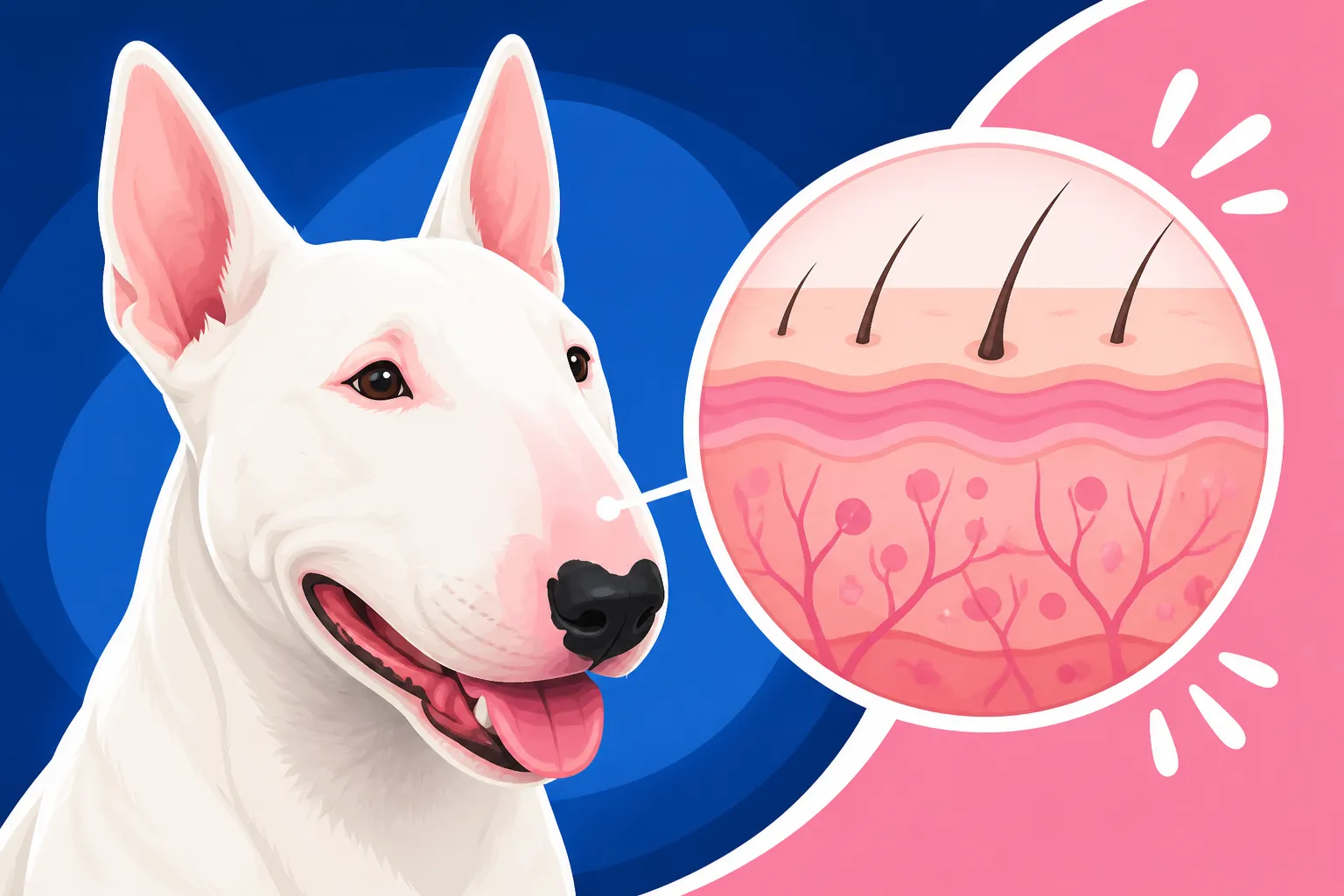
Why a White Bull Terrier’s Skin Is Pink
It's a common sight for Bull Terrier owners, especially those with dazzling white companions: that undeniable, often delicate, pink skin peeking through their sparse, short coats. While it might look charming, many new owners understandably worry, wondering if it's a sign of a problem or just a normal characteristic. This guide will delve into the fascinating reasons behind your white Bull Terrier's pink skin and, more importantly, equip you with the knowledge to care for this sensitive, exposed dermis.
The Science of Color: Why White Means Pink
The pristine white coat of many Bull Terriers is undeniably striking, a hallmark of the breed's historical development. However, what makes their coat so brilliantly white is also directly responsible for the underlying pinkness of their skin. It's not a flaw or an illness; it's a genetic trait tied to the very essence of their appearance.
Melanin: The Pigment Puzzle Piece
To understand why white Bull Terriers have pink skin, we first need to talk about melanin. Melanin is the natural pigment that gives color to skin, hair, and eyes in both humans and animals. There are two main types: eumelanin, which produces black and brown shades, and pheomelanin, which creates red and yellow hues. The amount and type of melanin present in a dog's cells determine its coat color, eye color, and nose pigment. Think of it as the body's natural coloring agent. In most dogs, melanin is abundant, providing protection against the sun's rays and giving them their varied appearances. Their skin is typically darker, often grey or black, acting as a natural shield.
For a dog to have dark skin, the melanocytes – the cells responsible for producing melanin – must be active and widely distributed in the dermal layers. These cells produce the pigment, which then gives the skin its characteristic color. Without sufficient melanin, the skin essentially lacks its natural protective tint. This is precisely what happens with white dogs, and particularly with breeds like the Bull Terrier where the white coat is often very dense but the underlying skin pigment is severely diminished. It’s a delicate balance of genetics that dictates how much, or how little, pigment is expressed.
White Coat, Absent Pigment
The iconic white coat in Bull Terriers, especially the traditional "White Cavalier" type, is largely due to a genetic factor called epistatic white or extreme piebaldism. This gene essentially overrides other color genes, preventing the production or expression of pigment in the coat. The result is a dog that appears entirely white. While the fur is white, the underlying skin cells often have very little to no melanin production. Without the natural brown or black pigments, the blood vessels just beneath the surface become visible, giving the skin that characteristic pink hue. It's similar to how the palms of human hands or the inside of our lips appear pink – because there's less pigment and more visible blood flow.
This lack of pigment isn't just cosmetic; it means the skin is inherently more vulnerable. Where a pigmented dog might have black patches or freckles of melanin on its skin, a white Bull Terrier often has large expanses of uniform pink. This makes their skin more susceptible to external factors, much like fair-skinned people are more prone to sunburn than those with darker complexions. This distinction is crucial for owners to understand, as it directly impacts the daily care and long-term health considerations for their beloved white Bull Terrier. It's beautiful, but it requires a bit more vigilance.
The Inherited Sensitivities of Pink Skin
While the pink skin itself isn't a problem, its very nature means it comes with inherent sensitivities. Owners of white Bull Terriers often learn quickly that what lies beneath that smooth white coat is a delicate canvas requiring extra attention. These sensitivities stem directly from the lack of protective melanin, making them more prone to certain environmental challenges and skin conditions.
Sunburn: A Clear and Present Danger
One of the most immediate and significant concerns for a white Bull Terrier with pink skin is sunburn. Just like fair-skinned humans, skin without sufficient melanin has very little natural defense against harmful ultraviolet (UV) radiation from the sun. A white Bull Terrier can get sunburnt quickly, even on a moderately sunny day, and even through their sparse coat. The areas most at risk are those with the least hair cover or the most direct exposure: the bridge of the nose, ear tips, abdomen, groin, and inner thighs. But frankly, any exposed pink skin is vulnerable.
The consequences of sunburn can range from mild discomfort, redness, and peeling to more severe issues like blistering, pain, and an increased risk of skin infections. Chronic sun exposure and repeated sunburns on these delicate areas can also contribute to more serious long-term health problems. It's not just about a temporary burn; it’s about protecting their health over their lifetime. You might want to read Why a White Bull Terrier Sunburns and Sunburn on a White Bull Terrier for a deeper dive into this specific risk. Prevention is key, and it requires a proactive approach from owners, which we’ll cover in a bit.
Environmental Irritations and Allergies
Beyond sunburn, the pink, less pigmented skin of a white Bull Terrier can also be more reactive to various environmental irritants and allergens. Think of it as having a thinner, less robust barrier against the outside world. Things that might not bother a dog with denser, more pigmented skin could trigger a reaction in a white Bull Terrier. This could include contact with certain grasses, pollens, household cleaners, or even materials in their bedding. Their skin might develop redness, itching, rashes, or hot spots more readily. A Bull Terrier's Skin Is Its Weakest Point is a good article to explore this further, as skin issues are a widespread concern for the breed in general.
Furthermore, white Bull Terriers, like many breeds with limited pigment, can sometimes be predisposed to general skin allergies, regardless of their skin color. However, the pink skin can make the symptoms – like redness, inflammation, and irritation – much more obvious and potentially more uncomfortable for the dog. When their skin becomes inflamed, it often turns an even brighter, angrier shade of pink or red, signaling distress. The challenge for owners is to differentiate between a common irritation and a more serious allergic reaction, often requiring veterinary consultation to pinpoint the cause and establish a management plan. This sensitivity means owners need to be extra vigilant about their environment and diet.
Essential Skincare for Your Pink-Skinned Pal
Caring for a white Bull Terrier's sensitive pink skin isn't about pampering; it's about crucial preventative health. Just like you wouldn't send a fair-skinned child out into the sun without protection, your white Bull Terrier needs a mindful approach to their daily care to keep their skin healthy and happy. It's a commitment that pays off in their comfort and longevity.
Daily Checks and Preventative Measures
One of the most powerful tools in your arsenal is regular observation. Make a habit of performing a quick "skin check" daily or at least several times a week. This means gently parting their short fur, especially in vulnerable areas like their ears, nose, belly, and inner legs, to look for any changes. What are you looking for? Redness, rashes, bumps, scabs, dry patches, or excessive licking or scratching in specific areas. Early detection of any irritation means you can address it before it escalates into a larger problem. For a thorough guide, see The Weekly Skin Check Every Bull Terrier Needs.
Preventative measures for sunburn are paramount. During peak sun hours, which are typically from 10 AM to 4 PM, it's best to keep your white Bull Terrier indoors or in a heavily shaded area. If they must be outside, consider applying a veterinarian-approved dog sunscreen to their exposed pink areas. There are many options available, and you can often find them on platforms like Chewy or Amazon. Some owners also opt for UV-protective dog shirts or rash guards, especially for dogs that enjoy lounging in sunny spots or spending extended time outdoors. Remember, cloudy days aren't foolproof; UV rays can still penetrate clouds and cause damage. Whether a White Bull Terrier Needs Sunscreen offers more advice on this.
Choosing the Right Products for Sensitive Skin
When it comes to bathing and grooming, your white Bull Terrier's sensitive skin dictates careful product choices. Harsh shampoos or those with strong perfumes and dyes can strip the skin of its natural oils, leading to dryness, irritation, and itching. Opt for gentle, hypoallergenic, or oatmeal-based shampoos specifically formulated for sensitive skin. Your vet can often recommend brands, or you can explore options on reputable pet supply sites like Chewy. Always rinse thoroughly to ensure no residue is left behind, which can also cause irritation. Which Shampoo Suits a Bull Terrier's Skin is a great resource here.
Beyond shampoo, consider the environment inside your home. Using unscented laundry detergents for their bedding and avoiding harsh chemical cleaners on floors where they lie can make a big difference. For localized dry patches or minor irritations, your vet might suggest soothing balms or moisturizers designed for dogs. However, always consult with your veterinarian before applying any topical treatments, as some ingredients can be harmful if ingested when your dog licks the area. Regular brushing with a soft brush, though their coat is short, can also help distribute natural oils and remove loose hairs, keeping the skin and coat healthy.
Diet's Role in Skin Health
What goes into your Bull Terrier’s bowl can have a significant impact on their skin health, especially for those with sensitivities. A high-quality, balanced diet rich in essential fatty acids (like Omega-3 and Omega-6) can promote a healthy skin barrier and a lustrous coat. These fatty acids help reduce inflammation and support the skin's natural defense mechanisms. Look for dog foods that list sources of these fats, such as fish oil or flaxseed. Brands like Ollie, known for fresh, whole-ingredient diets, or other premium kibbles available on Chewy, often focus on formulations that support overall health, including skin and coat.
If your Bull Terrier experiences persistent skin issues, your veterinarian might recommend a specific diet, such as a limited ingredient diet or a novel protein diet, to rule out food allergies. Sometimes, supplements like fish oil capsules can be added to their regular food, but always under veterinary guidance. Ensuring your dog is well-hydrated is also important for skin elasticity and overall health. Fresh water should always be readily available. A healthy diet doesn't just nourish their body; it builds resilience for their delicate pink skin from the inside out.
Recognizing and Addressing Skin Problems
Even with the best preventative care, skin issues can sometimes arise in white Bull Terriers. Their particular genetic makeup, coupled with environmental factors, means owners need to be astute observers and proactive in seeking veterinary advice when needed. Knowing what to look for and when to act can prevent minor irritations from becoming major medical challenges.
Signs of Trouble: What to Look For
Being familiar with your Bull Terrier’s normal skin is the first step in recognizing when something is amiss. Their pink skin should generally be smooth, supple, and free from excessive redness, scabs, or lesions. However, given its sensitivity, keep an eye out for these common indicators of a problem:
- Persistent Itching or Scratching: If your dog is constantly scratching, licking, or chewing at their skin, especially in specific areas, it's a red flag.
- Redness and Inflammation: Beyond the normal pink, look for angry red patches, swelling, or hot spots.
- Rashes or Bumps: Any unusual raised areas, pustules, or widespread rash can indicate an allergic reaction, infection, or irritation.
- Dry, Flaky Skin or Dandruff: While a little dry skin can happen, excessive flakiness or dandruff might signal a need for dietary changes, humidifiers, or specific topical treatments.
- Hair Loss: Bald patches, especially if accompanied by redness or itching, can be a symptom of various conditions, including allergies, parasites like Demodex mites (see Demodectic Mange in a Bull Terrier), or even hormonal imbalances.
- Changes in Pigmentation: While rare for white Bull Terriers to gain pigment, unusual darkening or thickening of the skin could indicate chronic inflammation.
- Pain or Tenderness: If your dog recoils when you touch a certain area, there's likely an underlying issue.
Remember, the white coat can sometimes make it harder to spot subtle skin changes, so tactile checks are as important as visual ones. Don’t hesitate to gently part the fur and run your hands over their body regularly.
Common Ailments and Their Management
Due to their genetic predisposition and skin type, white Bull Terriers can be prone to a few specific skin ailments.
- Sunburn and Sun-Induced Dermatitis: As discussed, sunburn is a primary concern. Beyond acute burns, chronic sun exposure can lead to actinic keratosis (pre-cancerous lesions) and even squamous cell carcinoma, a type of skin cancer. Prevention is critical, and prompt veterinary attention for any suspicious lesions is essential. Whether a Bull Terrier Gets Skin Cancer covers this in more detail.
- Allergies: White Bull Terriers can suffer from environmental allergies (atopy) or food allergies. Symptoms often include intense itching, recurrent ear infections, and skin inflammation. Management typically involves identifying and avoiding triggers, antihistamines, medicated shampoos, and sometimes prescription medications. Products found on Amazon, like specialized hypoallergenic treats or air purifiers, might offer some relief as part of a broader strategy. You might be interested in What a Bull Terrier Is Most Often Allergic To.
- Demodectic Mange: Bull Terrier puppies, especially those with slightly compromised immune systems, can be susceptible to demodectic mange, caused by tiny mites that live in hair follicles. While not exclusive to white dogs, their sensitive skin might react more noticeably. Treatment usually involves specific medications prescribed by a vet.
- Zinc Responsive Dermatosis: This is a condition where dogs have difficulty absorbing zinc from their diet, leading to specific skin lesions, often around the eyes, mouth, and pressure points. While not strictly color-related, it can sometimes be seen in certain breeds and manifest on sensitive skin. Your vet can diagnose and treat this with zinc supplementation. Explore Zinc Responsive Dermatosis in a Bull Terrier for more information.
Any persistent skin issue, intense itching, or an open wound warrants a visit to your veterinarian. They can conduct diagnostic tests, such as skin scrapings, cytology, or allergy testing, to accurately diagnose the problem and recommend the most effective treatment plan. Early intervention is always best to keep your Bull Terrier comfortable and healthy.
Long-Term Skin Health: A Lifetime Commitment
Caring for a white Bull Terrier's pink skin isn't a one-time fix; it's a continuous journey that evolves with your dog's age, environment, and overall health. From puppyhood through their senior years, their skin requires consistent attention and adaptation to new challenges.
Adapting Care Through the Years
A Bull Terrier puppy's skin is often incredibly soft and delicate. As they grow, their skin will develop a bit more resilience, but the underlying sensitivity due to lack of pigment remains. In their younger years, focus heavily on establishing good sun protection habits and introducing them gently to grooming routines so they become accustomed to skin checks and bathing. As they reach adulthood, maintain these routines, being vigilant for signs of environmental allergies or other skin conditions that might develop. How a Bull Terrier's Skin Changes With Age highlights that even senior Bull Terriers can present new skin challenges, making ongoing vigilance crucial.
For senior white Bull Terriers, you might find their skin becomes thinner, drier, or more prone to age-related lumps and bumps. Regular veterinary check-ups are even more important to screen for skin cancers, which can become more prevalent with age and cumulative sun exposure. Keep them comfortable, continue using gentle products, and consult your vet for any new skin growths or persistent irritations. Their comfort and quality of life depend on your continued dedication to their unique needs.
Environmental Adjustments and Holistic Support
Beyond direct skin care products, consider how your Bull Terrier's living environment impacts their skin. In dry climates or during winter months when indoor heating can be dehydrating, a humidifier can add moisture to the air, helping to prevent dry, itchy skin. Providing soft, clean bedding that is washed regularly with hypoallergenic detergent can prevent contact dermatitis. For dogs prone to paw pad irritation, especially when walking on hot pavement or abrasive surfaces, dog booties or paw balms can offer protection.
Furthermore, a holistic approach to your Bull Terrier's health directly supports their skin. Regular exercise, appropriate mental stimulation, and a low-stress environment can all contribute to a stronger immune system, which in turn helps their skin health. Stress, for example, can exacerbate skin conditions like excessive licking or hot spots. Ensuring your Bull Terrier is happy, well-adjusted, and healthy overall provides the best foundation for their sensitive skin to thrive.
| Skin Feature | Typical Pigmented Dog | White Bull Terrier (Pink Skin) | Key Care Consideration |
|---|---|---|---|
| Color | Black, brown, grey, spotted | Uniform pink | Increased visibility of blood vessels. |
| Melanin Content | High | Very low to absent | No natural UV protection. |
| Sunburn Risk | Low to moderate (depends on coat density) | High | Always require sun protection (sunscreen, shade, clothing). |
| Allergy/Irritation Reactivity | Moderate | Potentially higher; symptoms more visible | Use hypoallergenic products, monitor environment closely. |
| Visible Veins/Blood Vessels | Less prominent | Very prominent | Normal, not usually a concern unless accompanied by other symptoms. |
| Skin Conditions | Can get various conditions | Susceptible to sun damage, allergies, zinc issues. | Early detection and vet consultation are crucial. |
Partnering with Your Veterinarian
Your veterinarian is your most important ally in managing your white Bull Terrier's sensitive skin. Don't underestimate the value of professional advice, especially when dealing with persistent or worsening skin conditions. They can help you differentiate between common irritations and more serious underlying health issues. What a Bull Terrier's Dermatologist Charges is a cost consideration, but specialists can be invaluable for chronic or complex cases.
Regular wellness exams are an opportunity to discuss any skin concerns, no matter how minor they may seem. Your vet can perform diagnostic tests, prescribe appropriate medications, recommend specialized diets, or refer you to a veterinary dermatologist if needed. They can also offer guidance on the best preventative strategies tailored to your specific dog's needs and your local environment. Building a strong, trusting relationship with your vet ensures your white Bull Terrier receives the best possible care for their unique and beautiful pink skin throughout their life.
Disclaimer
This article is for general informational purposes only and does not constitute professional advice. Laws, prices and regulations vary by location and change over time. Consult a qualified professional for guidance on your specific situation.