How Much a Bull Terrier Sheds
One of the biggest misconceptions new Bull Terrier owners, or even just those admiring these unique dogs, often have is that their short coats mean they don't shed. Oh, if only that were true! While they don't have the flowing locks of a Golden Retriever or the dense undercoat of a Husky, Bull Terriers absolutely shed, and their particular type of hair can be surprisingly pervasive. If you're wondering how much Bull Terrier hair you'll be finding around your home and on your clothes, you're in the right place, because we're going to dive deep into the reality of living with a shedding Bull Terrier.
The Truth About the Bull Terrier's Coat and Shedding
It’s easy to look at a Bull Terrier’s sleek, short coat and assume that shedding won't be much of an issue. After all, compared to some of the fluffy breeds out there, it seems like a dream. But this assumption often leads to a bit of a shock for new owners. The truth is, almost all dogs shed, and the Bull Terrier is no exception. Their shedding pattern and the nature of their hair just present a different kind of challenge.
Understanding the Bull Terrier's Unique Coat Texture
A Bull Terrier’s coat is quite distinctive. It's short, flat, and usually feels rather harsh to the touch, almost bristly, especially compared to the soft, plush coats of many other breeds. While they do have a double coat with a coarser outer layer and a softer undercoat, it’s not nearly as thick or noticeable as in breeds designed for colder climates. In fact, many Bull Terriers only have a very sparse undercoat, or sometimes appear to have none at all, making them more vulnerable to the cold and heat. This short, dense outer coat is what you’ll primarily be dealing with when it comes to shedding. The hair might be short, but there's a lot of it, densely packed onto their muscular bodies.
What this means in practical terms is that while you won't be dealing with tumbleweeds of long hair rolling across your floors, you'll still encounter a consistent scattering of short, stiff hairs. These hairs have a knack for weaving themselves into fabric, sticking to upholstery, and becoming surprisingly embedded in carpets. It's a different kind of hair management than with a long-haired dog, but management it is, nonetheless. To truly appreciate what you're up against, it helps to understand What a Bull Terrier's Coat Is Like in more detail.
The Myth of the Non-Shedding Short-Haired Dog
The common belief that short-haired dogs don't shed much is a persistent myth, and it often catches people off guard. When people think "shedding," they often visualize piles of fluff from a fluffy dog. So, when they see a smooth-coated dog like a Bull Terrier, they logically, but incorrectly, assume it will be low-shedding. This expectation versus reality can be a real source of frustration, especially for those who might have chosen the breed partly for perceived ease of grooming.
All dogs shed to some degree as part of their natural hair growth cycle, replacing old or damaged hair with new. The difference lies in the type of hair and how it's released. For a Bull Terrier, the short, stiff hairs shed individually and frequently, rather than clumping together and falling out in noticeable tufts. This constant, almost invisible shedding means that while you might not see massive piles, you'll find a fine layer of hair settling on every surface, often blending in with lighter furniture or standing out sharply on darker items. It’s definitely a daily battle, not just a seasonal one.
When and Why Bull Terriers Shed (The Shedding Cycle)
Understanding the shedding cycle of your Bull Terrier can help you anticipate the ebb and flow of hair around your home and develop effective management strategies. It’s not just a random occurrence; there are patterns and reasons behind it.
Seasonal Shedding vs. Year-Round Hair Drop
Like many breeds, Bull Terriers do experience seasonal shedding, often referred to as "blowing their coat." This typically happens twice a year, usually in the spring as they shed their denser winter coat to prepare for warmer weather, and again in the fall as they grow in a new, thicker coat for winter. During these times, you might notice a more significant increase in the amount of hair your Bull Terrier is shedding. This is a natural process, and while it can seem intense, it's usually temporary. During these periods, you might be asking yourself, How Much a Bull Terrier Sheds in Spring?
However, don't be fooled into thinking shedding is only a seasonal event. Bull Terriers, largely due to their short, single or very sparse double coat, are pretty much year-round minimal-to-moderate shedder. The controlled indoor environments we create for our dogs, with consistent temperatures and artificial light, can also disrupt natural seasonal shedding cues. This means many indoor dogs, including Bull Terriers, shed a more consistent, moderate amount throughout the entire year, rather than having extreme "blow-outs" followed by periods of no shedding. So, while you'll see peaks, expect a baseline of hair all the time.
Factors Influencing Shedding Levels
Beyond the natural shedding cycle, several factors can influence how much your Bull Terrier sheds. Recognizing these can sometimes help you mitigate excessive shedding or identify when it might be a sign of an underlying issue. One of the most significant influences is diet. A Bull Terrier fed a low-quality diet lacking essential nutrients, particularly omega fatty acids, may have a dull, dry coat and shed more excessively. Good nutrition is foundational to healthy skin and coat.
Stress and anxiety can also contribute to increased shedding. Just like humans, dogs can "stress shed." If your Bull Terrier has recently experienced a significant change, a new environment, or increased anxiety, you might notice more hair loss. Furthermore, various health conditions can impact shedding. Allergies, both environmental and food-related, can cause itching and irritation leading to increased shedding. Parasites like fleas and mites, fungal infections, and even hormonal imbalances (such as hypothyroidism) can manifest as poor coat quality and excessive hair loss, sometimes even resulting in bald patches. This is why A Bull Terrier's Skin Is Its Weakest Point, and requires careful monitoring. If you notice a sudden, dramatic increase in shedding, or if it's accompanied by other symptoms like itching, redness, or bald spots, it's always best to consult your vet.
What to Expect: Quantifying Bull Terrier Shedding
So, if all dogs shed, and Bull Terriers shed year-round, what does that actually look like? It's not about comparing them to a breed known for heavy shedding, but understanding the unique characteristics of their hair and how it infiltrates your life.
Comparing Bull Terrier Shedding to Other Breeds
It's helpful to put Bull Terrier shedding into perspective by comparing it to other breeds. They certainly don't shed as profusely as, say, a German Shepherd or a Golden Retriever during their seasonal coat blows. You won't find large clumps of undercoat coming out in handfuls. However, they definitely shed more than a Poodle or a Bichon Frise, which are often considered "hypoallergenic" due to their hair growth cycle being more like human hair (shedding less frequently, and often catching shed hair in their existing coat).
A Bull Terrier falls somewhere in the middle – a moderate, consistent shedder. Think of it like a Lab or a Beagle, but with even shorter, stiffer hairs that are prone to embedding themselves. The perception of shedding is also key. Because their hairs are short and often light-colored (especially if you have a white Bull Terrier), they can be less noticeable on light surfaces, but they stand out starkly on dark clothing and upholstery. This table gives a rough comparative idea, but remember, individual dogs vary!
| Breed | Hair Length | Shedding Level (Perception) | Hair Type & Impact |
|---|---|---|---|
| Poodle | Long, curly | Very Low | Hair often catches in existing coat; less free-floating. |
| Bull Terrier | Short, stiff | Moderate, consistent | Short, bristly hairs embed deeply in fabric, often spiky. |
| Labrador Retriever | Short, dense | Moderate to High | Dense double coat; sheds significantly, especially seasonally. |
| German Shepherd | Medium, dense | High, seasonal "blows" | Lots of undercoat; significant loose hair and tumbleweeds. |
| Beagle | Short, dense | Moderate | Similar to Bull Terrier, but hairs often finer; constant shed. |
| Border Collie | Medium/Long | Moderate to High | Fluffy undercoat; visible hair clumps and matting potential. |
As you can see, the Bull Terrier sits squarely in the "moderate" category, but with that unique "embedding" characteristic that sets it apart from many other moderate-shedding dogs. Knowing How Much a Short Coated Bull Terrier Actually Sheds can help manage expectations.
The Type of Hair You'll Find
The most notable characteristic of Bull Terrier shedding, beyond the quantity, is the quality of the hair itself. It’s typically short, straight, and quite stiff. If you have a white or mostly white Bull Terrier, these hairs will be especially noticeable on dark fabrics. If you have a colored Bull Terrier, especially a brindle or tri-color, the varied hair colors might camouflage a little better, but they’ll still be there.
These hairs don't just sit on surfaces; they have a remarkable ability to weave themselves into carpets, upholstery, and clothing. They can be surprisingly sharp, capable of pricking your skin if you kneel on a patch. Unlike softer, longer hairs that might ball up and be easily picked off, Bull Terrier hairs tend to stick tenaciously. This means that a quick lint roll often isn't enough, and even powerful vacuums can struggle to extract every last hair from certain fabrics. If you've ever wondered Whether Bull Terrier Hair Sticks Into Fabric, the answer is a resounding yes, and then some! They become one with your textiles, creating a permanent, fuzzy embellishment to your home decor and wardrobe.
Practical Strategies for Managing Bull Terrier Shedding
While you can't stop a Bull Terrier from shedding (nor should you try, as it's a natural process), you can absolutely manage it effectively. The key is consistency and using the right tools and techniques.
Grooming Tools and Techniques
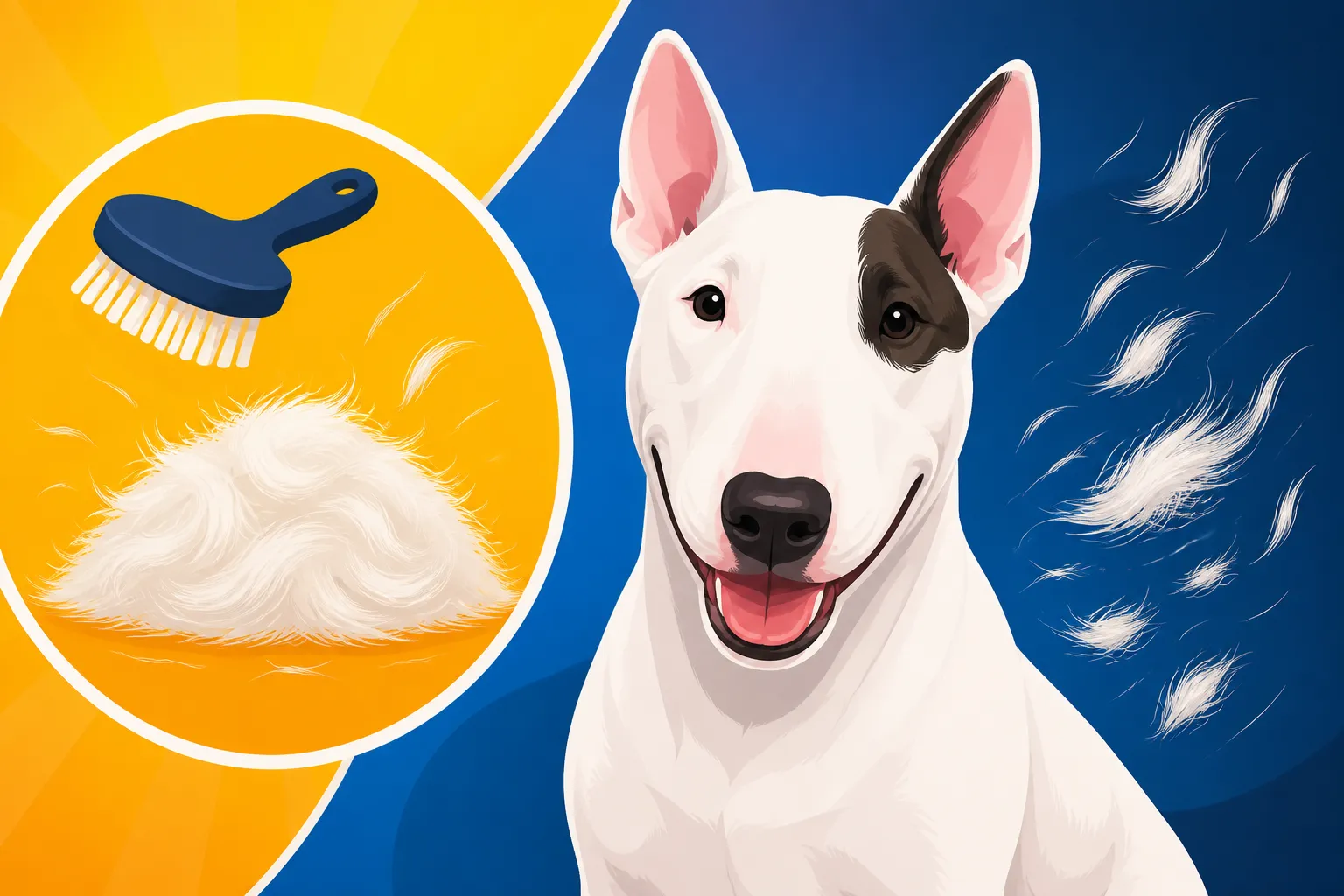
Regular brushing is your absolute best defense against a house full of Bull Terrier hair. It removes loose hairs before they have a chance to settle on your furniture or clothes. For a Bull Terrier's short, stiff coat, specific tools work best. A rubber curry brush or a grooming mitt with rubber nubs is incredibly effective. These tools gently massage the skin, stimulating circulation and bringing loose hairs to the surface, which the rubber then grabs and holds. You'll be amazed at how much hair comes off even a seemingly smooth coat.
Aim for brushing your Bull Terrier at least 2-3 times a week, and daily during peak shedding seasons. Use short, firm strokes, working section by section. After going over the whole body, you can finish with a damp cloth or a soft bristled brush to pick up any remaining surface hairs and give their coat a lovely sheen. Consistency is far more important than intensity; a few minutes every other day will make a much bigger difference than an hour-long session once a month. When looking for the right tools, you might find some great options on Amazon or Chewy. Understanding Which Brush Suits a Bull Terrier will make your grooming efforts much more efficient.
Bathing and Skin Care for Shedding Reduction
Bathing your Bull Terrier regularly can also help remove loose hair and keep their skin and coat healthy. However, "regularly" doesn't mean daily or even weekly for most Bull Terriers. Over-bathing can strip natural oils, leading to dry, irritated skin, which can, paradoxically, increase shedding. For most Bull Terriers, a bath every 4-6 weeks is sufficient, perhaps a little more frequently during heavy shedding periods.
When you do bathe your Bull Terrier, use a high-quality shampoo specifically formulated for dogs. Look for options that are moisturizing and gentle, perhaps containing oatmeal or aloe, especially if your Bull Terrier has sensitive skin. While shampoo won't stop shedding, it will help loosen dead hairs, allowing them to rinse away in the tub rather than falling out around your house. A good rinse followed by thorough drying with a towel (and perhaps a low-heat blow dryer if your dog tolerates it) will remove a significant amount of loose hair. If your Bull Terrier has particularly sensitive skin, which is common for the breed, researching Which Shampoo Suits a Bull Terrier's Skin is crucial.
Diet and Supplements for a Healthy Coat
What goes into your Bull Terrier's body directly impacts the health of their skin and coat, and by extension, their shedding levels. A diet rich in high-quality protein, essential fatty acids (especially Omega-3 and Omega-6), and vitamins can promote a strong, healthy coat and minimize excessive shedding. Conversely, a diet with poor ingredients or lacking these vital nutrients can lead to a dull, dry, and brittle coat that sheds more easily.
Look for dog foods where a named meat source (e.g., chicken, lamb, salmon) is the first ingredient. Many owners find success with fresh food options like Ollie, which are often formulated with high-quality, human-grade ingredients that support coat health. You can also consider adding supplements to your Bull Terrier's diet. Fish oil, flaxseed oil, or specialized skin and coat supplements (often found on Chewy or Amazon) can provide an extra boost of Omega fatty acids, which are crucial for maintaining skin hydration and a glossy, healthy coat. Always consult your vet before adding new supplements to your dog's diet to ensure they're appropriate and in the correct dosage. It's truly amazing Whether a Bull Terrier's Skin Improves With Diet, and you'll likely see a reduction in shedding as a healthy side effect.
Living with Bull Terrier Hair: Cleaning Tips and Tricks
Even with diligent grooming and a great diet, some Bull Terrier hair is inevitable. The trick is to have a robust cleaning strategy in place to minimize its impact on your home and wardrobe.
Protecting Your Home and Furniture
Your furniture is often the biggest magnet for Bull Terrier hair. To protect your sofas and chairs, consider using washable slipcovers or throws. These can be tossed in the washing machine regularly, making cleanup much easier than trying to de-hair upholstery every day. Choose fabrics that are less prone to attracting and embedding hair, or at least ones that are easy to clean. Leather and some tightly woven synthetic fabrics tend to be better than plush velvets or open-weave upholstery.
Regular vacuuming is non-negotiable. Invest in a good quality vacuum cleaner designed for pet hair, as these often have stronger suction and specialized attachments (like rotating brushes) that are more effective at pulling embedded hairs from carpets and rugs. Robotic vacuums can also be a godsend for daily maintenance, picking up the surface hair before it has a chance to settle too deeply. For hard floors, a microfiber mop or an electrostatic sweeper can quickly gather hair that might otherwise get pushed around by a broom.
Clothing and Laundry Solutions
Bull Terrier hair on your clothes is a common badge of honor for owners. Lint rollers are your best friend here. Keep one by the door, in your car, and in your bag for quick touch-ups before you head out. For laundry, there are a few tricks. Before putting clothes with a lot of pet hair into the washing machine, give them a good shake outside or a quick run with a lint roller to remove as much hair as possible. Excess hair can clog your washer's filter and even transfer to other clothes.
Using white vinegar in the rinse cycle (about half a cup) can help relax fabric fibers and release pet hair. Dryer sheets can also help reduce static cling, which often makes hair stick to clothes. Always clean your dryer's lint trap after every load, especially if you've washed items covered in Bull Terrier hair. For especially hairy items, a quick tumble in the dryer before washing (on a no-heat setting with a dryer sheet) can sometimes loosen a surprising amount of hair that will then be caught in the lint trap.
When Shedding Might Signal a Problem
While shedding is a normal part of dog ownership, there are times when changes in your Bull Terrier's coat or shedding pattern could indicate an underlying health issue. It’s important to be vigilant and know when to seek professional advice.
Excessive Shedding or Bald Patches
A sudden, dramatic increase in shedding that doesn't correspond to seasonal changes, or the appearance of bald patches, are definite red flags. If your Bull Terrier is losing hair in clumps, developing thin spots, or has areas of complete hair loss, it's time for a vet visit. This kind of excessive shedding can be a symptom of various medical problems.
Common culprits include allergies (environmental, food, or flea allergies) which can lead to intense itching and self-trauma, causing hair loss. Skin infections (bacterial, fungal, or yeast) can also cause irritation and shedding. Parasites like demodectic mange, which Bull Terriers are particularly prone to, or even sarcoptic mange, can result in significant hair loss and skin issues. Hormonal imbalances, such as hypothyroidism or Cushing's disease, can also manifest as a dull coat and symmetrical hair loss. If you see What a Bull Terrier's Bald Patch Means, it's always best to get it checked out by a veterinarian promptly.
Other Concerning Skin or Coat Changes
Beyond just shedding, pay attention to any other changes in your Bull Terrier's skin and coat that seem unusual. A healthy Bull Terrier should have a relatively shiny, smooth coat and supple, clear skin. Signs of trouble include a dull, dry, or brittle coat that lacks luster. Flaky skin, redness, sores, scabs, or a greasy feel to the skin are all indications that something isn't right. Persistent scratching, licking, or chewing at their coat can also be a sign of discomfort, even if you don't immediately see hair loss.
These changes can sometimes be subtle, which is why a routine The Weekly Skin Check Every Bull Terrier Needs is so important. By regularly examining your dog's skin, you can catch issues early before they become more severe. Early detection of skin problems or underlying health issues can lead to quicker and more effective treatment, getting your Bull Terrier back to their healthy, moderately-shedding self. Don't hesitate to reach out to your veterinarian if you have any concerns about your Bull Terrier's coat or skin health; they are your best resource for diagnosis and treatment.
Disclaimer
This article is for general informational purposes only and does not constitute professional advice. Laws, prices and regulations vary by location and change over time. Consult a qualified professional for guidance on your specific situation.