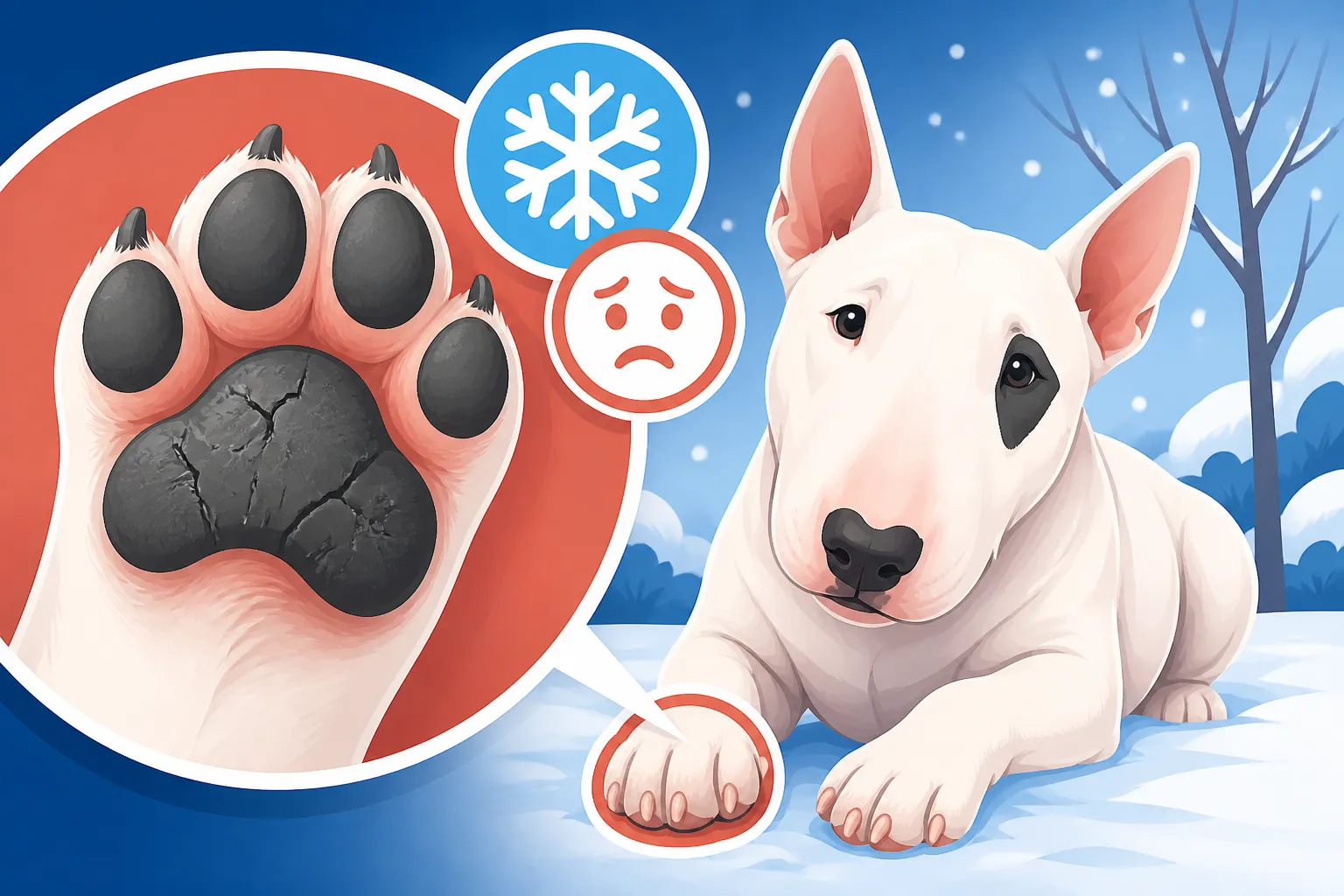
Whether a Bull Terrier’s Feet Crack in Winter
The crisp winter air might feel invigorating for you, but for your beloved Bull Terrier, it often brings a unique set of challenges, particularly when it comes to their seemingly tough but surprisingly sensitive paws. Many Bull Terrier owners find themselves wrestling with dry, cracked, and painful paw pads during the colder months, leading to limping, licking, and general discomfort for their energetic companions. This guide is here to walk you through why your Bull Terrier's feet are so vulnerable in winter, and more importantly, what actionable steps you can take to prevent and treat those dreaded cracks, keeping their magnificent trot happy and healthy all season long.
Why Winter Takes Such a Toll on Your Bull Terrier's Paws
It's easy to assume that because Bull Terriers are such robust, sturdy dogs, their paws would be impervious to the elements. After all, they’re built for activity! But the reality is, their paw pads, while thick, are not invincible. They are actually quite susceptible to the harsh conditions that winter throws our way.
The Anatomy of a Vulnerable Paw
Unlike some breeds that have a dense coat of fur that extends between their paw pads, offering an extra layer of insulation and protection, your Bull Terrier’s feet often have sparser hair in these areas. This means their pads are more directly exposed to cold temperatures, icy surfaces, and the sheer dryness of winter air. Imagine walking barefoot on icy pavement every day – that's essentially what your Bull Terrier is doing, especially when they're eager for their daily adventures.
Moreover, the skin on their paw pads, like human skin, can become dehydrated in low humidity environments. When the air outside is cold and dry, and the air inside your home is even drier thanks to heating systems, that moisture gets sucked right out of their pads. This leads to a loss of elasticity, making the pads stiff and prone to cracking, especially when subjected to the constant impact of walking and running. A small, seemingly insignificant crack can quickly deepen, becoming incredibly painful and opening the door to infection, which is the last thing any of us want for our playful pups.
The Environmental Aggressors of Winter
It's not just the cold and dry air that causes problems. Winter brings a host of other irritants that can wreak havoc on your Bull Terrier's paws.
- Ice and Snow: Walking on abrasive ice and crusty snow can be like walking on sandpaper. The sharp edges can cause tiny cuts and abrasions that compromise the integrity of the paw pads.
- De-icing Salts and Chemicals: This is perhaps one of the biggest culprits. While essential for keeping our sidewalks safe, rock salt, calcium chloride, and other de-icing chemicals are incredibly irritating and corrosive to paw pads. They can cause chemical burns, extreme dryness, and inflammation, making existing cracks worse and initiating new ones. Many Bull Terriers will try to lick their paws after walks, ingesting these harmful chemicals in the process.
- Cold Temperatures: Prolonged exposure to extreme cold can lead to frostnip or even frostbite on sensitive paw pads, damaging the tissue and making it more susceptible to cracking and infection. How a Bull Terrier Handles Cold delves into more detail about how these wonderful dogs cope with chilly weather in general.
Understanding these factors is the first step in creating a proactive plan to protect your Bull Terrier's precious paws throughout the winter months. It's a common frustration for many owners, so know you're not alone in noticing these issues.
Proactive Prevention: Protecting Those Paws Before Problems Start
The best offense is a good defense, and when it comes to your Bull Terrier's paws in winter, prevention truly is key. There are several effective strategies you can implement to keep their pads healthy and hydrated.
Daily Paw Care Routine
Just like we moisturize our own hands in winter, your Bull Terrier's paws need regular attention. A consistent routine can make all the difference.
- Paw Balms and Waxes: These are your best friends in winter. Products specifically designed for dog paws create a protective barrier against harsh elements like ice, salt, and cold. They also help to moisturize the pads, keeping them supple and preventing dryness. Look for balms with natural ingredients like beeswax, shea butter, and vitamin E. Before walks, rub a generous amount onto each paw, making sure to get between the pads. After walks, especially if your Bull Terrier hasn't worn booties, clean their paws thoroughly and then reapply balm to soothe and protect. Many excellent options are available from retailers like Chewy or Amazon.
- Wiping Paws After Every Outing: This is a non-negotiable step, especially in areas where de-icing chemicals are used. Keep a towel by the door and thoroughly wipe your Bull Terrier's paws as soon as you come inside. This removes any salt, chemicals, ice, or dirt that could irritate their pads or be ingested if they lick their feet. For an even better clean, use a warm, damp cloth or dog-specific paw wipes. This simple habit can prevent a lot of pain and potential chemical burns.
Physical Barriers for Ultimate Protection
Sometimes, balms aren't enough, especially for longer outings or in extremely harsh conditions. This is where physical protection comes in.
- Dog Booties: I know, I know. Getting a Bull Terrier to wear booties can feel like an Olympic sport. Many dogs resist them at first, but with patience and positive reinforcement, most will tolerate them. Start by introducing them indoors for short periods, pairing them with treats and praise. Gradually increase the time they wear them. Booties offer the best protection against ice, snow, and de-icing chemicals, creating an impenetrable barrier. They come in various styles, from silicone boots for light protection to rugged, insulated versions for heavy-duty winter use. Make sure to choose the right size for your Bull Terrier's unique paw shape – too tight will be uncomfortable, and too loose will just fall off. Don't feel discouraged if it takes a few tries to find a pair that works.
- Limiting Exposure: On days with extreme cold, heavy salt application, or icy conditions, consider shortening your walks or opting for indoor activities. A quick potty break outside with thorough paw wiping might be all they need, followed by some stimulating indoor games to burn off energy. How Much Exercise a Bull Terrier Actually Needs can help you find creative ways to keep them active indoors.
General Health and Hydration
A Bull Terrier's overall health and hydration play a role in paw pad condition.
- Proper Nutrition: A well-balanced diet rich in omega fatty acids can contribute to healthy skin and coat, including the skin on their paw pads. Consider supplements if your vet recommends them. Companies like Ollie often focus on high-quality, nutritious meals that can support overall skin health.
- Hydration: Ensure your Bull Terrier always has access to fresh water. Good hydration from the inside out helps maintain skin elasticity.
Here’s a quick overview of paw protection methods:
| Protection Method | Pros | Cons | Best For |
|---|---|---|---|
| Paw Balms/Waxes | Easy to apply, moisturizes, creates a barrier, readily available. | Needs frequent reapplication, less protection against sharp objects. | Everyday walks, mild cold, dry indoor air, post-walk soothing. |
| Dog Booties | Superior protection from ice, salt, chemicals, sharp objects. | Acceptance can be a challenge, sizing can be tricky, may reduce grip. | Harsh conditions, long walks, heavy snow/ice, chemical-treated surfaces. |
| Paw Wipes/Warm Cloth | Essential for removing irritants, quick, easy cleanup. | No protective barrier, only for cleaning after exposure. | Post-walk cleanup, removing salt/chemicals. |
Remember that consistency is vital. Just a few minutes of care each day can prevent weeks of discomfort for your Bull Terrier.
When Cracks Appear: Treating and Managing Sore Paws
Despite our best efforts, sometimes winter wins, and those painful cracks still appear on your Bull Terrier’s paws. It’s a frustrating setback, but knowing how to respond quickly and effectively can minimize their discomfort and prevent further complications.
First Aid at Home for Minor Cracks
For small, superficial cracks, you can often provide immediate relief and promote healing at home.
- Gentle Cleaning: Always start by gently cleaning the affected paw with warm water and a mild, pet-safe antiseptic soap if recommended by your vet. Pat it completely dry. This prevents bacteria from entering the crack, which can quickly lead to infection.
- Moisturizing and Soothing Balms: Apply a generous amount of a therapeutic paw balm or pure, pet-safe moisturizer like coconut oil. Look for balms that specifically state they are for cracked paws, as they often contain ingredients that aid healing and provide pain relief. Apply several times a day, especially before bed, to allow the product to work without being immediately licked off. If your Bull Terrier is a persistent licker, you might need to use a soft cone collar for a short period to let the balm absorb.
- Soft Socks or Booties: To keep the balm on and prevent licking, consider putting a soft dog sock or light bootie on the affected paw after applying the balm. This also protects the healing pad from further irritation during short indoor activities.
Keep a close eye on the crack. Is it getting deeper? Is there any redness, swelling, or discharge? If you notice any signs of worsening, it’s time to call in the professionals.
When to Seek Veterinary Attention
It’s crucial to know when a paw crack has gone beyond home care. Don't hesitate to contact your veterinarian if you observe any of the following:
- Deep or Bleeding Cracks: If the crack is deep, consistently bleeding, or looks like it has exposed deeper tissue, it needs professional assessment. Deep cracks are extremely painful and highly susceptible to severe infections.
- Signs of Infection: Redness, swelling, warmth to the touch, pus or discharge, a foul odor, or fever are all clear indicators of infection. Your Bull Terrier may need antibiotics, anti-inflammatories, or specialized wound care.
- Limping or Reluctance to Walk: If your Bull Terrier is clearly in pain, favoring a paw, or refusing to put weight on it, the crack is likely more severe than it appears and warrants veterinary attention.
- Persistent Licking or Chewing: While some licking is natural, obsessive licking or chewing can worsen the wound and indicate significant discomfort or an underlying issue. A Bull Terrier's Skin Is Its Weakest Point can give you a broader understanding of how sensitive their skin can be and why constant licking is a red flag.
- Lack of Improvement: If after a few days of consistent home care, the crack shows no signs of healing or seems to be getting worse, it's best to have a vet examine it.
Your vet can properly clean the wound, prescribe appropriate medication, and even recommend special protective dressings to facilitate healing. They can also rule out other underlying conditions that might be making your Bull Terrier’s paws more fragile. Remember, their comfort and well-being are paramount.
Long-Term Paw Health: Beyond the Winter Woes
While winter is often the season of cracked paws, maintaining optimal paw health for your Bull Terrier is a year-round commitment. By integrating consistent care into their routine, you can build resilience in their pads and reduce their vulnerability to environmental stressors, no matter the season.
Consistent Maintenance and Inspection
Your Bull Terrier’s paws should be part of your regular health checks, not just during winter. The Weekly Skin Check Every Bull Terrier Needs emphasizes the importance of thorough inspections, and this certainly extends to their feet.
- Regular Examinations: Get into the habit of gently examining your Bull Terrier's paw pads at least once a week. Check for any signs of dryness, redness, cuts, foreign objects lodged between the pads (like burrs or small stones), or unusual lumps. Pay attention to the nails too; overgrown nails can put pressure on the paw pads and lead to discomfort or injury. Trimming a Bull Terrier's Nails While It Fights You offers tips on managing this often-challenging task.
- Moisturize Year-Round (if needed): While balms are critical in winter, if your Bull Terrier naturally has dry paw pads, a light, protective balm applied a few times a week throughout the year can help maintain their suppleness and prevent issues from developing. This is especially true if you live in a perpetually dry climate or if your home is always heated or air-conditioned, which can dry out the air.
- Healthy Weight Management: Keeping your Bull Terrier at a healthy weight reduces the overall stress and impact on their paws, joints, and ligaments. Excess weight can make paw pads wear down faster and make existing cracks more painful due to increased pressure.
Environmental Awareness and Adaptations
Being mindful of your environment, even outside of winter, can help protect those sensitive paws.
- Hot Pavement in Summer: Just as cold and ice are threats, hot asphalt or concrete in summer can cause severe burns to paw pads. Always check the pavement temperature with the back of your hand before walking your Bull Terrier. If it's too hot for your hand, it's too hot for their paws. Opt for walks during cooler parts of the day or on grassy areas.
- Rough Terrain: While Bull Terriers are sturdy, excessive running on very rough or abrasive surfaces (like gravel or rocky trails) can cause premature wear and tear on their paw pads. Vary your walking surfaces to give their feet a break.
- Allergy Management: If your Bull Terrier suffers from environmental allergies, they might lick and chew their paws excessively, which can lead to inflammation, skin irritation, and secondary infections. Managing these allergies with the help of your vet can significantly improve paw health.
By making paw care a consistent priority, you're not just reacting to problems; you're proactively investing in your Bull Terrier’s comfort, mobility, and overall happiness for their entire lifespan. It's a small effort for a huge reward: a happy, healthy Bull Terrier ready for any adventure, no matter the weather. Caring for an Old Bull Terrier also highlights how crucial this kind of consistent, preventative care becomes as they age.
Disclaimer
This article is for general informational purposes only and does not constitute professional advice. Laws, prices and regulations vary by location and change over time. Consult a qualified professional for guidance on your specific situation.