How Much a Bull Terrier Smells
It's a frustrating, all-too-common scenario: you love your Bull Terrier more than anything, but sometimes, let's be honest, your house smells a bit… doggy. You might worry if it's just a normal part of owning a dog or if something more serious is going on with your beloved companion. This guide is here to walk you through understanding your Bull Terrier's natural scent, identifying the culprits behind unwelcome odors, and offering practical, real-world solutions to keep both your Bull Terrier and your home smelling fresh and clean.
The Unique Scent of a Healthy Bull Terrier
Every dog has a scent, much like every person does. It's a natural thing, often influenced by their genetics, diet, and lifestyle. For Bull Terriers, with their short, sleek coats, a healthy dog generally has a relatively mild "doggy" smell. It's not usually overpowering or unpleasant, and often, you'll only notice it when you're snuggled right up to them. This isn't the kind of smell that makes you open all the windows in winter or frantically spray air freshener before guests arrive.
What "Normal Dog Smell" Really Means
When we talk about a "normal" dog smell, we're referring to that faint, almost earthy aroma that comes from their skin and fur. It's subtle, often clean, and certainly not something that would make you wrinkle your nose. Think of it more as a signature scent rather than a stench. A Bull Terrier, being a single-coated breed, doesn't have the heavy undercoat that can trap moisture and dander like some longer-haired breeds do, which often contributes to a stronger, more persistent odor. So, if your Bull Terrier just has a light, natural doggy scent, congratulations – you likely have a healthy, well-maintained pup!
This natural smell is part of their unique charm, a testament to their healthy skin and overall well-being. It should be barely noticeable, a clean scent that you only catch when they lean in for a cuddle. If you find yourself consistently noticing a stronger, less appealing odor, it's a good sign that something might be a little off, and it's time to investigate further. It's about distinguishing between a gentle canine perfume and something that truly hints at an underlying issue.
Factors Influencing a Healthy Scent
Even a healthy Bull Terrier's natural scent can fluctuate based on several factors. Diet plays a massive role. A high-quality, balanced diet free from excessive fillers and common allergens can significantly impact how your dog smells. Think about it: if their body is processing healthy, digestible food, their skin and coat will reflect that health. Conversely, a diet full of ingredients they struggle to digest might lead to more gas or skin irritation, both of which can alter their natural scent.
Grooming routines are also key. While Bull Terriers don't require extensive grooming, regular brushing helps distribute natural oils and remove loose hair and dirt, preventing buildup that can contribute to odor. Bathing, when done appropriately and not excessively, also helps maintain their fresh scent. Their living environment matters too; a clean home means less external dirt, dust, and allergens settling on their coat. If your Bull Terrier spends a lot of time outside rolling in questionable things, well, that's going to affect their smell, no matter how healthy their skin is. Regular cleaning of their bedding and favorite spots helps keep that clean scent lasting longer.
Common Causes of "Bad" Bull Terrier Odor
The reality is, sometimes our beloved Bull Terriers do smell, and not in a pleasant, natural way. When that happens, it's usually a sign that something is amiss. It could be anything from a simple hygiene oversight to an underlying health problem. Pinpointing the source is the first step toward resolving the issue and getting your Bull Terrier back to smelling like their best self.
Skin Issues and Their Scent
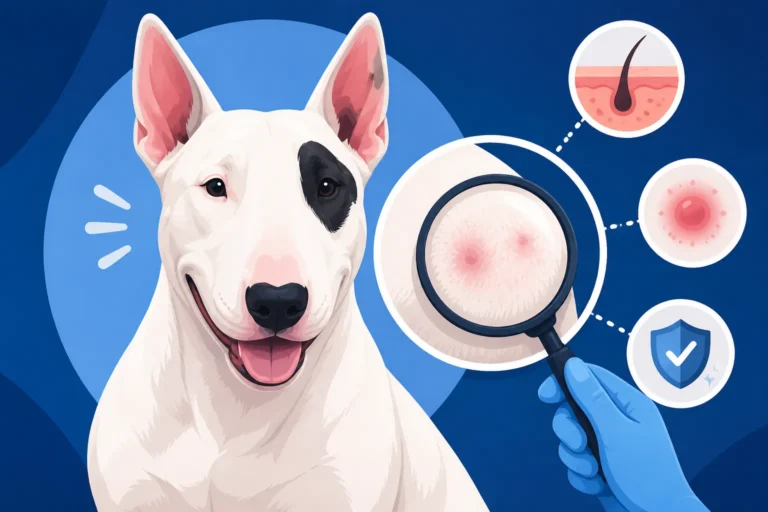
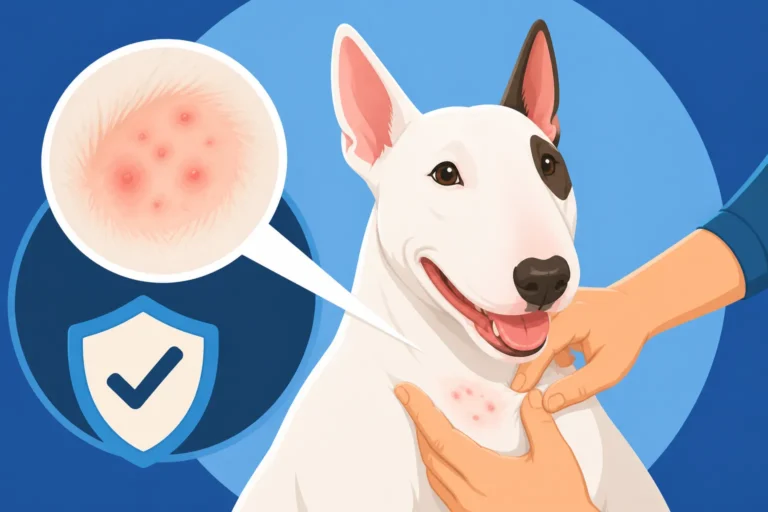
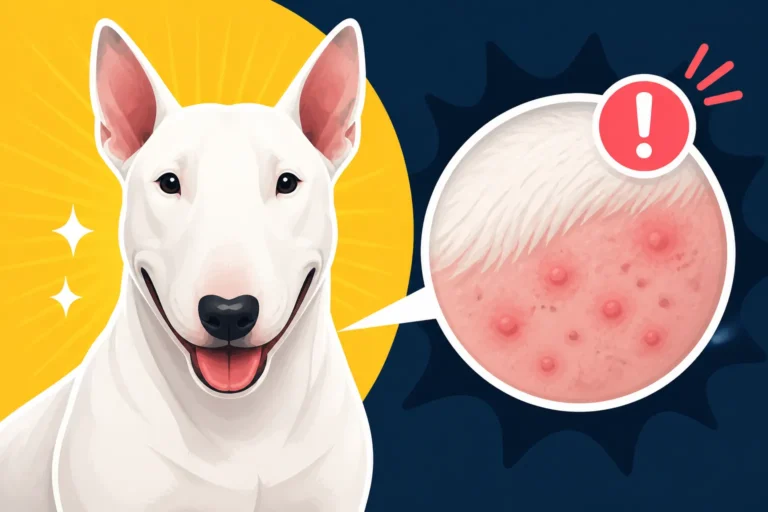
Bull Terriers, with their often sensitive skin, are particularly prone to issues that can result in a distinct, unpleasant odor. Yeast infections, often characterized by a sweet, musty, or corn chip-like smell (especially on their paws and in skin folds), are common. Bacterial skin infections, on the other hand, might smell truly foul, like rotten meat or a dirty sock. Allergies, whether environmental or food-related, often manifest as itchy, inflamed skin, leading to excessive licking, chewing, and scratching, which can create open sores or hot spots that quickly become infected and smelly. Remember, A Bull Terrier's Skin Is Its Weakest Point, so regular checks are vital.
Imagine your Bull Terrier constantly scratching their ears or belly, leaving their skin red and irritated. This creates a perfect breeding ground for bacteria and yeast, leading to that tell-tale odor. Medicated shampoos can be a lifesaver here, designed to target specific fungal or bacterial overgrowths. You can find a wide range of specialized shampoos on platforms like Chewy or Amazon, but always consult your vet first to get a proper diagnosis and recommendation. Treating the root cause, whether it's an allergy requiring dietary changes or medication for an infection, is crucial for long-term relief from these pervasive smells.
Ear and Dental Hygiene
These two areas are silent but deadly when it comes to unwelcome odors. Bull Terriers have naturally erect ears, which can sometimes be a bit of a mixed blessing. While they often allow good airflow, which can prevent some types of ear infections, they're still susceptible. Dirt, wax, and moisture can build up, leading to yeast or bacterial infections that produce a strong, sour, or yeasty smell. If you notice your Bull Terrier shaking their head, scratching their ears, or a discharge, it’s definitely time for a vet visit. It's a good idea to know How Often a Bull Terrier's Ears Need Checking to prevent issues before they become full-blown infections.
Then there's the mouth – the source of many a Bull Terrier owner's dismay. Bad breath, or halitosis, isn't just unpleasant; it's often a direct indicator of dental disease. Plaque and tartar buildup can harbor bacteria that release foul-smelling gases. Over time, this can lead to gingivitis, periodontitis, and even tooth loss, causing not just bad breath but significant pain for your dog. You might wonder, Whether a Bull Terrier's Bad Breath Means Kidney Failure, and while kidney disease can cause a distinct ammonia-like odor, everyday bad breath is usually dental. It's crucial to consider Whether a Bull Terrier Needs Its Teeth Brushed regularly and be prepared for the potential cost of What a Bull Terrier's Dental Costs if professional cleaning is needed. Regular dental care is not just about smell; it's about their overall health and comfort.
Digestive and Anal Gland Concerns
Sometimes the smell isn't coming from their skin or mouth, but from a bit further south. Excessive or particularly pungent gas can certainly contribute to a smelly Bull Terrier. This often stems from their diet. If your Bull Terrier is eating food that's hard to digest, or if they have sensitivities to certain ingredients, their digestive system might produce more gas. Common culprits include certain grains, legumes, or novel proteins they haven't encountered before. You might find that Why a Bull Terrier Passes So Much Wind is linked directly to what's in their food bowl. Exploring a high-quality, easily digestible diet, perhaps even one tailored for sensitive stomachs, can make a huge difference. Brands like Ollie offer personalized meal plans that could be a good option for addressing dietary sensitivities.
Another, often overlooked, source of truly offensive odor is the anal glands. These two small glands, located on either side of a dog's anus, normally express a strong, fishy-smelling liquid during defecation. However, if they become impacted, infected, or don't express properly, they can leak or rupture, releasing a smell that is undeniably awful and permeates everything. You'll notice your Bull Terrier scooting their bottom on the ground, licking excessively, or suddenly emanating a bizarre, fishy stench. This is definitely a job for your veterinarian or a professional groomer, as improper expression can cause more harm than good. It's a smell you won't soon forget, and one that requires prompt attention.
Here's a quick overview of common odors and their potential origins:
| Odor Type | Common Description | Potential Source(s) | Solutions |
|---|---|---|---|
| Yeasty/Musty/Corn Chip | Sweet, pungent, like stale bread | Skin folds, paws, ears (yeast overgrowth, allergies) | Medicated shampoo, ear cleaner, allergy management, vet visit for diagnosis. |
| Foul/Rotten/Metallic | Extremely unpleasant, like decaying matter | Bacterial skin infection, dental disease, anal glands | Vet visit for antibiotics/antifungals, dental cleaning, anal gland expression. |
| Fishy | Very distinct, strong, fish-like | Anal gland issues | Professional anal gland expression (vet/groomer), dietary fiber. |
| Fecal/Gassy | Pungent, flatulence | Diet intolerance, digestive upset | High-quality, digestible food; probiotics; slow feeders; vet consult for food sensitivities. |
| "Wet Dog" | Strong, damp, mildew-like | Trapped moisture in coat after bathing/swimming | Thorough drying after baths/swimming, especially in cooler weather. |
| Ammonia-like | Sharp, acrid | Kidney disease | Urgent vet visit for diagnosis and management of Which Diet a Bull Terrier With Kidney Disease Needs. |
Strategies for a Fresher Bull Terrier and Home
So, you've identified the source of the stink, or at least have a good idea. Now what? The good news is that most Bull Terrier odor issues are manageable, often with a combination of good hygiene practices, dietary adjustments, and a bit of help from your veterinarian. The key is consistency and attention to detail.
Regular Grooming and Bathing
For a Bull Terrier, "regular" grooming doesn't mean daily salon visits, but it does mean attention to their coat and skin. Brushing a few times a week with a rubber curry brush helps remove loose hair and dirt, distributing natural oils and stimulating the skin. This simple act can go a long way in preventing buildup that leads to odor.
When it comes to bathing, it's a bit of a balancing act. Bathing too frequently, especially with harsh shampoos, can strip the natural oils from your Bull Terrier's skin, leading to dryness, irritation, and potentially even more skin problems. On the other hand, not bathing often enough, particularly if your dog loves to roll in mud or has underlying skin conditions, can let odors build up. A good rule of thumb is to bathe your Bull Terrier every 4-6 weeks, or as needed if they get particularly dirty. For sensitive skin, or if dealing with a skin issue, your vet might recommend a specific Which Shampoo Suits a Bull Terrier's Skin, perhaps one that is hypoallergenic or medicated. You can often find these specialized products on Chewy or Amazon. Remember, How Often a Bull Terrier Should Be Bathed really depends on their individual needs and lifestyle. After a bath, make sure to dry them thoroughly, especially in cooler weather, as trapped moisture can lead to that classic "wet dog" smell and even skin irritation.
Dietary Management
What goes in your Bull Terrier's bowl directly impacts what comes out, in terms of both waste and odor. A high-quality diet is paramount for overall health, including skin, coat, and digestive function. Look for foods with clearly identifiable protein sources, healthy fats, and minimal fillers. If your Bull Terrier is prone to gas or skin issues, a limited ingredient diet or one formulated for sensitive stomachs might be beneficial. Sometimes, a change in protein source, for example, moving from chicken to lamb or fish, can make a surprising difference in both skin health and digestive comfort.
Consider incorporating a probiotic supplement, which can help support a healthy gut microbiome and improve digestion, potentially reducing gas and improving nutrient absorption. Omega-3 fatty acids, often found in fish oil, can also do wonders for skin and coat health, reducing inflammation and dryness. If you suspect food allergies or sensitivities are contributing to odor, work with your vet to conduct an elimination diet. This involves feeding a novel protein and carbohydrate source for several weeks to see if symptoms improve. You can explore a variety of specialty foods and supplements on sites like Chewy that cater to specific dietary needs, and services like Ollie provide fresh, tailored meal plans that can be excellent for managing sensitivities.
Environmental Control and Veterinary Care
Beyond direct care for your Bull Terrier, don't underestimate the power of a clean living environment. Regularly washing your dog's bedding, vacuuming carpets, and cleaning floors can significantly reduce accumulated dog hair, dander, and odors in your home. Use pet-safe cleaning products, and ensure good ventilation. If your Bull Terrier spends a lot of time on furniture, consider washable covers.
Ultimately, if you've tried all the at-home solutions and the persistent odor remains, it's time for a visit to your veterinarian. They are your best resource for diagnosing underlying health issues that might be causing the smell. This could include further investigation into skin infections, allergies, kidney disease (which can cause a metallic or ammonia-like smell), or even certain types of cancer. Regular wellness exams are crucial for catching these issues early; it's why we always recommend How Often a Bull Terrier Needs a Wellness Exam. Your vet might recommend specialized tests or even a consultation with a veterinary dermatologist for complex skin cases, which might come with the cost of What a Bull Terrier's Dermatologist Charges, but the relief for your dog (and your nose) is often priceless. Don't hesitate to seek professional help; it's the most responsible and effective way to ensure your Bull Terrier is healthy and happy.
Disclaimer
This article is for general informational purposes only and does not constitute professional advice. Laws, prices and regulations vary by location and change over time. Consult a qualified professional for guidance on your specific situation.