When a Bull Terrier Sheds Most
It’s a common misconception among new Bull Terrier owners, or even seasoned dog people unfamiliar with the breed, that a short-coated dog means no shedding, or at least, minimal shedding. You imagine a sleek, low-maintenance companion, only to discover a fine dusting of white or colored hair clinging to everything you own. This guide will delve deep into the Bull Terrier's shedding patterns, helping you understand when they shed most, why, and what you can do about it to keep your home, and your sanity, intact.
The Bull Terrier's Unique Coat and Shedding Myth
The Bull Terrier’s coat is distinct, and it’s often misunderstood. While its brevity suggests a low-shedding dog, the reality can be quite different. Let’s unravel the truths and myths about their hair.
Why Their Short Coat Misleads Owners
When people first meet a Bull Terrier, they often comment on the dog's striking appearance, from its egg-shaped head to its sleek, short coat. This coat feels smooth and quite hard to the touch, and it lies flat against their muscular bodies. Naturally, the assumption follows that a dog with such short hair couldn't possibly shed much. We tend to associate heavy shedding with long-haired breeds, or those with dense, fluffy undercoats, like a Golden Retriever or a Siberian Husky.
However, a Bull Terrier's coat, despite being short, is constantly in a cycle of growth and replacement. Each individual hair, though small, still sheds. The real kicker is that because the hairs are short and stiff, they tend to embed themselves deeply into fabrics like carpets, upholstery, and clothing. Unlike longer hairs that might clump and be easier to vacuum or pick up, Bull Terrier hairs can be surprisingly stubborn, creating that pervasive, fine layer of "fur dust" on dark furniture or leaving tiny, embedded bristles on light-colored items. This makes the shedding seem more profound than the actual volume of hair might suggest, simply because it’s so difficult to remove.
Do Bull Terriers Have an Undercoat?
This is a question many Bull Terrier owners ponder, especially when faced with a surprising amount of shed hair. Generally speaking, Bull Terriers do not possess the dense, insulating undercoat that many double-coated breeds have. Their coat is typically described as a single coat, meaning it primarily consists of guard hairs that are designed more for protection from the elements rather than for warmth.
However, to say they have no undercoat at all might be a slight oversimplification for some individuals. In colder climates or during the winter months, some Bull Terriers might develop a slightly denser, almost fuzzier layer closer to their skin. This isn't a true, thick undercoat in the traditional sense, but it is enough to provide a bit more insulation. When spring arrives, this slightly denser winter growth will shed out, contributing to a more noticeable seasonal shedding period. So, while you won't experience the massive "blowing coat" events characteristic of breeds like German Shepherds, there's still a significant amount of hair turnover. You can learn more about this by checking out Why a Bull Terrier Has No Undercoat.
What a Bull Terrier's Coat Is Like
To truly understand their shedding, it helps to appreciate the characteristics of a Bull Terrier's coat. It's a short, flat, harsh, and glossy coat, designed to be protective rather than soft and plush. This texture plays a huge role in how the shed hair behaves. Because it's short and stiff, individual hairs don't tend to cling to each other to form large tumbleweeds. Instead, they become separate, needle-like projectiles that can stick to almost any surface.
Imagine tiny, stiff bristles. That's essentially what you're dealing with. These hairs are notoriously difficult to dislodge from car upholstery, sweaters, and even bed linens. Their texture means they don't just sit on top of surfaces; they work their way in. This is why a Bull Terrier owner often feels like they're constantly cleaning, even if the sheer volume of shed hair isn't as high as a long-coated breed. The hair is just incredibly efficient at distributing itself and embedding everywhere. Maintaining a clean house with a Bull Terrier means a different kind of vigilance than with other breeds.
Seasonal Shedding: When the Hair Really Flies
While Bull Terriers shed year-round, there are definitely peak seasons when you’ll find yourself reaching for the lint roller and vacuum more often than usual. These periods are largely dictated by environmental changes.
The Spring Shed: Preparing for Warmer Weather
Ah, spring. For many Bull Terrier owners, this isn't just a season of budding flowers and longer days; it's also the season of significant hair fallout. As the days lengthen and the temperatures gradually start to climb, your Bull Terrier's body instinctively begins to shed any extra coat it grew for winter. Even if your Bull Terrier doesn't develop a thick, obvious winter coat, they will still have a natural cycle of shedding that intensifies in spring.
This spring shed can last for several weeks, sometimes even a couple of months, depending on your dog's individual genetics, diet, and environment. You’ll notice more hair on furniture, clothing, and circulating in the air. This is the time to really step up your grooming game. Increased brushing, even daily, can help to capture the loose hair before it settles all over your home. Some owners find that a warm bath during this period helps to loosen and remove a lot of the dead hair, effectively fast-tracking the shedding process. Be prepared for this annual event; it’s a marathon, not a sprint, but consistent effort makes a big difference. To prepare for this, read up on How Much a Bull Terrier Sheds in Spring.
The Autumn Shed: Gearing Up for Winter
While perhaps not as dramatic as the spring explosion, many Bull Terriers also experience a noticeable increase in shedding during the autumn months. This phenomenon is their body's way of preparing for the colder temperatures ahead. Just as they shed their winter coat in spring, they shed their lighter summer coat in the fall to make room for a slightly denser, more protective coat that will provide better insulation during winter.
This autumn shed is often less intense than the spring one, but it's still a significant period of hair turnover. You might not see large clumps of hair, but rather a consistent, moderate amount of hair around the house. Think of it as a natural "coat change" or a "pre-winter purge." Again, regular brushing is key to managing this period. It not only helps to remove the dead hair but also stimulates the skin, promoting healthy new growth. It’s important not to underestimate this shedding phase, as letting the loose hair accumulate can lead to skin irritation for your Bull Terrier and a constant battle against hair for you.
Year-Round Shedding: The Constant Turnover
Here's the truth no Bull Terrier owner can escape: they are not non-shedding dogs. Even outside of the defined spring and autumn seasonal periods, Bull Terriers will shed year-round, albeit at a lower, more consistent rate. Every hair follicle on a dog's body has a natural life cycle – it grows, rests, and then sheds to make way for a new hair. This process is continuous.
This constant, low-level shedding means you'll always find some Bull Terrier hair in your home, on your clothes, and potentially sticking to your food (if you're not careful!). It’s part of owning the breed. For owners coming from breeds known for minimal shedding, this continuous turnover can be a bit of a shock and a source of frustration. It underscores the importance of consistent grooming habits and good housekeeping year-round, not just during peak shedding seasons. Embracing this reality and integrating regular cleaning into your routine will make living with your wonderful, shedding Bull Terrier much more pleasant.
Factors Influencing Bull Terrier Shedding
Beyond the natural seasonal cycles, several other elements can play a significant role in how much and how often your Bull Terrier sheds. Understanding these factors can help you pinpoint potential issues and better manage their coat health.
Diet and Nutrition's Role in Coat Health
What goes into your Bull Terrier’s bowl directly impacts the health and quality of their coat, and consequently, how much they shed. A high-quality, balanced diet is absolutely paramount. Think about it: hair is primarily made of protein, and a healthy coat requires a steady supply of essential nutrients. If your dog's diet is lacking in vital components like Omega-3 and Omega-6 fatty acids, B vitamins, and certain minerals, their coat can become dull, dry, brittle, and prone to excessive shedding.
Many owners find that incorporating fish oil supplements or choosing dog foods rich in these healthy fats can make a noticeable difference in reducing non-seasonal shedding. Look for foods with real meat as the first ingredient and avoid excessive fillers. While I can't recommend specific brands here, reputable companies focus on balanced nutrition. Some brands, like Ollie, offer fresh food options that are often highly palatable and formulated with skin and coat health in mind, while others found on Chewy provide excellent kibble choices. If you suspect diet is contributing to excessive shedding, speak to your veterinarian about suitable dietary changes or supplements. A healthy gut often translates to a healthy coat!
Hormonal Changes and Life Stages
Just like humans, dogs experience hormonal shifts throughout their lives that can affect their coat. For unspayed female Bull Terriers, you might notice an increase in shedding around their heat cycles, or a more significant "blowing" of their coat a few weeks or months after whelping a litter of puppies. These hormonal surges and drops can trigger a mass release of hair.
Beyond reproductive cycles, a Bull Terrier’s life stage also plays a role. Puppies, for instance, go through a "coat change" as their soft puppy fur is gradually replaced by their coarser, adult coat. This can sometimes look like excessive shedding. As Bull Terriers age, their hormones can continue to fluctuate, and their skin and coat health might change. Older dogs might have drier skin, a thinner coat, or shed more due to underlying conditions. What an Aging Bull Terrier's Coat Looks Like can also affect how their coat behaves. Any unusual or sudden changes in shedding in an older dog should always be discussed with a vet to rule out medical issues.
Health Issues and Environmental Stressors
Sometimes, increased shedding isn't just about seasons or hormones; it's a sign that something else is going on with your Bull Terrier's health. Various health issues can manifest as excessive or patchy hair loss. Parasites like fleas, mites (especially Demodex, which Bull Terriers can be prone to), or even ringworm can cause intense itching, leading to scratching and secondary hair loss. Allergies, whether environmental (pollen, dust mites) or food-related, are another common culprit. An allergic Bull Terrier will often itch relentlessly, causing them to pull out their own hair or develop skin infections that disrupt the normal hair cycle. A Bull Terrier's Skin Is Its Weakest Point is a good read if you suspect skin issues.
Internal medical conditions, such as thyroid imbalances, kidney disease, or even certain cancers, can also impact coat health and lead to shedding. If you notice shedding that is sudden, patchy, accompanied by skin redness, scabs, or changes in your dog’s behavior or appetite, it's crucial to consult your veterinarian promptly.
Environmental factors can also play a subtle role. Extremely dry indoor air, especially during winter with heating systems running, can dehydrate a dog’s skin, leading to a drier coat and more shedding. Conversely, very humid conditions might also affect coat health for some dogs. Monitoring your home environment and providing a humidifier if needed can sometimes help.
Managing Bull Terrier Shedding Effectively
Living with a Bull Terrier means accepting a certain level of shedding, but you're not helpless against the tide of hair! With the right strategies, you can keep it under control and minimize its impact on your home and lifestyle.
Brushing Routines and Tools
When it comes to managing Bull Terrier shedding, regular brushing is your number one weapon. It helps remove loose, dead hair before it has a chance to settle on your furniture or float through the air. For Bull Terriers, who lack a dense undercoat, you don't need fancy de-shedding tools typically designed for double-coated breeds. Instead, focus on tools that are gentle on their skin but effective at gathering short, stiff hairs.
A rubber curry comb or a grooming mitt (like those available on Amazon) works wonders. These tools stimulate the skin, promoting healthy circulation, and gently pull out loose hairs without causing irritation. Brushing 2-3 times a week is a good baseline, but during peak shedding seasons (spring and autumn), consider brushing daily. Use short, firm strokes that go with the direction of hair growth. You’ll be surprised at how much hair these simple tools collect, preventing it from ending up elsewhere. Check out Which Brush Suits a Bull Terrier for more detailed information on brush types.
Bathing and Grooming Strategies
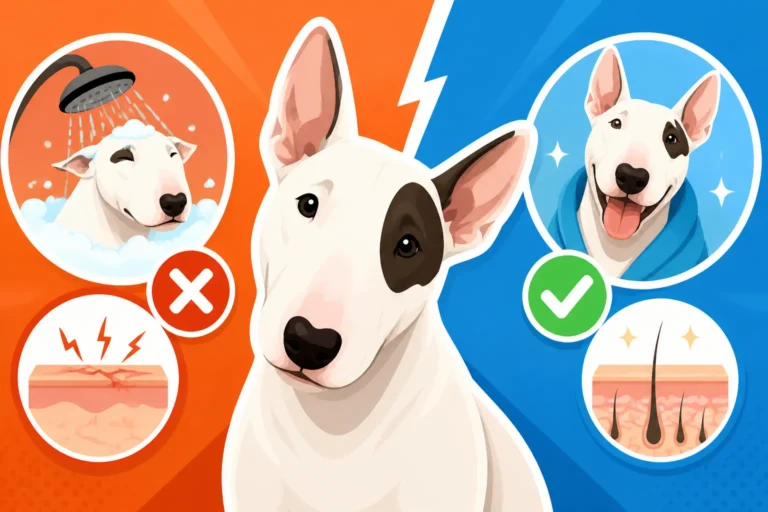
Bathing can be a powerful ally in your fight against shedding, but it needs to be done correctly. A warm bath can help to loosen and wash away a significant amount of dead hair, especially during those heavy shedding periods. However, over-bathing can strip your Bull Terrier's skin of its natural oils, leading to dryness and potentially more shedding or skin irritation.
Aim for baths every 4-6 weeks, or more frequently during intense shedding (say, every 2-3 weeks), if your dog's skin tolerates it well. Use a mild, moisturizing dog shampoo – oatmeal-based or hypoallergenic formulas are often excellent choices for Bull Terriers, whose skin can be sensitive. Lather thoroughly and really massage the skin to help dislodge loose hairs. Rinse extensively, as any leftover shampoo can irritate the skin. Towel dry thoroughly, and if your Bull Terrier tolerates it, a cool-setting blow dryer can help remove even more loose hair while they're still wet. For a deeper dive, read How Often a Bull Terrier Should Be Bathed.
Housekeeping and Prevention Tips
Let’s be real: no amount of brushing will eliminate shedding entirely. So, preparing your home for a Bull Terrier means a bit of smart housekeeping. Investing in a good quality vacuum cleaner, ideally one designed for pet hair, is non-negotiable. Bagless models, like certain Dyson models, can be very convenient for frequent emptying. Regular vacuuming, even daily during peak seasons, will make a huge difference.
Keep lint rollers strategically placed around your home – by the front door, in your car, and in your laundry room. They're indispensable for quick clean-ups on clothes before you head out. Consider washable covers for furniture that your Bull Terrier loves to lounge on. For dog beds, opt for durable, easily washable options. You might even find some excellent, robust choices on Amazon or Chewy. Look into Which Bed Survives a Bull Terrier for beds that can stand up to their particular brand of enthusiasm.
Finally, a trick many Bull Terrier owners swear by: a damp cloth or rubber squeegee can be incredibly effective at gathering embedded hairs from carpets and upholstery before you vacuum. Simply dampen the cloth (or use a dedicated rubber pet hair remover) and wipe it across the fabric in one direction; you'll be amazed at the amount of hair it pulls up into neat piles. Embracing these proactive cleaning habits will make living with a shedding Bull Terrier much less of a chore.
| Season | Shedding Level | Description | Management Tips |
|---|---|---|---|
| Spring | High | Thick winter coat shed in preparation for warmer weather. | Daily brushing, more frequent bathing, heavy vacuuming. |
| Summer | Low to Moderate | Continuous low-level shedding; generally less noticeable. | Regular brushing (2-3 times/week), routine cleaning. |
| Autumn | Moderate | Shedding of lighter summer coat to grow in a denser winter coat. | Increased brushing, consider a bath, clean bedding. |
| Winter | Low | Minimal shedding, coat often at its densest for insulation. | Weekly brushing, keep skin moisturized (humidifier). |
| Year-Round | Constant | Daily turnover of old hairs for new, regardless of season. | Consistent grooming, quality diet, monitor for health issues. |
Disclaimer
This article is for general informational purposes only and does not constitute professional advice. Laws, prices and regulations vary by location and change over time. Consult a qualified professional for guidance on your specific situation.