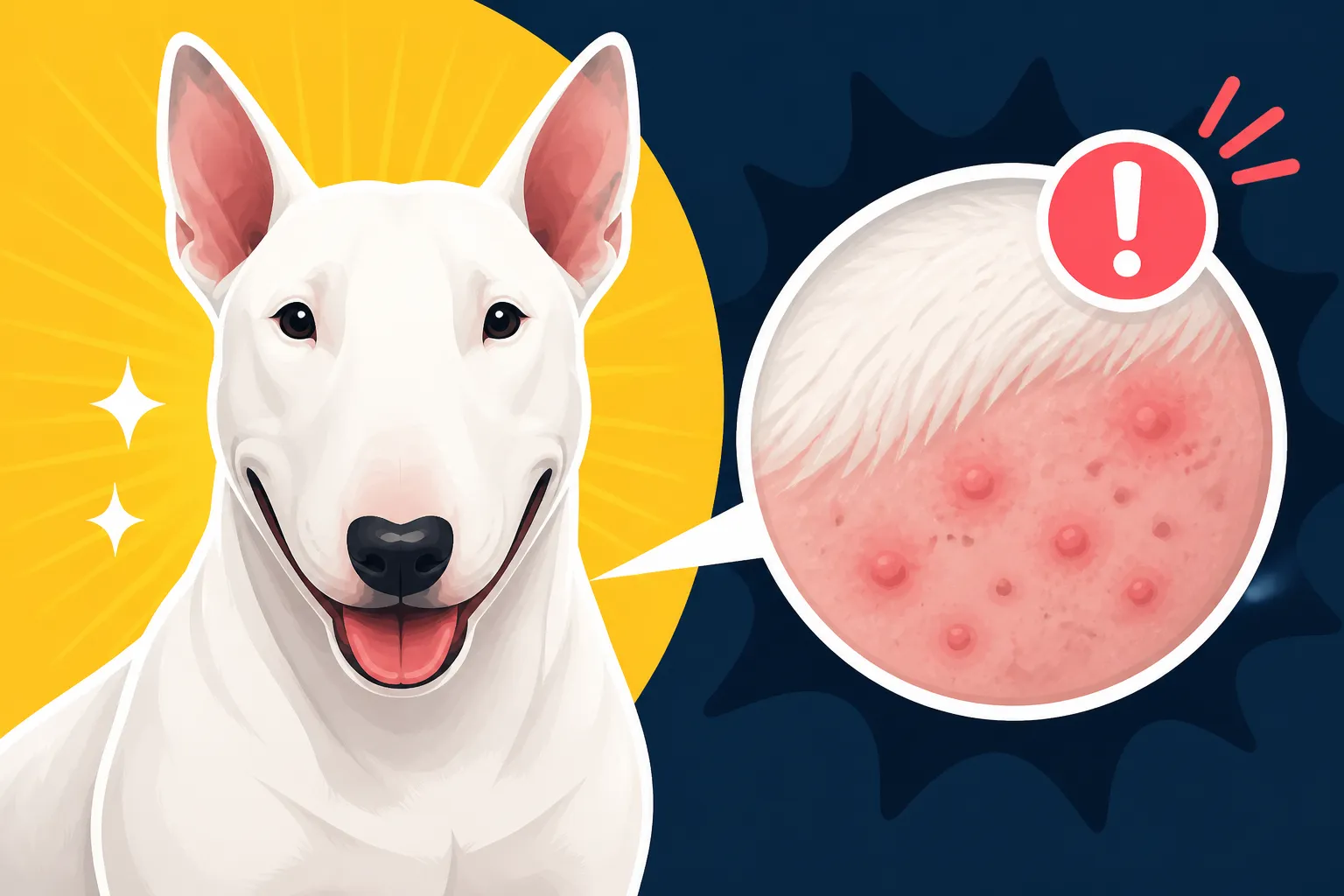
A Bull Terrier’s Coat Is Easy and Its Skin Is Not
Many Bull Terrier owners, especially first-timers, breathe a sigh of relief when they look at that short, sleek coat. "Finally," they think, "a dog that won't require hours of grooming!" And while it's true that their coat looks easy, the reality is that a Bull Terrier's skin is often far more delicate and prone to issues than its appearance suggests. This guide will walk you through everything you need to know about caring for your Bull Terrier's coat and, more importantly, protecting its surprisingly sensitive skin.
The Bull Terrier Coat: Looks Can Be Deceiving
That iconic smooth, short coat is one of the Bull Terrier's most recognizable features, a stark contrast to their muscular build and distinctive egg-shaped head. It feels harsh to the touch, almost bristly, and truly gives the impression of being low-maintenance. Many people assume that a wash-and-go approach is perfectly fine for these dogs, but this assumption can lead to overlooked skin problems.
Understanding the Coat Texture and Type
A Bull Terrier’s coat is single-layered, meaning it lacks the dense undercoat found in many other breeds. This is why they can feel the cold more acutely and why they absolutely cannot be left outside in harsh weather. The hairs themselves are short, flat, and lie close to the body, giving them that characteristic smooth finish. This lack of an undercoat might seem like a blessing when it comes to shedding, but it actually means that while they don't produce vast clouds of fluff like a husky, they constantly shed small, stiff hairs that can weave themselves into carpets and furniture. A Bull Terrier's Coat Is Easy and Its Skin Is Not and the harsh texture is part of that illusion.
These short, stiff hairs, when shed, have a peculiar way of embedding themselves into fabrics, making them quite stubborn to remove. You'll find them in your couch, your clothes, and sometimes, mysteriously, even in your food. Regular brushing, even for such a short coat, becomes essential not just for cleanliness but also for stimulating the skin and distributing natural oils. It helps to pull out those loose hairs before they become permanent fixtures in your home.
Bull Terrier Shedding Patterns
While a Bull Terrier might not "blow coat" in the dramatic way double-coated breeds do, they are consistent, year-round shedders. You'll definitely notice an increase in shedding during seasonal changes, typically in spring and fall, as their bodies adjust to temperature shifts. During these times, you might find yourself reaching for the vacuum more often, and dedicating extra minutes to grooming will pay dividends in managing the dog hair in your home.
It's a common misconception that a short coat means no shedding. Oh, if only that were true! Instead, imagine a constant, fine sprinkle of sturdy, white needles if your Bull Terrier is white, or dark ones if they're colored. Unlike the soft, fluffy undercoat hairs of some breeds that clump together, Bull Terrier hairs tend to be individualistic and persistent. Knowing this upfront helps set realistic expectations for household cleanliness and prepares you for the regular grooming routine that, while not overly time-consuming, is certainly necessary.
The Bull Terrier's Vulnerable Skin: A Hidden Challenge
Beneath that seemingly robust coat lies a sensitive, delicate skin that is far more susceptible to issues than many owners anticipate. This is particularly true for white Bull Terriers, whose lack of pigment makes their skin even more vulnerable to environmental factors like sun exposure. Understanding these inherent sensitivities is the first step in proactive care.
Why Bull Terrier Skin Is So Sensitive
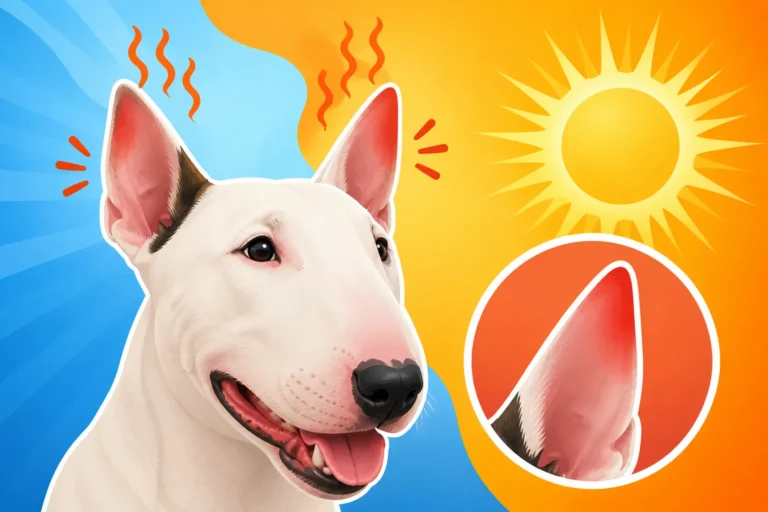
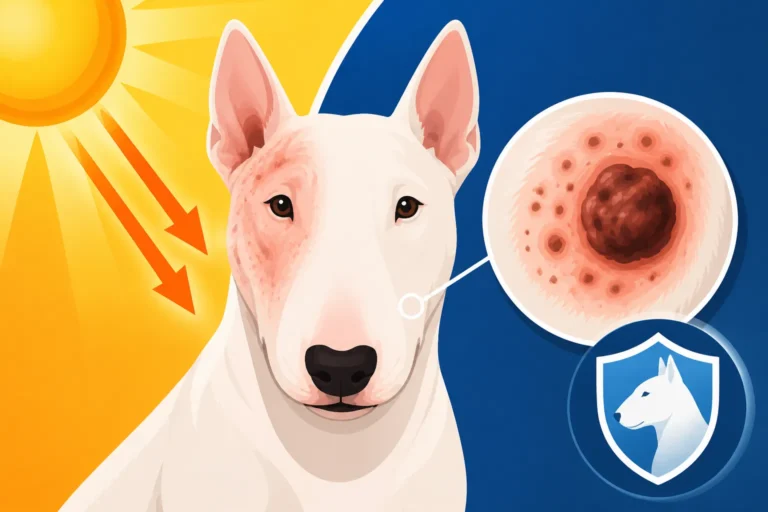
The Bull Terrier's ancestry, particularly the prevalence of white coats in early breeding, has contributed to a genetic predisposition for certain skin issues. Without the protective pigment found in darker coats, white Bull Terriers have skin that is more prone to sunburn, leading to irritation, peeling, and even increasing the risk of skin cancer over time. This isn't just a minor inconvenience; it's a serious health concern that requires diligent attention.
Beyond pigmentation, Bull Terriers generally seem to have a more reactive skin barrier compared to many other breeds. This can manifest as increased susceptibility to environmental allergens, food sensitivities, and even reactions to common household products. Their skin simply doesn't have the same robust defense mechanisms, making them more prone to inflammation and secondary infections. It's truly A Bull Terrier's Skin Is Its Weakest Point, and recognizing this is paramount for their long-term health.
The Impact of Coat Color on Skin Health
While all Bull Terriers can experience skin issues, white Bull Terriers often face a unique set of challenges directly linked to their lack of pigment. Their pink skin is much more exposed to harmful UV rays. Imagine spending a sunny day without sunscreen; that's essentially what your white Bull Terrier is doing if left unprotected. This sensitivity isn't limited to sunny days; even overcast conditions can allow enough UV radiation through to cause damage.
Colored Bull Terriers, while benefiting from some pigment protection, are not entirely immune. They can still suffer from allergies, hot spots, and other dermatological conditions common to the breed. However, the immediate danger of severe sunburn is generally less pronounced. Regardless of color, every Bull Terrier needs a careful, consistent approach to skin care, but white Bull Terriers demand an extra layer of vigilance, especially regarding sun protection. Why a White Bull Terrier Sunburns isn't just an aesthetic concern; it's a critical health risk.
Common Skin Issues in Bull Terriers
Bull Terriers, despite their tough exterior, are often plagued by a variety of skin problems. These can range from annoying itching and redness to more serious, chronic conditions that require ongoing veterinary management. Knowing what to look for can help you catch these issues early and provide timely intervention, saving your dog discomfort and potentially preventing more severe health problems.
Allergies: Environmental and Food Sensitivities
Allergies are perhaps the most widespread skin complaint among Bull Terriers. Their sensitive immune systems can overreact to a myriad of common triggers, manifesting as relentless itching, redness, ear infections, and even hair loss. Environmental allergies, often called atopy, can be caused by pollen, dust mites, and molds. Your Bull Terrier might scratch their ears incessantly, chew at their paws until they're raw, or rub their face against furniture trying to relieve the discomfort. This can be a frustrating cycle for both dog and owner. Whether a Bull Terrier Gets Skin Allergies is a question many owners find themselves asking as they watch their dog constantly itch.
Food allergies or sensitivities are another significant concern. While less common than environmental allergies, they can present with similar skin symptoms, often accompanied by gastrointestinal upset. Pinpointing food allergies requires a strict elimination diet under veterinary supervision, which can be a long and arduous process. Common culprits often include proteins like chicken or beef, or grains. Addressing allergies effectively often involves a multi-pronged approach, including medication, dietary changes, and environmental management. Many owners find their Bull Terriers are What a Bull Terrier Is Most Often Allergic To, leading to a constant battle against flare-ups.
Demodectic Mange: A Puppyhood Foe
Demodectic mange, caused by the Demodex canis mite, is a common issue, especially in Bull Terrier puppies. Unlike sarcoptic mange, which is highly contagious, demodectic mites are naturally present on most dogs' skin in small numbers. However, in puppies with immature immune systems, or adult dogs with compromised immunity, these mites can proliferate, leading to localized or generalized hair loss, redness, and secondary skin infections. It often starts with small, non-itchy bald patches, usually around the face, eyes, or front legs.
While localized demodex often resolves on its own as the puppy's immune system matures, generalized demodex is more serious and requires veterinary treatment. It’s not uncommon for Bull Terriers to experience flare-ups throughout their lives if they have an underlying immune weakness. Treatment can involve specialized dips, oral medications, and addressing any secondary bacterial or yeast infections that arise. It’s crucial to understand Demodectic Mange in a Bull Terrier because early detection and consistent treatment are key to preventing widespread skin damage and discomfort.
Zinc-Responsive Dermatosis: A Breed Predisposition
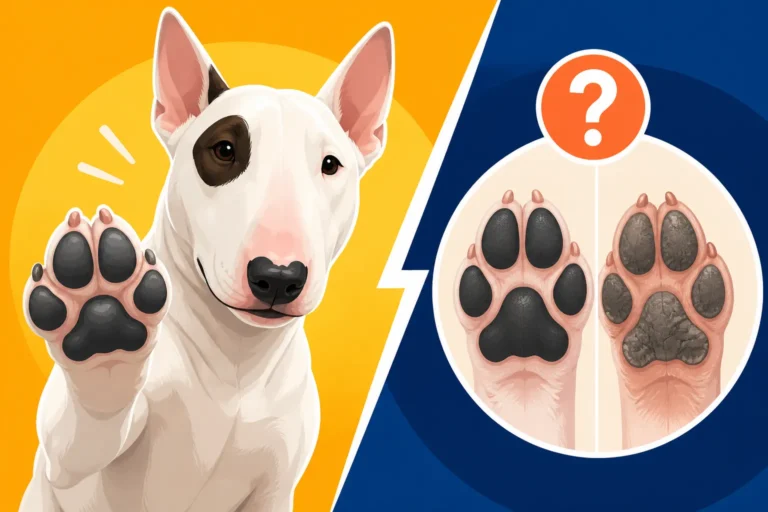
Zinc-responsive dermatosis is a condition where a dog's body either doesn't absorb zinc efficiently from its diet or requires more zinc than average. Bull Terriers, alongside several other Nordic breeds, are genetically predisposed to this metabolic issue. Without adequate zinc, the skin, particularly around the eyes, mouth, ears, and pressure points, can become dry, scaly, crusty, and inflamed. The paw pads might also become thickened and cracked.
This condition is often mistaken for allergies or other skin infections, making an accurate diagnosis vital. A vet might perform skin biopsies and blood tests to confirm. Treatment typically involves zinc supplementation, which often needs to be continued for the dog's entire life. It’s a classic example of how nutrition directly impacts skin health in Bull Terriers, and understanding Zinc Responsive Dermatosis in a Bull Terrier is important for any owner whose dog exhibits persistent skin crusting or thickening around the face.
Routine Skin and Coat Care: Beyond the Basics
Maintaining a Bull Terrier's skin and coat isn't just about making them look good; it's a crucial part of their overall health regimen. A consistent routine can help prevent many common issues and allow you to spot potential problems early. This goes far beyond just a quick brush; it involves careful bathing, diligent inspection, and appropriate product choices.
Brushing and Bathing Essentials
Even with their short coat, regular brushing is a must for Bull Terriers. A soft rubber curry brush or a grooming mitt works wonders for removing loose hairs and stimulating circulation, which is beneficial for skin health. Aim for a quick brush every few days, and more frequently during seasonal shedding periods. This helps keep those stubborn hairs from taking over your home and massages the skin, promoting healthy oil production. How Often a Bull Terrier Needs Brushing really depends on how much hair you're willing to live with between brushes!
When it comes to bathing, it’s a delicate balance. Too frequent bathing can strip the skin of its natural oils, leading to dryness and irritation, especially for a breed already prone to sensitivity. However, inadequate bathing allows allergens, dirt, and dead skin cells to accumulate, which can also trigger issues. A good rule of thumb is to bathe your Bull Terrier every 4-6 weeks, or when they're visibly dirty, using a gentle, hypoallergenic shampoo specifically formulated for sensitive skin. Look for products without harsh chemicals, dyes, or strong fragrances. Brands like those found on Chewy often have excellent options for sensitive-skinned dogs. Which Shampoo Suits a Bull Terrier's Skin is a critical choice, so don't just grab the cheapest one.
Weekly Skin Checks: Your First Line of Defense
One of the most important things you can do for your Bull Terrier's skin is to perform weekly head-to-tail checks. This isn't just a quick glance; it's a thorough inspection of their entire body. Gently part the fur, examine the skin for any redness, bumps, scabs, flakes, or areas of hair loss. Pay close attention to common problem areas like the armpits, groin, belly, between the toes, inside the ears, and around the muzzle and eyes. These are often the first places where allergies or infections manifest.
Feel for any lumps or bumps that weren't there before. Note any unusual odors coming from the skin or ears. Early detection of skin issues can make a world of difference in treatment success and prevent a minor irritation from escalating into a serious infection. Getting into the habit of How to Check a Bull Terrier's Skin Weekly will empower you to be your dog's best advocate and health monitor. Any suspicious findings should prompt a call to your vet.
Sun Protection for White Bull Terriers
For white Bull Terriers, sun protection is not optional; it's essential. Their unpigmented skin is extremely vulnerable to sunburn and the long-term risks of skin cancer. On sunny days, limit their outdoor exposure during peak UV hours (typically 10 AM to 4 PM). If they must be outside, use a pet-safe sunscreen on exposed areas like the bridge of their nose, ear tips, and any thinly coated or pink areas of their belly. Make sure the sunscreen is zinc oxide-free and paraben-free, as zinc can be toxic if ingested.
Another excellent option is dog apparel, such as lightweight UV-protective shirts, especially if your Bull Terrier enjoys lounging in sunny spots in the yard. These shirts can provide a physical barrier against harmful rays. Always supervise your dog when they're wearing sunscreen or clothing to ensure they don't try to lick it off or get tangled. While a Bull Terrier's coat looks tough, Why a White Bull Terrier Sunburns can be severe, so take precautions seriously.
Diet and Nutrition for Skin Health
What goes into your Bull Terrier's bowl can have a profound impact on the health and resilience of their skin and coat. A diet lacking essential nutrients, or one that triggers sensitivities, can lead to dry, flaky skin, dull coat, and persistent itching. Conversely, a well-balanced, high-quality diet can support a strong skin barrier and reduce inflammatory responses.
High-Quality Proteins and Essential Fatty Acids
The foundation of a healthy diet for any dog, including a Bull Terrier, starts with high-quality protein. Protein provides the building blocks for healthy skin and hair, supporting cell regeneration and repair. Look for dog foods where a named meat source (e.g., "chicken meal," "lamb," "salmon") is among the first ingredients. Avoid generic "meat meal" or excessive fillers.
Equally critical are essential fatty acids, particularly Omega-3 and Omega-6. These fats play a vital role in maintaining the skin's barrier function, reducing inflammation, and promoting a shiny, healthy coat. Sources of Omega-3s include fish oil (salmon, sardine, anchovy) and flaxseed oil. Many premium dog foods incorporate these, but supplements can also be added under veterinary guidance. Ensuring these fatty acids are present in your Bull Terrier's diet can make a noticeable difference in reducing dryness and itchiness. Brands like Ollie, known for their fresh, human-grade ingredients, often formulate their recipes with optimal fatty acid profiles, which can be fantastic for skin health.
Addressing Food Sensitivities Through Diet
If your Bull Terrier is constantly itching, scratching, or developing recurrent skin infections, food sensitivities should be considered. These aren't always outright allergies, but can be intolerances that cause chronic low-grade inflammation. The most common food allergens for dogs are proteins like beef, chicken, dairy, and wheat. Identifying and eliminating these triggers can be a game-changer for your dog's skin health.
A veterinary-supervised elimination diet is the gold standard for diagnosing food sensitivities. This involves feeding a novel protein source (one your dog has never eaten before, like duck, venison, or kangaroo) or a hydrolyzed protein diet for a period of 8-12 weeks, with no other treats or foods. After this period, ingredients are gradually reintroduced to identify the culprits. This process requires patience and strict adherence, but the payoff for your Bull Terrier's comfort can be immense. Whether a Bull Terrier's Skin Improves With Diet is a resounding "yes" if food sensitivities are at play.
The Role of Supplements
While a complete and balanced diet is paramount, certain supplements can offer additional support for a Bull Terrier's skin health, especially if they have ongoing issues.
- Omega-3 Fatty Acids (Fish Oil): As mentioned, these are superstars for reducing inflammation and improving skin barrier function. Look for a high-quality, reputable brand on sites like Amazon or Chewy.
- Zinc: For Bull Terriers diagnosed with zinc-responsive dermatosis, zinc supplementation is vital. It must be dosed carefully under veterinary guidance, as too much zinc can be toxic.
- Probiotics: A healthy gut microbiome can influence overall immune function and, by extension, skin health. Probiotics can help support a balanced gut, potentially reducing inflammatory responses.
- Antioxidants: Vitamins E and C, as well as other antioxidants, can help protect skin cells from damage and support immune function.
It’s crucial to discuss any supplements with your veterinarian before adding them to your Bull Terrier's regimen, as incorrect dosages or combinations can be harmful.
| Supplement Category | Primary Benefit for Bull Terriers | Common Sources/Notes |
|---|---|---|
| Omega-3 Fatty Acids | Reduces inflammation, improves skin barrier, shiny coat | Fish oil (salmon, anchovy), flaxseed oil |
| Zinc | Essential for skin integrity, crucial for zinc-responsive dermatosis | Supplementation, vet-prescribed, careful dosing required |
| Probiotics | Supports gut health, influences immune system, reduces inflammation | Fermented foods, specific canine probiotic supplements |
| Antioxidants | Protects cells from damage, supports immune function | Vitamins E & C, fruits/vegetables (consult vet for dosage) |
Recognizing and Responding to Skin Problems
Even with the best preventative care, Bull Terriers can still develop skin issues. Knowing how to spot the signs and when to seek professional help is critical for their well-being. Delaying treatment can lead to worsening conditions, increased discomfort, and more complex, expensive interventions.
Signs Your Bull Terrier Has a Skin Problem
Your Bull Terrier can't tell you in words that their skin is bothering them, but they'll certainly communicate it through their actions and physical symptoms. Be vigilant for any of the following signs:
- Excessive Itching, Licking, or Chewing: This is often the first and most obvious sign. If your dog is constantly scratching, licking their paws, or chewing at specific areas, it's a red flag.
- Redness or Inflammation: Look for any areas of skin that appear red, inflamed, or hot to the touch.
- Rashes, Bumps, or Lesions: Small red bumps, hives, pustules, or scabby lesions are all indicators of a problem.
- Hair Loss (Alopecia): Patches of thinning hair or complete bald spots.
- Flaky or Dry Skin: Dandruff-like flakes or generally dry, taut-looking skin.
- Odor: An unusual or strong odor coming from the skin, especially from areas that are constantly licked or inflamed, often indicates a bacterial or yeast infection.
- Thickened or Leathery Skin: Chronic irritation can lead to hyperpigmentation (darkening) and lichenification (thickening) of the skin.
- Ear Infections: Frequent ear scratching, head shaking, redness, discharge, or odor from the ears can be a manifestation of allergies.
Catching these signs early is crucial. The sooner you identify a problem, the easier and more effective treatment is likely to be.
When to Seek Veterinary Care
Any persistent or worsening skin issue warrants a visit to your veterinarian. While a mild, temporary itch might resolve on its own, chronic scratching, widespread redness, or any signs of infection (pus, strong odor, severe pain) demand professional attention. Don't try to self-diagnose or treat severe skin problems, as you could delay effective treatment or even make the problem worse.
Your vet will conduct a thorough examination, which may include skin scrapes to check for mites like Demodex, cytology (examining skin cells under a microscope) to identify yeast or bacteria, and potentially blood tests to check for underlying systemic conditions like hypothyroidism that can affect skin health. In some cases, a skin biopsy might be recommended to get a definitive diagnosis, especially for unusual lesions or suspected autoimmune conditions. Understanding What a Bull Terrier's Skin Biopsy Costs can help you prepare for potential diagnostic expenses.
Managing Chronic Skin Conditions
For Bull Terriers with chronic skin issues, such as severe allergies or zinc-responsive dermatosis, management often involves a long-term strategy rather than a quick cure. This can include:
- Medication: Antihistamines, corticosteroids, or other anti-inflammatory drugs to control itching and inflammation. For infections, antibiotics or antifungals will be prescribed.
- Medicated Shampoos and Wipes: Specially formulated shampoos or wipes containing ingredients like chlorhexidine or miconazole can help manage bacterial or yeast overgrowth.
- Dietary Adjustments: As discussed, hypoallergenic diets or specific supplements can play a huge role.
- Environmental Control: Regular cleaning to reduce dust mites, avoiding known outdoor allergens, and ensuring adequate sun protection.
- Regular Vet Check-ups: Ongoing monitoring is essential to adjust treatments as needed and catch any new flare-ups.
Living with a Bull Terrier with chronic skin problems requires patience, consistency, and a strong partnership with your veterinarian.
Environmental Factors Affecting Skin Health
Beyond genetics and diet, your Bull Terrier's environment plays a significant role in their skin health. From the air they breathe to the surfaces they lie on, many external factors can either support or undermine their delicate skin barrier. Being aware of these influences allows you to create a healthier living space for your furry friend.
Allergens in the Home and Outdoors
Just like humans, Bull Terriers can be sensitive to environmental allergens. Indoors, dust mites are a huge culprit, often found in bedding, carpets, and upholstered furniture. Regular vacuuming with a HEPA filter, washing dog beds and blankets frequently with a gentle, scent-free detergent, and using dust mite covers can help reduce exposure. Some owners find that air purifiers are beneficial for reducing airborne allergens in the home.
Outdoors, pollen from trees, grasses, and weeds can trigger seasonal allergies. While you can't eliminate outdoor allergens, you can manage your Bull Terrier's exposure. After walks, especially through grassy areas, wipe down their paws and belly with a damp cloth or pet-safe wipe to remove pollen. A quick rinse of their paws can also make a big difference. Avoiding walks during peak pollen times or on windy days can also help. Whether a Bull Terrier's Feet Itch is a common complaint related to these environmental allergens, so pay close attention to paw chewing.
Temperature and Humidity Considerations
Extreme temperatures and humidity levels can also impact a Bull Terrier's skin. Very low humidity, common in dry climates or heated indoor environments during winter, can lead to dry, flaky skin. Consider using a humidifier in your home if the air is consistently dry, particularly where your Bull Terrier sleeps. Conversely, high humidity combined with heat can create a breeding ground for yeast and bacteria, leading to hot spots or skin fold infections, especially in areas like the armpits or groin.
Ensuring your Bull Terrier has a comfortable, climate-controlled environment is key. Avoid leaving them in direct sunlight for extended periods, especially during hot weather, and always provide access to shade and fresh water. Their short coat offers minimal insulation, making them susceptible to both overheating and chilling. How Well a Bull Terrier Handles Cold isn't great, and neither is their tolerance for extreme heat.
Chemical Irritants and Products
The products you use in your home and on your dog can also be sources of skin irritation. Harsh cleaning chemicals, strong air fresheners, or even some scented laundry detergents can cause contact dermatitis or allergic reactions in sensitive Bull Terriers. Opt for pet-safe, hypoallergenic cleaning products and choose unscented detergents for washing your dog's bedding.
When selecting grooming products, always choose those specifically formulated for dogs with sensitive skin. Avoid human shampoos, as their pH levels are different and can disrupt a dog's natural skin barrier. Pay attention to ingredients and be wary of products with strong perfumes or dyes. Even flea and tick preventatives, while necessary, can sometimes cause localized skin irritation at the application site, so monitor your Bull Terrier closely after new product use. Which Detergent Suits a Bull Terrier Owner should be one that’s gentle and fragrance-free.
Disclaimer
This article is for general informational purposes only and does not constitute professional advice. Laws, prices and regulations vary by location and change over time. Consult a qualified professional for guidance on your specific situation.