Whether a Bull Terrier Suits an Apartment
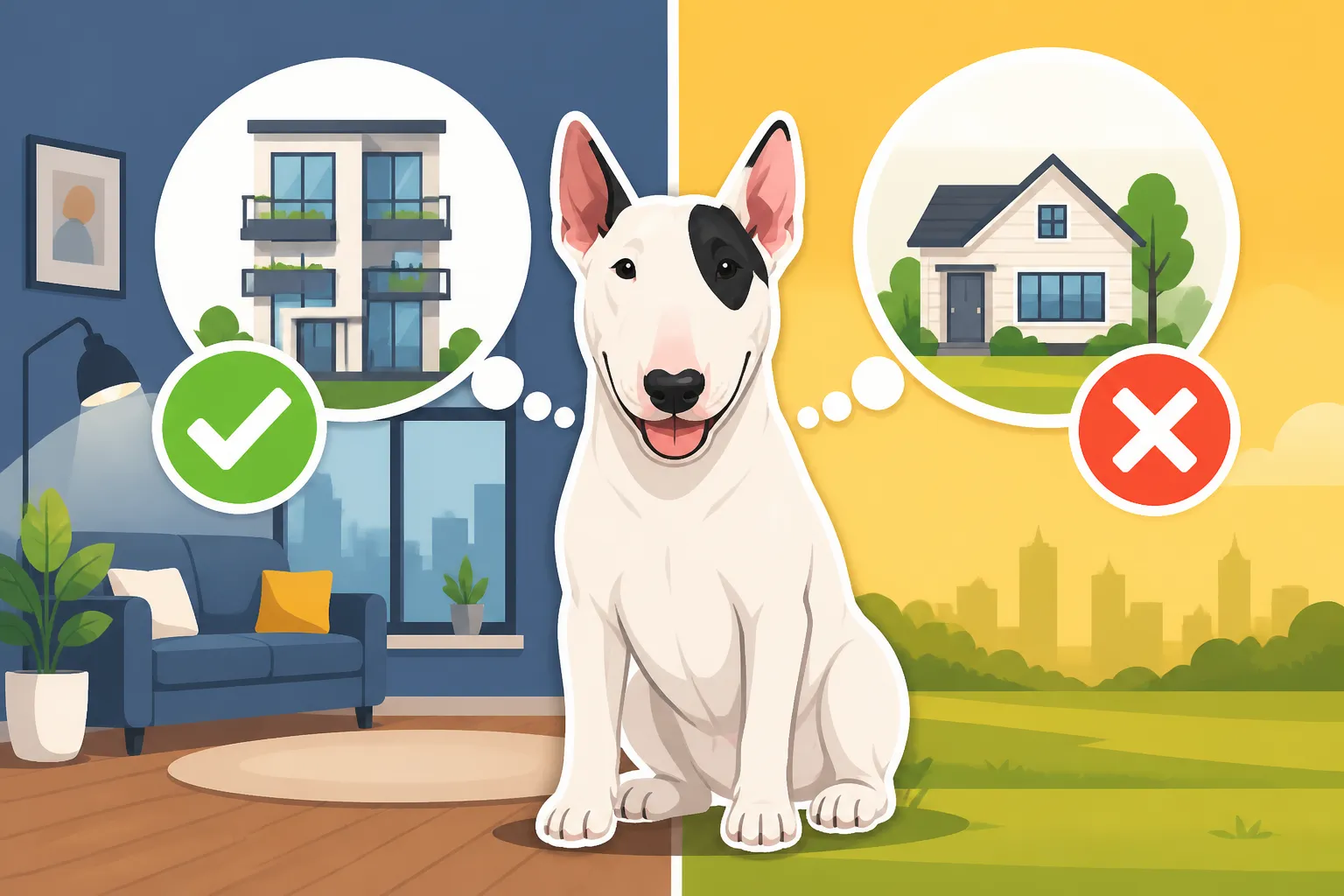
It's a common dilemma for city dwellers or anyone living without a sprawling yard: can a Bull Terrier, with all its boisterous personality and undeniable energy, truly thrive in an apartment? You adore their comical antics and loyal nature, but the thought of confining such a vibrant spirit to a smaller living space can be daunting, sparking worries about boredom, destruction, and even their overall happiness. This guide will delve deep into the realities of apartment living with a Bull Terrier, exploring their unique needs and how committed owners can make it work, ensuring both dog and human lead a fulfilling life together.
Understanding the Bull Terrier Temperament in Confined Spaces
Bull Terriers are truly one-of-a-kind, often described as having the personality of a three-year-old in a dog suit. This isn't just a cute saying; it speaks volumes about their boundless energy, insatiable curiosity, and often, their stubborn refusal to acknowledge physical limitations. When you bring this personality into an apartment, you quickly learn that square footage isn't the only metric that matters—mental and physical stimulation are paramount. Without sufficient outlets, that charming "three-year-old" can quickly turn into a four-legged wrecking ball.
The "Three-Year-Old in a Dog Suit" Phenomenon Indoors
Imagine a human toddler, full of beans, suddenly confined to a single room with nothing to do. They'd climb the walls, pull things off shelves, and generally find creative (and often destructive) ways to entertain themselves. A Bull Terrier in an apartment isn't much different. Their energy isn't just a physical need; it's deeply tied to their intelligent, inquisitive nature. They need to investigate, play, and engage with their environment. If that environment is limited to four walls, and their humans aren't providing structured interaction, they will make their own fun. This can manifest as relentless zooming, knocking over lamps, or turning your throw pillows into confetti. It's not malice; it's simply a Bull Terrier being a Bull Terrier without proper direction. For more on this delightful descriptor, read Why a Bull Terrier Is Called a Three Year Old in a Dog Suit.
Their clownish nature often shines brightest when they have space to express themselves, but in a smaller footprint, this can become overwhelming. They'll try to initiate play by body-slamming you into the sofa, or launching themselves off the furniture. It's all in good fun for them, but for you and your possessions, it can be a constant challenge. The key is understanding that this isn't a phase they'll grow out of when it comes to their core personality. It's who they are, and an apartment owner must be prepared to manage that energy rather than suppress it.
How a Bull Terrier's Affection Shapes Apartment Life
Bull Terriers are intensely devoted to their people. They thrive on companionship and want to be involved in everything you do. This deep need for connection means they are not dogs who do well being left alone for extended periods, especially in an apartment where they don't have a large yard to patrol or sniff. Their love for their humans can, ironically, lead to issues if their social needs aren't met. An apartment often means less space for them to roam freely indoors, making your presence even more crucial for their well-being.
Leaving a Bull Terrier alone for an entire workday in an apartment can be a recipe for disaster. They aren't content to simply nap the day away. Their social hunger means they crave interaction, cuddles, and simply being near you. When this vital connection is missing, particularly in a smaller space, they can quickly develop separation anxiety. This isn't just about sad eyes and whining; it can lead to destructive behaviors, excessive barking, and even self-harm as they try to cope with their distress. Understanding their need for constant human interaction is critical for any Bull Terrier owner, but especially one in an apartment. To explore this further, you might find Why a Bull Terrier Cannot Be Left Alone All Day insightful.
The Bull Terrier's Tendency for Destruction When Bored
When a Bull Terrier gets bored, especially when left alone in an apartment, they don't just sigh and lie down. Oh no. They invent games, and these games often involve redesigning your living space. Their powerful jaws, bred for strength and grip, can make short work of furniture, doors, baseboards, and anything else they can get their teeth on. It’s not malicious; it's a creative outlet for their pent-up energy and mental frustration. Imagine coming home to a couch that's been "re-upholstered" with its own stuffing, or a door frame gnawed down to splinters. This is the reality many Bull Terrier owners face when they don't adequately address their dog's need for stimulation and companionship.
The quiet hum of an empty apartment can amplify their boredom, turning everyday objects into irresistible chew toys. Remote controls, shoes, books, and even electrical cords can become targets. The consequences are not just financial, but also potentially dangerous for your dog. Ingesting foreign objects can lead to emergency vet visits and serious health complications. This destructive potential isn't just a phase; it's a fundamental aspect of the breed when their needs are unmet. Understanding this propensity for "interior design" is key to preventing it. Find out more about this common issue in What a Bull Terrier Does When It Is Bored.
Essential Exercise and Mental Stimulation for Apartment-Dwelling Bull Terriers
Living in an apartment with a Bull Terrier means you become their primary source of physical and mental engagement. You can’t just open a door and let them burn off energy in a sprawling yard. Every single walk, every play session, and every training moment becomes a calculated effort to meet their substantial needs. This isn't a breed that's content with a quick trot around the block; they demand purposeful activity that tires both their bodies and their sharp minds.
Daily Exercise Needs Beyond a Quick Walk
A Bull Terrier absolutely needs vigorous exercise every single day. We're not talking about a leisurely stroll where they stop to sniff every lamppost, though those sniffs are important for mental stimulation too! They need real, heart-pumping activity. Think brisk walks, intense fetch sessions, or even a good run if your vet gives the all-clear. For an apartment-dwelling Bull Terrier, two solid exercise sessions a day, each lasting at least 30-60 minutes, are usually the minimum. However, the exact amount can vary. Some Bull Terriers might need more, especially in their younger years, while older ones or those with health conditions like How a Bull Terrier With Nephritis Is Managed might need less intense activity.
It's crucial to understand that their exercise needs aren't just about mileage. It’s about engagement. A Bull Terrier thrives when their human is actively involved. A game of fetch in a secure, dog-friendly park is far more enriching than simply letting them wander a fenced yard alone. These intense bursts of activity are vital for preventing boredom and the destructive behaviors that follow. If you're wondering how much is truly enough, consider How Much Exercise a Bull Terrier Actually Needs for a deeper dive. Remember, consistency is key; skipping a day of proper exercise can quickly lead to an overstimulated, under-exercised Bull Terrier in your apartment.
The Importance of Mental Enrichment in Small Spaces
Physical exercise is only half the battle. A Bull Terrier is intelligent and needs their brain worked just as much as their body. In an apartment, where physical space is limited, mental enrichment becomes even more critical. This means incorporating regular training sessions, puzzle toys, and scent work into their daily routine. Training, even just 10-15 minute bursts throughout the day, helps channel their intelligence and focus. They love to learn, especially if there's a tasty reward involved. You can find excellent online resources, such as those offered by BAXTER & Bella, that provide structured training programs you can do right in your living room, focusing on obedience, tricks, and problem-solving.
Puzzle toys are a godsend for apartment dwellers. These toys require your Bull Terrier to figure out how to get treats or kibble, engaging their minds and tiring them out in a low-impact way. You can find a vast array of options on Amazon, from simple treat-dispensing balls to complex feeders that require multiple steps to solve. These can keep them occupied for significant periods, especially when you need to focus on something else or leave the apartment briefly. Investing in several different types and rotating them regularly keeps things fresh and interesting. Scent work, even simple "find it" games where you hide treats around the apartment, taps into their natural instincts and is incredibly enriching. It turns your apartment into a giant treasure hunt, providing valuable mental exercise. Read more about finding the right engaging toys in Which Puzzle Toys Occupy a Bull Terrier.
Managing High Energy Indoors
So, what do you do when the weather is terrible, or you simply can’t get out for a full exercise session? Managing a Bull Terrier's high energy indoors is a skill every apartment owner needs to master. The goal isn't to stop their energy entirely, but to redirect it into acceptable channels. Structured indoor play can be incredibly effective. A game of tug-of-war (with clear rules about starting and stopping), short bursts of fetch down a hallway, or even teaching them to "find" specific toys can help burn off steam.
Another strategy is to utilize vertical space if safe and appropriate. Some Bull Terriers enjoy climbing on sturdy furniture or a dedicated dog ramp/steps if it's part of a controlled game. Always prioritize safety and prevent jumping from high places, as Bull Terriers can be prone to conditions like Patellar Luxation in a Bull Terrier. Practicing impulse control exercises, like "stay" games or waiting patiently for a treat, also expends mental energy and reinforces good manners in tight quarters. Remember, a tired Bull Terrier is a good Bull Terrier, and indoor activities that combine physical movement with mental challenges are your best friends in an apartment setting.
Noise, Neighbors, and Navigating Apartment Rules with a Bull Terrier
One of the biggest challenges of apartment living with any dog, but particularly an energetic and sometimes vocal breed like the Bull Terrier, is managing their impact on your neighbors and navigating the often-strict rules of rental communities. A happy Bull Terrier is often a noisy one, full of grumbles, groans, and sometimes, boisterous barking. This needs careful consideration and proactive management to ensure harmony in your building.
Barking and Vocalizations in an Apartment Setting
Bull Terriers are not typically considered excessively barky dogs compared to some breeds, but they are certainly not silent. They communicate with a range of sounds: grumbles of contentment, excited squeals, dramatic sighs, and yes, barks. These barks can be in response to noises in the hallway, people passing by a window, or simply when they're overly excited or bored. In an apartment building, where walls and floors are often thin, these sounds can quickly become a nuisance for your neighbors. Understanding and managing their vocalizations is paramount.
Proactive training is key. Teach your Bull Terrier a "quiet" cue from puppyhood. Address alert barking by acknowledging the sound, thanking them, and then redirecting their attention. Provide plenty of white noise or music when you're away to mask hallway sounds. Crate training can also help, offering them a secure den where they feel safe and less inclined to react to every ambient noise. Leaving them with engaging chew toys or a puzzle feeder when you're out can also reduce boredom-induced barking. It's a continuous effort to ensure your Bull Terrier remains a good neighbor. For more on their vocal habits, you can read How Loud a Bull Terrier Is in an Apartment.
Breed Restrictions and Lease Agreements
This is perhaps the most significant hurdle for any Bull Terrier owner considering apartment living. Breed-specific legislation and landlord insurance policies often target "bully breeds," and unfortunately, Bull Terriers are frequently included in these restrictions. Many apartment complexes, condos, and even rental houses will have outright bans or severe limitations on Bull Terriers, regardless of an individual dog's temperament. It's a heartbreaking reality, but one that prospective owners must face head-on.
Before you even begin your apartment hunt, thoroughly research breed restrictions in your area and, crucially, within any specific building or management company you're considering. Don't try to hide your dog's breed; this can lead to eviction and significant legal trouble. Be honest and upfront. Some landlords might make exceptions for well-behaved, trained dogs, especially if you can provide references, proof of training, and veterinary records. However, often, the answer will be a firm "no." This can be incredibly frustrating, but it's a non-negotiable aspect of apartment living that needs to be clarified from the very beginning. Checking out Whether an Apartment Will Rent to a Bull Terrier Owner can offer more guidance on this tough topic.
Space Considerations: Couch Potatoes vs. Zoomie Enthusiasts
While Bull Terriers are often known for their bursts of energetic "zoomies," they are also champions of the couch potato lifestyle. They love to snuggle, cuddle, and essentially become a furry, four-legged shadow. This duality sometimes makes people believe they are fine in a small apartment because they spend so much time lounging. However, even a seasoned "couch potato" Bull Terrier needs space to stretch out, move between rooms, and have their own designated areas without feeling cramped or constantly underfoot.
A truly tiny studio apartment, for example, might be too restrictive. While they don't necessarily need a sprawling mansion, they benefit from enough room to do a full-body shake without hitting furniture, to play a short game of tug, or to simply walk from one end of the living space to another without feeling claustrophobic. Their muscular build and robust nature mean they need sufficient space to simply exist comfortably. While they'll follow you from room to room, it's about having options. When those zoomie moments do hit, even if infrequent, having a clear path to burn off a quick burst of energy can prevent accidental collisions and damage. It's a balance between their need for closeness and their inherent physical presence.
Making an Apartment Work for Your Bull Terrier
So, you've considered the challenges, and you're still determined to bring a Bull Terrier into your apartment life. That's fantastic! It's absolutely doable, but it requires a conscious, dedicated effort. Success hinges on being proactive, consistent, and understanding that you are their entire world, especially in a smaller living space. Your commitment to their well-being will determine how well they adapt and thrive.
Creating a Bull Terrier-Proof Sanctuary
Given their propensity for destructive behavior when bored or anxious, "Bull Terrier-proofing" your apartment is not optional; it's essential. Think of it as creating a safe, stimulating, and damage-resistant sanctuary. Start by removing anything valuable, fragile, or dangerous that can be reached, chewed, or knocked over. Electrical cords should be covered or secured out of reach. Shoes, books, remote controls, and other tempting items need to be stored away in cupboards or high shelves.
Invest in durable, high-quality dog beds and toys. Cheap beds will be shredded in minutes, and flimsy toys won't last. Look for brands known for their heavy-duty offerings. Consider furniture slipcovers or even a designated "dog zone" with a tough mat or blanket. A sturdy crate, appropriately sized for your Bull Terrier, can also be an invaluable tool. It provides a safe, comfortable den for them when you can't supervise them directly or when you need to leave the apartment. Remember, this isn't about punishment; it's about providing a secure space where they can't get into trouble. For more specific tips on safeguarding your home, delve into How to Bull Terrier Proof a Room.
Establishing a Routine and Consistent Training
Bull Terriers, like most dogs, thrive on routine and consistency. In an apartment setting, this becomes even more vital as it helps them understand expectations and reduces anxiety. Establish a predictable schedule for walks, meals, play, and training. Knowing when to expect their next outing or mental challenge helps them feel secure and less likely to engage in unwanted behaviors.
Training should be a continuous, positive experience. Bull Terriers are intelligent but can be stubborn, so patience and positive reinforcement are key. Short, engaging training sessions throughout the day, focusing on basic obedience, manners, and impulse control, will build their confidence and strengthen your bond. Consider enrolling in online training programs, like those offered by BAXTER & Bella, which provide structured lessons you can do at home. These programs often break down complex behaviors into manageable steps, perfect for the Bull Terrier who might decide a cue is "optional" after a few repetitions. Consistent training helps shape them into well-adjusted apartment dwellers. If you're looking for insights into how they learn best, read A Bull Terrier Trains When It Sees the Point.
The Commitment Required from an Apartment Owner
Owning a Bull Terrier in an apartment is a lifestyle choice that demands immense commitment, time, and dedication. It's not a breed for the faint of heart, or for someone who wants a low-maintenance companion. You become their primary source of physical exercise, mental stimulation, and social interaction. This means regular, vigorous walks and play sessions, regardless of the weather. It means investing in training, puzzle toys, and indestructible chews. It means adapting your schedule to ensure they are never left alone for excessively long periods.
You must be prepared to integrate them fully into your life, often choosing dog-friendly activities and locations. This isn't a dog you can leave in the apartment all day, expecting them to entertain themselves quietly. They need you. The rewards are immense: unparalleled loyalty, endless amusement, and a loving companion. But it requires an owner who is ready to give their all. If you're a first-time dog owner, understanding this level of commitment is especially important. To learn more about whether this breed is a good match for someone new to dog ownership, check out Whether a Bull Terrier Suits a First Time Owner. This isn't just about whether the apartment suits the dog, but whether you are prepared to make the apartment suit the dog.
Here's a quick look at the pros and cons to help you weigh your options:
| Aspect | Apartment Living with a Bull Terrier: Pros | Apartment Living with a Bull Terrier: Cons |
|---|---|---|
| Companionship | Intensifies bond due to constant proximity. | Can lead to separation anxiety if left alone frequently. |
| Exercise | Encourages owners to be very active and engage in outdoor activities. | Requires dedicated, structured exercise outside the home daily. |
| Training | Motivates consistent training and mental enrichment indoors. | Lack of space can make managing bursts of energy challenging without redirection. |
| Safety/Security | Bull Terriers are naturally protective and make good alert dogs. | Potential for destructive behavior if needs are unmet. |
| Adaptability | Bull Terriers are highly adaptable to their people if needs are met. | Breed restrictions and noise concerns can limit housing options. |
| Bonding | Constant interaction strengthens the owner-dog relationship significantly. | May develop clinginess or over-reliance on owner for all stimulation. |
| Cost | May reduce yard maintenance costs. | Potential for higher costs in heavy-duty toys, professional training, or damages. |
Disclaimer
This article is for general informational purposes only and does not constitute professional advice. Laws, prices and regulations vary by location and change over time. Consult a qualified professional for guidance on your specific situation.