How a Bull Terrier With Nephritis Is Managed
Finding out your beloved Bull Terrier has been diagnosed with hereditary nephritis is a truly heartbreaking moment. It's a diagnosis that can feel incredibly overwhelming, leaving you with a whirlwind of questions about what comes next, how you can help, and what their future looks like. This guide is here to walk you through the comprehensive management strategies to help your Bull Terrier live their best, most comfortable life possible despite this challenging kidney condition.
Understanding the Nephritis Diagnosis in Your Bull Terrier
The journey often begins with a routine check-up, or perhaps you've noticed subtle changes in your Bull Terrier – maybe they're drinking more water, or their appetite isn't quite what it used to be. Then comes the call from the vet, confirming what you might have suspected or, worse, completely blindsiding you: a diagnosis of hereditary nephritis. It’s a genetic condition specific to our wonderful Bull Terriers, where the kidneys progressively fail, and it's devastating to face.
The Initial Shock and What It Means
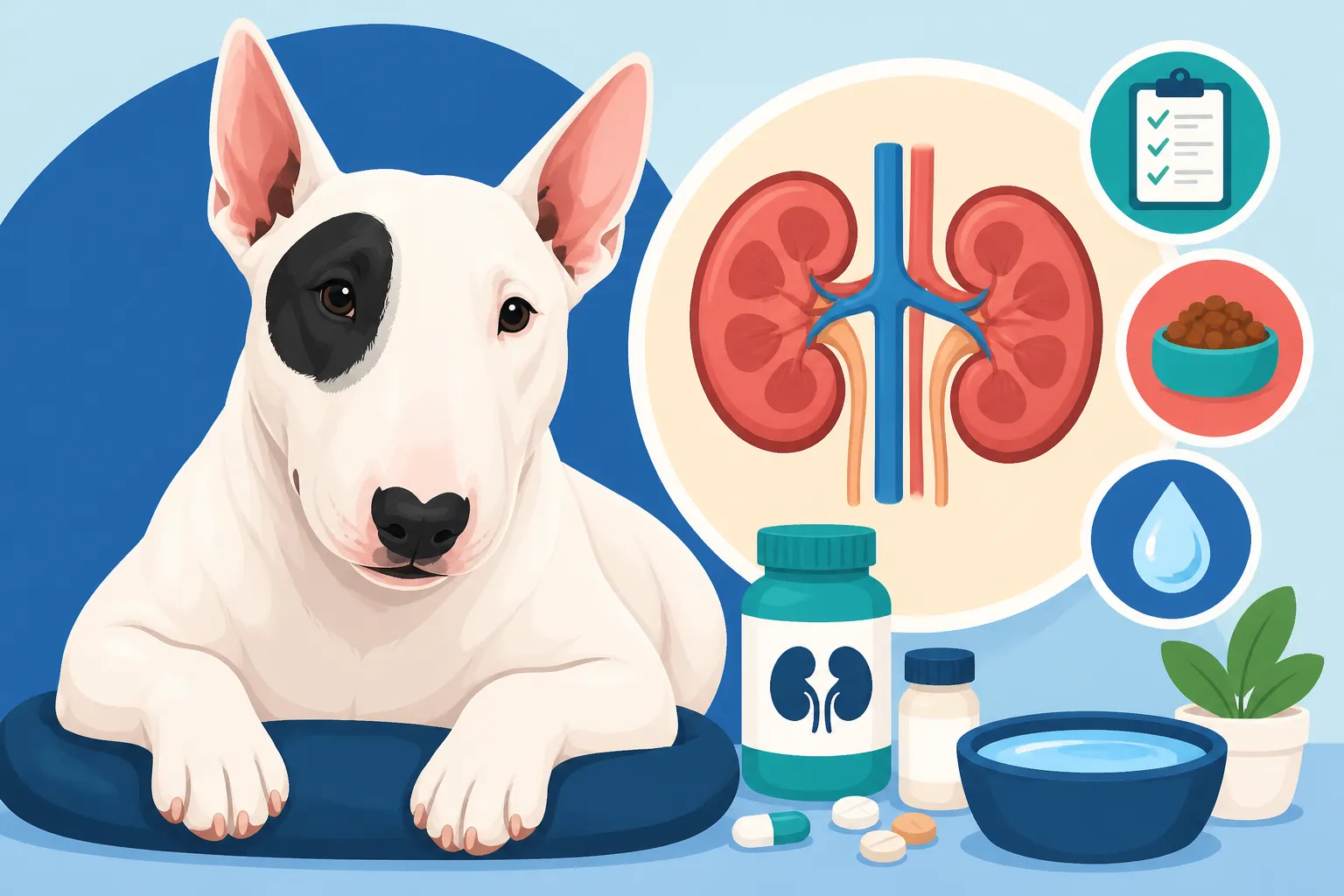
When you first hear "nephritis," it’s natural for your mind to race. You might immediately think of kidney failure, and while that's the long-term reality of this disease, it's crucial to understand that early diagnosis and proactive management can significantly slow its progression and improve your dog's quality of life. Hereditary nephritis specifically attacks the filtering units of the kidneys, causing them to leak protein, which is detected by a What a UPC Ratio Tells a Bull Terrier Owner. This protein loss is a key indicator of damage, and as the disease advances, the kidneys lose their ability to properly filter waste products from the blood. It's not a sudden event, but a gradual decline, which means we have time to intervene and support our dogs.
Confirming the Diagnosis: Beyond the UPC
While a high UPC (Urine Protein Creatinine) ratio is often the first red flag, confirming and staging hereditary nephritis involves a more comprehensive approach. Your vet will likely recommend further diagnostic tests to get a full picture of your Bull Terrier's kidney health. This includes blood work, specifically looking at BUN (Blood Urea Nitrogen) and creatinine levels, which indicate how well the kidneys are filtering waste. A complete blood count will also check for anemia, a common complication of chronic kidney disease.
An abdominal ultrasound is another vital tool. This imaging technique allows the veterinarian to visualize the kidneys, assess their size, shape, and internal architecture, and check for any structural abnormalities like cysts, though Whether Bull Terrier Kidney Cysts Always Cause Trouble is a separate question from nephritis itself. In some cases, a kidney biopsy might be suggested. This involves taking a small tissue sample from the kidney for microscopic examination to confirm the specific type of kidney disease and its severity. While it’s an invasive procedure, it can provide invaluable information that guides treatment decisions, especially in more ambiguous cases. These comprehensive tests help your vet determine the stage of kidney disease, which is essential for tailoring the most effective management plan for your individual Bull Terrier.
Tailoring the Diet: The Cornerstone of Nephritis Management
When it comes to managing hereditary nephritis in Bull Terriers, diet isn't just important; it's absolutely critical. Think of it as the foundation upon which all other treatments are built. What your Bull Terrier eats plays a direct role in how hard their kidneys have to work, and by making smart dietary choices, we can significantly reduce that burden.
Why Diet is Crucial for Kidney Health
The kidneys are responsible for filtering waste products from the blood, including excess protein and phosphorus. In a dog with nephritis, these filtering units are compromised. Feeding a diet high in protein or phosphorus forces the already struggling kidneys to work even harder, accelerating their decline. A specially formulated renal diet aims to provide high-quality protein in controlled amounts, just enough to maintain muscle mass without overwhelming the kidneys. It also carefully limits phosphorus, as high phosphorus levels can contribute to further kidney damage and other health issues like secondary hyperparathyroidism. By reducing the workload on the kidneys, a therapeutic diet helps to slow the progression of the disease and can even mitigate some of the symptoms your Bull Terrier might be experiencing.
Key Dietary Changes and Commercial Options
The goal of a renal diet is to lower the levels of protein, phosphorus, and sometimes sodium, while ensuring your Bull Terrier still receives adequate calories and nutrients. This isn't about cutting out protein entirely, but about feeding highly digestible, high-quality protein sources in appropriate quantities.
Here’s a breakdown of the key elements:
- Controlled Protein: High-quality protein sources like egg, chicken, or turkey are often used. The amount is reduced but not eliminated, to prevent muscle wasting.
- Low Phosphorus: This is paramount. Phosphorus is difficult for compromised kidneys to excrete, and its accumulation contributes to kidney damage. Renal diets are specifically formulated to have significantly lower phosphorus levels than regular dog foods.
- Low Sodium: While not as critical as phosphorus, reduced sodium can help manage blood pressure, which is often elevated in dogs with kidney disease.
- Increased Omega-3 Fatty Acids: These healthy fats (often from fish oil) have anti-inflammatory properties that can support kidney health and may help slow disease progression.
- Increased B Vitamins: Dogs with kidney disease may lose water-soluble B vitamins through increased urination, so supplementation is often included.
Many reputable pet food brands offer prescription renal diets specifically designed for dogs with kidney disease. Brands like Hill's Prescription Diet k/d, Royal Canin Veterinary Diet Renal Support, and Purina Pro Plan Veterinary Diets NF Kidney Function are widely available through your veterinarian. These diets are carefully balanced to meet all nutritional needs while protecting the kidneys. Always consult your vet before making any drastic dietary changes or attempting a homemade renal diet, as getting the balance right is incredibly complex and mistakes can be detrimental to your Bull Terrier's health. For more information, you can read about Which Diet a Bull Terrier With Kidney Disease Needs.
Hydration Strategies
Keeping your Bull Terrier well-hydrated is absolutely non-negotiable when managing nephritis. Damaged kidneys can't concentrate urine effectively, meaning they produce more dilute urine, causing your dog to lose more fluid and become dehydrated more easily. This increased thirst is often one of the first Signs a Bull Terrier Is Drinking More Than It Used To that owners notice.
Here are some ways to encourage hydration:
- Always Fresh Water: Ensure multiple bowls of fresh, clean water are always available around the house. Consider using ceramic or stainless steel bowls, which stay cooler.
- Water Fountains: Some dogs are enticed by the moving water of a pet fountain, like those from PetSafe or Pioneer Pet, which can encourage them to drink more.
- Wet Food: Feeding a wet renal diet, or adding water to dry kibble, significantly increases fluid intake. This is often preferred over dry kibble alone for dogs with kidney issues.
- Flavoring Water: A tiny splash of low-sodium chicken broth (ensure no onion or garlic) or tuna juice (in water, not oil) can sometimes make water more appealing.
- Ice Cubes: Many Bull Terriers enjoy crunching on ice cubes, which is a fun way to get more water into them, especially in warmer weather.
By being vigilant about hydration, you help flush toxins from the body and maintain kidney function for as long as possible.
Medical Management and Symptom Control
Beyond diet, medical intervention plays a crucial role in slowing the progression of hereditary nephritis and managing the uncomfortable symptoms that often accompany it. Your veterinarian will work with you to create a tailored medication protocol for your Bull Terrier, which will likely evolve as the disease progresses.
Medications to Support Kidney Function
Several medications are commonly prescribed to help support kidney function and mitigate the effects of nephritis:
- ACE Inhibitors: Medications like enalapril or benazepril are frequently used. These drugs help reduce protein loss in the urine, which is a hallmark of nephritis, by affecting the blood vessels in the kidneys. By lowering the pressure within the kidney's filtering units, they can help preserve kidney function and are often considered a first-line treatment.
- Phosphorus Binders: Even on a low-phosphorus diet, some dogs may still have elevated phosphorus levels. Phosphorus binders, such as aluminum hydroxide or Epakitin, are given with meals to bind to phosphorus in the digestive tract, preventing its absorption into the bloodstream. This helps keep phosphorus levels within a healthy range, protecting the kidneys from further damage and reducing the risk of secondary hyperparathyroidism.
- Blood Pressure Medication: Hypertension (high blood pressure) is a common complication of kidney disease and can further damage the kidneys, heart, and other organs. Medications like amlodipine are often prescribed to manage blood pressure, helping to protect vital organs. Regular What a Bull Terrier's Blood Pressure Check Costs will be part of their routine check-ups.
- Potassium Supplements: While some kidney conditions lead to high potassium, others can cause low potassium. Your vet will monitor your Bull Terrier’s electrolyte levels and may prescribe potassium supplements if needed, as proper potassium balance is vital for heart and muscle function.
Managing Secondary Symptoms
Nephritis can cause a range of secondary symptoms that impact your Bull Terrier's comfort and well-being. Proactive management of these symptoms is essential for maintaining their quality of life:
- Nausea and Appetite Loss: Kidney disease can lead to a buildup of toxins that cause nausea and a reduced appetite. Anti-emetic medications like maropitant (Cerenia) can help alleviate nausea, while appetite stimulants like mirtazapine can encourage eating. Sometimes, offering small, frequent meals of their renal diet, or slightly warming their wet food, can also make it more appealing.
- Anemia: As the kidneys decline, they produce less erythropoietin, a hormone vital for red blood cell production, leading to anemia. This can make your Bull Terrier lethargic and weak. Treatment might involve an iron supplement, or in more severe cases, injections of synthetic erythropoietin or blood transfusions.
- Dehydration: As mentioned, maintaining hydration is key. If your Bull Terrier becomes severely dehydrated due to vomiting or poor water intake, subcutaneous (under the skin) fluid administration may be necessary. This can often be taught to owners to administer at home, providing crucial hydration support.
- Ulcers: Uremic toxins can irritate the stomach lining, leading to ulcers. Medications like sucralfate or antacids (e.g., famotidine) can help protect the stomach and reduce discomfort.
Regular Monitoring and Adjustments
Managing nephritis is not a "set it and forget it" process. It requires ongoing vigilance and regular veterinary check-ups to monitor your Bull Terrier's condition and adjust treatments as needed.
- Frequent Vet Visits: Initially, your Bull Terrier might need to see the vet every few weeks or months. As they stabilize, these visits may become quarterly, but they will still be more frequent than for a healthy dog.
- Bloodwork and Urinalysis: These tests are crucial for tracking kidney function (BUN, creatinine, phosphorus, calcium), monitoring for anemia (CBC), and assessing protein loss (UPC ratio). Your vet will use these results to determine if medications need adjusting or if new therapies should be introduced. It’s important to understand How Often a Bull Terrier's Urine Should Be Tested, as a consistent schedule is vital.
- Blood Pressure Checks: Regular blood pressure monitoring is essential for dogs on hypertension medication.
- Weight and Body Condition Scoring: Keeping track of your Bull Terrier's weight is important to ensure they are getting enough nutrition and to catch any signs of muscle wasting.
This constant monitoring allows your veterinary team to stay ahead of the disease, adapting the management plan to keep your Bull Terrier as comfortable and healthy as possible for as long as possible. Many owners find having a reliable pet insurance policy like Healthy Paws can help manage the ongoing costs associated with these frequent tests and medications, making long-term care more accessible.
Lifestyle Adjustments and Quality of Life
While medical and dietary interventions are fundamental, the daily care and environment you provide for your Bull Terrier with nephritis profoundly impact their quality of life. It’s about creating a supportive, low-stress existence that caters to their specific needs.
Maintaining Activity Levels
A diagnosis of kidney disease doesn't mean your Bull Terrier needs to become a couch potato, but it does mean adjusting expectations and being mindful of their energy levels.
- Moderate, Consistent Exercise: Short, frequent walks are generally better than one long, strenuous outing. The goal is to keep them moving and engaged without over-exerting their system. A gentle stroll around the neighborhood or a relaxed sniffari in the park can be perfect. Avoid intense running, jumping, or long hikes that might cause dehydration or excessive fatigue.
- Listen to Your Dog: This is paramount. Some days, your Bull Terrier might feel more energetic, while on others, they might be more lethargic. Pay close attention to their cues. If they seem tired, let them rest. Don't push them to maintain a routine if they're not feeling up to it.
- Mental Enrichment: Even if physical activity needs to be scaled back, mental stimulation remains crucial for Bull Terriers. Puzzle toys, gentle training sessions, or scent games can keep their sharp minds engaged and happy without putting a strain on their bodies. These activities can help redirect any compulsive behaviors, like excessive licking, that might arise from boredom or discomfort.
- Avoid Extreme Temperatures: Dogs with kidney disease can be more sensitive to heat and cold. Ensure your Bull Terrier has access to shade and fresh water on hot days, and consider a coat or sweater for chilly weather, especially given their naturally thin coats.
Creating a Comfortable Environment
Making your home a sanctuary for your Bull Terrier can reduce stress and enhance their well-being.
- Easy Access to Resources: Place water bowls, food bowls, and potty areas within easy reach. If your Bull Terrier is an older dog or experiencing weakness, ramps or steps can help them access favorite furniture without straining.
- Soft, Supportive Bedding: Provide comfortable, orthopedic beds that support their joints and allow for restful sleep. This is particularly important if they are losing muscle mass or experiencing any aches and pains. A brand like Big Barker offers excellent orthopedic beds that hold up well to larger, muscular breeds.
- Consistent Routine: Bull Terriers thrive on routine, and a predictable schedule can reduce anxiety. Consistent feeding times, potty breaks, and short walks can provide a sense of security.
- Quiet Spaces: Ensure your Bull Terrier has a quiet, calm place where they can retreat and rest undisturbed, away from household commotion.
- Hygiene: Dogs with kidney disease can sometimes develop skin issues or a "uremic odor" due to toxin buildup. Regular, gentle grooming and bathing with a mild, veterinary-approved shampoo can help keep their skin healthy and them feeling fresh.
Emotional Support for You and Your Bull Terrier
A diagnosis of chronic illness impacts everyone in the household. It's an emotional roller coaster, and it's okay to feel sad, frustrated, or overwhelmed.
- Connect with Your Bull Terrier: They are incredibly perceptive and will pick up on your stress. Spend quality time together, offer gentle affection, and maintain your bond. Your calm presence can be incredibly reassuring to them.
- Seek Support for Yourself: Don't hesitate to lean on friends, family, or online communities of Bull Terrier owners who understand what you're going through. Sharing experiences and advice can be incredibly validating. Organizations like the Bull Terrier Club of America often have resources or forums where owners connect.
- Celebrate the Good Days: There will be ups and downs. On good days, embrace them fully. Enjoy every moment, every goofy Bull Terrier grin, and every snuggle. Focusing on their joy can help sustain you through the tougher times.
- Consider Pet Insurance: The financial strain of long-term illness management can add to emotional stress. Knowing that you have support from providers like Healthy Paws can alleviate some of this burden, allowing you to focus more on your Bull Terrier's care rather than worrying about mounting vet bills.
By focusing on comfort, appropriate activity, and a loving environment, you can significantly enhance your Bull Terrier's quality of life, allowing them to continue to bring joy and companionship to your home for as long as possible.
The Role of Your Veterinary Team and Ongoing Support
Navigating hereditary nephritis is a team effort, and your veterinary professionals are your most crucial allies. Building a strong relationship with your vet and understanding the long-term outlook are essential for making informed decisions and providing the best possible care for your Bull Terrier.
Partnering with Your Vet and Specialists
Your primary veterinarian will be your main point of contact and play a central role in managing your Bull Terrier's nephritis. However, for a complex disease like kidney failure, don't hesitate to ask for referrals or seek second opinions from veterinary specialists.
- Internal Medicine Specialist: A veterinary internal medicine specialist (a DACVIM) has advanced training in diagnosing and managing complex diseases of the internal organs, including the kidneys. They can offer cutting-edge diagnostic tests, nuanced treatment strategies, and the latest research-backed approaches that your general practitioner might not have access to. They can interpret complex blood work, recommend advanced imaging, and guide you through the intricacies of a How a Bull Terrier With Nephritis Is Managed protocol.
- Nutritionist: In some cases, a veterinary nutritionist might be consulted, especially if your Bull Terrier is struggling with appetite, weight loss, or if you are considering a homemade renal diet. They can ensure your dog is receiving all necessary nutrients while adhering to the strict dietary requirements of kidney disease.
- Open Communication: Maintain an open and honest dialogue with your entire veterinary team. Don't be afraid to ask questions, voice your concerns, and discuss your observations about your Bull Terrier's behavior and well-being at home. You are their primary caregiver, and your insights are invaluable. Keep a journal of symptoms, food intake, and medication administration to share with your vet.
Prognosis and What to Expect
Hereditary nephritis is a progressive disease, meaning it will eventually worsen over time. There is no cure, but effective management can significantly slow its progression and extend your Bull Terrier's lifespan and quality of life. The prognosis can vary greatly depending on the stage of diagnosis, how well your Bull Terrier responds to treatment, and individual factors.
- Early Diagnosis is Key: Dogs diagnosed early, often before significant symptoms appear, and who are diligent about diet and medication, generally have a better long-term outlook.
- Fluctuating Health: Be prepared for good days and bad days. There might be periods of stability, followed by dips where symptoms worsen. Your vet will guide you on how to adjust care during these times.
- Palliative Care: As the disease progresses to its later stages, the focus will shift more towards palliative care – managing symptoms, ensuring comfort, and maintaining quality of life rather than aggressively trying to halt progression. This might involve more frequent fluid therapy, stronger anti-nausea medications, and pain management if needed.
- Making Difficult Decisions: Sadly, there will come a time when you may need to consider euthanasia. This is perhaps the hardest decision any pet owner faces. Your veterinary team can help you assess your Bull Terrier's quality of life and guide you through this process with compassion. Understanding How Long a Bull Terrier Lives After a Nephritis Diagnosis can help manage expectations, but every dog's journey is unique.
Managing a Bull Terrier with hereditary nephritis is a marathon, not a sprint. It requires dedication, patience, and a deep well of love. By partnering closely with your veterinary team, meticulously managing diet and medications, and providing a supportive home environment, you can help your quirky, wonderful Bull Terrier continue to enjoy a fulfilling life for as long as possible.
Disclaimer
The information provided in this article is for educational and informational purposes only and does not constitute veterinary medical advice. Always consult with a qualified veterinarian for any health concerns or before making any decisions about your pet's medical care.