Why a Bull Terrier Sits on Your Feet
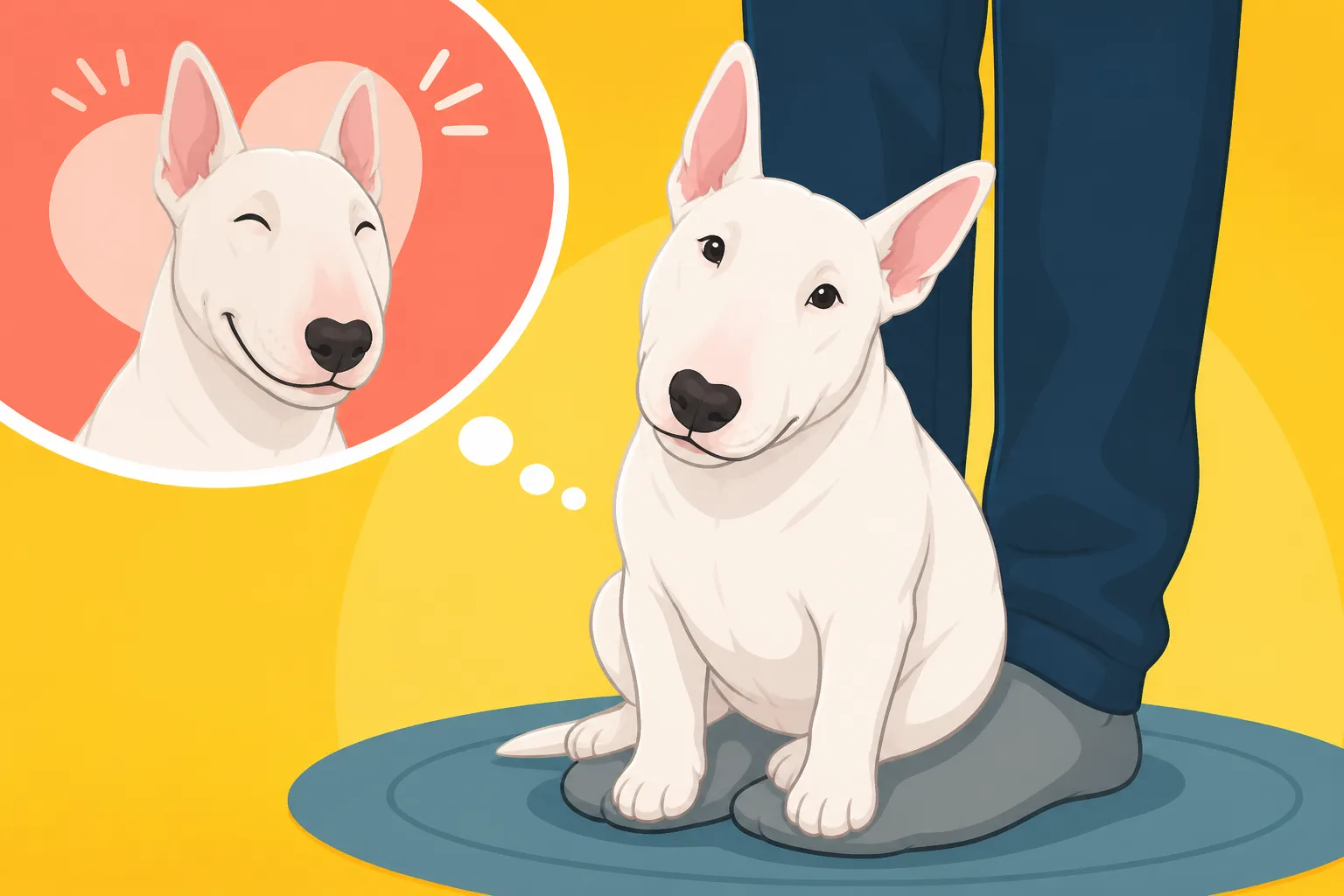
If you're a Bull Terrier owner, you've probably experienced it: you're sitting on the sofa, at your desk, or even just standing in the kitchen, and suddenly, there's a warm, solid weight on your feet. It's your Bull Terrier, making themselves comfortable, often with a sigh of contentment. It’s an endearing habit for many, but it can also make you wonder exactly why they do it, and what it really means for your unique companion. This guide will explore the many reasons behind this particular Bull Terrier quirk, from pure affection to deeper instinctual drives, and help you understand your quirky companion a little better.
Understanding the Bull Terrier's Need for Closeness
Bull Terriers are known for their strong personalities, their clownish antics, and sometimes, their stubborn streak. But underneath that tough exterior and boundless energy often lies a deeply affectionate and sensitive soul who thrives on connection with their human family. The act of sitting on your feet isn't just a random occurrence; it's often a complex interplay of their breed characteristics, their individual temperament, and their desire for security and warmth.
It's easy to dismiss it as simply "they love me," and while that's certainly a huge part of it, there's more beneath the surface. These are dogs bred to be companions, even if their history traces back to a very different purpose. That companion drive has evolved into a profound need for proximity and inclusion in their human's activities. This isn't a dog content to merely share a house; they want to share your personal space, your warmth, and your attention, sometimes quite literally on top of you.
The Bull Terrier's Affectionate Nature
Bull Terriers are often described as "three-year-olds in a dog suit" due to their playful, sometimes boisterous, yet incredibly loving nature. They form incredibly strong bonds with their primary caregivers and often develop an intense loyalty. This loyalty often manifests in physical closeness. For a Bull Terrier, being near you isn't just a preference; it's a fundamental part of their happiness and security. They are not subtle about their affections; a lean, a nudge, or a full-body flop are all part of their repertoire.
Sitting on your feet is a very direct, undeniable way for them to assert that closeness. It’s their way of saying, "I'm here, you're here, and this is good." It allows them to feel your presence, hear your breathing, and even pick up on subtle changes in your body language. For a breed that often lives in its own vibrant world, this grounding connection to their human is incredibly important. If you’ve ever wondered How Physically Affectionate a Bull Terrier Is, you'll quickly learn that their love language often involves physical contact.
Seeking Comfort and Security
Imagine a small child seeking the comfort of their parent's lap or clinging to their leg in a new environment. While your Bull Terrier is a powerful, robust creature, they often retain a profound, almost childlike need for reassurance. Your feet, anchored firmly to the ground, represent a stable, unmoving point of security in their world. By sitting on them, they're literally connecting themselves to your stability.
This can be particularly true in busy households or unfamiliar settings. If there's a lot of commotion, or if guests are over, your Bull Terrier might seek out your feet as a safe haven. It's a way for them to feel protected and to draw reassurance from your calm presence. They know they're safe when they're with you, and being physically connected amplifies that feeling of security. It’s not uncommon for them to follow you from room to room, just to maintain that connection, leading many owners to ponder Why a Bull Terrier Follows You Everywhere.
The Warmth Factor
Let's be honest, sometimes the simplest explanation is the right one! Dogs, much like us, appreciate comfort. Your feet, especially if you're wearing shoes or slippers, can provide a surprisingly warm and cozy spot. Our body heat radiates, and for a dog with a single, short coat, finding a warm spot to settle is always a bonus.
Think about how often your Bull Terrier seeks out sunny spots on the floor or burrows under blankets. It's all about comfort and warmth. Your feet offer a convenient, living heat source, especially during cooler weather or in an air-conditioned room. This isn't just about survival; it's about pure, unadulterated comfort.
Instructive and Behavioral Aspects of Foot-Sitting
Beyond simple affection and comfort, there are deeper, more instinctual reasons why a Bull Terrier might choose your feet as their personal perch. These reasons can sometimes overlap, creating a complex web of motivations that drive their behavior. Understanding these layers helps you respond appropriately and strengthen your bond.
A Form of "Resource Guarding" (Your Attention and Proximity)
Now, don't panic when you hear "resource guarding." We're not talking about growling over a food bowl or a favorite toy in this context. Rather, sitting on your feet can be a subtle, almost endearing form of soft resource guarding – guarding you and your attention. Your Bull Terrier sees you as a valuable resource, and by planting themselves firmly on your feet, they are subtly marking their territory and claiming your immediate attention.
This behavior can be particularly evident when there are other pets in the house, or even other people. If another dog approaches, or if a family member tries to interact with you, your Bull Terrier might snuggle down even harder. It's their way of saying, "This human is my human right now, and I'm right here." It's not usually aggressive, but rather a passive-aggressive claim to your affection and presence. You might notice similar behaviors if your Bull Terrier is generally very bonded to you, sometimes to the point where they are considered Whether a Bull Terrier Is a One Person Dog.
Attention-Seeking Behavior
Let’s face it, Bull Terriers are masters of getting what they want, and often, what they want most is your attention. Whether it's a pat, a scratch behind the ears, or simply a kind word, they thrive on interaction. If they've tried nudging your hand with their nose or leaning against your leg and haven't gotten the desired response, settling onto your feet is a pretty foolproof way to get noticed.
It's hard to ignore a seventy-pound dog making itself comfortable on your appendages! This behavior can be reinforced unintentionally. If every time they sit on your feet, you reach down to pet them or talk to them, you’re teaching them that this is an effective strategy. It’s a classic example of operant conditioning, and your clever Bull Terrier has figured it out. They know that by creating this physical connection, they become the undeniable focus of your immediate environment.
Territorial Marking and Ownership
While less common than the other reasons, some Bull Terriers might exhibit foot-sitting as a mild form of territorial marking. By placing their body against yours, they're leaving their scent and indicating "ownership" to themselves and, perhaps, to other animals in the household. It’s a primal instinct, albeit often softened in our domesticated companions.
This is more likely to be a factor if your Bull Terrier has a generally dominant personality or if there are other dogs in the home that they view as competition for your affection. It's a non-confrontational way for them to assert their place within the pack hierarchy, firmly establishing their bond with you.
Managing the Foot-Sitting Habit
While often endearing, a Bull Terrier constantly sitting on your feet can be inconvenient, or even a trip hazard. Knowing how to manage this behavior, and when to be concerned, is important for both your comfort and your dog's well-being.
Encouraging Appropriate Proximity
The goal isn't to discourage closeness, but to redirect it into more appropriate and safe forms. If your Bull Terrier is consistently on your feet, you can teach them a "place" command or encourage them to settle in a designated spot nearby.
For example, keep a comfy dog bed, like those robust ones you can find on Amazon that stand up to Bull Terrier nesting, right next to your chair or sofa. When they attempt to sit on your feet, gently redirect them to their bed with a verbal cue like "place" or "bed." Reward them generously when they settle there. This teaches them that being near you is great, but their specific spot is even better. Consistency is key here; every time they choose your feet, gently move them. Over time, they'll learn the new routine. You might also find resources from reputable trainers like BAXTER & Bella helpful for structured training on "place" commands.
Assessing for Underlying Issues
Most of the time, foot-sitting is benign, but in some rare cases, it could be a subtle sign of something else.
Signs to watch for:
- Sudden onset: If your Bull Terrier has never done this before and suddenly starts, it's worth noting.
- Excessive clinginess: Are they suddenly exhibiting other signs of separation anxiety, like destructive chewing when left alone or constant vocalization? Signs a Bull Terrier Has Separation Anxiety could indicate a deeper need for reassurance.
- Pain or discomfort: Are they trying to brace themselves or find comfort due to an underlying physical issue? While less likely, a sudden change in behavior always warrants a check-up.
- Increased anxiety: Are they panting, pacing, or generally more anxious when they can't be on your feet?
If you notice any of these accompanying signs, a trip to your vet is a good idea to rule out any medical causes. Once medical issues are ruled out, a professional dog trainer or behaviorist can help you address anxiety or attachment-related behaviors.
When to Embrace It (and When to Set Boundaries)
There’s no shame in admitting you love it when your Bull Terrier is a little velcro dog! For many owners, this physical closeness is one of the joys of having a Bull Terrier. It's a testament to their strong bond.
| Reason for Foot-Sitting | What It Might Mean | Action to Take (If Desired) |
|---|---|---|
| Affection | "I love you and want to be near you." | Enjoy the closeness; reciprocate with gentle pets. |
| Comfort/Warmth | "This spot feels cozy and safe." | Offer a comfortable bed nearby; ensure they have warm resting spots. |
| Security/Reassurance | "I feel safe when I'm connected to you." | Provide a calm environment; reassure with gentle words. |
| Attention-Seeking | "Pay attention to me, please!" | Redirect to an alternative, positive behavior (e.g., "place" command, puzzle toy). |
| Mild Resource Guarding | "You're mine; stay close." | Reinforce "place" or "settle" commands; ensure all pets have ample resources. |
However, it's also perfectly fine to set boundaries, especially if it becomes a safety concern or is simply uncomfortable. A good relationship with your Bull Terrier is built on mutual respect. You can teach them that while you adore their presence, there are times and places where direct physical contact isn't ideal. This might involve teaching them a strong "off" command or utilizing baby gates (found on Amazon) to create zones where they can't access your feet, but can still be in the same room. Teaching them to "settle" on a mat or bed near you can be an incredibly valuable skill, offering both of you proximity without being literally underfoot.
For a breed as strong-willed as a Bull Terrier, consistency and positive reinforcement are your best friends. Avoid harsh corrections, as a Bull Terrier is often very sensitive to tone and can shut down under pressure. Instead, focus on rewarding the behaviors you do want to see.
Conclusion: A Bull Terrier's Unique Connection
Ultimately, your Bull Terrier sitting on your feet is a window into their heart. It speaks volumes about their deep affection, their need for security, and their desire to be an undeniable part of your life. They might be a canine clown, full of boisterous energy and a penchant for mischief, but they are also deeply devoted creatures who crave connection.
By understanding the various motivations behind this charming (if sometimes inconvenient) habit, you can better meet their needs, reinforce good manners, and further strengthen the incredible bond you share. Whether you embrace the foot-warmth or gently redirect them to their own comfy spot, remember that this behavior is a uniquely Bull Terrier way of saying, "I love you, and I want to be right here, with you."
Disclaimer
This article is for general informational purposes only and does not constitute professional advice. Laws, prices and regulations vary by location and change over time. Consult a qualified professional for guidance on your specific situation.