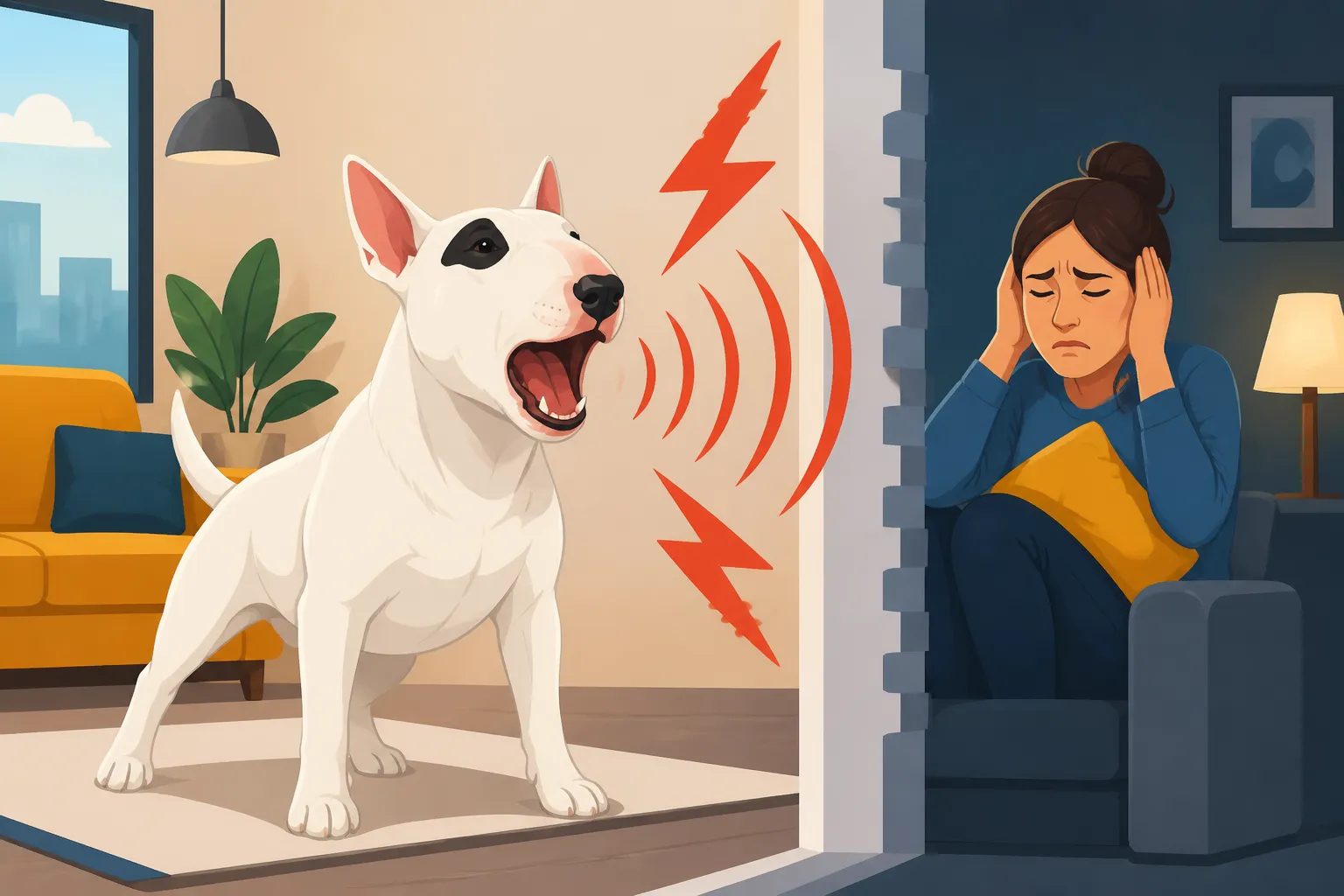
How Loud a Bull Terrier Is in an Apartment
One of the biggest worries for any Bull Terrier owner living in an apartment, or even just in close quarters with neighbors, is how much noise their beloved clown will make. It's a valid concern, as a dog that's constantly barking or carrying on can quickly lead to strained relationships with those next door, or even issues with your lease. This guide will explore the typical vocalizations of a Bull Terrier, why they might get particularly noisy in an apartment setting, and, most importantly, provide actionable strategies to help create a more peaceful coexistence for everyone.
Understanding the Bull Terrier's Vocal Repertoire
Bull Terriers are known for their unique personalities, and that often extends to their vocalizations. They aren't typically considered incessant barkers like some smaller breeds, but they do have a distinctive range of sounds they use to communicate. It's not always a booming "woof!" you'll hear; sometimes it's more nuanced, and understanding these different sounds is the first step to managing them in an apartment.
The Grumbles, Groans, and "Conversations"
If you've spent any time around a Bull Terrier, you know they are masters of the expressive groan and the deep, rumbling grumble. These aren't usually signs of aggression or unhappiness; more often, they're expressions of contentment, mild irritation at being disturbed, or simply your Bull Terrier "talking" to you. My own Bull Terrier, Spike, used to have full-blown, one-sided conversations with me every evening, a chorus of mumbles and huffs when he was settling down. While endearing, these can sometimes be misinterpreted by thin walls or sensitive neighbors. It’s important to distinguish these from true barking. Often, these low, guttural sounds don't carry as far as a sharp bark, but they do contribute to the overall soundscape of your home. If you're wondering What a Bull Terrier Grumbles and Groans About, it's often a sign of comfort or a low-level bid for attention.
Alert Barking and Demand Barking
This is where apartment living can get tricky. Bull Terriers are naturally alert and can be quite sensitive to novel sounds. That means every creak in the hallway, every elevator ding, every neighbor's door closing, or even a distant siren can trigger an "alert" bark. This isn't aggression; it's them doing their job, telling you something's up. The problem is, in an apartment building, "something's up" is pretty much constantly happening.
Then there's demand barking. Bull Terriers are smart, and they learn quickly what gets your attention. If they bark when they want to play, or when they want to go out, and you respond, you've just inadvertently trained them that barking is a successful communication tool. This can escalate in an apartment because their desires for attention, exercise, or food become immediate and vocal demands, amplified by the close quarters. Understanding the nuances of their communication and their cleverness is key to navigating life with them.
Why Apartment Life Can Amplify Bull Terrier Noise
Living in an apartment presents unique challenges for Bull Terrier owners when it comes to managing noise. The very nature of multi-unit dwellings can exacerbate a Bull Terrier's natural tendencies, turning a minor vocalization into a major nuisance for neighbors.
The Echo Chamber of Apartment Buildings
Apartment walls, floors, and ceilings are rarely soundproof. Even in newer construction, sound travels. This means your Bull Terrier's enthusiastic greeting bark, which might be a fleeting moment in a standalone house, can echo through the building, annoying neighbors several units away. Every thump, scratch, and vocalization becomes amplified. For a dog that's already prone to being "chatty" with grumbles and groans, this can be particularly problematic, as even their quietest expressions of self can become audible to others. It's not just their barking; even their zoomies or body slams can be heard, making apartment neighbors acutely aware of their presence.
The Constant Barrage of Novel Stimuli
Imagine being a Bull Terrier in an apartment. There's a constant stream of new smells wafting under the door, footsteps in the hall, conversations through the walls, and elevator bells. For a dog that thrives on investigating its environment, this is an overwhelming sensory experience. Each new sound or scent can trigger their alert system. While some dogs learn to filter out these everyday noises, many Bull Terriers find it difficult, feeling compelled to acknowledge every single one. This can lead to frequent, short bursts of barking throughout the day, which can be far more irritating to neighbors than one sustained barking fit. This barrage of stimuli often means your Bull Terrier might be overstimulated, leading to more vocal responses than in a quieter environment.
Boredom and Separation Anxiety
One of the most common reasons for excessive noise in any dog, but particularly a high-energy, people-oriented breed like the Bull Terrier, is boredom or separation anxiety. Bull Terriers are extremely attached to their people and thrive on interaction and mental stimulation. If left alone for long periods without adequate exercise or enrichment, they can become destructive and vocal. A bored Bull Terrier might bark at every shadow, chew on furniture, or develop incessant whining. What a Bull Terrier Does When It Is Bored can be quite extensive, and barking is high on that list.
Separation anxiety is an even more serious concern, manifesting as distress vocalizations (howling, whining, barking) when their owner leaves. This isn't a behavior problem as much as an anxiety disorder, and it requires a dedicated approach. If you're seeing Signs a Bull Terrier Has Separation Anxiety, like frantic attempts to escape, destructive chewing focused on exit points, or excessive drooling, addressing the anxiety itself is paramount. Leaving them alone for How Long a Bull Terrier Lasts Alone Before It Chews can be surprisingly short if they're not adequately prepared.
Strategies for a Quieter Apartment Life with Your Bull Terrier
Living harmoniously with a Bull Terrier in an apartment is entirely possible, but it requires proactive planning, consistent effort, and a deep understanding of your dog's needs. It's about setting them up for success in a potentially challenging environment.
Environmental Management and Soundproofing
The first line of defense against apartment noise issues is to manage the environment. While you can't tear down walls, you can mitigate sound. Heavy curtains or blinds can help absorb some sound that would otherwise bounce off windows. Placing furniture against shared walls, or even adding decorative acoustic panels, can make a difference. White noise machines are invaluable; they can mask outside sounds that trigger alert barking. You can find many effective and affordable white noise machines on Amazon that provide a consistent, soothing background hum, helping to drown out hallway noises or conversations from adjacent units. Even leaving a radio or TV on low can create a sound buffer.
Consider your Bull Terrier's sleeping and resting areas. A cozy crate, covered with a blanket, can provide a den-like retreat where they feel secure and less exposed to external stimuli. If you're crate training, remember that a crate isn't punishment; it's a safe space. Whether a Crate Helps a Bull Terrier Left Alone often depends on how positively it's introduced and if it truly becomes their quiet haven.
Enriching Their Lives: Exercise and Mental Stimulation
A tired Bull Terrier is a quiet Bull Terrier. This breed needs a significant amount of physical and mental exercise to be content. Don't underestimate How Much Exercise a Bull Terrier Actually Needs. It's more than just a quick walk around the block. Aim for vigorous walks, play sessions in a secure area, or even dog sports if they're inclined. A daily routine that includes physical exertion will go a long way in reducing restless barking and destructive behaviors.
Beyond physical exercise, mental stimulation is crucial. Bull Terriers are intelligent and get bored easily. Puzzle toys, KONGs filled with frozen treats, snuffle mats, and training sessions are excellent ways to engage their minds. Look for durable, interactive toys on Amazon that can withstand a Bull Terrier's powerful jaws. Rotate their toys to keep things fresh. These enrichment activities can redirect their energy from barking to problem-solving, helping them settle more calmly when left alone. Engaging in Which Indoor Games Tire a Bull Terrier Out can be particularly useful on rainy days or in smaller apartment spaces.
Consistent Training and Behavior Modification
Training is your most powerful tool. Start early, be consistent, and use positive reinforcement methods.
- "Quiet" Command: Teach your Bull Terrier a "quiet" cue. When they bark, let them get one or two barks out, then say "Quiet!" and present a high-value treat. The moment they stop barking, even for a second, reward them. Gradually increase the duration they need to be quiet before getting the treat.
- Desensitization to Apartment Sounds: This takes patience. Record common apartment sounds (door closing, footsteps) and play them at a very low volume while your Bull Terrier is relaxed, rewarding calm behavior. Gradually increase the volume over days or weeks, always pairing the sound with positive experiences.
- Address Demand Barking: The hardest part of demand barking is ignoring it. When your Bull Terrier barks for attention, turn your back, walk away, or leave the room. Only engage when they are quiet. It will get worse before it gets better (extinction burst), but consistency is key.
- Enlist Professional Help: If barking is severe or if you suspect separation anxiety, don't hesitate to seek a certified professional dog trainer or veterinary behaviorist. Online training resources, like those offered by BAXTER & Bella, can provide structured programs and support tailored to specific behavioral challenges, including excessive vocalizations. They can guide you through tailored modification plans.
Building a Routine and Communication
Bull Terriers thrive on routine. A predictable schedule for walks, meals, play, and quiet time can reduce anxiety and help them understand what to expect throughout the day. This predictability helps manage their energy and expectations, potentially reducing reactive barking. Also, communicate with your neighbors. A polite conversation explaining that you're working on training your dog, and providing them with your contact information in case of excessive noise when you're out, can go a long way in fostering understanding and patience. Transparency often buys you valuable goodwill.
Living a Harmonious Apartment Life with Your Bull Terrier
Successfully integrating a Bull Terrier into apartment living, especially when considering noise levels, comes down to a few core principles: understanding their breed-specific needs, providing ample mental and physical outlets, and employing consistent, positive training.
The Importance of Early Socialization and Exposure
Starting early with a Bull Terrier puppy is invaluable. Exposing them to a variety of sights, sounds, and experiences in a positive way can help them become more resilient and less reactive to the everyday commotion of apartment life. Puppy classes, like those recommended by BAXTER & Bella, are excellent for this, allowing them to encounter new environments and people in a controlled setting. While you can't entirely desensitize them to every hallway sound, early, positive exposure can build their confidence and teach them to view novel stimuli with less alarm.
It's about helping them build a strong foundation. A Bull Terrier that feels secure and confident in its environment is less likely to resort to anxious or reactive barking. This means carefully managing their interactions with the world, ensuring they have positive experiences, and avoiding overwhelming situations that could lead to fear or stress-induced vocalizations. Remember, a Bull Terrier's temperament is influenced by both genetics and environment, so your proactive efforts in socialization can make a huge difference.
Managing Expectations and Realistic Goals
Let's be realistic: your Bull Terrier is a dog, and dogs make noise. The goal isn't to silence them completely, but to manage their vocalizations to an acceptable level for apartment living. There will be times when they bark – at the doorbell, at a new delivery person, or when they're particularly excited during play. The aim is to reduce nuisance barking (e.g., constant alert barking at every faint sound, or incessant demand barking) and ensure their expressions of contentment (like those adorable grumbles) don't become a source of conflict.
It's also about understanding that some Bull Terriers are naturally more vocal than others, just like people. While training and environmental management can work wonders, some individual personalities will always be a bit more boisterous. Recognizing this, and working within your specific dog's personality and tendencies, is part of being a responsible and empathetic owner. You might find some useful discussions in online communities or on resources like BAXTER & Bella, where other Bull Terrier owners share their experiences with different personality types and training approaches. The ultimate goal is a happy, well-adjusted Bull Terrier who feels safe and understood, even if they occasionally let out a celebratory "woof!" or a grumpy sigh.
The Role of Diet and Health in Behavior
Sometimes, excessive vocalization or restlessness can have underlying health causes. Nutritional deficiencies, allergies, or even pain can manifest as behavioral changes, including increased barking or agitation. Ensuring your Bull Terrier is on a high-quality, balanced diet suitable for their age and activity level is fundamental to their overall well-being. If you've noticed a sudden change in their vocal habits, or if their barking is accompanied by other unusual behaviors, it’s always wise to consult your veterinarian. They can rule out any medical conditions that might be contributing to the issue. For instance, chronic discomfort could make them more sensitive to sounds and prone to reactive barking. A healthy Bull Terrier is a happier, and often quieter, Bull Terrier.
Consider the cumulative effect of various stressors. An uncomfortable diet combined with insufficient exercise and anxiety from being left alone can create a perfect storm for a noisy pup. Addressing each piece of the puzzle holistic approach is key.
Summary of Bull Terrier Vocalizations in an Apartment
| Vocalization Type | Common Triggers in Apartment | Impact on Neighbors | Management Strategies |
|---|---|---|---|
| Grumbling/Groaning | Contentment, mild irritation, "talking" | Usually low volume, but can be heard through thin walls | Often benign; ensure general quiet environment, comfort |
| Alert Barking | Hallway noises, outside sounds, doorbells | Can be frequent, sharp, and disruptive | White noise, desensitization, "Quiet" command, good exercise |
| Demand Barking | Seeking attention, food, play, going out | Repetitive, can escalate quickly | Ignore behavior, reward silence, consistent training |
| Whining/Howling | Separation anxiety, boredom, distress | Prolonged, often indicates underlying anxiety | Address anxiety, increase exercise/enrichment, professional help |
Remember, every Bull Terrier is an individual. What works for one might need tweaking for another. The key is observation, patience, and a deep commitment to their well-being. With the right approach, your Bull Terrier can be a wonderful, relatively quiet apartment companion, bringing joy without driving your neighbors up the wall.
Disclaimer
This article is for general informational purposes only and does not constitute professional advice. Laws, prices and regulations vary by location and change over time. Consult a qualified professional for guidance on your specific situation.