How a Bull Terrier Hides Pain
It's one of the toughest realities of being a Bull Terrier parent: these incredible dogs, with their boundless energy and famously clownish personalities, are often masters at hiding discomfort. You might wonder how a dog so full of life could possibly be in pain without you noticing. The truth is, their stoic nature and genetic predisposition can make it incredibly difficult to spot when something is truly amiss. This guide is here to shed light on those elusive signs, helping you become an expert observer of your Bull Terrier's well-being, so you can catch issues early and ensure they live their happiest, healthiest life.
The Bull Terrier's Stoic Nature: Why They Don't Complain Loudly
Bull Terriers are, without a doubt, a breed apart. Their unique physical characteristics are only matched by their distinctive temperament. But beneath that playful, sometimes goofy exterior lies a deep-seated stoicism that can make understanding their pain levels a real challenge. Unlike some breeds that might yelp at the slightest twinge or limp dramatically, Bull Terriers often power through discomfort, a trait that can be both admirable and incredibly frustrating for a loving owner trying to assess their health.
Their History and Instinct to Mask Weakness
To truly understand why your Bull Terrier might be tight-lipped about their pain, we need to glance back at their lineage. Bred for resilience and tenacity, their ancestors were working dogs who needed to appear strong and capable, even when injured. In the animal kingdom, showing weakness can be a death sentence, making dogs inherently wired to hide vulnerabilities. While your Bull Terrier isn't fighting bulls or rats today, those ancient instincts remain, telling them to suppress outward signs of pain. It’s not that they don't feel it, but rather that their instinct is to push through, making them incredibly tough customers when it comes to expressing discomfort. This can be especially heartbreaking when you realize they might be suffering in silence, trying to be "brave" for you.
The "Clown" Persona as a Cover
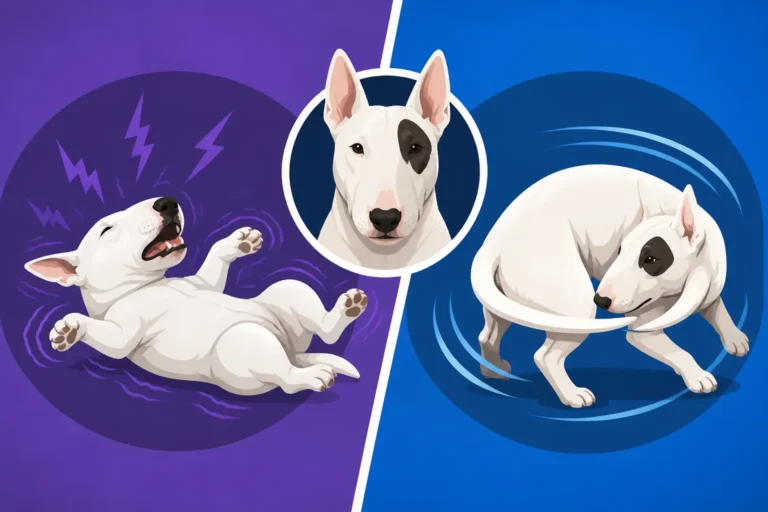
Ah, the Bull Terrier clown! We love them for their silly antics, their sudden bursts of zoomies, and their general air of joyous chaos. This personality, however, can also be a brilliant disguise for pain. A Bull Terrier might still attempt to participate in play, even if it hurts, because they genuinely love being involved and hate to miss out on fun. They might modify their play style ever so slightly – a shorter run, a less enthusiastic leap – changes that are easily dismissed as just them "being silly" or "getting older." You might see them doing their signature "body slam" greeting, but if they wince or immediately settle down afterwards, it's a huge red flag. This clownish exuberance can make it hard to differentiate between their normal quirkiness and a subtle signal of pain. What looks like a quirky spin, for instance, could sometimes be related to something else. We've even discussed Whether a Bull Terrier Tail Chasing Is a Seizure, which shows how odd behaviors can sometimes mask underlying medical issues.
Normal Bull Terrier Behavior vs. Subtle Changes
The key to spotting pain in a Bull Terrier lies in knowing your individual dog's baseline behavior inside and out. Every Bull Terrier has their own unique quirks, energy levels, and preferred ways of interacting. What might be a normal amount of "zoomie" energy for one dog could be drastically reduced for another. Keep a mental, or even better, a physical log of their habits. How do they usually greet you? How do they get up from a nap? How long do they typically play before settling down? Any deviation from this established norm, no matter how small, could be a sign. Perhaps they used to launch themselves onto the sofa with gusto, and now they hesitate or use their front paws to pull themselves up. Maybe they used to gobble their food, and now they eat a bit slower, or even leave a few kibbles behind. These tiny shifts are your first clues.
Common Signs of Pain in Bull Terriers That Are Easy to Miss
Because Bull Terriers are so adept at hiding what's truly bothering them, you'll need to develop a keen eye for nuances. Forget the dramatic limp or the mournful cry; your Bull Terrier will likely communicate pain through more understated means. It’s all about detecting those small shifts in their daily routine and physical presentation.
Changes in Movement and Activity Levels
This is often where the earliest indicators show up, but they can be incredibly subtle. You might not see a full-blown limp, but perhaps a slight stiffness after getting up from a long nap. Maybe they're usually first out the door for a walk, but now they lag a step behind. Their gate might change, becoming slightly choppy or less fluid, especially in their hindquarters. They might avoid stairs, or manage them more slowly and deliberately. Jumping into the car or onto furniture could become a struggle, or they might simply stop attempting it altogether.
Consider how they usually play. Is their chase game as fast as it once was? Are they still initiating tug-of-war, or are they letting you do more of the work? Even if they still engage, observe the quality of their engagement. A Bull Terrier who previously loved to bound for miles might now be content with shorter, slower strolls. This isn't necessarily just "getting older"; it could be a sign of underlying discomfort, especially if you notice a specific joint or area seems less willing to move. For instance, joint issues like Spondylosis in an Aging Bull Terrier or injuries like Whether a Bull Terrier Gets Cruciate Tears can manifest as very subtle changes in movement initially.
Subtle Behavioral Shifts and Mood Alterations
This category is often the most challenging to interpret because Bull Terriers are known for their strong personalities. However, even the most boisterous Bull Terrier can show changes in their demeanor when in pain. They might become a little less tolerant of petting, especially if you touch a sore spot. A previously cuddly dog might start to keep a bit more distance, or conversely, a normally independent dog might become clingier, seeking comfort.
Loss of enthusiasm for favorite activities is a huge tell. If your Bull Terrier usually goes wild for mealtime, or their most beloved toy, but now approaches them with less gusto, pay attention. They might sleep more than usual, or struggle to find a comfortable position, constantly shifting. Sometimes, subtle aggression or irritability can emerge, particularly if they feel vulnerable or fear being touched in a painful area. For a breed that bonds so deeply, a change in their affection or interaction patterns is a significant red flag. They are known for being affectionate, so any withdrawal is worth noting.
Physical Manifestations You Might Overlook
Beyond movement, there are physical signs that can point to pain, often missed because they aren't "obvious." Swelling, heat, or tenderness in a particular area, even if slight, needs investigation. Gently palpate your dog's body, feeling for anything unusual. A Bull Terrier's skin is often its weakest point, and issues like Whether a Bull Terrier Gets Hot Spots or other skin irritations can be quite painful. Pay close attention to how they react to your touch – a flinch, a sudden turn of the head, or a tense muscle can all indicate discomfort.
Observe their posture. Are they hunched? Is their tail tucked more than usual? Are they standing with their weight shifted, or perhaps "pointing" with a paw? Subtle changes in their facial expression, like squinting, a furrowed brow, or excessive licking of lips, can also signal pain. Even their coat condition might change if they're not grooming themselves as effectively due to discomfort. Keep an eye on their urination and defecation habits; difficulty posturing or straining could indicate pain in their back or abdomen. A regular wellness exam where a vet thoroughly checks them over, as described in How Often a Bull Terrier Needs a Wellness Exam, is crucial for catching these subtle signs early.
Here’s a table summarizing some of the subtle pain indicators to watch for:
| Category | Subtle Signs to Watch For | What It Might Look Like |
|---|---|---|
| Mobility | Hesitation with stairs/jumps, stiff gait, slower to rise/lie down, favoring a limb | Taking the ramp instead of jumping, less enthusiastic on walks, difficulty getting comfortable |
| Behavior | Reduced enthusiasm for play/food, increased clinginess or aloofness, irritability | Not greeting you with full body wiggles, opting for quiet naps over interaction, snapping if touched unexpectedly |
| Physical | Excessive licking/chewing a spot, subtle flinching when touched, changes in posture, panting, trembling | Obsessively grooming a paw, slight arch in their back, ears pinned back, restless sleep |
| Appetite/Thirst | Eating slower, leaving food, changes in water intake, reluctance to chew hard foods | Sniffing food but not eating, drinking more (could be kidney issue) or less (nausea) |
| Elimination | Straining, difficulty posturing, increased frequency, accidents | Squatting gingerly, needing to go out more often, having accidents indoors |
What to Do When You Suspect Your Bull Terrier Is in Pain
Spotting the subtle signs is only the first step. The next, and arguably most important, is knowing how to act on your suspicions. Ignoring these cues can lead to worsening conditions and prolonged suffering for your beloved Bull Terrier.
Observe, Document, and Trust Your Gut
When you first notice something seems off, don't dismiss it. Start a journal. Note down everything you observe: the exact date and time, what your Bull Terrier was doing, how they reacted, and any other relevant details. For example, "October 24th, 8 AM: Rover hesitated for a full 5 seconds before attempting to jump on the sofa. Whined softly once he landed." Or "October 25th, 3 PM: Did not finish dinner, which is highly unusual. Later observed licking his left hind paw excessively."
Documenting helps you track patterns, severity, and whether the issue is intermittent or constant. This detailed information will be invaluable for your veterinarian. More importantly, trust your intuition. As a Bull Terrier owner, you know your dog better than anyone. If your gut tells you something isn't right, even if you can't pinpoint why, listen to it. Many serious health issues, like Signs a Bull Terrier's Kidneys Are Failing, start with vague, non-specific symptoms that only a vigilant owner would catch.
The Importance of a Vet Visit and Open Communication
Once you have your observations, it's time to call the vet. Be clear and specific when you explain what you've noticed. Don't just say, "My dog seems off." Instead, present your documented evidence. Describe the subtle changes in movement, behavior, and physical signs. Emphasize their stoicism to the vet, so they understand why the signs are so understated.
During the examination, be prepared to answer questions about their diet, exercise routine, and any recent changes in their environment. The vet will perform a thorough physical exam, checking for tenderness, range of motion, and any abnormalities. They may recommend diagnostics like X-rays, blood tests (like What a Bull Terrier's Yearly Bloodwork Should Cover), or even an ultrasound, depending on what they suspect. It’s important to advocate for your dog and ask questions until you fully understand the potential causes and treatment plan. Having a good pet insurance plan, such as one from Healthy Paws, can be incredibly helpful here, as diagnostic tests and treatments can quickly add up, allowing you to make decisions based on your pet's needs rather than solely on cost.
Managing Chronic Pain and Long-Term Care
If your Bull Terrier is diagnosed with a chronic pain condition, such as arthritis, hip dysplasia, or even ongoing issues from How a Bull Terrier With Nephritis Is Managed, the journey shifts to long-term management. This often involves a multi-modal approach:
- Medication: Your vet might prescribe anti-inflammatory drugs, pain relievers, or supplements like glucosamine. Always administer medication exactly as directed and never give human pain medication without veterinary guidance.
- Physical Therapy: Techniques like hydrotherapy, therapeutic exercises, or massage can significantly improve mobility and reduce pain.
- Environmental Modifications: Simple changes at home can make a huge difference. Think orthopedic beds, non-slip rugs on slick floors, ramps for getting into cars or onto furniture, and raised food and water bowls to reduce strain.
- Weight Management: Keeping your Bull Terrier at a healthy weight is paramount for joint health. Even a few extra pounds can significantly exacerbate pain in arthritic joints. This goes hand in hand with What Changes in an Aging Bull Terrier and their overall mobility.
Regular check-ups will be essential to monitor their progress and adjust their pain management plan as needed. Building a strong relationship with your vet and communicating openly about your dog’s good days and bad days will ensure they receive the best possible care.
Preventing Pain and Promoting Lifelong Comfort
While some health issues are unavoidable, there's a great deal you can do as a Bull Terrier owner to minimize the risk of pain and maximize their comfort throughout their The Ten to Fourteen Years a Bull Terrier Gets. Proactive care is truly the best medicine.
Proactive Health Screenings and Regular Check-ups
One of the most powerful tools in your arsenal is a commitment to regular veterinary care. Beyond routine vaccinations, annual or bi-annual wellness exams are crucial. During these visits, your vet can catch subtle changes before they become major problems. They’ll check joint health, listen to their heart, examine their teeth – which can be a source of significant pain if neglected, something discussed in Whether a Bull Terrier Needs Its Teeth Brushed – and discuss any behavioral shifts you've noticed.
Breed-specific screenings are especially important for Bull Terriers. For example, regular The Yearly Kidney Screen a Bull Terrier Needs for Life is vital due to the breed's predisposition to kidney disease. Early detection of issues like protein in the urine can allow for dietary changes and medication that can significantly extend their lifespan and quality of life, preventing painful kidney crises later on. When considering a pet insurance plan, investigate how providers like Healthy Paws cover these preventative screenings and ongoing chronic conditions.
Maintaining a Healthy Weight and Appropriate Exercise
A Bull Terrier, with its muscular build and high energy, needs regular exercise to stay fit and prevent obesity, which is a massive contributor to joint pain. However, "appropriate" is the key word. Over-exercising a growing puppy or pushing an older dog too hard can cause injuries. Aim for a balance of mental stimulation and physical activity tailored to your dog's age and health.
Feeding a high-quality, balanced diet is equally critical. Avoid overfeeding and monitor their body condition closely. You should be able to easily feel their ribs without seeing them, and they should have a discernible waist. If you’re unsure about their ideal weight or diet, your vet can provide guidance. Every pound of excess weight puts additional strain on their joints, exacerbating any underlying orthopedic issues.
Providing a Safe and Supportive Environment
Creating a home environment that supports your Bull Terrier's physical and mental well-being is vital for preventing pain. This means ensuring they have comfortable, supportive bedding, especially as they age. Provide soft surfaces for them to lie on, particularly if they spend a lot of time on hard floors. If you have slippery floors, consider rugs or runners to prevent slips and falls that can lead to injury.
Mental enrichment is just as important as physical exercise. A bored Bull Terrier can become destructive, which can lead to self-injury or ingesting foreign objects that cause internal pain. Provide a variety of puzzle toys, chew items, and opportunities for mental engagement to keep their active minds occupied. Finally, a consistent routine and a calm, predictable home environment can reduce stress, which in itself can manifest as physical pain or exacerbate existing conditions. When you think about What a Bull Terrier's Emergency Fund Should Hold, remember that a substantial portion of it might go towards managing health issues that could arise despite all your best efforts.
Disclaimer
This article is for general informational purposes only and does not constitute professional advice. Laws, prices and regulations vary by location and change over time. Consult a qualified professional for guidance on your specific situation.