Whether a Bull Terrier Gets Cruciate Tears
There's nothing quite like the boundless energy of a Bull Terrier – those hilarious zoomies, the way they body slam you for affection, and their sheer enthusiasm for life. But sometimes, that energy can turn into a worrying limp, a sudden reluctance to jump, or a heartbreaking struggle with everyday movement. When your sturdy, robust Bull Terrier starts showing signs of lameness, a common fear for many dog owners is a cruciate ligament tear. This guide will explore exactly what a cruciate tear entails, whether Bull Terriers are particularly susceptible, how to recognize the signs, and what steps you can take for diagnosis, treatment, and prevention.
Understanding Cruciate Ligament Injuries in Dogs
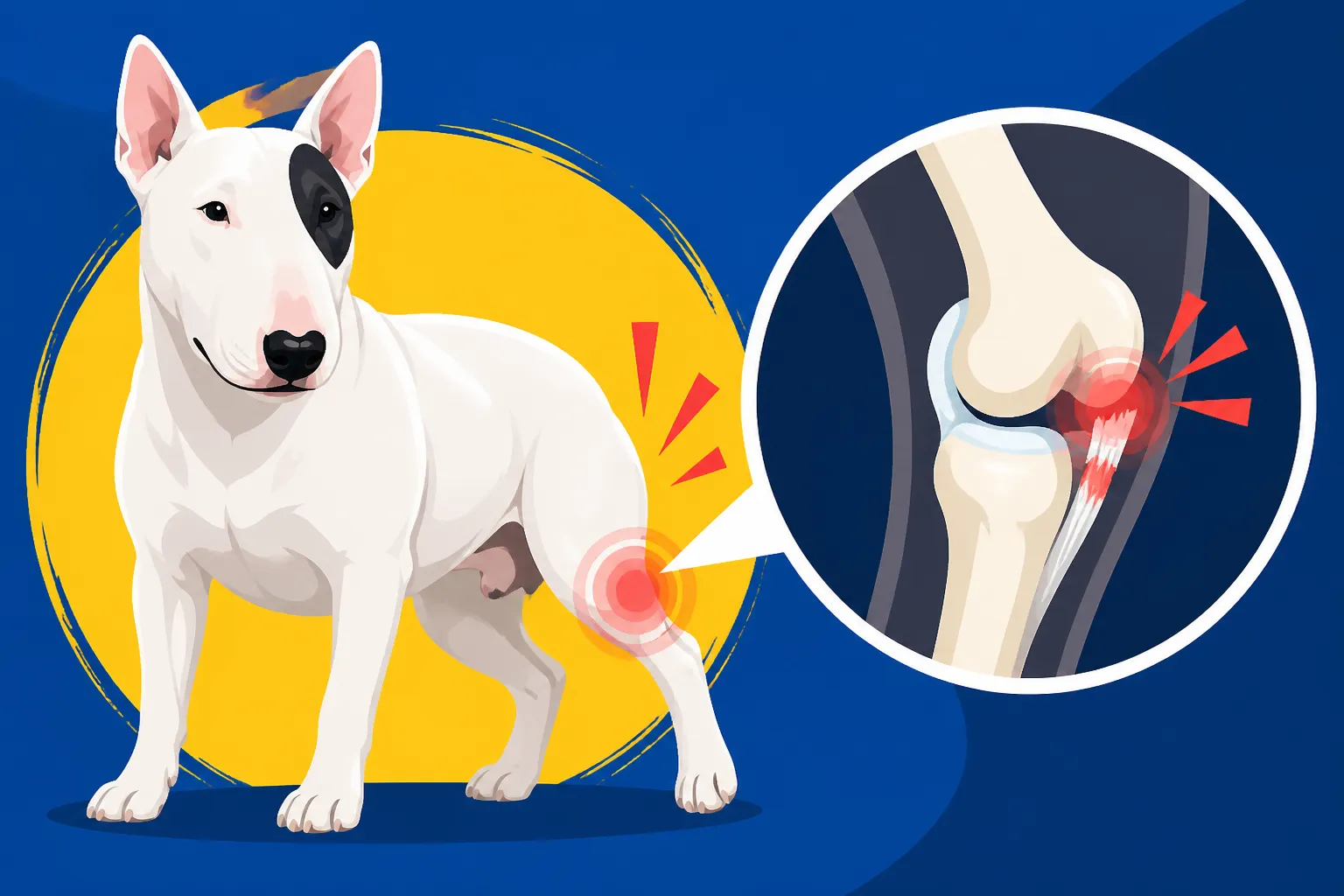
When we talk about a "cruciate tear" in a dog, we're almost always referring to the cranial cruciate ligament (CCL) in their knee, which is similar to the anterior cruciate ligament (ACL) in humans. It’s a pretty crucial bit of anatomy, literally! This ligament is one of two primary bands of tissue that crisscross inside the knee joint, connecting the femur (thigh bone) to the tibia (shin bone). Its job is to stabilize the knee, preventing the tibia from sliding forward relative to the femur and limiting internal rotation of the joint.
What the Cranial Cruciate Ligament Does
Imagine your Bull Terrier's knee as a complex hinge, designed for powerful extension and flexion, but also needing stability for all those sudden turns and stops they love to perform. The cranial cruciate ligament is like a strong, elastic cord deep inside that hinge. It's under constant tension and works tirelessly to keep everything aligned. Without a healthy CCL, the knee joint becomes unstable, leading to pain, inflammation, and degenerative changes over time. When it tears, even partially, that crucial stability is lost, and the bones can rub against each other abnormally.
How Cruciate Tears Occur in Our Energetic Companions
Unlike a sudden, dramatic injury you might see in an athlete, many cruciate ligament tears in dogs happen gradually, over weeks or months. It often starts as a partial tear or a chronic weakening of the ligament, which then fully ruptures with a seemingly minor misstep or burst of activity. Think of it like a fraying rope that finally snaps.
While an acute tear can certainly happen – a Bull Terrier landing awkwardly after a high jump, or twisting their knee violently during a game of chase – chronic degeneration is more common. Factors like genetics, obesity, and even the dog's conformation can contribute to this slow breakdown. For a high-energy, muscular breed like the Bull Terrier, their powerful bursts of speed and their tendency to stop on a dime can put immense strain on these ligaments, making them vulnerable even without a direct genetic predisposition. It's not always a single catastrophic event, but often the cumulative effect of daily stresses on an already compromised ligament.
Are Bull Terriers Prone to Cruciate Issues?
This is the million-dollar question for many Bull Terrier owners. When you look at lists of breeds commonly afflicted by CCL tears, you'll often see breeds like Labrador Retrievers, Rottweilers, Newfoundlands, and American Staffordshire Terriers. Bull Terriers don't typically top these lists, but that doesn't mean they're immune. Far from it.
Breed Predisposition Versus Lifestyle
While Bull Terriers might not carry the same strong genetic predisposition for cruciate ligament disease as some of the giant or large working breeds, their active and often boisterous lifestyle can certainly increase their risk. They are powerful, athletic dogs with a low center of gravity and incredible bursts of speed. Think about how a Bull Terrier plays – those sudden pivots, explosive jumps, and hard stops during a game of fetch. Each one puts significant torque and stress on their knee joints.
It’s less about a specific "Bull Terrier gene" for cruciate tears and more about how their muscular build and playful, energetic nature can lead to wear and tear. A Bull Terrier that lives a very active life, perhaps one that isn't quite as lean as they should be, or one that engages in uncontrolled, high-impact activities, is absolutely at risk, just like any other active dog. It’s important to remember that even without a genetic marker, the mechanics of their movement can be a contributing factor.
Weight and Activity Levels as Contributing Factors
One of the biggest silent culprits in cruciate ligament degeneration is excess weight. Even a few extra pounds on a muscular Bull Terrier can drastically increase the load on their knee joints, accelerating the breakdown of the CCL. Imagine trying to run a marathon with a weighted vest on – that's what even moderate obesity does to your dog's joints. Keeping your Bull Terrier at a healthy, lean weight is one of the most proactive steps you can take to protect their joints throughout their life.
Beyond weight, the type of activity matters. While regular, controlled exercise is vital for muscle strength and overall health, sudden, uncontrolled bursts of intense activity on uneven surfaces or with abrupt stops and starts can be risky. This is often where a Bull Terrier’s enthusiasm can get the better of them, and their knees. Consider incorporating controlled walks, swimming, or specific conditioning exercises rather than just letting them go wild in the yard every day, especially as they get older. This can help build strength without putting excessive, sudden stress on their joints. You might even find a difference in their energy levels, leading to less Why a Bull Terrier Chases Its Tail or compulsive behaviors.
Spotting the Signs and Getting a Diagnosis
Recognizing a cruciate tear can sometimes be tricky because dogs are masters at hiding pain, especially Bull Terriers, who can be incredibly stoic. What might seem like a minor limp one day could be a full rupture the next. Being vigilant and knowing what to look for is key.
Common Symptoms of a Cruciate Tear
The most classic sign of a CCL tear is sudden lameness in a hind leg. Your Bull Terrier might:
- Hold the leg up: Often, they'll avoid putting weight on it completely, or only "toe-touch" with the affected paw.
- "Sit abnormally": Instead of sitting squarely, they might extend the affected leg out to the side because bending it is too painful.
- Reluctance to jump or use stairs: Activities that require knee flexion become difficult or impossible.
- Swelling: You might notice some swelling around the knee joint.
- Muscle atrophy: If the injury has been present for a while, you might see muscle loss in the affected thigh due to disuse.
- Stiffness after rest: They may be stiff after lying down or sleeping, and then "warm out of it" slightly with movement.
It's important to remember that these signs can vary. A partial tear might cause intermittent lameness that seems to improve with rest, only to recur. Pay close attention to subtle changes in your Bull Terrier's gait or willingness to engage in their usual activities. Many owners wonder How a Bull Terrier Hides Pain and it can be frustrating to know if they're truly hurt or just being dramatic. But with cruciate injuries, consistent lameness is often a clear indicator that something serious is going on.
Veterinary Examination and Diagnostics
If you suspect a cruciate tear, getting your Bull Terrier to the vet promptly is essential. Your veterinarian will perform a thorough orthopedic examination, which typically includes:
- Gait analysis: Observing how your dog walks, stands, and sits.
- Palpation: Gently feeling the knee joint for swelling, pain, and instability.
- Cranial Drawer Test: This is the hallmark diagnostic test. The vet attempts to slide the tibia forward relative to the femur. If the CCL is torn, there will be abnormal "drawer motion."
- Tibial Compression Test: This test also assesses knee stability by flexing the ankle.
- X-rays: While X-rays don't directly show the ligament (it's soft tissue), they are crucial for:
- Ruling out other orthopedic issues (like fractures or bone cancer).
- Assessing the degree of osteoarthritis that may have developed due to instability.
- Planning for surgical correction by evaluating bone angles.
In some cases, especially with partial tears or very muscular dogs where the drawer test is ambiguous, your vet might recommend sedation to get a more accurate assessment or even refer you to a veterinary orthopedic specialist for further diagnostics like an MRI, though this is less common for straightforward CCL ruptures. Early diagnosis is important for managing pain and preventing further joint degeneration.
Treatment Options and the Road to Recovery
Discovering your Bull Terrier has a cruciate tear can be incredibly upsetting, and the thought of treatment can feel overwhelming, especially given the potential costs and recovery time. But there are effective options available, each with its own considerations.
Surgical Interventions: The Gold Standard for Many
For most dogs, particularly active, medium-to-large breeds like Bull Terriers, surgical repair is considered the gold standard for treating a complete CCL tear. Surgery aims to stabilize the knee joint, reduce pain, and slow the progression of osteoarthritis. The most common surgical techniques include:
- Tibial Plateau Leveling Osteotomy (TPLO): This is one of the most frequently recommended procedures. It involves cutting the tibia, rotating the tibial plateau, and reattaching it with a bone plate and screws. This changes the biomechanics of the knee so that the cranial thrust (the force that causes the tibia to slide forward) is neutralized during weight-bearing, making the torn ligament irrelevant for stability. TPLO generally offers excellent long-term outcomes and a quicker return to function.
- Tibial Tuberosity Advancement (TTA): Similar to TPLO, TTA also alters the biomechanics of the knee. It involves advancing the tibial tuberosity (the front part of the shin bone) to neutralize the cranial thrust. This procedure can be a good option depending on the dog's anatomy and the surgeon's preference.
- Lateral Suture (Extracapsular Repair): This older, less invasive technique involves placing a strong suture material outside the joint to mimic the function of the torn CCL. It relies on scar tissue formation to provide long-term stability. While less expensive, it may not be as robust for larger, more active dogs like Bull Terriers, and can sometimes have a higher rate of complications or re-injury compared to TPLO or TTA.
The choice of surgery will depend on several factors, including your Bull Terrier's size, age, activity level, the extent of the injury, and your veterinary surgeon's expertise. It's a significant financial commitment, so having a good pet insurance plan like Healthy Paws can make a huge difference in covering these substantial costs.
| Surgical Procedure | Primary Mechanism | Typical Cost Range (USD) | Recovery Time | Best Suited For |
|---|---|---|---|---|
| TPLO | Alters biomechanics, neutralizes cranial thrust | $3,500 – $6,000+ | 4-6 months | Active, medium to large breeds, good long-term |
| TTA | Advances tibial tuberosity, neutralizes cranial thrust | $3,000 – $5,500+ | 4-6 months | Active, medium to large breeds, good long-term |
| Lateral Suture (LS) | Extracapsular stabilization with suture material | $1,500 – $3,000+ | 6-8 months | Smaller, less active dogs, or in specific cases |
Note: Cost ranges are approximate and can vary widely based on location, specialist fees, and included post-op care.
Non-Surgical Management for Specific Cases
While surgery is often recommended, non-surgical (conservative) management can be an option for very small dogs, senior dogs with other health issues, or those with very minor partial tears. It involves:
- Strict rest: This is paramount, often meaning crate rest for several weeks.
- Anti-inflammatory medications: NSAIDs (non-steroidal anti-inflammatory drugs) to manage pain and inflammation.
- Pain medication: To keep your Bull Terrier comfortable.
- Physical therapy: Gentle exercises to maintain muscle mass and range of motion.
- Joint supplements: Glucosamine, chondroitin, and omega-3 fatty acids to support joint health. If you're wondering Whether a Bull Terrier Needs Joint Supplements, this is a prime example of when they are beneficial.
- Weight management: Absolutely critical to reduce stress on the joint.
Conservative management requires immense dedication and patience, and the outcome can be variable. While some dogs improve, many continue to experience instability and develop significant osteoarthritis over time, which can ultimately necessitate surgery later. It's a tough decision, and one that requires a frank discussion with your vet about the pros and cons for your specific Bull Terrier.
Post-Operative Care and Rehabilitation
Regardless of the surgical technique, the post-operative period is arguably the most critical phase of recovery. It’s where your Bull Terrier’s strength and patience will be truly tested – and yours too!
- Strict rest: For the first few weeks, activity is severely restricted. This means short, controlled leash walks for potty breaks only, no jumping, running, or playing. This is incredibly challenging with a high-energy Bull Terrier who just wants to Run at You at Full Speed. A secure crate or a small, confined space is essential.
- Pain management: Continue with prescribed pain medications to keep your dog comfortable.
- Physical therapy: This is non-negotiable for a successful recovery. It starts with passive range of motion exercises and progresses to controlled exercises to rebuild muscle strength and coordination. A certified canine rehabilitation therapist can guide you through this process.
- Gradual increase in activity: Over several months, activity levels are slowly increased, building up to normal exercise.
- Regular vet check-ups: Follow-up appointments and X-rays are usually required to monitor healing.
A full recovery can take 4 to 6 months, and sometimes even longer, depending on the individual dog and the surgery performed. During this time, you'll need incredible patience and consistency. Having insurance like Healthy Paws can help cover these ongoing rehabilitation costs, which can add up quickly. It's a long road, but with proper care, most Bull Terriers make an excellent recovery and return to a happy, active life.
Preventing Cruciate Issues and Long-Term Care
While we can't completely eliminate the risk of cruciate tears, especially in active dogs, there's a lot we can do as responsible Bull Terrier owners to minimize the chances and promote overall joint health throughout their The Ten to Fourteen Years a Bull Terrier Gets.
Weight Management and Controlled Exercise
This cannot be stressed enough: maintain a lean body condition for your Bull Terrier. Excess weight is a primary contributor to joint problems, including cruciate disease, hip and elbow dysplasia, and osteoarthritis. Work with your vet to determine the ideal weight for your individual dog and stick to a feeding plan that helps them achieve and maintain it. Remember, it's often hard to tell How to Tell Bull Terrier Muscle From Fat, but feeling for their ribs is a good indicator.
Beyond weight, focus on controlled, consistent exercise rather than sporadic, intense bursts. While Bull Terriers love to play hard, try to avoid activities that involve sudden, sharp turns, high jumps, or intense sprinting on slippery surfaces. Incorporate low-impact activities like swimming (if your Bull Terrier enjoys it and can do it safely) or brisk leash walks. If you're wondering How Far an Aging Bull Terrier Should Still Run, controlled, gentle exercise is always the better approach as they age. Training for specific dog sports like obedience or rally can also provide mental and physical stimulation without excessive strain.
Regular Veterinary Check-ups and Joint Monitoring
Regular wellness exams are crucial for early detection of any health issues, including subtle signs of joint instability. Your vet can assess your Bull Terrier's gait, range of motion, and muscle condition during these visits. They can also discuss appropriate preventative measures and recommend joint supplements if needed. These regular checks are vital, especially as your Bull Terrier gets older, to ensure they are Caring for a Bull Terrier Past Eight.
For breeds, or even individual dogs, known to be at higher risk for orthopedic issues, your vet might suggest specific preventative screenings or a more in-depth joint examination as part of your Bull Terrier’s How Often a Bull Terrier Needs a Wellness Exam. Early intervention, even for minor lameness, can make a significant difference in preventing a full cruciate rupture. It's a proactive approach to keeping your energetic Bull Terrier healthy and happy for as long as possible.
Supportive Care and Environment
Beyond diet and exercise, a supportive environment can also play a role in joint health. Consider:
- Supplements: As mentioned before, high-quality joint supplements containing glucosamine, chondroitin, and MSM can support cartilage health. Omega-3 fatty acids (fish oil) also have anti-inflammatory properties that can benefit joints. Discuss with your vet which supplements are best for your Bull Terrier's specific needs.
- Comfortable bedding: Provide orthopedic beds that offer good support, especially for older Bull Terriers or those recovering from injury.
- Non-slip surfaces: If you have hardwood or tile floors, consider runners or rugs to provide traction. Slipping and sliding can put undue stress on joints.
- Ramps or steps: For getting into cars or onto furniture, especially for dogs with existing joint issues, ramps can reduce impact.
Proactive management of your Bull Terrier's joint health is a lifelong commitment. While it might seem like a lot to consider, investing in their well-being now can save you a lot of heartache and expense down the road. Remember to factor potential health costs into your budget when considering What a Bull Terrier Costs Over Its Lifetime, and having an emergency fund or robust insurance like Healthy Paws for unforeseen issues is always a smart move. After all, their playful spirit and unwavering devotion are worth every effort.
Disclaimer
The information provided in this article is for general informational purposes only and does not constitute veterinary advice. Always consult with a qualified veterinarian for any health concerns or before making any decisions about your Bull Terrier's medical care.