The Age Acrodermatitis Kills a Bull Terrier
It's an utterly heartbreaking reality when you bring a beautiful, bouncing Bull Terrier puppy into your home, only to discover a devastating genetic condition is silently undermining their health. Acrodermatitis is one such cruel twist of fate, a truly lethal disorder that robs these lively youngsters of a future. This guide aims to shed light on the grim prognosis of Acrodermatitis, detailing the typical age at which it claims a Bull Terrier's life and what that devastating journey looks like for both pup and owner.
Understanding Acrodermatitis in Bull Terriers from the Start
Acrodermatitis (AD) is not just a skin condition, despite what the name might suggest at first glance. For Bull Terrier owners who have tragically faced this diagnosis, it's a profound systemic failure that impacts every fiber of a puppy's being. The disease is a cruel genetic lottery, and understanding its root cause is the first painful step in grasping its devastating progression.
What Acrodermatitis Truly Is for a Bull Terrier Puppy
At its core, Acrodermatitis in Bull Terriers stems from a specific genetic mutation that impairs the puppy's ability to properly absorb and utilize zinc, even if there's plenty of it in their diet. It's a fundamental breakdown in metabolism, not just a simple deficiency that can be fixed with a supplement. This means that a puppy with AD is essentially starving for zinc at a cellular level, regardless of how well you try to feed them or what you add to their food. Zinc is absolutely crucial for countless bodily functions, from immune system development to skin health, proper growth, and even brain function. Without it, everything starts to go wrong, creating a cascade of health issues that are incredibly difficult to manage. You might find yourself wondering Why an Acrodermatitis Bull Terrier Cannot Absorb Zinc, and it's this fundamental inability that underpins the entire tragic condition.
This malabsorption doesn't just manifest as minor issues; it cripples the puppy's ability to thrive. Their immune system is severely compromised, making them incredibly susceptible to every infection imaginable. Their skin, gut, and even their neurological development suffer immensely. It’s a systemic breakdown, hitting growth, energy levels, and their general resilience. The initial signs might be subtle, but they quickly escalate, leaving owners feeling helpless as their beloved pet struggles to develop normally. It's truly a heartbreaking diagnosis, one that leaves families reeling with the knowledge of what's to come.
The Early Signs and Progression You Might Miss
When Acrodermatitis first begins to manifest, the signs can be quite insidious and easy to dismiss as typical puppy quirks or minor ailments. Owners might notice their Bull Terrier puppy is a bit smaller than its littermates, or perhaps not gaining weight as quickly. There might be a slightly duller coat, or they seem a little less energetic than you'd expect from a boisterous Bull Terrier. These subtle clues are often the tip of a very dangerous iceberg. As the disease progresses, however, the symptoms become far more pronounced and distressing.
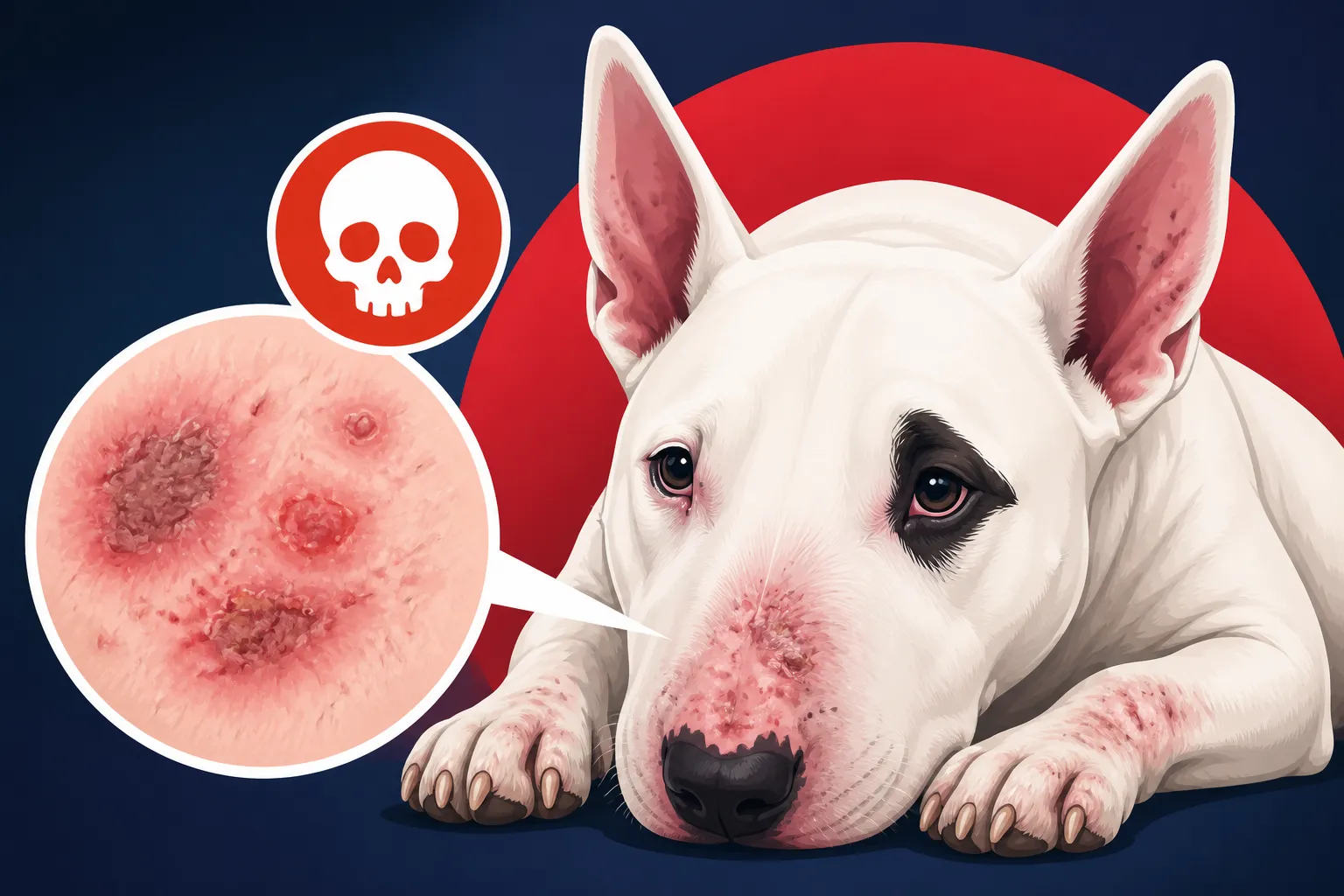
You'll start to see the characteristic skin lesions, often first appearing on the paws, around the eyes, nose, and mouth. These lesions can be red, crusty, and inflamed, sometimes developing into painful erosions. The paw pads become incredibly thick, hard, and often crack, making walking painful. Secondary bacterial or fungal infections are rampant because the immune system is so compromised. The affected puppies often exhibit diarrhea, poor appetite, and general malaise. They struggle to grow, often appearing stunted compared to healthy littermates, which is why people often notice Why an Acrodermatitis Bull Terrier Puppy Stops Growing. Their mental development can also be affected, leading to listlessness or unusual behaviors. It's a relentless downhill battle, where one problem quickly leads to another, leaving owners overwhelmed by the complexity and severity of their puppy's suffering.
The Grim Timeline: When Acrodermatitis Typically Becomes Fatal
For Bull Terrier owners, the question of "how long" is always on their minds when an Acrodermatitis diagnosis is made. It's a question fraught with pain, as the answer is rarely one of comfort. The disease is, by its very nature, a race against time, and tragically, time is not on the puppy's side.
Why Early Diagnosis is Crucial But Often Elusive
One of the most frustrating aspects of Acrodermatitis is that while early diagnosis through genetic testing can prevent it entirely, clinical diagnosis once symptoms appear is often too late to truly alter the outcome significantly. A definitive diagnosis is usually made through a combination of clinical signs, a skin biopsy, and crucially, a DNA test. While the DNA test can identify affected puppies even before symptoms, when they appear, the process of pinpointing the exact cause can take time, especially if your vet isn't immediately familiar with this rare condition. Every week that passes while waiting for test results or trying different treatments is precious time lost for a puppy already on a rapidly deteriorating path.
This delay means that by the time a clear diagnosis is made and treatment (often futile, as we'll discuss) is attempted, the disease has already taken a significant toll on the puppy's young body. The systemic damage, immune compromise, and chronic infections are deeply entrenched. Owners are left grappling with the reality that their puppy's suffering has been ongoing, even before they understood the true enemy. This makes the journey all the more agonizing, knowing that medical intervention can only ever be palliative, not curative.
The Heartbreaking Reality of the First Year of Life
The devastating truth is that Acrodermatitis is a lethal condition, and affected Bull Terrier puppies rarely live beyond their first two years. Most succumb to the disease between 12 and 24 months of age, with many not even making it to their first birthday. This is the heartbreaking reality that prospective Bull Terrier owners need to understand. The progression is often rapid once the severe symptoms manifest, leading to a profound decline in quality of life. The constant battle against infections, coupled with an inability to absorb vital nutrients, weakens them profoundly.
The direct causes of death are typically overwhelming secondary infections (bacterial, viral, or fungal, often pneumonia or severe skin infections), severe malnutrition, or complications from organ damage due to chronic zinc deficiency. Imagine a puppy whose body simply cannot fight off illness, whose skin is constantly inflamed and infected, and who struggles to gain weight despite all efforts. This relentless onslaught eventually overwhelms their young system. It’s a tragic testament to the severity of the genetic defect that even with the most loving and diligent care, the disease almost always proves fatal within this short timeframe. This is why it's categorized as a lethal condition, as described in detail in "Lethal Acrodermatitis Kills a Bull Terrier Puppy Before It Grows Up".
Here's a simplified look at the typical progression:
| Age Range | Common Symptoms Observed | Prognosis |
|---|---|---|
| Birth – 3 Months | Often appear normal, slight runting, delayed development, subtle coat dullness. May show early signs of Signs a Bull Terrier Puppy Has Acrodermatitis. | Difficult to diagnose clinically. Genetic testing is key. |
| 3 – 6 Months | Skin lesions begin (paws, muzzle, eyes), poor weight gain, dull coat, recurrent infections (ear, skin). | Symptoms becoming more noticeable. Severe zinc malabsorption impacts immune system. |
| 6 – 12 Months | Severe dermatitis, cracked paw pads, chronic infections, gastrointestinal issues, stunted growth, neurological signs (apathy, depression). | Rapid decline in health. Immune system profoundly compromised. Most common period for severe complications. |
| 12 – 24 Months | Widespread severe lesions, emaciation, organ failure, overwhelming sepsis. | Terminal stage. Most affected puppies succumb during this period due to complications. |
| Beyond 24 Months | Extremely rare. Puppies who survive this long are exceptional and often require intensive, constant palliative care. | Not a realistic outcome for the vast majority. |
The Systemic Impact: How AD Wears Down a Bull Terrier's Body
Acrodermatitis isn't just about flaky skin or poor growth; it's a disease that systematically dismantles a Bull Terrier puppy's internal health, piece by agonizing piece. The visible symptoms are merely outward manifestations of a much deeper, more pervasive internal struggle.
Beyond the Skin: Internal Organ Involvement
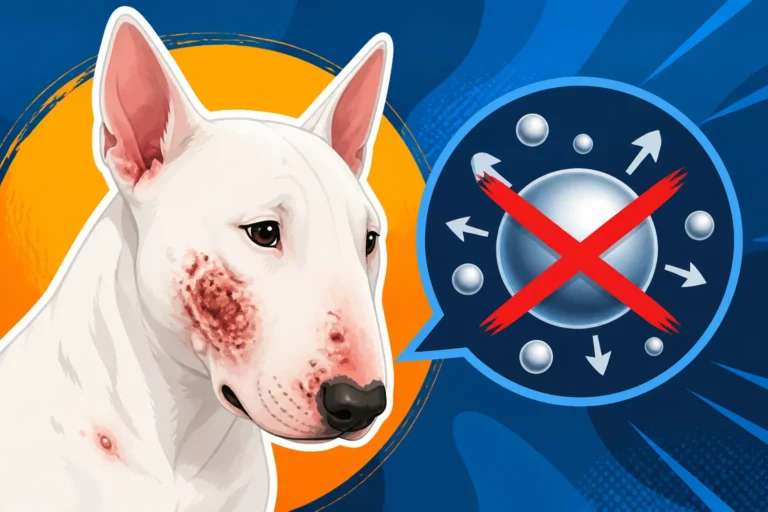
While the skin lesions are the most striking and distressing external feature of Acrodermatitis, they are symptoms of a much broader, systemic failure driven by chronic zinc deficiency. Zinc is absolutely vital for the development and function of nearly every organ system in the body. When a Bull Terrier puppy cannot properly absorb this essential trace mineral, its internal organs begin to suffer, often silently, long before the external signs become undeniable. The immune system is one of the first and most critical casualties. Without sufficient zinc, immune cells cannot develop or function effectively, leaving the puppy utterly defenseless against common pathogens. This explains Why an Acrodermatitis Bull Terrier Catches Every Infection.
Beyond the immune system, the gastrointestinal tract is severely affected, leading to chronic diarrhea, malabsorption of all nutrients (not just zinc), and subsequent emaciation. The liver, kidneys, and even the central nervous system can be compromised, leading to a range of subtle to severe internal dysfunctions. These internal failures are often the true harbingers of the terminal stage of the disease. It’s not just the visible skin that’s failing; it’s the heart, the lungs, the digestive system – every vital component that makes a body function. This is truly What Lethal Acrodermatitis Does to a Bull Terrier at a fundamental level.
The Relentless Cycle of Infections and Malnutrition
One of the most brutal aspects of Acrodermatitis is the relentless, vicious cycle it traps puppies in. Due to their severely compromised immune systems, these puppies are constantly battling secondary infections. What might be a minor sniffle for a healthy pup becomes life-threatening pneumonia for an AD-affected Bull Terrier. Simple skin abrasions turn into deep, painful bacterial or fungal infections that are incredibly difficult to clear because the body simply doesn't have the tools to fight them off effectively. The constant drain on their system from fighting these infections exacerbates their already poor nutritional status.
This leads to extreme malnutrition. Even if a puppy with AD has access to the best food, their damaged gut and impaired zinc absorption mean they can't utilize the nutrients efficiently. They struggle to gain weight, their muscles waste away, and their overall energy levels plummet. You might observe Whether an Acrodermatitis Bull Terrier Puppy Can Eat, but even if they do, their body struggles to process it. This state of chronic malnutrition further weakens the immune system, making them even more vulnerable to the next wave of infections. It's a downward spiral that is nearly impossible to break, creating immense suffering and ultimately leading to the fatal outcome for most affected puppies within their first year or two. The cumulative effect of these unchecked infections and profound nutrient deficiencies is what finally overwhelms their fragile bodies.
The Role of Genetics and Responsible Breeding
Given the devastating nature of Acrodermatitis and its invariable fatal outcome, understanding its genetic basis is paramount. This knowledge is not just for curiosity; it's the key to preventing future suffering and upholding the health of the Bull Terrier breed.
Inheriting the Acrodermatitis Gene
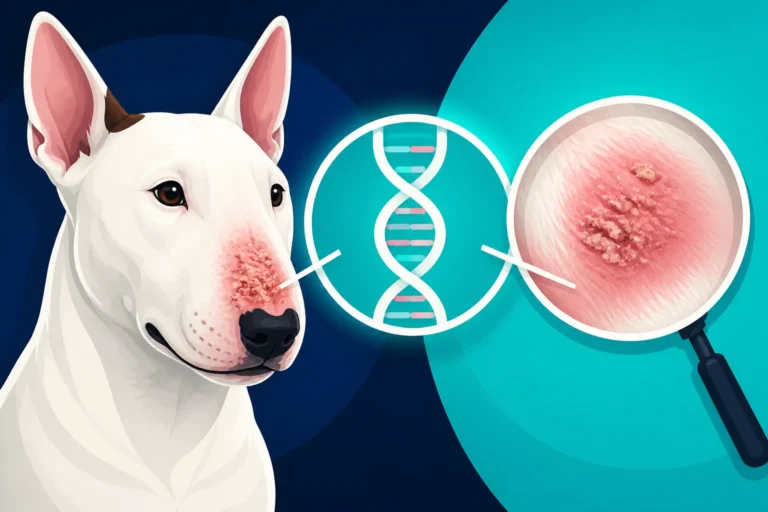
Acrodermatitis in Bull Terriers is an autosomal recessive genetic disorder. What does that mean for a puppy and its parents? It means that a Bull Terrier puppy must inherit two copies of the defective gene – one from each parent – to be affected by the disease. If a dog inherits only one copy of the defective gene and one normal gene, it is considered a "carrier." Carriers themselves are completely healthy and show no signs of Acrodermatitis, but they can pass the defective gene on to their offspring. This is a critical point that breeders must understand, as a carrier parent looks perfectly healthy. This explains How Acrodermatitis Is Inherited in Bull Terriers and why seemingly healthy parents can produce an affected puppy.
The specific gene responsible has been identified, which has been a monumental breakthrough for the breed. This knowledge allows for precise genetic testing. Without testing, two carrier dogs bred together have a 25% chance of producing an affected puppy, a 50% chance of producing carrier puppies, and a 25% chance of producing clear puppies. The heartbreak of an Acrodermatitis puppy can thus be entirely avoided through responsible breeding practices, emphasizing the importance of understanding Which Gene Causes Acrodermatitis in Bull Terriers.
Preventing Acrodermatitis Through Genetic Screening
The good news, and truly the only silver lining in the discussion of Acrodermatitis, is that it is entirely preventable through responsible genetic screening. Since the causative gene has been identified, a simple and affordable DNA test can determine whether a Bull Terrier is clear, a carrier, or affected. This test is a game-changer for ethical breeders. Before breeding any Bull Terrier, parents should be tested for the Acrodermatitis gene. This ensures that no two carriers are ever bred together, thereby preventing the birth of any affected puppies. The availability of this test has significantly reduced the incidence of AD in well-bred lines.
Reputable Bull Terrier breeders will readily share the DNA test results for their breeding stock, proving that they are taking steps to eradicate this awful disease from their lines. If a breeder is unwilling or unable to provide these results, it should be a major red flag. Organizations like the Orthopedic Foundation for Animals (OFA) maintain public databases of health test results, including genetic tests for Acrodermatitis, allowing prospective puppy buyers to verify a breeder's claims. While pet insurance companies like Healthy Paws are invaluable for unexpected illnesses, the best 'insurance' against Acrodermatitis is choosing a puppy from parents who have been genetically screened. It is truly essential for a Bull Terrier breeder to be transparent about Whether the Bull Terrier Acrodermatitis Test Is Reliable and share the results. This proactive approach saves future puppies from unimaginable suffering and families from profound grief, making genetic testing a non-negotiable part of What a Bull Terrier Breeder Should Have Tested.
Managing the Unavoidable: Palliative Care and Quality of Life
When an Acrodermatitis diagnosis is made, especially in a puppy already showing significant symptoms, the focus shifts from cure to comfort. Owners are faced with the painful reality that their beloved Bull Terrier puppy has a severely limited lifespan, and their role becomes one of providing the best possible quality of life for the time they have left.
Supportive Care Strategies for Affected Puppies
Caring for a Bull Terrier puppy with Acrodermatitis is an incredibly intensive and emotionally draining experience. Since there is no cure, all treatments are aimed at managing symptoms and providing supportive care. This often involves a multi-faceted approach. High-quality, easily digestible nutrition is paramount, sometimes requiring prescription diets formulated for sensitive stomachs or puppies struggling with malabsorption. Zinc supplementation is often attempted, though its effectiveness is severely limited by the underlying malabsorption issue; it cannot overcome the genetic defect but might offer marginal, temporary relief in some cases.
The constant battle against secondary infections requires diligent veterinary care, including antibiotics, antifungals, and medicated shampoos to soothe and treat the severe skin lesions. Pain management is also crucial, as the cracked paw pads and inflamed skin can be incredibly uncomfortable. Special bedding and protective paw coverings might be needed to prevent further injury. Owners often become experts in wound care, administering medications, and monitoring for any new signs of distress. It's a continuous, uphill struggle to maintain a semblance of comfort and well-being, knowing that these efforts are ultimately only delaying the inevitable. The financial strain can be significant, even with robust pet insurance plans like those offered by Healthy Paws, as the costs of specialists, continuous medication, and frequent vet visits can quickly add up. Understanding How Long an Acrodermatitis Bull Terrier Puppy Survives helps owners prepare for the challenging care journey.
Making Difficult Decisions: When Quality of Life Diminishes
Perhaps the hardest part of loving and caring for a Bull Terrier with Acrodermatitis is recognizing when the struggle becomes too great, and their quality of life diminishes beyond what is acceptable. Despite all efforts at supportive care, the progressive nature of the disease means that there will come a point where the puppy's suffering outweighs any joy or comfort they can experience. This is a deeply personal and agonizing decision for any owner, but it's one that often arises with AD.
Signs that quality of life is severely compromised include chronic, intractable pain, an inability to eat or drink sufficiently, severe emaciation, constant debilitating infections, or a complete lack of engagement with their environment and loved ones. When these signs become prevalent, and all medical interventions offer diminishing returns, compassionate euthanasia becomes the most humane option. It is the ultimate act of love, freeing them from a body that is failing them relentlessly. For families, this decision is often made within the devastating 12-to-24-month window, marking the tragic end of a life that was destined to be short from the very beginning. This journey underscores the immense importance of preventing this disease through genetic screening, ensuring that no more Bull Terrier families have to face such a profound loss.
Disclaimer
This article is for general informational purposes only and does not constitute professional advice. Laws, prices and regulations vary by location and change over time. Consult a qualified professional for guidance on your specific situation.