Whether a Bull Terrier’s Small Eye Causes Problems
That distinctive, small, triangular eye of a Bull Terrier is undeniably part of their charm, giving them that unique, often mischievous expression we all adore. But beneath that charming exterior, many Bull Terrier owners worry if that unusual eye shape could lead to actual health problems or discomfort for their beloved companion. It’s a valid concern, and this guide will delve into whether those adorable little eyes truly come with a hidden cost for your Bull Terrier's vision and well-being.
The Unique Anatomy of a Bull Terrier's Eyes
Let's be real, a Bull Terrier's head is unlike any other dog's. From their classic "egg-shaped" profile to the way their ears stand upright and, of course, those deep-set, small, triangular eyes, they are a breed apart. This distinctive look isn't just cosmetic; it's a result of specific breed standards developed over generations, and it absolutely influences how their eyes are structured and function. Understanding this unique anatomy is the first step in appreciating why their eyes might present certain challenges.
The Characteristic Downface and Triangular Eye
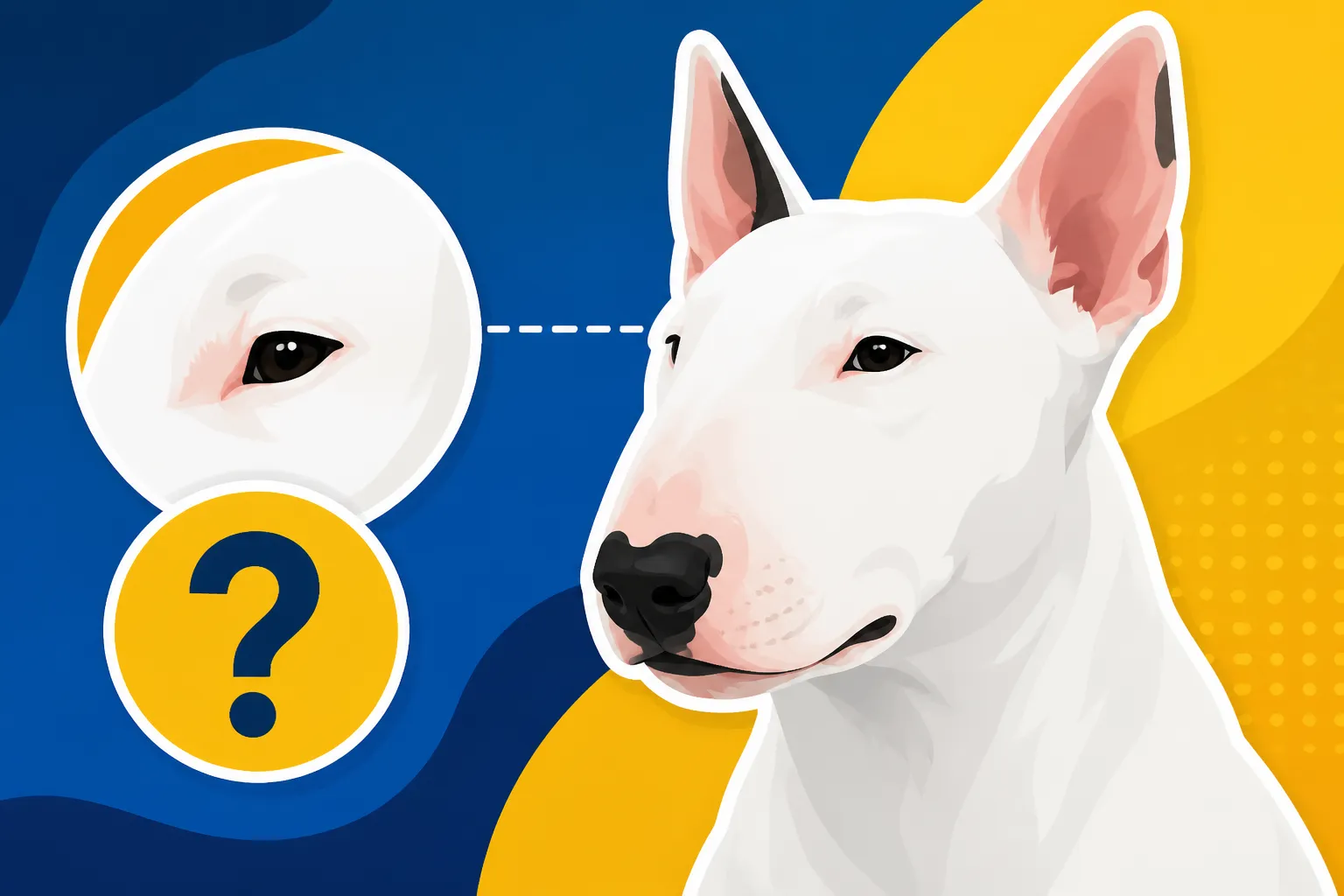
The Bull Terrier standard calls for a "downface," meaning the profile of the skull from the top of the head to the tip of the nose is a gentle, uninterrupted curve. There’s no "stop" – that indentation between the forehead and the muzzle that most other breeds possess. This smooth, continuous curve gives the illusion of a very small, deeply set eye, almost like a pig eye, which is a common term used in the breed community. The eyes themselves are typically dark, set close together, and their shape is described as triangular, which is something you truly don’t see in any other breed. In fact, you can learn more about this specific trait in our piece on The Bull Terrier Is the Only Breed With a Triangular Eye. This combination of a downface, deep-set placement, and triangular shape creates a very particular ocular environment.
This unique appearance isn't just about looks; it affects how the eyelids sit, how tears are distributed, and even how exposed the eye surface might be to certain elements. While it gives them that unmistakable, sometimes comical, expression, it also means their eyes behave a little differently than those of a dog with a more "standard" eye shape and placement. It’s not just a matter of aesthetics; it's a structural reality that Bull Terrier owners need to understand. Many wonder Why a Bull Terrier's Eye Is the Smallest of Any Breed, and it really boils down to selective breeding for this specific head and eye conformation.
Apparent Protection Versus Actual Exposure
Because their eyes are so deeply set within their skull, it's easy to assume they are incredibly well-protected from injury or environmental irritants. On the surface, it seems logical – the prominent brow and muzzle might act like natural shields. However, this isn't always the case. Sometimes, the very depth of their eyes can make it harder to spot issues early on, as redness or discharge might be obscured by the surrounding facial structure.
Furthermore, the unique eyelid structure that often accompanies these deep-set eyes can sometimes lead to issues. While the deep-set nature might guard against direct pokes, it can also lead to issues where eyelids don't sit perfectly against the eyeball, potentially causing other problems, which we’ll dive into next. So, while they might look robust, their eyes require just as much, if not more, attentive care than other breeds.
Potential Eye Problems Linked to Bull Terrier Eye Conformation
Now for the elephant in the room: do these distinctive eyes actually cause problems? The short answer is, yes, they can. While many Bull Terriers go their entire lives without significant eye issues, their unique anatomy can predispose them to certain conditions. It's not a guarantee, but it is a higher risk, and knowing what to look for can make all the difference.
Eyelid Abnormalities: Entropion and Ectropion
One of the most common issues related to the Bull Terrier's eye shape involves the eyelids themselves. The way their skin and facial structure come together can lead to two primary eyelid conditions:
- Entropion: This is where the eyelid, usually the lower one, rolls inward, causing the eyelashes and fur to rub against the surface of the eye. Imagine having a constant irritant scratching your eyeball – it's incredibly painful for your dog. This rubbing can lead to chronic irritation, corneal abrasions, ulcers, and infections. Over time, it can cause scarring and even impair vision. It's a frustrating cycle because the irritation can cause the dog to rub at their eye, making the problem even worse.
- Ectropion: The opposite problem, where the eyelid rolls outward, exposing the delicate conjunctiva (the pink tissue lining the inside of the eyelid) and the lower part of the eye. This creates a "droopy" look, and while it might not cause the same immediate pain as entropion, it leaves the eye vulnerable. The exposed conjunctiva can become dry, inflamed, and prone to infections from dust, debris, and bacteria. You might notice your dog frequently has watery eyes or recurrent conjunctivitis, which can be a sign of ectropion. While less common in Bull Terriers than entropion, it can still occur due to the facial conformation. For more specific information on this, you might find our article Ectropion in a Bull Terrier helpful.
Both entropion and ectropion are often genetic, meaning they can be passed down through breeding lines, so always ask a breeder about the eye health history of their dogs and the litter's parents.
Dry Eye Syndrome: Keratoconjunctivitis Sicca (KCS)
Dry eye, or Keratoconjunctivitis Sicca (KCS), occurs when the tear glands don't produce enough tears to keep the eye properly lubricated. While not solely a Bull Terrier problem, their eye conformation, especially if combined with minor eyelid issues, can sometimes exacerbate or contribute to the condition. Proper tear film is essential for washing away irritants, providing nutrients to the cornea, and keeping the eye comfortable.
When a Bull Terrier has KCS, their eyes might appear dull, red, and there might be a thick, sticky discharge as the body tries to compensate for the lack of normal tears. Over time, chronic dryness can lead to corneal damage, pigment changes, and even blindness if left untreated. It’s a genuinely uncomfortable condition that requires lifelong management, usually with daily eye drops. Recognizing the signs early is crucial for maintaining your dog's comfort and vision. Our detailed guide on Dry Eye in a Bull Terrier offers further insights into this condition.
Corneal Ulcers and Injuries
Because of the potential for eyelid issues like entropion or just the sheer exposure to dust and debris if the eyelids aren't perfectly sealing, Bull Terriers can be more prone to corneal ulcers. A corneal ulcer is essentially an open sore on the surface of the eye, which is incredibly painful. They can result from direct trauma, foreign bodies, or chronic irritation from inwardly rubbing eyelashes.
A dog with a corneal ulcer will often squint, have a watery eye, rub at their face, and the eye might appear cloudy or red. These are veterinary emergencies because an untreated ulcer can quickly worsen, lead to infection, and in severe cases, even cause the eye to rupture. While their deep-set eyes might seem protective, the reality of their eyelid mechanics can sometimes increase vulnerability to these painful injuries.
Recognizing and Managing Eye Issues in Bull Terriers
It's one thing to know about potential problems, but it's another to actually spot them in your daily life. Bull Terriers are notoriously stoic, and they often hide pain or discomfort until a problem is quite advanced. This means that as an owner, you need to be particularly vigilant and perform regular checks to catch any potential eye issues early on. Early detection and intervention are key to successful management and preventing long-term damage.
Signs and Symptoms to Watch For
Regularly examining your Bull Terrier's eyes should be part of your routine. This isn't just a quick glance; it involves looking closely for subtle changes. Here's what to keep an eye out for:
- Excessive Tearing or Discharge: Is there more tearing than usual? Is the discharge clear, or is it thick, yellow, or green? Any change in the quality or quantity of tears can signal a problem.
- Redness or Inflammation: Look at the whites of their eyes and the pink tissue around the lids. Are they unusually red or swollen? This often indicates irritation or infection.
- Squinting or Holding the Eye Shut: This is a clear sign of pain or discomfort. If your Bull Terrier is squinting, something is bothering their eye.
- Pawing at the Face or Rubbing the Eye: While some dogs might rub their face for itchiness, persistent pawing at an eye or rubbing it against furniture is a strong indicator of irritation.
- Cloudiness or Change in Eye Color: Any haziness, blue tinge, or other discoloration of the cornea (the clear outer layer of the eye) is a red flag.
- Sensitivity to Light (Photophobia): If your dog seems to shy away from bright light, it could be a symptom of a painful eye condition.
- Visible Eyelid Changes: Look for eyelids that are obviously rolling in or out, or eyelashes that are touching the eye surface.
- Changes in Vision: While harder to spot, if your dog is bumping into things or seems hesitant in unfamiliar environments, it could indicate vision impairment.
If you notice any of these signs, don't wait. A prompt visit to your veterinarian is essential.
Veterinary Diagnosis and Treatment Options
When you bring your Bull Terrier to the vet with eye concerns, they will perform a thorough ophthalmic examination. This usually involves several steps:
- Visual Inspection: Your vet will closely examine the eyelids, eyelashes, conjunctiva, and the surface of the eye.
- Schirmer Tear Test: This simple test measures tear production. A small strip of paper is placed under the eyelid for one minute to see how much moisture it absorbs. This helps diagnose conditions like dry eye.
- Fluorescein Stain: A special orange dye is applied to the eye. If there's an ulcer or abrasion on the cornea, the dye will stick to it and glow green under a blue light, making the damage visible.
- Tonometry: This measures the pressure inside the eye, which is crucial for detecting glaucoma, though less directly related to small eye conformation.
Depending on the diagnosis, treatment can vary widely:
- Medications: For infections, antibiotic eye drops or ointments are prescribed. For inflammation, anti-inflammatory drops might be used. Dry eye requires lifelong artificial tears and/or immune-modulating drops to stimulate tear production.
- Surgery: For structural problems like severe entropion or ectropion, surgery is often the most effective and sometimes the only permanent solution. The procedure aims to reposition the eyelids to prevent rubbing or exposure. This can be a significant expense, but for a pet with good insurance from providers like Healthy Paws, it can be much more manageable. Other conditions, like Primary Lens Luxation in a Bull Terrier, would also require surgical intervention.
- E-collars (Cone of Shame): Often necessary to prevent your dog from rubbing or scratching their eyes, which can worsen injuries or interfere with healing.
Remember, eye conditions can deteriorate rapidly, so never hesitate to seek professional veterinary advice.
Proactive Care and Prevention Strategies
While some eye issues in Bull Terriers are genetic or anatomical and can't be entirely prevented, there's a lot you can do as a responsible owner to minimize risks, catch problems early, and ensure your Bull Terrier enjoys good eye health throughout their life. It’s all about a combination of diligent daily care, smart choices, and being prepared for the unexpected.
Daily Eye Checks and Grooming
Making a quick, thorough eye check a part of your daily routine is probably the single most impactful thing you can do. When you're petting your Bull Terrier, take a moment to gently lift their head, look at their eyes directly, and check for redness, discharge, or squinting. If you notice any crusting or debris, gently wipe it away with a soft, damp cloth, always wiping away from the eye. Pay attention to the fur around their eyes; if it’s consistently wet, it could indicate excessive tearing or poor drainage.
Regular grooming, though minimal for a Bull Terrier's short coat, also plays a role. Keep the hair around their eyes trimmed if it gets long enough to irritate the eye surface, though this is less common with their typical coat. For white Bull Terriers, who often have very light skin, their delicate eye area can be especially sensitive to irritants and even sunburn, which is something to be aware of if you also read our guide on A Bull Terrier's Skin Is Its Weakest Point.
Choosing a Responsible Breeder
One of the most powerful preventative steps you can take happens before you even bring your puppy home: choosing a responsible and ethical breeder. A reputable Bull Terrier breeder will be acutely aware of the breed's health concerns, including eye conditions. They should screen their breeding dogs for known genetic eye diseases and be transparent about the health history of their lines.
Don't be shy about asking for health clearances for the parents of any puppy you are considering. This includes certifications for eyes (such as from the Canine Eye Registry Foundation – CERF, or Orthopedic Foundation for Animals – OFA Eye Certification), among others. A good breeder will freely share these results and educate you on potential breed-specific issues. This due diligence is crucial, as many conditions like entropion can be inherited. You should always ask What a Bull Terrier Breeder Should Have Tested to ensure you're getting a healthy puppy. Even if your puppy is perfectly healthy, it’s worth finding out Whether a White Bull Terrier Should Be BAER Tested as a common screening for white-coated dogs.
Regular Veterinary Care and Health Monitoring
Beyond daily checks at home, regular veterinary check-ups are non-negotiable. Your vet can spot subtle signs of eye problems that you might miss. During annual exams, your vet will usually perform a basic eye exam. If your Bull Terrier has a history of eye issues, or if your vet notes anything unusual, they might recommend more specialized screenings or a visit to a veterinary ophthalmologist.
Staying on top of general health, including things like The Yearly Urine Test Every Bull Terrier Owner Should Book, can indirectly support eye health, as many systemic diseases can manifest with ocular symptoms. As your Bull Terrier ages, these check-ups become even more important as some conditions, like certain types of cataracts or vision degradation, can be age-related, something we explore further in Caring for an Old Bull Terrier.
Pet Insurance and Financial Preparedness
Let's face it, veterinary care can be expensive, especially when it involves specialist consultations, surgeries, or lifelong medication. Eye issues, particularly those requiring surgery for entropion or ongoing medication for dry eye, can lead to significant bills. This is where pet insurance can be a real game-changer.
Having a robust pet insurance plan, like those offered by Healthy Paws, can be an absolute lifesaver when dealing with unexpected specialist visits or ongoing medication costs. Policies can help cover a significant portion of diagnostic tests, medications, and surgical procedures for conditions that aren't pre-existing. While it's impossible to predict every health challenge, policies from providers like Healthy Paws can help soften the financial blow, allowing you to make medical decisions based on what’s best for your dog, rather than your wallet. Considering What a Bull Terrier Costs Over Its Lifetime, including potential vet bills for specialized care, investing in a good plan from a company like Healthy Paws makes a lot of sense for peace of mind. It's similar to planning for other potential expenses like What an Echocardiogram Costs on a Bull Terrier if heart issues were to arise.
Understanding Eye Issues in Bull Terriers
| Eye Condition | Description | Common Symptoms | Potential Causes | Treatment Approach |
|---|---|---|---|---|
| Entropion | Eyelid rolls inward, causing fur/lashes to rub the eye. | Squinting, excessive tearing, redness, thick discharge, corneal ulcers, sensitivity to light. | Genetic predisposition, facial conformation, sometimes trauma. | Topical medications (antibiotics/lubricants), corrective surgery. |
| Ectropion | Eyelid rolls outward, exposing the conjunctiva. | Redness, chronic conjunctivitis, excessive tearing, dry/inflamed exposed tissue, debris accumulation. | Genetic predisposition, facial conformation. | Topical medications (lubricants, anti-inflammatories), corrective surgery. |
| Dry Eye (KCS) | Insufficient tear production, leading to dry, irritated eyes. | Dull, red eyes, thick mucous discharge, squinting, corneal changes (pigment, ulcers). | Immune-mediated, genetic, certain medications, specific breed predisposition. | Lifelong daily eye drops (tear stimulants, artificial tears), anti-inflammatories. |
| Corneal Ulcer | Open sore on the surface of the eye. | Intense pain, squinting, excessive tearing, eye held shut, cloudiness, sensitivity to light. | Trauma, foreign body, untreated entropion, dry eye, infection. | Antibiotic drops, pain relief, E-collar, sometimes surgical repair for deep ulcers. |
Navigating the unique health landscape of a Bull Terrier's eyes might seem daunting, but with proactive care, a keen eye for symptoms, and the support of your vet, you can help ensure your quirky companion enjoys clear vision and comfort for many years to come.
Disclaimer
The information provided in this article is for general informational purposes only and is not a substitute for professional veterinary advice. Always consult with a qualified veterinarian for any health concerns or before making any decisions related to your Bull Terrier's health and treatment.