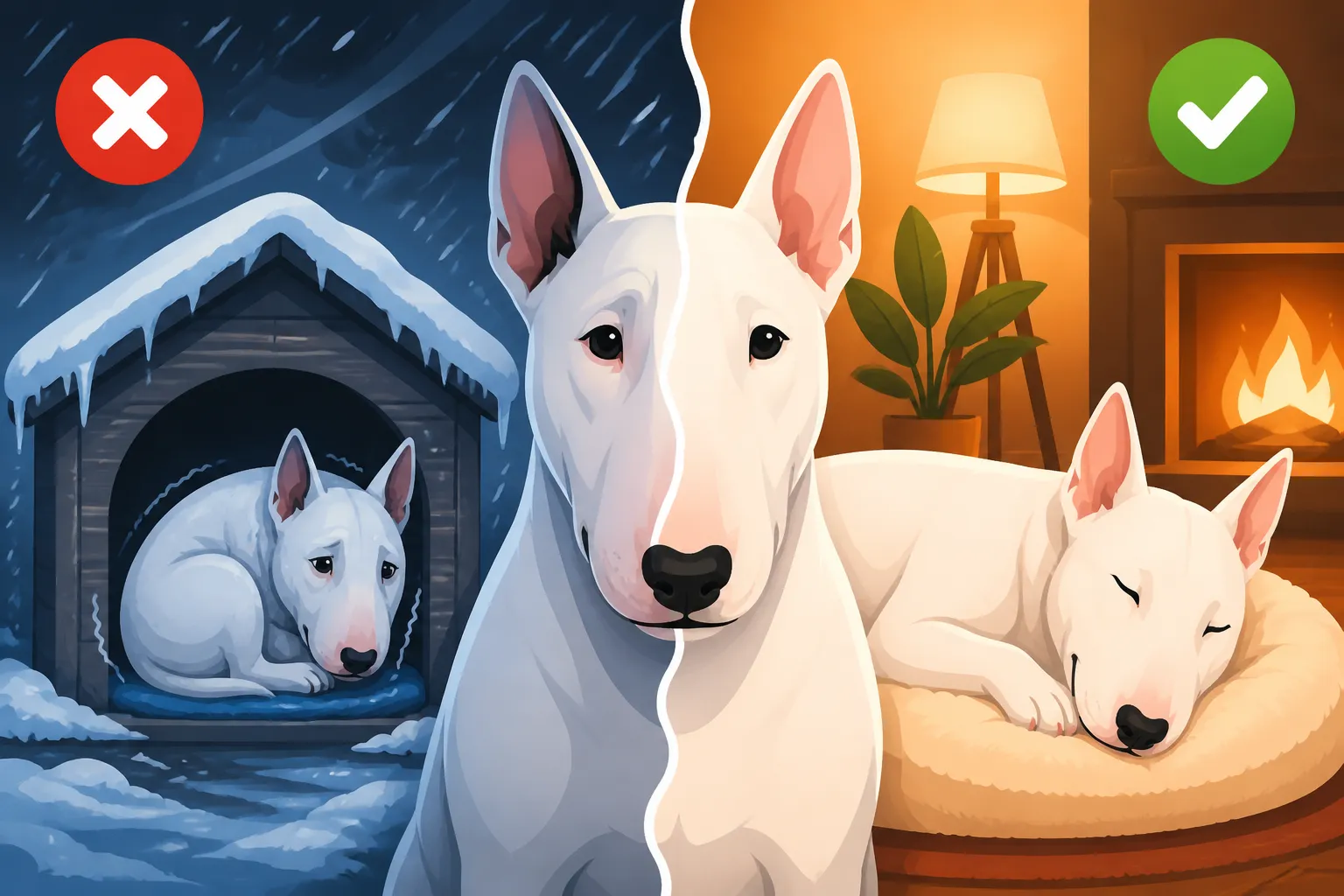
Why a Bull Terrier Cannot Sleep Outside
As Bull Terrier enthusiasts, we often want the best for our quirky, lovable companions, and sometimes that might involve visions of them enjoying the great outdoors, perhaps even having their own little kingdom in the backyard. However, the reality for a Bull Terrier is that sleeping outside, even occasionally, poses significant risks to their physical health, emotional well-being, and overall safety. This guide will meticulously break down why your Bull Terrier is an indoor dog through and through, exploring the myriad reasons why their unique breed characteristics make outdoor living unsuitable for them.
Physical Vulnerabilities: Why Their Body Isn't Built for the Outdoors
Bull Terriers, with their distinctive look and robust, muscular build, might seem tough, but their physical characteristics actually make them quite vulnerable to the elements and environmental hazards when left outside for extended periods, especially overnight.
Sensitive Skin and Short Coat Offer Poor Protection
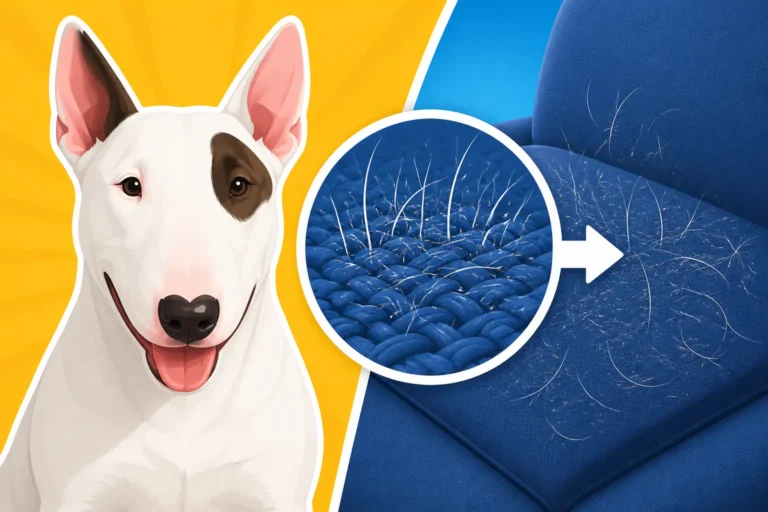
One of the most defining features of a Bull Terrier is its short, sleek coat. While this makes for easy grooming, it's also a major liability when it comes to outdoor living. Unlike breeds with thick double coats or long, shaggy hair designed for insulation, Bull Terriers have virtually no undercoat to protect them from extreme temperatures. This lack of natural insulation means they get cold very quickly in chilly weather and overheat just as rapidly when the sun beats down.
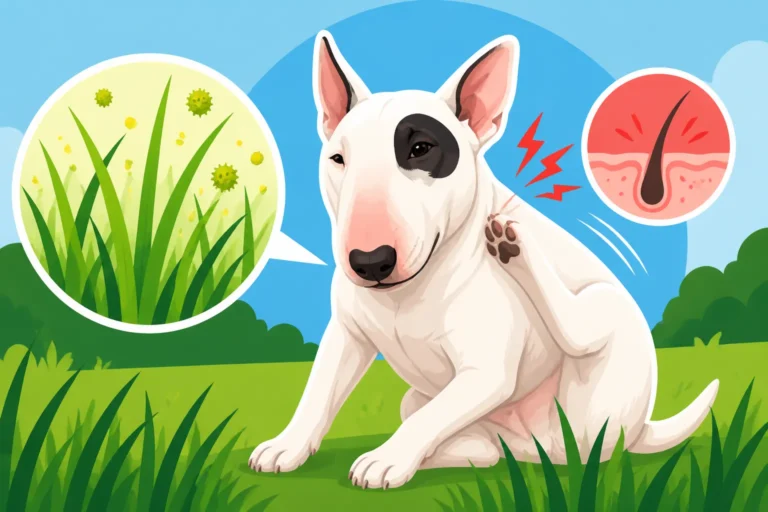
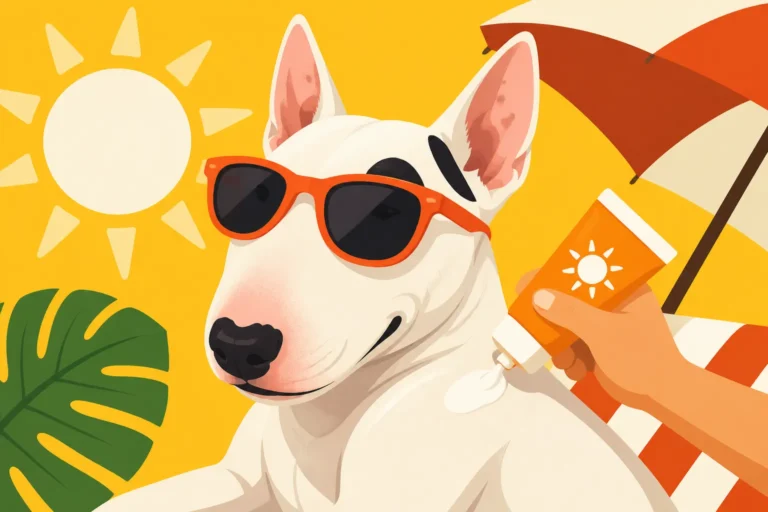
Beyond just the coat, their skin is famously sensitive. A Bull Terrier's Skin Is Its Weakest Point for a reason, and exposing it to the elements without proper protection can lead to a host of problems. White Bull Terriers, in particular, have pink skin that is incredibly prone to sunburn, even through their white fur. Why a White Bull Terrier Sunburns isn't just a concern for daytime romps; prolonged exposure, even on overcast days, can lead to serious skin damage over time. This sensitivity also extends to irritants like pollen, grass, and insect bites, which can cause painful rashes and infections when they're left to lie on various surfaces outside. Imagine the discomfort of persistent itching or a nasty rash on delicate skin, something that's far more likely when they're routinely exposed to outdoor allergens and pests.
Poor Temperature Regulation
A Bull Terrier's body simply isn't designed to regulate temperature effectively in harsh outdoor conditions. How Well a Bull Terrier Handles Cold is, to put it mildly, not very well at all. Their thin coat offers minimal protection against freezing temperatures, and they can quickly succumb to hypothermia, even in climates that owners might consider only "cool." They shiver, they huddle, and they can become dangerously cold, especially when sleeping. The ground itself, whether frozen or damp, can wick away body heat at an alarming rate.
Conversely, they also struggle immensely in heat. How Well a Bull Terrier Handles Heat is equally poor, making them highly susceptible to heatstroke. Their relatively compact body and short muzzle, while not as extreme as some brachycephalic breeds, still mean they don't dissipate heat as efficiently as some longer-nosed, leaner breeds. A Bull Terrier left outside on a hot day, even with shade, can quickly reach dangerous body temperatures. The sun moves, shade disappears, and stagnant air offers no relief. Dehydration is a constant threat. Owners often underestimate how quickly a dog can overheat, and for a Bull Terrier, that risk is magnified, making an outdoor sleeping arrangement incredibly dangerous.
Emotional Needs: The Bull Terrier's Heart Belongs Indoors
Bull Terriers are not just physically vulnerable outside; they are deeply emotional and social creatures whose mental well-being thrives on close human companionship. To deny them this indoor connection is to fundamentally misunderstand their nature.
An Unbreakable Bond with Their People
If you've ever owned a Bull Terrier, you know they are affectionately known as a "three-year-old in a dog suit." This isn't just a cute saying; it speaks volumes about their personality. They are fiercely devoted to their human families and thrive on being an integral part of daily life. This isn't a breed content to be a solitary "yard dog." Their very happiness is tied to interacting with their people, sharing space, and participating in household activities. When a Bull Terrier is routinely left outside to sleep, they are not just physically separated; they are emotionally isolated.
This breed craves attention and positive interaction. They want to lean on you, follow you from room to room, and often end up snuggled close. Why a Bull Terrier Cannot Be Left Alone All Day is a crucial point that extends to overnight hours. They can easily develop intense separation anxiety, manifesting as destructive behaviors, excessive barking, or even self-harm due to stress and loneliness. Imagine the profound sadness and confusion they must feel, wondering why they are banished from the warmth and comfort of their family. This isn't just about comfort; it's about their inherent need for belonging and security, which is inextricably linked to being inside with their humans.
Boredom Breeds Destruction and Escape Attempts
A Bull Terrier with nothing to do is a force of nature, and not in a good way. When left alone outside, especially for long periods like overnight, boredom sets in, and a Bull Terrier will invent its own entertainment. Unfortunately, this usually translates into destructive behaviors. What a Bull Terrier Does When It Is Bored can range from digging massive craters in your lawn to chewing through fences, garden furniture, or anything else they can get their formidable jaws on. They are powerful chewers, and even sturdy outdoor items don't stand a chance against a determined, bored Bull Terrier.
This destructive energy often goes hand-in-hand with escape artistry. If a Bull Terrier feels lonely, bored, or simply desires to be with their family inside, they will find a way to get out. How a Bull Terrier Gets Out of a Fence is a common problem for owners who underestimate their tenacity and intelligence. They will dig under, jump over, or even chew through fencing materials. An escaped Bull Terrier faces a myriad of dangers, from traffic to encounters with aggressive animals, to getting lost and ending up in a shelter. For these reasons, you'll often hear experienced owners say, Why a Bull Terrier Cannot Be a Backyard Dog. Their intelligent, persistent nature, when coupled with isolation, is a recipe for disaster, not a peaceful night's sleep.
Safety and Environmental Hazards: More Than Just Comfort
Beyond physical comfort and emotional well-being, allowing a Bull Terrier to sleep outside exposes them to a wide array of significant safety and environmental hazards that no loving owner would want their dog to face.
Predation, Theft, and Cruelty
It's a harsh reality, but dogs left unattended outside, particularly overnight, become targets. In many areas, wildlife like coyotes, foxes, or even larger predatory birds can pose a serious threat, especially to a dog that is confined and unable to properly defend itself or escape. These encounters can lead to severe injury or even death.
Even more disturbing is the risk of human-inflicted harm. Bull Terriers, with their striking appearance, are often sought after, making them a prime target for theft. A dog left alone in a yard is an easy mark for someone looking to steal them for resale, breeding, or even worse purposes. Cases of cruelty and poisoning are tragically common when dogs are left vulnerable in yards. No matter how safe you think your neighborhood is, the risk is always present, and the emotional toll of a lost or harmed pet is unimaginable. Keeping your Bull Terrier indoors, especially when you're not actively supervising them, is the most fundamental way to protect them from these terrible fates.
Exposure to Parasites, Toxins, and Illness
The great outdoors, while seemingly natural, is a hotbed for potential health threats to your Bull Terrier. Left to sleep outside, they are exposed to a constant barrage of parasites. Fleas, ticks, and mosquitoes are not just annoying; they are vectors for serious diseases like Lyme disease, heartworm, and Ehrlichiosis. While preventative medications help, constant exposure increases the risk of breakthrough infections.
Beyond parasites, outdoor environments contain numerous toxins. Antifreeze drips from cars, pesticides are sprayed on lawns, and rodenticides are placed in gardens. These substances are deadly to curious dogs, and an unsupervised Bull Terrier is far more likely to ingest something harmful. Furthermore, contact with other animals (wild or stray) can transmit diseases like parvovirus, distemper, or kennel cough, even if your dog is vaccinated. The controlled, clean environment of your home drastically reduces these risks. Even something as simple as persistent dampness on their skin from rain or morning dew can lead to skin infections and discomfort, highlighting the need for a dry, climate-controlled space.
Why an Outdoor Kennel Isn't the Answer
Some owners might consider a sturdy outdoor kennel as a solution, believing it offers security and shelter. While a well-built kennel is certainly better than simply tying a dog up or leaving them loose, it still falls short of providing what a Bull Terrier truly needs. A kennel, no matter how large, is still an isolated space that doesn't provide the companionship they crave. They can still suffer from temperature extremes, especially if not perfectly insulated and heated/cooled. The potential for boredom-induced destruction, even within a kennel, remains, as does the risk of theft if the kennel isn't exceptionally secure.
Consider the ongoing costs and effort involved in trying to make an outdoor space truly safe and comfortable for a Bull Terrier. You'd need a fully insulated, climate-controlled structure, impenetrable fencing, constant supervision, and robust parasite prevention. Even then, you'd be missing the crucial element of companionship. It's often far simpler and ultimately more beneficial for the dog to provide them with a comfortable, safe, and integrated indoor living space.
Here’s a quick comparison of why indoor living is superior for your Bull Terrier:
| Feature | Outdoor Living Risks | Indoor Living Benefits |
|---|---|---|
| Coat/Skin | Sunburn (Why a White Bull Terrier Sunburns), frostbite, skin infections from dampness, insect bites, allergies to outdoor plants/pollen (A Bull Terrier's Skin Is Its Weakest Point). | Protection from sun, cold, and irritants. Easier to keep skin healthy. |
| Temperature | Hypothermia (How Well a Bull Terrier Handles Cold), heatstroke (How Well a Bull Terrier Handles Heat). | Consistent, comfortable temperature. |
| Emotional | Loneliness, separation anxiety (Signs a Bull Terrier Has Separation Anxiety), boredom, stress, destructive behaviors (What a Bull Terrier Does When It Is Bored). | Constant companionship, reduces anxiety, promotes bonding, included in family life. |
| Safety | Theft, predation (coyotes, other animals), exposure to toxins (antifreeze, pesticides), escape risk (How a Bull Terrier Gets Out of a Fence), traffic accidents. | Secure environment, protected from predators, theft, toxins, and traffic. |
| Health | Higher exposure to fleas, ticks, mosquitoes, worms, and infectious diseases. | Reduced exposure to parasites and infectious agents. Easier to monitor health. |
| Behavior | Increased barking, digging, chewing property (What a Bull Terrier Destroys in Its First Year), aggression due to frustration/fear. | More stable behavior, easier to manage and train. |
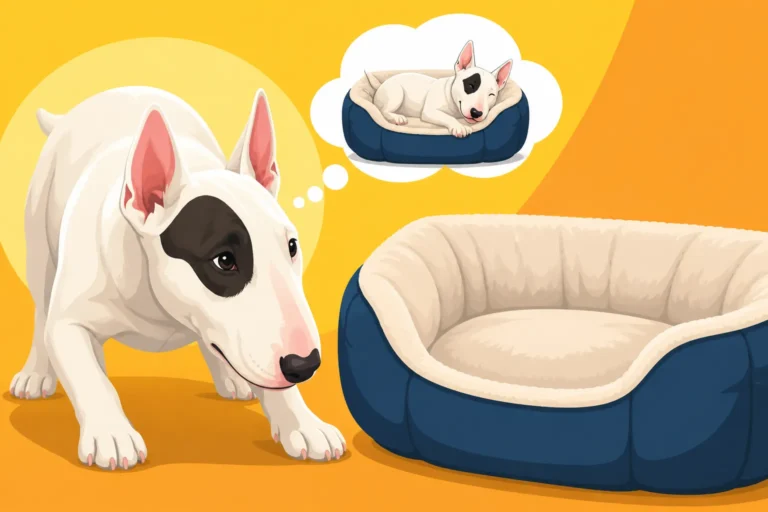
Ultimately, for a Bull Terrier to thrive, they need to be a cherished member of the household, enjoying the safety, comfort, and companionship that only an indoor life can provide. You can find robust indoor beds on platforms like Amazon that will withstand their chewing tendencies, or explore different food options on Chewy if you're looking for specialized diets to support their health. Remember, when considering Whether a Bull Terrier Needs a Coat in Winter, it's a clear sign their short coat isn't enough for even short outdoor excursions, let alone sleeping outside. Keeping them inside is not just about convenience; it's about fulfilling their fundamental needs as a breed.
Disclaimer
This article is for general informational purposes only and does not constitute professional advice. Laws, prices and regulations vary by location and change over time. Consult a qualified professional for guidance on your specific situation.