Whether a Bull Terrier Reacts to Its Own Bedding
It’s heartbreaking to see your beloved Bull Terrier constantly scratching, chewing at their paws, or rubbing against furniture, and sometimes, the culprit is hiding in plain sight: their own bed. As Bull Terrier owners, we know their unique skin can be incredibly sensitive, leading to frustrating and often mysterious irritations. This guide will walk you through understanding why your Bull Terrier might be reacting to their bedding, how to identify the signs, and what steps you can take to create a comfortable, itch-free sanctuary for them.
The Sensitive Skin of a Bull Terrier: Why Bedding Matters
Bull Terriers, with their striking appearance and vivacious personalities, are also known for their surprisingly delicate skin. This isn’t a flaw, but rather a characteristic of the breed that requires a bit more vigilance and understanding from us as owners. When your Bull Terrier starts showing signs of skin irritation, it's easy to jump to conclusions about food allergies or environmental pollen, but sometimes the answer is much closer to home.
The Genetic Blueprint for Skin Issues
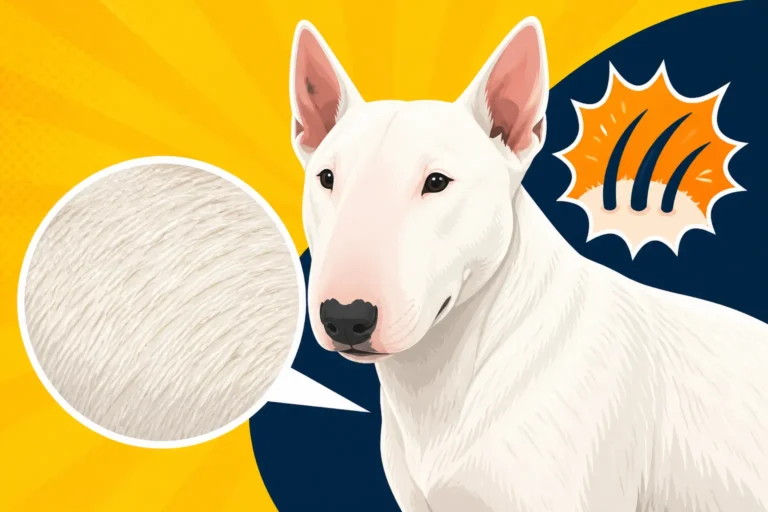
Our Bull Terriers often have a thinner coat compared to many other breeds, and beneath that short, sleek hair lies often pink, sensitive skin. This combination makes them more susceptible to external irritants. They don't have the thick undercoat or dense fur to act as a significant barrier against environmental allergens or contact irritants. Think of it like a person with very fair skin; they’re more prone to sunburn than someone with darker, more melanin-rich skin. Similarly, a Bull Terrier's skin can react more intensely to things it comes into direct, prolonged contact with. This inherent sensitivity means that even something as innocuous as their bedding can become a source of discomfort. A Bull Terrier's Skin Is Its Weakest Point explores this in more detail, highlighting the various vulnerabilities our dogs face. It’s not just about the visible coat; it’s the underlying dermal layers that are often the silent sufferers.
Moreover, Bull Terriers are predisposed to certain skin conditions and allergies. While not always directly related to bedding, an underlying sensitivity can amplify reactions to things like fabric treatments or dust mites found in their sleeping area. This genetic predisposition means we, as owners, need to be extra proactive in managing their environment to prevent flare-ups. It’s a bit like having a house with a leaky roof; if you don’t address the underlying issue, patching up the ceiling is only a temporary fix. For our Bull Terriers, identifying and mitigating these common irritants, including those in their beds, is crucial for their long-term comfort and health.
Environmental Factors and Contact Sensitivities
Beyond genetic predispositions, our homes are full of potential allergens and irritants that can affect a sensitive Bull Terrier. While pollen, mold, and dust are common airborne culprits that can cause generalized itching or respiratory issues, bedding specifically introduces the concept of contact dermatitis. This occurs when an allergen or irritant directly touches the skin, causing a localized reaction.
Consider the amount of time your Bull Terrier spends on their bed. They might spend hours curled up, napping, or simply lounging. During this prolonged contact, their sensitive skin is pressed directly against the fabric, filling, and any accumulated dust or debris within the bedding. This close, extended exposure creates an ideal scenario for a contact reaction if the material itself, the detergent used to wash it, or even the dust mites living within it are problematic. Just like some people react to certain types of jewelry or clothing fabrics, a Bull Terrier can react to the synthetic fibers in their bed, the harsh chemicals in a laundry detergent, or even certain natural fibers if they have an allergy. It's a constant battle against the invisible, but understanding where these battles are most likely to occur, like in their sleeping quarters, empowers us to better protect them.
Is Your Bull Terrier's Bedding the Culprit? Signs to Watch For
When your Bull Terrier is scratching, it's easy to feel overwhelmed trying to figure out the cause. There are so many possibilities! But if you suspect their bedding, knowing the specific signs and how to investigate can save you a lot of worry and vet visits.
Decoding the Itch: Symptoms of Bedding Allergies
The symptoms of a bedding allergy in a Bull Terrier can range from subtle irritation to overt misery. The key is to observe where and when the symptoms occur. Unlike a food allergy which might cause a more generalized itch or gastrointestinal upset, a contact allergy often manifests where the skin has been in direct contact with the irritant.
Look for excessive licking or chewing, especially on the underside of their body, their belly, chest, groin, and particularly their paws. Whether a Bull Terrier's Feet Itch is a common complaint, and contact with irritating bedding can certainly be a trigger for paw chewing. You might notice redness, rashes, small bumps, or even hives on these areas. Sometimes, the skin might appear dry and flaky, or conversely, greasy and inflamed. Over time, chronic licking and chewing can lead to secondary issues like bacterial or yeast infections, causing a strong odor, thickening of the skin, or hair loss in affected areas. You might also spot "hot spots" – inflamed, moist, and painful lesions that appear suddenly. The timing of these symptoms is also a crucial clue; do they seem worse after a long nap on the bed, or do they improve if your dog sleeps on a different surface, like a tiled floor, for a few nights? Pay close attention to these patterns; they are your Bull Terrier's way of telling you something is wrong.
Playing Detective: Pinpointing the Problem
Identifying bedding as the specific cause requires a bit of detective work, but it’s a systematic process that you can do at home. The most effective method is often an elimination trial. Start by temporarily removing the suspected bedding entirely. Provide a clean, alternative sleeping surface – perhaps a clean towel on the floor, or a bed made of a completely different, natural material that has been washed with a hypoallergenic detergent. Monitor your Bull Terrier closely for a week or two. If their symptoms significantly improve, you’re likely on the right track.
Once symptoms have calmed, you can introduce new bedding materials one at a time. For instance, try a bed with an organic cotton cover, washed with a mild, unscented detergent. Wait several days to a week before making another change. This slow reintroduction helps you isolate which component might be causing the reaction. Keep a diary of symptoms, what bedding is used, and what detergents you're using for washing. This meticulous record-keeping can be incredibly helpful for both you and your veterinarian. Remember that patience is key; it takes time for skin to heal and for your dog's body to clear any allergens. Consider looking for new bedding options on sites like Chewy, which often have detailed product descriptions regarding materials and hypoallergenic claims, making it easier to select something suitable for your sensitive Bull Terrier.
Common Bedding Culprits
Many different aspects of bedding can trigger a Bull Terrier's sensitive skin. It's not always the obvious things.
Here's a breakdown of common culprits:
| Category | Potential Issues | Examples |
|---|---|---|
| Material | Synthetic fibers, rough textures | Polyester, acrylic, stiff canvas, wool (for some specific allergies) |
| Fillers | Dust, dander, feathers, chemical treatments | Low-quality foam, shredded memory foam, feather/down stuffing |
| Detergents | Fragrances, dyes, harsh chemicals | Standard laundry detergents, fabric softeners, bleach |
| Contaminants | Dust mites, mold spores, outdoor allergens | Accumulated skin flakes, pollen tracked in from outside, dampness |
| Treatments | Fire retardants, stain repellents | Chemical coatings on new bedding |
Synthetic materials like polyester are very common in dog beds because they are durable and often affordable. However, they don't always breathe well, trapping heat and moisture, which can exacerbate skin irritation. The chemicals used to process these fabrics, or even the dyes, can also be irritants. Similarly, fillers, especially cheaper ones, can break down over time, creating dust that settles on the surface and becomes inhaled or absorbed through the skin. Some Bull Terriers might even react to natural materials like wool if they have a specific protein allergy.
Perhaps the most common offenders, often overlooked, are laundry detergents and fabric softeners. Many contain strong perfumes, dyes, and harsh chemicals that can remain in the fabric after washing. When your Bull Terrier then lies on the bed, these residues come into direct contact with their skin, leading to irritation. Which Detergent Suits a Bull Terrier Owner highlights the importance of choosing mild, unscented, hypoallergenic options. Finally, dust mites thrive in bedding, feeding on dead skin cells. These microscopic creatures and their waste products are potent allergens for many dogs, including Bull Terriers. Regular washing and specific mite-control measures are essential to keep their populations in check.
Creating a "Skin-Friendly" Sanctuary: Choosing and Maintaining Bedding
Once you've identified that your Bull Terrier's bedding might be contributing to their skin woes, the next step is to make informed choices about what goes into their sleeping space. Creating a truly skin-friendly sanctuary involves both selecting the right products and establishing a consistent cleaning routine.
The Best Materials for Sensitive Bull Terrier Skin
When it comes to bedding materials, natural, breathable, and easily washable options are often best for Bull Terriers with sensitive skin. Organic cotton is a fantastic choice because it’s soft, breathable, and less likely to contain harsh chemical dyes or finishes compared to conventional cotton. Hemp and bamboo fabrics are also excellent alternatives, known for their natural antimicrobial properties and durability.
Consider beds with removable, washable covers. This feature is a game-changer for hygiene and managing allergens. You can wash the cover frequently without having to wrestle the entire bed into the machine. For the internal filling, look for hypoallergenic options. Shredded memory foam or orthopedic foam without strong chemical odors are often good choices. Some brands, available on platforms like Amazon, offer beds with specific "allergy-friendly" certifications, which can provide an extra layer of reassurance. Avoid feather or down fillings, as these can be allergenic for some dogs and are difficult to keep clean. Waterproof liners are also incredibly helpful, as they protect the inner filling from moisture, spills, and accidental soiling, which can otherwise create a breeding ground for bacteria and mold. Investing in a good quality bed, designed with sensitive pets in mind, might feel like a splurge initially, but it can save you a lot of vet bills and discomfort for your Bull Terrier in the long run.
Laundry Day for Allergy Relief
Your Bull Terrier's bedding should be washed frequently – at least once a week, or more often if they are particularly prone to skin flare-ups or if they spend a lot of time outdoors. The goal is to remove allergens like dust mites, pollen, dirt, and any accumulated dander and oils.
When washing, always use a gentle, unscented, hypoallergenic detergent. Avoid fabric softeners, dryer sheets, and any products with dyes or perfumes, as these can leave residues that irritate the skin. Washing in hot water, if the fabric allows, is more effective at killing dust mites. After washing, ensure the bedding is thoroughly dried. Damp bedding can quickly develop mold and mildew, which are additional irritants. If possible, drying in direct sunlight can also help naturally sanitize the fabric. For those busy weeks, having a spare set of bedding covers allows for a quick swap, ensuring your Bull Terrier always has a clean place to rest while the other set is in the wash. How Often a Bull Terrier Should Be Bathed discusses general hygiene, but regular bedding washes are an equally vital part of managing skin health.
Tackling Dust Mites and Other Microscopic Invaders
Dust mites are tiny, invisible creatures that thrive in warm, humid environments, and guess where they love to congregate? Your dog's bed. Their droppings are a common allergen that can cause significant skin irritation for sensitive Bull Terriers. While frequent washing helps, there are additional steps you can take to minimize their presence.
Consider using special allergen-proof covers for the bed's inner cushion, similar to those used for human pillows and mattresses. These covers create a barrier that dust mites cannot penetrate. Regular vacuuming of the area around the dog bed, including any upholstered furniture nearby, can also help reduce the overall dust mite population in your home. Some owners find that using a steam cleaner on the dog bed (if appropriate for the material) can also be an effective way to kill mites. Additionally, maintaining a lower humidity level in your home (ideally below 50%) can make the environment less hospitable for dust mites. While you can't eliminate them entirely, these measures can significantly reduce your Bull Terrier's exposure to this common allergen. For comprehensive cleaning products, check places like Amazon for specialized vacuum attachments, or Chewy for pet-safe steam cleaners or sprays designed to combat dust mites.
When to Call the Vet: Professional Help for Persistent Skin Woes
Even with the best at-home care and hypoallergenic bedding, some Bull Terriers may continue to struggle with skin issues. It's crucial to know when to stop playing detective and enlist the help of a professional. Your veterinarian is your best partner in tackling persistent or severe skin problems.
Beyond Home Care: When to Seek Expert Advice
If your Bull Terrier's symptoms don't improve after a few weeks of diligent bedding management, or if they worsen, it's definitely time to schedule a vet visit. Red flags that warrant immediate veterinary attention include:
- Severe itching or discomfort: If your Bull Terrier is scratching so intensely that it's disrupting their sleep, eating, or general well-being.
- Widespread hair loss or skin lesions: Large bald patches, open sores, or persistent redness.
- Signs of infection: Pustules, crusting, strong odor from the skin, or if the skin feels hot to the touch. These could indicate a secondary bacterial or yeast infection.
- Lethargy or loss of appetite: If your Bull Terrier seems unwell beyond just skin irritation.
- Constant paw licking or chewing: This can lead to painful interdigital cysts or deep infections. Whether a Bull Terrier Gets Skin Allergies covers the broader spectrum of skin allergies, and a vet can help distinguish between contact, environmental, or food-related causes.
Don't wait for the problem to become unbearable. Early intervention can prevent minor irritations from escalating into more serious and painful conditions, making treatment much easier and more effective.
Navigating Diagnosis and Treatment Options
When you visit the vet, be prepared to provide a detailed history of your Bull Terrier's symptoms, including when they started, what you've tried, and any patterns you've observed. Your vet will likely start with a thorough physical examination, looking for specific patterns of skin irritation.
Common diagnostic tests might include:
- Skin scrapings: To check for external parasites like mites (e.g., Demodex). Why Demodex Appears on a Bull Terrier Puppy is a good read if your vet suspects this.
- Cytology: Examining skin cells under a microscope to identify bacterial or yeast infections.
- Fungal cultures: To rule out ringworm.
- Allergy testing: If contact dermatitis is ruled out, or if there are other signs of generalized allergies, your vet might suggest blood tests or intradermal skin testing to identify environmental or food allergens.
- Biopsy: In rare cases of unusual or non-responsive skin lesions, a skin biopsy might be recommended.
Treatment will depend entirely on the diagnosis. It could involve antibiotics or antifungals for secondary infections, topical treatments like medicated shampoos (as discussed in Which Shampoo Suits a Bull Terrier's Skin) or creams, oral antihistamines, or even corticosteroids for severe inflammation. For confirmed allergies, your vet might discuss immunotherapy (allergy shots) or prescription diets. Brands like Ollie, which offer fresh, limited-ingredient dog food, are sometimes considered by owners for dogs with suspected food sensitivities, though it’s important to work with your vet to ensure it’s the right approach for your Bull Terrier's specific needs.
Management and Long-Term Care
Managing a Bull Terrier with sensitive skin or allergies is often a lifelong commitment. It's not usually a "one-and-done" fix but rather a continuous process of observation, adaptation, and care. Even if you pinpoint a bedding allergy, your Bull Terrier may still be predisposed to other skin issues, requiring ongoing vigilance.
Your vet might recommend regular follow-up appointments to monitor their skin health and adjust treatment plans as needed. This proactive approach ensures that any new flare-ups are caught early. For long-term care, consistency is key: stick to your chosen hypoallergenic bedding, maintain your strict washing schedule, and continue using gentle grooming products. Dietary supplements, such as omega-3 fatty acids, can also play a role in supporting skin barrier health, but always discuss these with your vet before introducing them. By working closely with your veterinarian and remaining observant, you can help your Bull Terrier live a much more comfortable, itch-free life, allowing their wonderful personality to shine through without the constant distraction of irritated skin.
Disclaimer
This article is for general informational purposes only and does not constitute professional advice. Laws, prices and regulations vary by location and change over time. Consult a qualified professional for guidance on your specific situation.