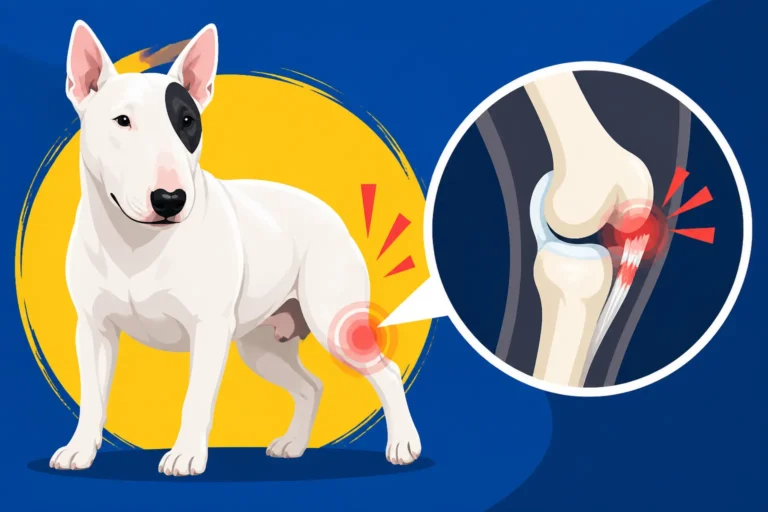
Whether a Cardiologist Should See a Bull Terrier Puppy
Discovering your energetic Bull Terrier puppy has a heart murmur can be incredibly unsettling, leaving you with a whirlwind of questions and a gnawing worry about their future. It's tough to know whether it's something they'll simply grow out of or a serious condition requiring immediate attention. This guide is here to walk you through the nuances of heart murmurs in Bull Terrier puppies, helping you understand when a veterinary cardiologist's expert eye is not just an option, but an essential step for your beloved companion.
Understanding Heart Murmurs in Bull Terrier Puppies
Finding out your adorable Bull Terrier puppy has a heart murmur can feel like a punch to the gut. One moment you're dreaming of all the zoomies and cuddles, and the next you're faced with potential health concerns. It’s natural to feel overwhelmed and a bit scared, especially when you're not sure what a heart murmur even means.
A heart murmur is essentially an abnormal sound heard during the heartbeat, caused by turbulent blood flow. Think of it like a river that usually flows smoothly, but suddenly hits a patch of rocks, causing swirls and splashes. In a puppy's heart, this turbulence can be a normal, temporary thing, or it can be a red flag for an underlying structural problem. Vets grade murmurs from I (very faint) to VI (very loud, almost felt through the chest wall), which helps determine the severity, but not necessarily the cause.
Innocent Murmurs: A Puppy's Growing Pains
Many puppies, especially those under 4-6 months of age, can have what's known as a "physiologic" or "innocent" murmur. These are often quiet, low-grade murmurs (typically Grade I or II) that are not associated with any structural heart disease. They’re thought to be caused by the rapid growth of a puppy, the relatively thin chest wall, or the dynamic changes in blood volume as their circulatory system matures. The good news is that these innocent murmurs usually fade away on their own as the puppy grows, often by 4 to 6 months of age. It's a bit like a child’s rapidly developing body making some extra noise that eventually quiets down. This is why many vets will adopt a "wait and see" approach for very young puppies with low-grade murmurs, recommending a recheck in a few weeks or months. You can learn more about Whether an Innocent Murmur Fades in a Bull Terrier Puppy in another one of our articles.
Congenital Heart Defects in Bull Terriers
Unfortunately, not all murmurs are innocent. Bull Terriers, like many purebred dogs, are predisposed to certain congenital (present from birth) heart defects that can cause significant health problems if left undiagnosed and untreated. These conditions are much more serious and typically involve abnormalities in the heart's structure, such as malformed valves or holes in the heart walls. For a Bull Terrier puppy, the concern isn't just about how loud the murmur is, but also about the potential for specific genetic predispositions. For example, some Bull Terriers might present with conditions such as What Mitral Valve Dysplasia Does to a Bull Terrier or What Aortic Stenosis Does to a Bull Terrier, both of which can have serious implications for their long-term health and lifespan. This is why it’s so important that a Bull Terrier puppy's heart should be listened to thoroughly and consistently during their early vet visits.
When a Cardiologist is Crucial for Your Bull Terrier Puppy
So, how do you know when that "wait and see" approach isn't enough, and when it’s time to call in the big guns – a board-certified veterinary cardiologist? This is often the trickiest part for concerned Bull Terrier owners, because you don't want to overreact, but you certainly don't want to miss something critical. Trust your gut, and when in doubt, it's always better to err on the side of caution.
Red Flags Signaling a Specialist's Need
While a quiet murmur in a bouncy, thriving puppy might warrant observation, certain signs should immediately prompt a referral to a cardiologist. If your Bull Terrier puppy has a murmur that is:
- Loud and Persistent: A murmur graded III or higher, especially if it doesn't diminish by 4-6 months of age, is a significant red flag. A very loud murmur suggests considerable turbulence and likely a significant structural defect.
- Associated with Symptoms: This is perhaps the most critical indicator. If your puppy is showing any signs of being unwell, a cardiologist visit is urgent. Symptoms might include coughing, difficulty breathing (even subtle changes like increased panting or labored breaths), exercise intolerance (tiring quickly during play, not keeping up with littermates), poor growth compared to littermates, lethargy, or fainting spells. These are all signs that the heart might not be effectively pumping blood throughout the body.
- Present in a Puppy with a Known Family History: If the breeder has disclosed a history of congenital heart disease in the puppy's lineage – which a responsible breeder should do – then a cardiologist visit is highly recommended, regardless of the murmur's grade or the puppy's apparent health. Knowing that heart disease runs in Bull Terrier lines can help guide your decisions.
- Identified by a Breeder's Screening: Reputable Bull Terrier breeders often have their puppies' hearts checked by a cardiologist or certified vet before they go to new homes. If a murmur is detected during such a screening, they will usually recommend a follow-up with a specialist. In fact, many Bull Terrier clubs and registries recommend a cardiac screening with an echocardiogram as part of their health testing protocols. You should always receive documentation of a clear heart check or a referral recommendation if a murmur is detected.
Common Cardiac Concerns in Bull Terriers
Bull Terriers are particularly prone to certain heart conditions that a cardiologist would be best equipped to diagnose. Aortic Stenosis (AS) and Mitral Valve Dysplasia (MVD) are two of the most significant.
- Aortic Stenosis (AS): This is a narrowing of the aorta, the main artery that carries blood from the heart to the rest of the body. When this artery is narrowed, the heart has to work much harder to pump blood through it, leading to a loud murmur and potentially heart enlargement, irregular rhythms, and even sudden death in severe cases. Bull Terriers can be particularly affected by this, and some cases can be quite severe, potentially proving why Aortic Stenosis Kills a Bull Terrier Without Warning.
- Mitral Valve Dysplasia (MVD): This involves an abnormality of the mitral valve, located between the left atrium and left ventricle. If the valve doesn't close properly, blood can leak backward, forcing the heart to work harder. This can lead to heart enlargement and congestive heart failure over time.
Because these conditions are not uncommon in the breed, a breeder should be transparent about their testing protocols. For instance, reputable breeders understand the importance of screening, and are more likely to perform comprehensive cardiac evaluations on their breeding stock to help mitigate these risks. Knowing Which Health Tests a Bull Terrier Breeder Should Run is crucial for any potential puppy owner.
What to Expect at a Pediatric Cardiology Appointment
If your primary veterinarian recommends a cardiology consultation, or if you're feeling that nagging worry and want a definitive answer, booking an appointment with a specialist is the next logical step. It might feel intimidating, but these specialists are experts in diagnosing and managing heart conditions in animals.
Diagnostic Tools and Procedures
When you arrive at a veterinary cardiology clinic, the team will usually start with a thorough history of your Bull Terrier puppy, asking about their activity levels, eating habits, any coughing or breathing issues, and their overall energy. Then, the cardiologist will perform a very detailed physical examination, paying close attention to the characteristics of the murmur. They will assess things like: How a Bull Terrier's Murmur Is Graded, where it is heard loudest, and if there are any other abnormal sounds.
The cornerstone of a cardiac workup for a suspected heart condition is an echocardiogram. This is essentially an ultrasound of the heart, providing real-time images of its structure and function. It’s non-invasive, painless, and provides a wealth of information. The cardiologist can visualize:
- The size of the heart chambers.
- The thickness of the heart muscle walls.
- The function of the heart valves (mitral, aortic, pulmonary, tricuspid).
- The blood flow through the heart using Doppler technology, which can identify turbulence, narrowing (stenosis), or leakage (regurgitation).
- Presence of any congenital defects like holes in the heart (e.g., ventricular septal defects).
Beyond the echocardiogram, other tests might be performed:
- Electrocardiogram (ECG): This measures the electrical activity of the heart, checking for abnormal rhythms (arrhythmias).
- Chest X-rays: These can provide information about the overall size and shape of the heart and lungs, looking for signs of fluid accumulation, which could indicate congestive heart failure.
- Blood Pressure Measurement: High or low blood pressure can be associated with certain heart conditions.
You might be wondering What an Echocardiogram Costs on a Bull Terrier, or what a full What a Bull Terrier's Heart Workup Costs. These specialized procedures do come with a price tag, but many pet insurance providers, like Healthy Paws, offer coverage for diagnostic tests and treatments related to congenital conditions, especially if the policy is in place before any diagnosis. It's always a good idea to discuss payment options and insurance coverage with the clinic beforehand.
Discussing Diagnosis and Management
Once all the tests are completed, the cardiologist will sit down with you to discuss the findings. They will explain any diagnosis in detail, showing you images from the echocardiogram and explaining what they mean for your Bull Terrier puppy. If a congenital defect is found, they will outline the prognosis and potential treatment options. These can range from medication to manage symptoms and slow disease progression, to dietary changes, and in some rare cases, even surgical intervention.
For conditions like Aortic Stenosis or Mitral Valve Dysplasia, early diagnosis allows for proactive management to improve quality of life and potentially extend lifespan. The cardiologist will provide a tailored plan, which might include specific medications, exercise restrictions, and a schedule for recheck appointments. It's important to understand that some congenital conditions may require lifelong management, and having a specialist guide you through this journey is invaluable.
Proactive Heart Health for Your Bull Terrier
Being proactive about your Bull Terrier's heart health from day one is one of the best things you can do as a responsible owner. This starts even before you bring your puppy home and continues throughout their life.
Breeder's Role in Early Screening
A responsible Bull Terrier breeder plays a crucial role in preventing and identifying congenital heart defects. They should be testing their breeding dogs for known genetic conditions and be transparent about their health clearances. For heart health, this means having their breeding stock undergo cardiac evaluations by a board-certified veterinary cardiologist, often including an echocardiogram, before breeding. They should be able to provide documentation, usually from the Orthopedic Foundation for Animals (OFA) or a similar reputable registry, showing that the parents have been screened and are clear of significant cardiac issues.
When selecting a puppy, don't be afraid to ask your breeder detailed questions about the parents' cardiac health. Inquire about Which Certificates a Bull Terrier Breeder Must Hand Over and ensure they include cardiology reports. A breeder who actively participates in these health programs is demonstrating a commitment to the well-being of their puppies and the breed as a whole. Remember, prevention and early detection start with ethical breeding practices.
Ongoing Monitoring and Regular Vet Visits
Even if your Bull Terrier puppy gets a clean bill of health from the cardiologist, regular veterinary check-ups are essential throughout their life. Your primary vet will continue to listen to their heart at every annual exam. If a murmur was deemed "innocent" as a puppy, it's still good practice to confirm it has indeed resolved or diminished as they mature.
For dogs with a diagnosed heart condition, however minor, ongoing monitoring is absolutely critical. The cardiologist will recommend how often a Bull Terrier's heart should be rechecked. These rechecks might involve follow-up echocardiograms, blood pressure checks, and possibly even Holter monitoring (a portable ECG device worn at home) to track heart rhythms. Adhering to these recommendations can significantly impact the long-term prognosis and allow for adjustments to medication or management plans as needed.
Consider pet insurance from a provider like Healthy Paws to help manage the costs associated with ongoing cardiac care. While it won't cover pre-existing conditions, if you get a policy when your Bull Terrier is young and healthy, it can be a lifesaver if a heart condition develops later or if that "innocent" murmur turns out to be something more. Being prepared financially allows you to make the best medical decisions for your beloved companion without added stress.
Regular exercise and maintaining a healthy weight are also vital for heart health. Keep your Bull Terrier lean, provide appropriate exercise, and feed a high-quality, balanced diet as recommended by your vet. These basic care principles contribute immensely to overall well-being, including cardiovascular health.
When a Bull Terrier Puppy Should Have an Echocardiogram Table
| Murmur Grade | Age of Puppy | Associated Symptoms | Recommendation | Urgency | Typical Cost Range for Echocardiogram (USD) |
|---|---|---|---|---|---|
| Grade I-II | < 4 months | None | Recheck with primary vet in 4-6 weeks | Low | N/A (Initial vet visit cost) |
| Grade I-II | > 4-6 months | None, persistent | Cardiologist consultation for echocardiogram | Moderate | $500 – $1,200 |
| Grade III+ | Any age | None | Cardiologist consultation for echocardiogram | High | $500 – $1,200 |
| Any Grade | Any age | Coughing, lethargy, exercise intolerance, poor growth, fainting | Urgent cardiologist consultation for echocardiogram | Very High | $500 – $1,200+ (may include emergency fees) |
| Any Grade | Any age | Known family history of heart disease | Cardiologist consultation for echocardiogram | High | $500 – $1,200 |
Note: Costs are estimates and can vary significantly based on location, clinic, and additional diagnostic tests required.
Disclaimer
The information provided in this article is for general informational purposes only and does not constitute veterinary medical advice. Always consult with a qualified veterinarian or veterinary cardiologist for any health concerns or before making any decisions about your pet's medical care.