How Often a Bull Terrier Gets Ear Mites
It’s a truly frustrating experience to see your Bull Terrier constantly scratching at their ears, shaking their head, or rubbing against the furniture. You know that distinctive ear shape is part of their charm, but it also makes you wonder if it leaves them particularly vulnerable to issues like ear mites. This guide is here to shed some light on how often Bull Terriers encounter these tiny invaders, how to recognize the signs, and most importantly, how to keep those wonderful ears clean and healthy.
Understanding Ear Mites in Bull Terriers: More Than Just Itchiness
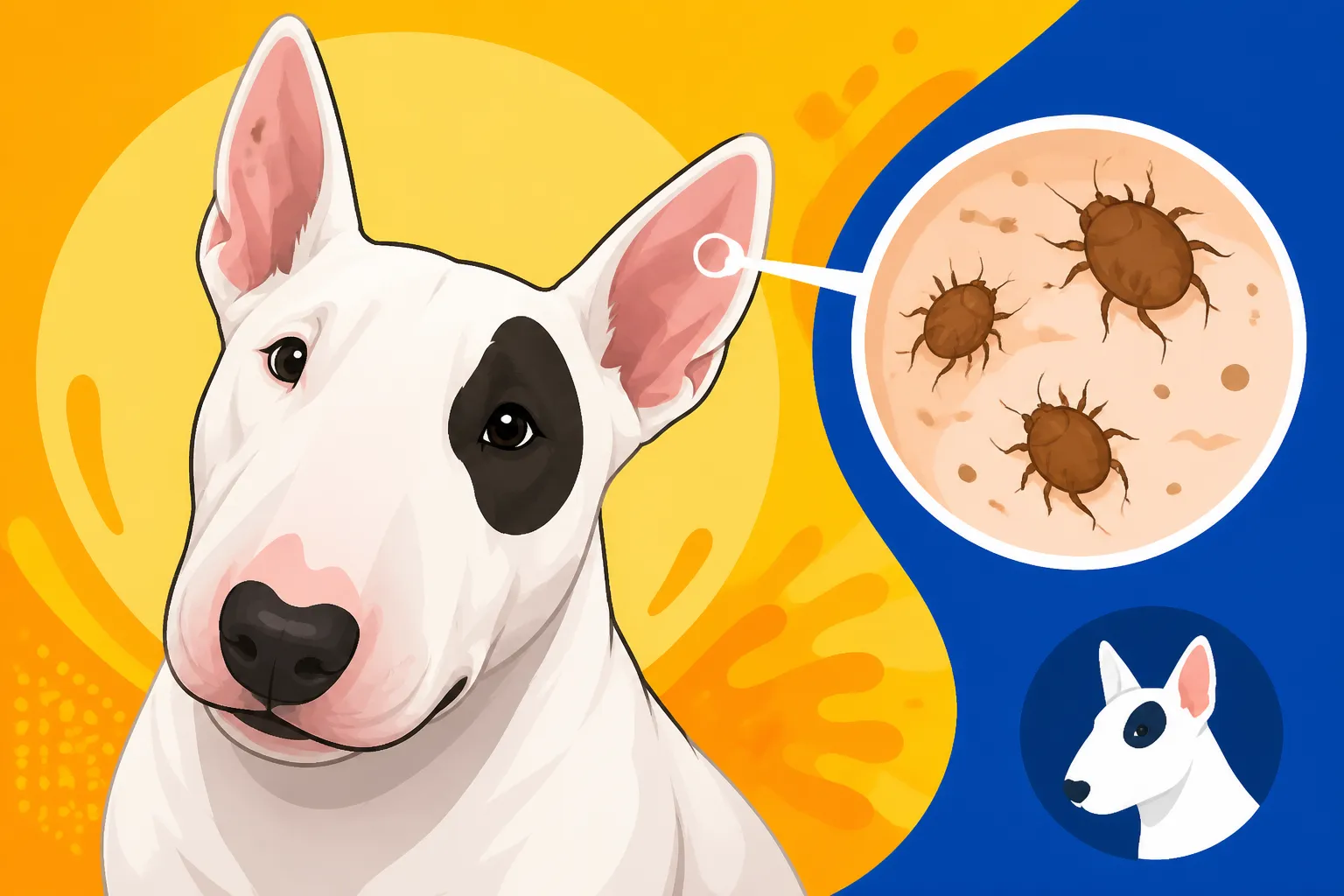
Ear mites, scientifically known as Otodectes cynotis, are tiny, highly contagious parasites that love to set up camp in a dog's ear canals. They're too small to see with the naked eye, but the havoc they wreak is impossible to ignore. Many Bull Terrier owners worry specifically about their breed's susceptibility, and it’s a valid concern. While Bull Terriers aren't inherently more prone to ear mites than other breeds, their erect, open ear canals can sometimes make it easier for foreign bodies or parasites to enter if they're not properly cleaned and checked. However, on the flip side, those open ears might also offer better ventilation compared to a floppy-eared breed, which can sometimes reduce the damp, warm environment that other infections (like yeast) thrive in.
What Exactly Are Ear Mites and How Do Dogs Get Them?
Imagine microscopic spiders setting up a colony inside your dog's ears, feeding on skin debris and ear wax. That's essentially what ear mites are doing. These little creatures have a three-week life cycle, and during that time, they're busy reproducing and causing intense irritation. The primary way dogs get ear mites is through direct contact with another infected animal. This could be another dog, a cat, or even wildlife like foxes. If your Bull Terrier loves to greet other dogs at the park, or perhaps you have an indoor/outdoor cat who brings them in, the risk increases. Puppy mills and shelters are notorious breeding grounds for ear mites due to the close quarters and often less-than-ideal hygiene, so if you're bringing home a new puppy or rescue, this is definitely something to be mindful of. It's not about being "dirty"; it's about exposure.
The mites cause an inflammatory reaction in the ear, leading to a dark, waxy discharge that often resembles coffee grounds. This isn't just unpleasant; it's intensely itchy, leading to all the scratching and head shaking that drives both you and your Bull Terrier nuts. Understanding this basic mechanism helps you realize that while your Bull Terrier's ears might look robust, they're still delicate habitats susceptible to these unwelcome guests.
Why Bull Terriers Might Seem Prone (or Not) Compared to Other Breeds
It's a common misconception that all erect-eared breeds are somehow immune to ear problems because their ears "breathe." While it's true that breeds with long, floppy ears (like Cocker Spaniels or Basset Hounds) can be more prone to yeast and bacterial infections due to trapped moisture and warmth, ear mites don't really care about ear shape as much as they care about finding a host. Mites are equal opportunity parasites. A Bull Terrier with its characteristic strong, erect ears can get ear mites just as easily as a Golden Retriever with its pendulous ears.
What can make a Bull Terrier owner feel their dog is more prone is simply the visibility of the irritation. Because their ears stand up, you might notice the scratching and head tilting more readily. Also, the natural "debris" from mites might be more obvious against the typically lighter skin inside a Bull Terrier's ear compared to a dark-pigmented ear canal. The key is not to assume their ear structure makes them immune or hyper-susceptible, but rather to be consistently vigilant with their ear health checks. Why a Bull Terrier's Ears Stand Up is a fascinating read about their unique ear structure, but remember, even the strongest, most upright ears need attention.
Common Misconceptions About Ear Mites
There are a lot of old wives' tales and misunderstandings floating around about ear mites. One big one is that only neglected or "dirty" dogs get them. As we've discussed, it's about transmission, not hygiene, though clean ears can certainly help mitigate secondary infections. Another myth is that ear mites can jump from your dog to you. Rest assured, Otodectes cynotis is species-specific; they might take a temporary joyride on human skin, causing a fleeting itch, but they won't set up a permanent home in your ears.
Some people also believe that any dark gunk in the ear automatically means mites. While the "coffee grounds" appearance is highly suggestive, it's not a definitive diagnosis. Bacterial or yeast infections can also produce dark, waxy discharge. This is why a proper veterinary diagnosis is always crucial. Relying on self-diagnosis or over-the-counter treatments without knowing exactly what you're fighting can lead to prolonged discomfort for your Bull Terrier and potentially worsen the condition if it's something else entirely. Whether a Bull Terrier Gets Ear Infections covers the broader spectrum of ear issues you might encounter.
Spotting the Telltale Signs: Is Your Bull Terrier Scratching for a Reason?
The constant scratching and head shaking are often the first giveaways, but for a Bull Terrier owner, who knows how dramatic these dogs can be, it's easy to dismiss it as "just being a Bull Terrier." However, when it comes to ear health, it's vital to pay close attention. Early detection not only brings faster relief but also prevents secondary infections from taking hold.
What to Look For: Classic "Coffee Grounds" Discharge, Head Shaking, Odor
When your Bull Terrier is shaking their head like they're trying to dislodge a bug, or scratching frantically at their ears with a back paw, that's your cue to investigate. The classic sign of ear mites is the dark, dry, crumbly discharge inside the ear canal, often described as looking like coffee grounds or black pepper. This isn't just wax; it's a mixture of ear wax, blood, skin debris, and the mites themselves. You might also notice redness or inflammation inside the ear flap.
Beyond the visible signs, pay attention to their behavior. Are they tilting their head consistently to one side? Do they cry out when they scratch or when you try to touch their ear? Sometimes, a subtle but persistent odor can also emanate from the infected ear. This might indicate a secondary bacterial or yeast infection thriving in the mite-damaged environment. Don't ignore these signals, no matter how small. Bull Terriers are masters of stoicism sometimes, but persistent discomfort will usually manifest. How a Bull Terrier Hides Pain is a good reminder that even a tough Bull Terrier can be suffering in silence.
How to Differentiate Mites from Other Ear Infections (Yeast, Bacteria)
This is where a visit to the vet becomes indispensable. While ear mites produce a very specific type of discharge, yeast and bacterial infections can also cause similar symptoms.
Here's a quick comparison:
| Symptom / Condition | Ear Mites | Yeast Infection | Bacterial Infection |
|---|---|---|---|
| Primary Cause | Otodectes cynotis parasites | Overgrowth of Malassezia yeast | Bacterial overgrowth (e.g., Staphylococcus) |
| Discharge Appearance | Dark, dry, crumbly, like coffee grounds | Brownish, greasy, sometimes yellowish, strong odor | Yellow, green, purulent, often very foul odor |
| Itchiness | Intense, persistent, often bilateral | Moderate to intense, can be unilateral or bilateral | Moderate to intense, can be unilateral or bilateral |
| Odor | Mild, sometimes slightly musty | Strong, sweet, yeasty smell | Very strong, foul, often pungent |
| Ear Canal Appearance | Red, inflamed, sometimes scabby from scratching | Red, swollen, greasy | Very red, swollen, painful, sometimes with pus |
| Transmission | Highly contagious, animal-to-animal | Not contagious, due to imbalance in ear environment | Not contagious, due to imbalance in ear environment |
Your veterinarian will use an otoscope to look deep into the ear canal. For ear mites, they can often see the tiny white mites moving around. They might also take a swab of the discharge and examine it under a microscope. This simple test confirms the presence of mites or identifies yeast or bacteria, guiding the correct treatment. Guessing can be costly in terms of your Bull Terrier's comfort and your wallet.
The Importance of a Weekly Ear Check, Especially with Their Unique Ear Shape
Regular ear checks are absolutely non-negotiable for a Bull Terrier owner. Their open, upright ears, while well-ventilated, can still accumulate wax and debris, and are an open invitation for pests if not monitored. Make it a part of your weekly routine, perhaps when you're doing a general skin check or after bath time. The Weekly Skin Check Every Bull Terrier Needs is a great companion piece for general health vigilance.
To check their ears, simply gently lift the ear flap and look inside the canal. You're looking for excessive wax, discharge, redness, or any unusual odor. Give the base of their ear a gentle scratch. If they react with vigorous thumping of a leg or extreme pleasure, it might indicate itchiness you hadn't noticed. Regular checks also get your Bull Terrier accustomed to having their ears handled, making future vet visits or necessary cleanings much less stressful. Trust me, trying to inspect an angry, itchy Bull Terrier ear for the first time when they're already in pain is no fun for anyone involved. How Often a Bull Terrier's Ears Need Checking gives you a detailed schedule for this vital routine.
Treatment and Prevention Strategies: Keeping Those Ears Healthy
Once you've identified ear mites (or suspect them), swift action is key. While it might be tempting to reach for a home remedy, a vet's diagnosis and prescription are always the most effective path forward.
Veterinary Diagnosis and Treatment Options
If your vet confirms ear mites, they will typically prescribe a course of treatment designed to kill the mites and soothe the inflammation. This usually involves:
- Thorough Ear Cleaning: The vet will likely start by performing a deep, professional ear cleaning to remove as much of the waxy discharge and mites as possible. This step is crucial for the medication to work effectively.
- Miticidal Ear Drops: These are medications specifically formulated to kill ear mites. You'll usually need to administer these drops at home for a specified period, often 7-10 days, sometimes longer, depending on the product and the severity of the infestation. It's vital to follow the instructions precisely, even if the symptoms seem to clear up quickly, to ensure all mites are eradicated, including those still in egg stage.
- Oral or Topical Systemic Medications: In some cases, especially if there are multiple pets in the household, your vet might recommend an oral medication or a spot-on topical treatment that also kills mites. These systemic treatments often cover a broader range of parasites, offering a convenient solution. Brands like Revolution Plus or Bravecto (while not specifically contextual brands for purchase, they represent the type of product your vet might prescribe) are examples of monthly preventatives that can kill ear mites.
- Addressing Secondary Infections: If a bacterial or yeast infection has developed, the vet will prescribe antibiotics or antifungals, either as ear drops or oral medication, to clear these up alongside the mite treatment.
Remember, treating all animals in the household is usually recommended, even if they show no symptoms, because ear mites are so contagious. This prevents reinfection and breaks the cycle.
Over-the-Counter Remedies: When They Work and When They Don't
The aisle at your local pet store, or even sites like Chewy or Amazon, might be stocked with a variety of ear cleaners and "mite treatments" promising relief. While some over-the-counter (OTC) ear cleaners can be excellent for routine maintenance and preventing wax buildup, they are generally not strong enough to eradicate an active ear mite infestation. Many OTC "mite treatments" contain pyrethrins, which can kill adult mites, but often don't address the eggs, leading to recurring infestations.
Using an OTC product without a proper diagnosis is risky. If your Bull Terrier has a severe bacterial infection but you're treating it for mites, you're not only wasting time and money but also allowing the infection to worsen, potentially leading to more serious issues like inner ear infections or even hearing loss. Save the OTC solutions from places like Chewy for regular ear hygiene (like a good, gentle ear cleaning solution) once your vet has confirmed the ear is healthy, or for very mild, suspected issues after consulting your vet. For instance, you can find a reliable ear cleaner on Amazon to use after your Bull Terrier's been treated and cleared. How to Clean a Bull Terrier's Erect Ear provides practical advice on this.
Preventative Measures: Routine Cleaning, Avoiding Contaminated Environments
Prevention truly is the best medicine when it comes to ear mites and other ear problems.
- Regular Ear Cleaning: Establish a routine for cleaning your Bull Terrier's ears. Your vet can recommend a suitable ear cleaning solution. You want something gentle that helps break down wax without irritating the sensitive skin. Weekly or bi-weekly cleaning is often sufficient for most Bull Terriers, but if your dog has a history of ear issues, your vet might suggest more frequent cleaning. How to Clean a Bull Terrier's Erect Ear dives into the specifics of this process.
- Check All Pets: If you have multiple pets, make sure they are all checked for ear mites, especially if one comes up positive. Treating everyone simultaneously is essential to break the cycle of infection.
- Mindful Socialization: While it's great for your Bull Terrier to socialize, be aware of the health status of other animals your dog interacts with. If a friend's pet is scratching their ears vigorously, it might be wise to give them some space until their issue is resolved.
- Grooming Habits: After bathing, always ensure your Bull Terrier's ears are thoroughly dry to prevent moisture buildup, which can create a breeding ground for yeast, even if it doesn't directly cause mites. How to Dry a Bull Terrier After a Bath offers tips.
By being proactive with ear care, you can significantly reduce the chances of your Bull Terrier ever having to endure the intense discomfort of ear mites. It's a small investment of time for a big return in comfort and health for your beloved Bull Terrier.
Disclaimer
This article is for general informational purposes only and does not constitute professional advice. Laws, prices and regulations vary by location and change over time. Consult a qualified professional for guidance on your specific situation.