A Bull Terrier’s Teeth and That Enormous Jaw
Many Bull Terrier owners, myself included, have looked at our clown's formidable jaw and thought, "Wow, that thing could crack a coconut!" But then, we often overlook the critical importance of actually caring for the impressive teeth nestled within. It’s easy to assume such a powerful mouth is invincible, but neglect can lead to agonizing pain, expensive veterinary bills, and serious health complications down the line. This guide isn't just about what a Bull Terrier's teeth look like; it's about helping you understand their unique dental needs, prevent common issues, and establish a lifelong routine that keeps that famous grin healthy and happy.
Understanding the Bull Terrier's Unique Jaw Structure
When you look at a Bull Terrier, one of the first things that strikes you, after that incredible "egg head," is often the sheer power conveyed by their muzzle and jaw. It's not just for show; this is a seriously robust piece of canine anatomy, perfectly designed for a strong bite and intense chewing. But with great power comes great responsibility – especially when it comes to dental care.
The Power Behind the "Egg Head"
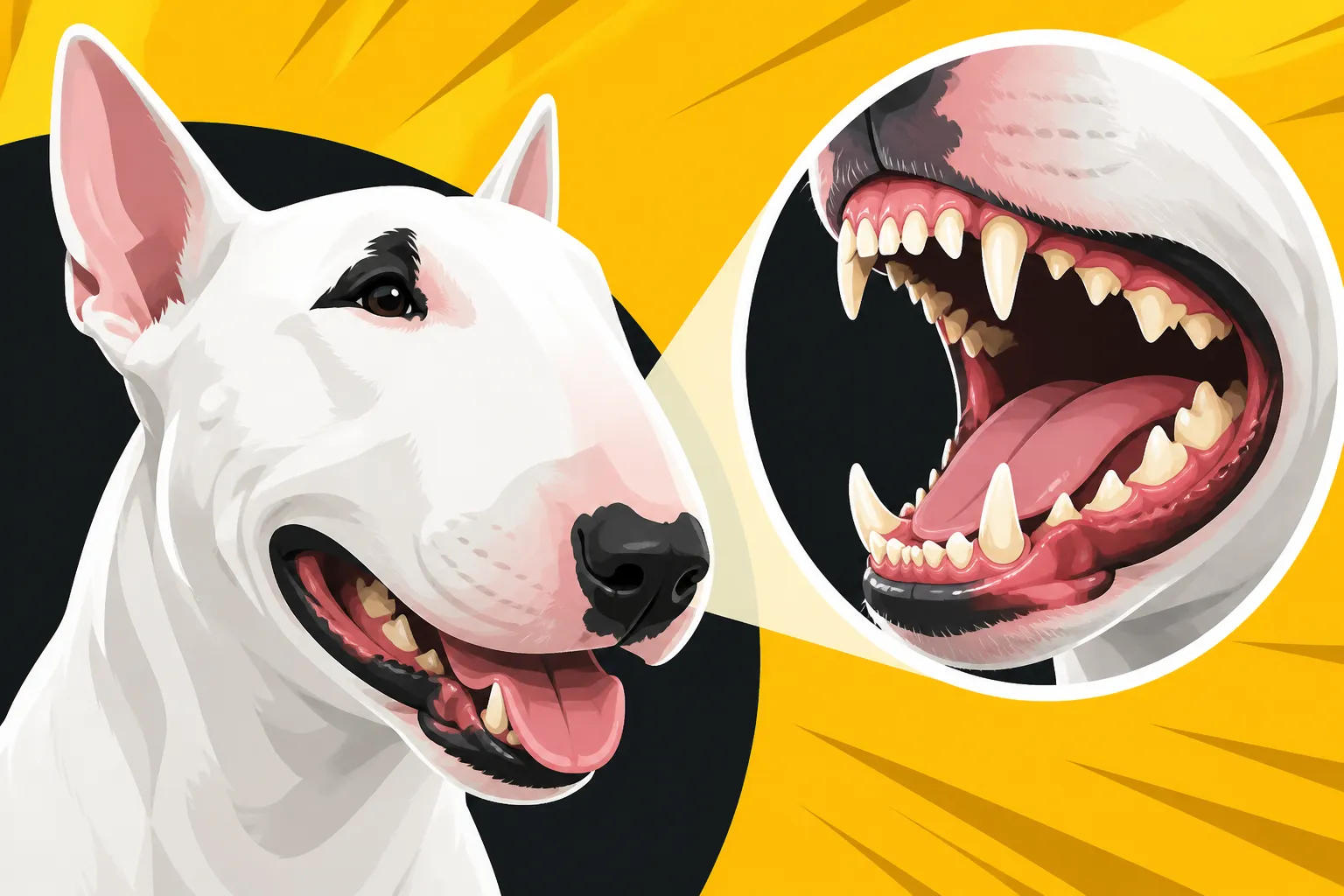
Our Bull Terriers are built like little tanks, and their jaws are no exception. They possess an incredibly strong bite force, stemming from powerful jaw muscles and a dense bone structure. This "Roman finish" or downface, characteristic of the breed, isn't just an aesthetic trait; it contributes to the alignment and function of their teeth. It allows for a scissor bite where the upper incisors just slightly overlap the lower ones, theoretically providing maximum efficiency for gripping and tearing. However, this power also means they can exert immense pressure on their teeth, leading to potential issues if not properly managed. Imagine the force applied when they enthusiastically chew on a seemingly indestructible toy – that's a lot of wear and tear over time. This unique anatomy is why it's so important to be proactive about their dental health, rather than reactive. Why a Bull Terrier's Jaw Is So Powerful explains more about this incredible feature.
Tooth Alignment and Bite Issues
While the breed standard calls for a perfect scissor bite, not every Bull Terrier hits that mark. Sometimes you'll encounter a Bull Terrier with a slightly undershot jaw, or perhaps a more level bite, where the incisors meet edge-to-edge. These variations, while not always severe, can alter how teeth wear down, creating uneven pressure points that can lead to accelerated wear, cracks, or even sensitivity. Overcrowding is another concern, especially with those forty-two permanent teeth packed into a relatively compact jaw. When teeth are too close together, it creates little nooks and crannies where food particles and plaque can easily accumulate, making them harder to clean both with brushing and even professional scaling. This can be a silent issue, progressing unnoticed until significant dental disease has taken hold, often causing discomfort your stoic Bull Terrier might be good at hiding.
The Jaw's Role in Chewing and Play
A Bull Terrier’s jaw is a central player in their daily life, from gobbling down their kibble in record time to their relentless pursuit of chewing pleasure. For many Bull Terriers, chewing isn't just a pastime; it's a deep-seated instinct, a way to relieve stress, explore their world, and simply have fun. This means their teeth and jaws are constantly at work. You've probably seen your Bull Terrier gnaw enthusiastically on a bully stick or a tough rubber toy, sometimes for hours. This constant action is both a blessing and a curse. While appropriate chewing can help naturally scrape away some plaque, incorrect or overly aggressive chewing on hard, inappropriate objects can lead to significant dental trauma. A Bull Terrier that routinely tackles items like deer antlers, real bones, or even hard nylon bones can easily chip or fracture a tooth, especially the pre-molars and molars at the back of the mouth, which bear the brunt of their powerful bite. This leads us directly into why it's so crucial to choose the right kind of toys for them, ensuring their chewing instinct is satisfied safely.
Common Dental Problems in Bull Terriers
Despite their tough exterior, Bull Terriers are susceptible to a range of dental issues, much like any other breed. However, their powerful jaws and sometimes intense chewing habits can predispose them to certain problems, making proactive care even more vital. Understanding these common ailments is the first step in prevention and early intervention.
Plaque, Tartar, and Gum Disease
This triad of trouble is by far the most widespread dental problem in dogs, and Bull Terriers are no exception. It all starts with plaque, a sticky film of bacteria, saliva, and food particles that forms on the tooth surface after eating. If plaque isn't removed daily through brushing or effective chewing, it hardens into tartar (or calculus). Tartar, with its rough surface, acts like a magnet for even more plaque and bacteria, creating a vicious cycle. Once tartar forms, it can no longer be brushed away; it requires professional scaling by a veterinarian.
The real danger comes when tartar extends beneath the gum line, leading to gingivitis – inflammation of the gums. You might notice redness, swelling, or even bleeding gums. If left unchecked, gingivitis progresses to periodontitis, a much more serious condition where the inflammation spreads to the supporting structures of the tooth, including the bone. This can lead to painful gum recession, loose teeth, and eventually, tooth loss. The bacteria from severe periodontal disease can also enter the bloodstream, traveling to other organs like the heart, kidneys, and liver, causing systemic health problems that are far more serious than just bad breath. Regular home care and professional cleanings are truly your best defense against this silent epidemic.
Fractured Teeth from Over-Enthusiastic Chewing
This is a particular concern for Bull Terrier owners. Their strong jaws and innate drive to chew mean they can make short work of many objects. While this might seem impressive, it often comes at a cost. How Often a Bull Terrier Breaks a Tooth is a topic many owners unfortunately become familiar with. Chewing on excessively hard items – rocks, ice cubes, metal, very hard bones, or even some "indestructible" nylon toys – can cause significant damage. The most common fractures are slab fractures, where a piece of the tooth, often a molar or premolar, breaks off, exposing the sensitive pulp cavity.
When the pulp is exposed, it's incredibly painful for your dog, much like a severe toothache in humans. It also creates a direct pathway for bacteria to enter the tooth, leading to infection and abscess formation. These fractures often require complex dental procedures like root canals or extractions, which are far more involved and costly than preventive care. It's a tough lesson many Bull Terrier owners learn the hard way: just because they can chew something doesn't mean they should.
Dental Abscesses and Infections
A dental abscess is a pocket of pus that forms due to a bacterial infection, typically at the root of a tooth. These are excruciatingly painful and can arise from untreated periodontal disease, where bacteria invade the pulp chamber, or more commonly in Bull Terriers, from a fractured tooth with an exposed pulp. You might not see the broken tooth directly, especially if it's a back molar, but the consequences can be stark.
An abscess can cause facial swelling, often below the eye if it’s an upper tooth, or along the jawline. Your dog might be reluctant to eat, show favoritism to one side of their mouth, or become withdrawn and lethargic. Sometimes, the abscess will rupture, draining pus into the mouth or through the skin on the face, which can provide temporary relief but doesn't resolve the underlying infection. Dental abscesses are serious and require immediate veterinary attention, often involving tooth extraction and a course of antibiotics. Ignoring them won't make them go away; it will only lead to more pain and potentially spread the infection further.
The Importance of Regular Dental Care
It's easy to dismiss dental care as just cosmetic, something for fresh breath. But for a Bull Terrier, consistent dental hygiene is absolutely foundational to their overall health and well-being. Skipping it isn't just neglecting a minor detail; it's setting them up for a cascade of problems that are both painful for them and costly for you.
Preventing Pain and Discomfort
Dogs are incredibly stoic creatures, especially Bull Terriers. They have evolved to hide signs of pain and weakness, as showing vulnerability in the wild could make them targets. This means that by the time your Bull Terrier is showing obvious signs of dental pain – like dropping food, refusing to eat hard kibble, excessive drooling, or rubbing their face – the problem is often severe and has been causing them silent discomfort for a long time. Imagine living with a constant toothache, unable to communicate your distress. That's the reality for many dogs with untreated dental disease. Regular care, both at home and professionally, aims to prevent this silent suffering. It's about ensuring your Bull Terrier can eat, chew, and play without the nagging ache of a diseased tooth or inflamed gums. It allows them to truly enjoy their food and their favorite toys, rather than dreading the pain they might bring.
Impact on Overall Health
The health of your Bull Terrier's mouth is intimately connected to the health of their entire body. This isn't just anecdotal; it's well-established veterinary science. The bacteria thriving in an infected mouth don't stay confined to the oral cavity. They can enter the bloodstream through inflamed gum tissue and travel throughout the body, setting up secondary infections or exacerbating existing conditions. The heart, kidneys, and liver are particularly vulnerable to this bacterial onslaught. Chronic inflammation from periodontal disease can also put a constant strain on the immune system, making your Bull Terrier more susceptible to other illnesses. For example, if your Bull Terrier has a pre-existing heart murmur, the introduction of oral bacteria can increase the risk of endocarditis, a serious heart infection. It's a stark reminder that a healthy mouth is a gateway to a healthy body, and neglecting one compromises the other.
Financial Costs of Neglect
Let's be real: owning a Bull Terrier isn't cheap, and veterinary care can add up quickly. While preventive dental care might seem like an added expense, it pales in comparison to the cost of treating advanced dental disease. A routine dental cleaning and oral exam under anesthesia is an investment, but it’s significantly less expensive than multiple extractions, root canals, or treating systemic infections that stem from neglected teeth. What a Bull Terrier's Dental Costs can truly be eye-opening. Consider the scenario: a yearly professional cleaning might cost X amount. However, if you skip cleanings for several years, you might be looking at a situation where your dog needs multiple painful extractions, bone grafts, or even surgery for an advanced abscess. These procedures not only come with a higher price tag but also involve more extensive anesthesia time and recovery for your beloved pet. By being proactive, you're not just saving your Bull Terrier from pain; you're also protecting your wallet from unexpected, much larger expenses down the line. It's a wise investment in their long-term health and your financial peace of mind.
At-Home Dental Care Routines
The cornerstone of good dental health for your Bull Terrier begins at home. While professional cleanings are essential, daily or near-daily care is what truly makes the biggest difference in preventing plaque and tartar buildup. It might seem daunting at first with a strong-willed Bull Terrier, but with patience and the right approach, it becomes a normal part of their routine.
Brushing Your Bull Terrier's Teeth
Yes, you can and absolutely should brush your Bull Terrier's teeth! This is the gold standard for at-home dental care. Start early with a puppy, even before all their adult teeth are in, to get them used to having their mouth handled. Use a dog-specific toothbrush (angled bristles or a finger brush can work well) and, crucially, dog-specific toothpaste. Human toothpaste contains ingredients like xylitol and fluoride that are toxic to dogs.
Begin by letting your Bull Terrier lick the toothpaste off your finger. Praise them lavishly. Then, introduce the brush, starting with just a few teeth, focusing on the outside surfaces where plaque tends to accumulate most. Over several days or weeks, gradually increase the number of teeth you brush and the duration. The goal is to brush daily, or at least every other day. Make it a positive experience with treats and praise. It’s not about scrubbing every surface perfectly; it’s about disrupting that plaque before it hardens. Consistency is key, even if it’s just a minute or two each time. Don't be discouraged if it's a bit of a wrestle at first; Bull Terriers are smart and can learn to tolerate, even enjoy, the routine with enough positive reinforcement.
Dental Wipes and Oral Rinses
If daily brushing feels impossible, or if you're working your way up to it, dental wipes and oral rinses can be a good supplementary or alternative option. Dental wipes are usually soft cloths pre-soaked with enzymatic solutions that help break down plaque and kill bacteria. You simply wrap a wipe around your finger and gently rub it over your Bull Terrier's teeth and gums. They're less effective than brushing but certainly better than doing nothing. They can be particularly useful for getting into those hard-to-reach spots or for dogs that are very resistant to a toothbrush.
Oral rinses or gels are another option. These often contain chlorhexidine or other antiseptic ingredients that help reduce bacteria in the mouth. You might apply a gel directly to the gums or use a rinse that your Bull Terrier swallows, or one that's designed to be added to their drinking water. Brands like VetriScience Perio Support or Healthymouth offer veterinary-approved solutions. While these products can help inhibit bacterial growth and reduce bad breath, they don't mechanically remove plaque and tartar like brushing does. Think of them as part of a multi-pronged approach, not a standalone solution, especially for a Bull Terrier who can quickly accumulate buildup.
Introducing Dental Chews and Water Additives
Beyond brushing, dental chews and water additives can be helpful tools in your at-home oral care arsenal. When choosing dental chews, it's vital to select options that are veterinary dental health council (VOHC) approved. This certification means they have been scientifically proven to reduce plaque and/or tartar. Look for softer, pliable chews that your Bull Terrier can actually sink their teeth into and that don't pose a fracture risk. Brands like Greenies or Oravet offer options that are designed to be chewed up, providing mechanical abrasion and delivering active ingredients. Always supervise your Bull Terrier with chews to ensure they don't try to swallow large pieces. Which Chews Are Safe for a Bull Terrier is a crucial read here.
Water additives are another easy, passive way to support oral health. These are typically flavorless liquids that you add to your Bull Terrier's drinking water, and they contain ingredients designed to reduce bacteria or break down plaque. While convenient, they are generally the least effective method for preventing significant dental disease. They are best used as an addition to brushing and dental chews, not a replacement. Again, look for VOHC-approved options for peace of mind. Remember, the goal with all these methods is consistent, daily effort to keep that Bull Terrier smile gleaming.
Professional Dental Care: What to Expect
Even with the most diligent at-home care, professional dental cleanings by a veterinarian are an absolute necessity for your Bull Terrier. Think of it like your own dental visits: you brush and floss, but you still see the hygienist for a thorough cleaning and check-up. For dogs, this process is a bit more involved, primarily because it requires anesthesia.
Routine Veterinary Check-ups and Oral Exams
Every annual wellness exam for your Bull Terrier should include a thorough oral examination by your veterinarian. This isn't just a quick peek in the mouth. Your vet will look for signs of gingivitis, tartar buildup, fractured or missing teeth, abnormal growths, and any indicators of pain or infection. They'll also assess the overall health of the gums and alignment of the teeth. This initial exam is crucial for identifying potential problems early, before they become severe.
Based on what they find, your vet might recommend a professional dental cleaning. Don't wait until your Bull Terrier has visibly brown teeth or foul breath; by then, the disease is already advanced. Ideally, professional cleanings are done proactively. During these annual visits, be sure to mention any changes you've noticed in your Bull Terrier's chewing habits, appetite, or breath. Your observations are vital clues for your vet. This consistent monitoring is key to catching issues like How Often a Bull Terrier Needs a Dental before they become emergencies.
Anesthesia-Free vs. Anesthetized Cleanings
When it comes to professional dental cleanings, you might hear about "anesthesia-free" options. It's important to understand the significant difference between these and proper anesthetized dental cleanings. Anesthesia-free cleanings typically involve a technician scaling visible plaque and tartar off the tooth surface while the dog is awake. While this might sound appealing due to avoiding anesthesia risks, it has severe limitations. It's impossible to thoroughly clean beneath the gum line, where the most damaging periodontal disease occurs, without anesthesia. It's also impossible to properly probe for pockets, take X-rays to assess bone loss and root health, or extract painful teeth. Essentially, anesthesia-free cleanings are largely cosmetic and can give a false sense of security, masking deeper problems.
A proper professional dental cleaning requires general anesthesia. This allows the veterinary team to perform a thorough oral exam, including probing gum pockets, taking full-mouth dental radiographs (X-rays) to assess the health of the tooth roots and bone beneath the gums, and scaling and polishing all tooth surfaces, both above and below the gum line. Anesthesia ensures your Bull Terrier is pain-free, still, and safe throughout the procedure. While any anesthesia carries a minimal risk, modern veterinary protocols, including pre-anesthetic bloodwork, IV fluids, and constant monitoring, make it incredibly safe. The benefits of a truly comprehensive cleaning far outweigh the minimal risks for most healthy Bull Terriers.
Advanced Dental Procedures
Sometimes, despite the best preventive efforts, your Bull Terrier might need more than a routine cleaning. This is where advanced dental procedures come into play. If your vet discovers a fractured tooth, a deep pocket, significant bone loss, or an abscess during the anesthetized cleaning and X-rays, they might recommend an extraction. Extracting a diseased tooth removes the source of pain and infection, allowing the mouth to heal. Extractions can range from simple single-rooted teeth to complex, multi-rooted molars that require surgical removal with bone reduction and sutures.
Other advanced procedures might include root canals for fractured teeth (saving the tooth rather than extracting it), or even minor oral surgeries to remove growths or repair gum defects. These procedures are typically performed by your general veterinarian if they have advanced dental training, or by a board-certified veterinary dentist if the case is particularly complex. The good news is that with proper care and attention, most of these advanced and often costly procedures can be prevented. However, if they are necessary, they are critical for alleviating pain and preserving your Bull Terrier's long-term health. Knowing What a Bull Terrier's Dental Costs will give you a good idea of the range of prices involved in different procedures.
Nutrition and Dental Health
We often think of food purely in terms of calories and nutrients, but for a Bull Terrier, diet also plays a significant, albeit often overlooked, role in their dental health. What and how they eat can either contribute to plaque buildup or help mitigate it.
The Role of Kibble vs. Wet Food
There's a long-standing debate about which type of food is "better" for dental health: kibble or wet food. The traditional argument for kibble is that its abrasive texture helps scrape plaque off teeth as the dog chews. While there's a kernel of truth to this, it's not a universal truth for all kibbles. Many standard kibbles are simply too small or too easily crushed to provide significant mechanical abrasion to all tooth surfaces, especially for a Bull Terrier who might inhale their food. How Fast a Bull Terrier Eats can be a real issue here, as they often gulp kibble with minimal chewing.
Wet food, on the other hand, provides virtually no abrasive action and its sticky consistency can even adhere to teeth, potentially increasing plaque formation. However, this doesn't mean wet food is "bad" for teeth; it just means it offers no dental benefit. The most crucial factor isn't necessarily whether the food is wet or dry, but rather the design of the food and the method of eating. If you feed wet food, or if your Bull Terrier is a kibble gulper, you must be even more diligent with other forms of dental care, like brushing and VOHC-approved chews. If you're considering a fresh food diet like Ollie, discuss its dental implications with your vet and plan for additional oral hygiene measures.
Dental Diets and Specific Formulations
Beyond regular kibble, there are prescription dental diets specifically formulated to improve oral health. These diets, often recommended by veterinarians, work in two primary ways. Some feature a unique kibble design that is larger, has a specific texture, or is engineered to not crumble easily. This encourages more thorough chewing, creating a "scrubbing" action that helps reduce plaque and tartar accumulation on the tooth surface. Think of it as a gentle daily exfoliation for their teeth.
Other dental diets incorporate ingredients that chemically prevent plaque and tartar. For example, some may contain polyphosphates that bind to calcium in the saliva, preventing it from hardening into tartar. Brands like Hill's Prescription Diet t/d, Royal Canin Dental, or Purina Pro Plan Veterinary Diets DH are examples of such specialized foods. These diets can be incredibly effective, especially for Bull Terriers prone to rapid plaque buildup, but they should be used under veterinary guidance to ensure they meet all your dog's nutritional needs. They are a powerful tool in a comprehensive dental health strategy, especially when combined with brushing and other preventive measures.
Supplements for Oral Health
While not a substitute for brushing or professional cleanings, certain supplements can offer additional support for your Bull Terrier's oral health. Many of these supplements contain ingredients aimed at reducing bacteria in the mouth, breaking down plaque, or supporting gum tissue health. Common ingredients include:
- Seaweed-based supplements: Products like ProDen PlaqueOff contain a specific type of seaweed (Ascophyllum nodosum) that, when ingested, works systemically to reduce plaque and tartar formation in the saliva. It's thought to alter the composition of saliva, making it harder for plaque to stick to teeth.
- Probiotics: Oral probiotics can help balance the bacterial flora in the mouth, suppressing the growth of harmful bacteria that contribute to plaque and gum disease.
- Antioxidants and anti-inflammatories: Ingredients like coenzyme Q10, omega-3 fatty acids, or certain plant extracts can help reduce inflammation in the gums, supporting overall periodontal health.
When considering supplements, always discuss them with your veterinarian first to ensure they are appropriate for your Bull Terrier and won't interact negatively with any other medications or health conditions. Look for products from reputable manufacturers with scientific backing. While these supplements can be a helpful adjunct, they are generally considered a "boost" to dental health, not a primary defense against severe issues.
Choosing the Right Chews and Toys
For a Bull Terrier, chewing is life. Their strong jaws demand it, their minds thrive on it, and it can even contribute to dental health – or severely compromise it. Selecting the right chews and toys is critical to satisfying their instinct without sending them to the emergency vet for a fractured tooth. The Destruction Budget Nobody Warns a Bull Terrier Owner About often includes a significant line item for finding items that truly stand up to a Bull Terrier's chewing power.
Safe and Effective Dental Chews
The market is flooded with dental chews, but not all are created equal. For your Bull Terrier, safety and effectiveness are paramount. As mentioned, look for the Veterinary Oral Health Council (VOHC) seal of acceptance. This means the product has met rigorous standards for reducing plaque, tartar, or both. These chews are typically softer and more pliable than hard bones, allowing your Bull Terrier to gnaw on them without risking tooth fractures.
Think about materials like specific rubber compounds or softer, digestible dental treats. Good examples include Greenies, Oravet Dental Chews, or some of the softer Nylabone Flexible Chews. The key is that your Bull Terrier can actually make an indentation in the chew with their thumbnail. If you can't, it's likely too hard and could damage their teeth. Always supervise your Bull Terrier with any chew to ensure they are chewing appropriately and not trying to swallow large pieces. A chew that lasts too long might be too hard, and one that's gone in 30 seconds might not offer much dental benefit (or a good return on your investment!). You can often find a good selection of VOHC-approved chews at pet retailers like Chewy or on Amazon.
Durable Toys That Clean Teeth
Beyond specific "dental chews," many durable toys can also offer some dental benefits through their design and texture. The ideal toy for a Bull Terrier is tough enough to withstand their powerful jaws but still has enough give to prevent tooth fractures. Look for toys made from strong, resilient rubber compounds. Brands like KONG (their Extreme line is a favorite among Bull Terrier owners), Goughnuts, or West Paw offer toys that are designed for aggressive chewers.
Many of these toys have nubs, ridges, or openings that can be stuffed with paste or treats, encouraging licking and gnawing, which can help clean teeth surfaces. The action of your Bull Terrier working on a KONG, trying to get every last bit of peanut butter out, provides a gentle scrubbing action to their teeth and gums. These aren't as targeted as VOHC-approved dental chews, but they certainly contribute to oral health while providing much-needed mental and physical stimulation. Remember that Which Toys Survive a Bull Terrier is a constant quest for most Bull Terrier parents, and dental health should always be a consideration.
Avoiding Dangerous Chewing Habits
This is perhaps the most critical section for Bull Terrier owners regarding chews and toys. Due to their immense jaw strength and instinctual drive to chew, Bull Terriers are prone to fracturing teeth on inappropriate items. This means a hard "no" to:
- Real bones: Cooked or raw, bones are too hard. They can splinter, cause blockages, or shatter teeth.
- Antlers: While popular, antlers are extremely hard and frequently cause slab fractures and broken teeth.
- Ice cubes: Hard and unyielding, they can fracture teeth.
- Rocks, metal, or wood: These are obviously dangerous and should never be offered as chew items.
- Nylon bones that are too hard: If you can't indent it with your thumbnail, it's too hard. Many popular nylon bones are culprits for tooth fractures.
- Cow hooves or pig ears (some types): While some are softer, many can be incredibly hard and contribute to fractures, or they can be choked on.
It's a tough line to walk, as your Bull Terrier wants to chew. But it's your responsibility to provide safe outlets for that urge. Opt for flexibility and durability over sheer hardness. A good rule of thumb: if you wouldn't hit your kneecap with it, don't give it to your Bull Terrier to chew. Be vigilant about Why a Bull Terrier Eats Things It Should Not, as this can quickly lead to dental trauma or worse.
Recognizing Signs of Dental Distress
Because Bull Terriers are so good at hiding pain, it's up to us, their dedicated humans, to be hyper-vigilant for subtle clues that something is amiss with their dental health. Early detection can mean the difference between a simple cleaning and a painful extraction or even a systemic infection.
Bad Breath and Changes in Eating Habits
One of the most common and often earliest signs of dental disease in a Bull Terrier is halitosis, or noticeably bad breath. While "dog breath" is a common phrase, genuinely foul, putrid breath is not normal; it's a clear indicator of bacterial overgrowth and infection in the mouth. It’s the smell of decay and inflammation, and it should prompt an immediate closer look.
Beyond breath, observe their eating habits. While a Bull Terrier's enthusiasm for food is usually legendary, any changes should raise a red flag. Are they suddenly slower to eat? Do they drop kibble from their mouth? Are they reluctant to chew on one side, or perhaps favoring softer foods over their usual crunchy favorites? Do they shy away when you touch their face or mouth? These are all signs they might be experiencing pain or discomfort when eating. Sometimes, they might even seem hungrier than usual but hesitate to eat, a heartbreaking display of their desire versus their pain. Don't dismiss these changes as a picky phase; investigate them with your vet. What an Adult Bull Terrier Eats and How Fast a Bull Terrier Eats are behaviors worth monitoring for subtle shifts.
Visible Damage or Discomfort
While Bull Terriers are masters of stoicism, sometimes the signs are more visibly obvious if you know where to look. Take the time to regularly lift their lips and examine their teeth and gums. Look for:
- Red, swollen, or bleeding gums: This is gingivitis, the early stage of gum disease. Healthy gums should be pink and tight around the teeth.
- Tartar buildup: Hard, yellowish-brown deposits on the teeth, especially near the gum line. This can no longer be brushed off.
- Fractured, chipped, or broken teeth: Inspect all teeth, front and back. Even a small chip can expose sensitive dentin. A fractured molar might look like a black or brown spot in the center of the tooth, indicating exposed pulp.
- Missing teeth: While some dogs might naturally lose teeth due to age or trauma, multiple missing teeth, especially in younger dogs, can signal advanced disease.
- Swelling on the face, jaw, or under the eye: This is a strong indicator of a dental abscess, often stemming from an infected tooth root.
- Excessive drooling: While some Bull Terriers are naturally drooly, an increase in drooling, especially if combined with other signs, can indicate oral pain.
Any of these visible signs warrant an immediate veterinary appointment. Don't wait for your Bull Terrier to be screaming in pain; by then, the problem is likely severe and much harder to treat.
Behavioral Clues Your Bull Terrier Is in Pain
Beyond eating changes and visible signs, your Bull Terrier's general behavior can offer critical clues about dental distress. Their normally boisterous, clownish demeanor might shift. Look for:
- Reluctance to play: If they normally love tug-of-war or chewing on their toys, and they suddenly lose interest, it could be due to oral pain.
- Face rubbing or pawing at the mouth: Your Bull Terrier might frequently rub their face on the carpet or furniture, or paw at their mouth, trying to alleviate discomfort.
- Changes in temperament: Pain can make even the sweetest Bull Terrier grumpy, irritable, or withdrawn. They might be less tolerant of being handled, especially around their head.
- Excessive licking: Some dogs will obsessively lick their lips or the inside of their mouth if they're experiencing discomfort.
- Vocalization: In rare, severe cases, your Bull Terrier might whine or yelp when eating or when their mouth is touched.
These behavioral changes are your Bull Terrier's way of telling you they're hurting, even if they can't explicitly say it. Trust your gut; you know your dog best. If something feels "off," particularly when combined with any of the other dental warning signs, it's time to call your veterinarian. Addressing these issues promptly not only saves them from prolonged suffering but can also prevent more severe, systemic health problems down the road.
| Dental Care Aspect | Description | Importance for Bull Terriers | Recommended Frequency |
|---|---|---|---|
| At-Home Brushing | Mechanical removal of plaque from tooth surfaces using a dog-specific toothbrush and toothpaste. | Essential for preventing plaque hardening into tartar, especially with their powerful chewing habits that can cause rapid buildup. | Daily to every other day, ideally. |
| Dental Chews/Toys | VOHC-approved chews and durable rubber toys designed to provide abrasive action and stimulation, helping to reduce plaque and satisfy chewing instincts safely. | Crucial for channeling their strong chewing drive safely, preventing tooth fractures, and providing a supplemental cleaning action. Refer to Which Chews Are Safe for a Bull Terrier. | Daily for chews; continuous access to safe, durable toys. |
| Oral Rinses/Additives | Liquid solutions added to water or applied directly to gums, containing antiseptic or plaque-reducing ingredients. | Supplementary aid to reduce bacteria and freshen breath; less effective than brushing but provides some benefit. | Daily, as per product instructions. |
| Veterinary Oral Exam | Visual inspection of teeth, gums, and oral cavity by a veterinarian during routine check-ups. | Identifies early signs of gingivitis, tartar, fractures, and other issues that might be missed at home. | Annually, or more frequently if concerns arise. |
| Professional Cleaning | Full anesthetized procedure including thorough scaling (above and below gum line), polishing, probing for pockets, and full-mouth dental X-rays. | The only way to remove hardened tartar, address subgingival disease, assess root health, and treat painful conditions. See How Often a Bull Terrier Needs a Dental. | Annually for most dogs; more often for those prone to disease. |
| Fracture Prevention | Avoiding excessively hard chew items (bones, antlers, ice, hard nylon bones) to prevent tooth breaks. | Paramount due to Bull Terriers' strong jaws and high risk of fracturing molars. How Often a Bull Terrier Breaks a Tooth is a real concern. | Ongoing vigilance with all chew items. |
Disclaimer
This article is for general informational purposes only and does not constitute professional advice. Laws, prices and regulations vary by location and change over time. Consult a qualified professional for guidance on your specific situation.