What the Bull and Terrier Was
You often hear people talk about "Bull Terriers," but sometimes you'll encounter the term "Bull and Terrier," and it can be a little confusing. Are they the same thing? Is it just old-fashioned language? As a long-time Bull Terrier enthusiast, I can tell you it's not just semantics; understanding the "Bull and Terrier" concept is crucial for grasping the true origins and foundational spirit of our beloved egg-headed companions. This guide will dive deep into what these dogs truly were, how they came about, and their lasting legacy on the breeds we know today.
The Dawn of the Bull and Terrier Type
To truly understand our modern Bull Terriers, we have to journey back in time, far before the pristine show rings and breed standards we're familiar with today. We're talking about a period in history when dogs weren't just pets but essential working animals, often bred for very specific, sometimes brutal, tasks. This is where the concept of the "Bull and Terrier" emerges, not as a single, uniform breed, but as a type of dog born out of a very practical and often harsh necessity.
A Legacy Born from Necessity
Imagine the industrializing cities and rural landscapes of 18th and 19th-century Britain. Life was tough, and so were the dogs. People needed animals that could control vermin, protect property, and, unfortunately, provide entertainment through blood sports like bull-baiting and dog fighting. The existing breeds, while specialized, often lacked the full spectrum of traits desired for these roles. Bulldogs, for instance, were incredibly powerful and tenacious, perfect for holding a bull, but perhaps not agile enough for catching rats or quick enough in a dog pit. Terriers, on the other hand, were fearless, quick, and expert vermin hunters, but might lack the sheer physical power to stand up to larger animals or other dogs in combat.
The necessity wasn't just about entertainment; it was deeply ingrained in the culture of the time. Towns and villages often had issues with rats and other pests, and a good vermin dog was invaluable. Farmers needed dogs to protect livestock, and even working-class families benefited from a dog that could be a companion but also a deterrent to intruders. This blend of needs drove the informal breeding practices that led to the "Bull and Terrier" type, emphasizing function over aesthetics in a way that modern breeding often doesn't.
Bulldog and Terrier Crosses
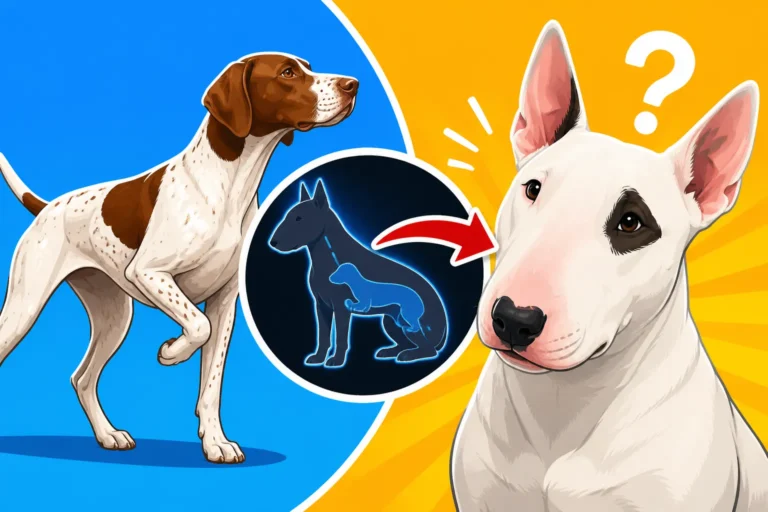
So, what exactly was a Bull and Terrier? It was precisely what its name implies: a cross between the Old English Bulldog and various types of terriers. This wasn't a formal process with stud books and pedigrees as we understand them now. Instead, it was an organic, trial-and-error approach by individuals looking to combine the best qualities of two distinct canine groups. The Old English Bulldog, a formidable animal by all accounts, provided immense strength, a powerful bite, and unparalleled tenacity. These were dogs built low to the ground, with wide chests and strong jaws, capable of holding onto large animals for extended periods.
Then came the terriers. Different regional terriers contributed their own unique attributes. There were dogs like the Black and Tan Terrier (a precursor to today's Manchester Terrier), the White English Terrier (now extinct), and others. These terriers brought agility, speed, a high prey drive, and that characteristic "gameness"—a relentless, never-say-die attitude that made them incredibly effective against vermin and formidable opponents in the pit. The goal was to create a dog that had the Bulldog's power and grip, combined with the terrier's quickness, intelligence, and relentless drive. It was a potent combination, yielding a dog that was often smaller and more athletic than the Bulldog, but far more powerful and determined than most terriers of the era.
Form and Function: What Defined the Early Bull and Terrier
When we talk about the Bull and Terrier, we're discussing a dog whose very existence was dictated by its utility. Every physical trait and every aspect of its temperament was forged in the crucible of its working purpose. These weren't dogs bred for dainty paws or a plush coat; they were engineered for performance in an unforgiving world.
The Physical Prowess: Power, Agility, and Bite
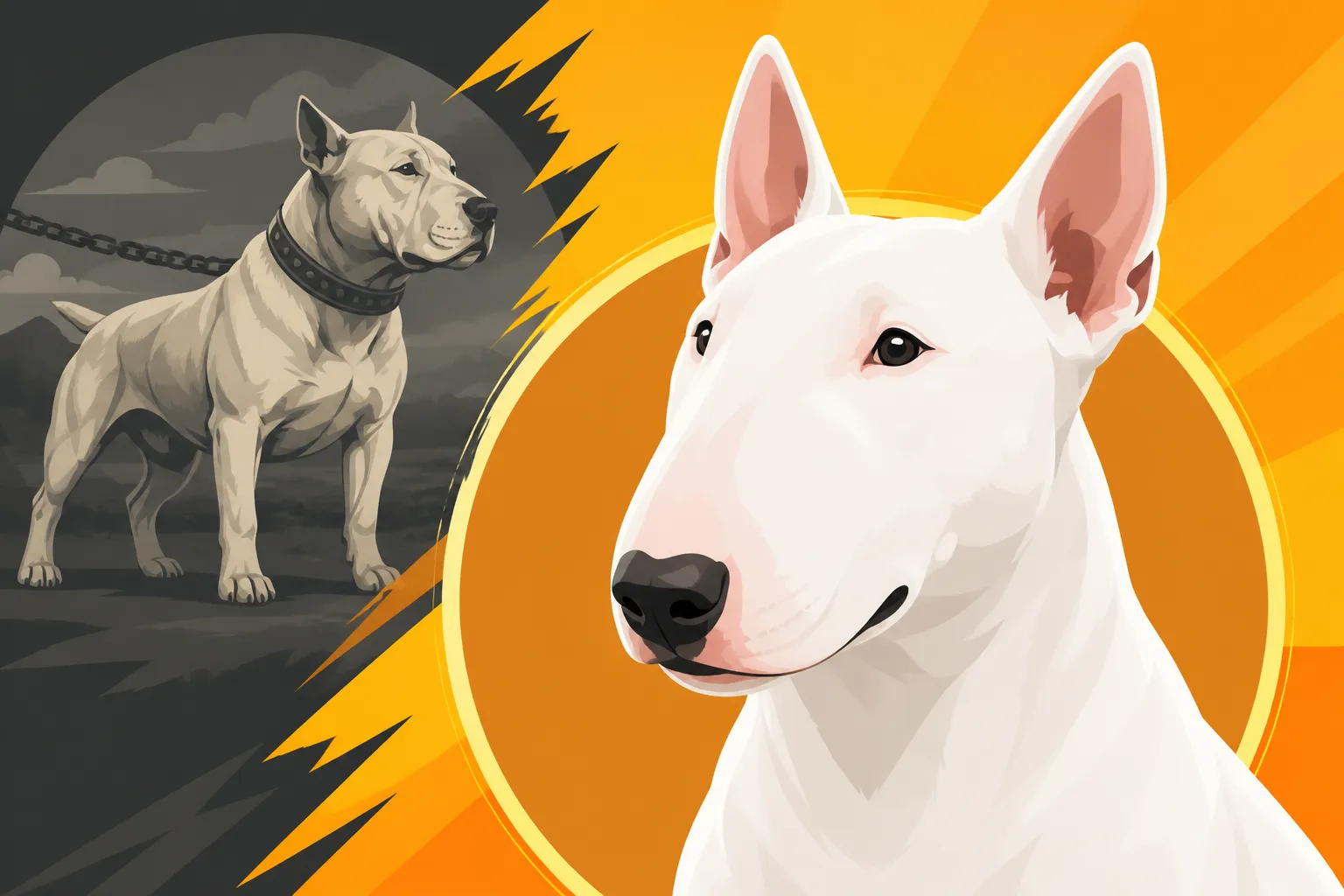
The early Bull and Terrier type was a masterclass in functional design, blending the raw power of the Bulldog with the nimble quickness of the terrier. Physically, they were stout, muscular dogs, built like little tanks. They had broad heads, strong necks, and incredibly powerful jaws – a direct inheritance from their Bulldog ancestors. Their bite force was legendary, crucial for holding onto prey or opponents. Unlike the more specialized Bulldogs, however, the Bull and Terrier had a more athletic build. They possessed longer legs than the squat Bulldog, allowing for greater speed and agility, which was essential for chasing rats in tight spaces or maneuvering in a fighting pit. Their coats were typically short and dense, easy to maintain, and offering some protection without impeding movement.
Think about the sheer versatility required: one moment, they might be cornering a badger, the next, engaging in a dog fight, and then perhaps moving on to a rat pit. This required a robust constitution, incredible stamina, and a body that could withstand significant physical stress. They were often described as possessing a "gladiator-like" physique – compact, muscular, and incredibly tough. Their powerful build and distinctive appearance quickly made them recognizable, even though there wasn't a strict breed standard defining them. They were dogs that simply looked like they meant business.
The Unyielding Spirit: Tenacity and Courage
Beyond their physical attributes, the defining characteristic of the Bull and Terrier was undoubtedly its temperament, specifically its unparalleled tenacity and courage. These dogs were bred to be "game," a term that, in that era, meant an unwavering willingness to continue fighting or working, regardless of pain or disadvantage. This wasn't just about aggression; it was about an indomitable spirit, a refusal to give up. They were fearless, often taking on animals much larger than themselves with fierce determination.
This courage wasn't always channeled into aggression towards humans; in fact, many accounts suggest these dogs were fiercely loyal to their owners and often quite amenable to people outside of their working context. However, when it came to their designated tasks, whether it was tackling a bull, dispatching rats, or facing another dog in a pit, their switch flipped. They displayed an intense focus and drive, often to the point of ignoring their own injuries. This unwavering spirit made them invaluable to their working-class owners but also contributed to the fearsome reputation that would follow their descendants for generations. It's a trait that, in a domesticated and properly socialized form, we still see glimpses of in the boundless energy and determination of our modern Bull Terriers when they set their minds to something, whether it's chasing a ball or getting to the bottom of a particularly interesting scent.
The Role of the Bull and Terrier in Society
It’s easy to focus on the more sensational aspects of the Bull and Terrier’s history, but their role in society was far more diverse and deeply ingrained than just blood sports. These were truly multi-purpose dogs, essential to the lives of many working-class people, providing protection, pest control, and companionship.
Beyond the Pit: Ratting, Hunting, and Guarding
While often associated with dog fighting, the Bull and Terrier type performed numerous other vital functions. Ratting, for example, was a huge issue in burgeoning cities. Rats not only destroyed food stores but also spread disease. A proficient ratting dog was an absolute necessity, and the Bull and Terrier excelled at it. Their combination of speed, power, and high prey drive made them incredibly efficient at clearing out vermin infestations. Imagine the scene in a pub yard or a warehouse, where bets were placed on how many rats a dog could kill in a given time – this was a common spectacle, and the Bull and Terrier was often the star.
Beyond rats, these dogs were also used for hunting smaller game, protecting property from poachers or intruders, and even herding. Their tenacity, combined with their loyalty, made them excellent watchdogs. They weren't just brute force; they were intelligent and adaptable, capable of understanding and performing various tasks for their owners. The pit was just one arena for their talents; their everyday utility cemented their place in households and communities.
A Companion to the Working Class
Despite their tough exterior and often dangerous jobs, the Bull and Terrier was also a cherished companion, particularly among the working classes. In an era when many families lived in cramped conditions and faced economic hardship, a dog wasn't just a luxury; it was often a working partner and a loyal member of the family. These dogs lived in close quarters with their humans, sharing meager meals and sleeping by the fire. This close contact fostered an incredible bond and a deep sense of loyalty.
For many, their Bull and Terrier was more than just a dog; it was a source of pride, a protector, and a friend. Stories abound of these dogs accompanying their owners to markets, mines, or factories, always by their side. They were often remarkably good-natured with their own families, displaying a playful and affectionate side that belied their fierce working reputation. This dual nature – formidable worker and loving companion – is a hallmark we still see in Bull Terriers today, a testament to their deep roots as family dogs, even when their primary purpose was more rugged. This close bond also explains why early owners would go to such lengths to feed their dogs the best they could afford, sometimes even making their own nutritious mixes, or seeking out robust, high-quality dog food at a trusted retailer like Chewy today.
The Evolution Towards Modern Breeds
The "Bull and Terrier" wasn't a static entity; it was a dynamic type that continued to evolve, eventually giving rise to several distinct breeds we recognize today. The shift from informal working type to recognized breed was influenced by changing societal norms, the outlawing of blood sports, and the emergence of dog shows and formalized breeding practices.
Divergence and Specialization: The Rise of Distinct Breeds
As the 19th century progressed, public sentiment began to turn against cruel blood sports. Laws were enacted to prohibit practices like bull-baiting and dog fighting, which, while not immediately eradicating them, certainly pushed them underground and reduced the demand for dogs specifically bred for such brutality. This societal shift, combined with a growing interest in dog fancying and selective breeding for specific aesthetics and temperaments, led to the divergence of the original Bull and Terrier type into various specialized lines.
Breeders began to refine these crosses, sometimes emphasizing certain physical traits, other times focusing on specific temperamental qualities that aligned with new roles or tastes. Some lines were bred to be even more agile and compact for ratting, while others were developed for a more uniform appearance suitable for the emerging dog shows. This period was a melting pot of canine genetics, where different individuals and groups pursued their own visions for the "ideal" dog, slowly but surely creating the foundations for distinct breeds.
The Hinks' White Cavalier: The Birth of the Modern Bull Terrier
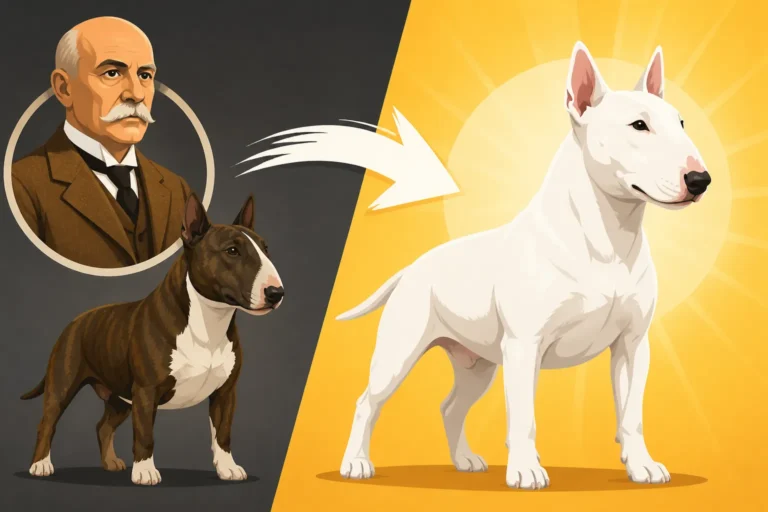
One of the most pivotal figures in this evolution was James Hinks of Birmingham, England, in the 1860s. Hinks took the existing Bull and Terrier type and set out to refine it, aiming for a dog that was not only powerful but also elegant and aristocratic in appearance. His vision was to create a "White Cavalier" – a dog that possessed the courage and tenacity of its ancestors but was refined, handsome, and, importantly, all white. He famously crossed the old Bull and Terrier with the now-extinct English White Terrier and possibly even the Dalmatian for elegance and a clean, muscular physique.
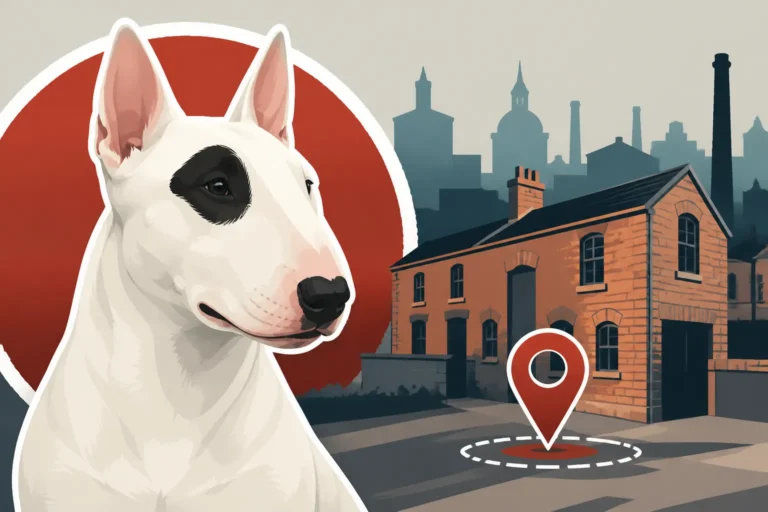
The result was the progenitor of our modern Bull Terrier, a dog that was distinctively different from the rough-and-tumble Bull and Terriers of old. Hinks' dogs were presented not as fighting machines, but as gentlemen's companions – loyal, courageous, and strikingly beautiful. The breed quickly gained popularity among the gentry and became a symbol of fashionable sporting dogs. It’s a fascinating story of how a specific vision transformed a utilitarian working dog into a recognized, distinct breed. James Hinks Built the Bull Terrier in Birmingham in the 1860s delves deeper into his influence.
Other Descendants: Staffordshire Bull Terriers, Pit Bulls, and More
While Hinks was busy creating his White Cavalier, other lines of the Bull and Terrier type were also being developed, often with different goals in mind. In the Black Country region of England, the "Staffordshire Bull Terrier" emerged, retaining more of the original, robust, working-class Bull and Terrier characteristics. These dogs were bred for agility, strength, and gameness, but also for their devotion to family, earning them the nickname "Nanny Dog." They were, and still are, highly valued for their compact power and affable nature with people. How a Bull Terrier Differs From a Staffordshire Bull Terrier offers a good comparison.
Across the Atlantic, immigrants brought their Bull and Terrier type dogs to America, where they continued to be bred for their working abilities, often in less formalized environments. This eventually led to the development of breeds like the American Pit Bull Terrier and the American Staffordshire Terrier. These breeds share a common ancestry with the Bull Terrier and Staffordshire Bull Terrier, all stemming from that foundational Bull and Terrier stock, but they evolved along different paths, influenced by distinct environments and breeding priorities.
| Bull and Terrier Derivative | Key Characteristics | Primary Focus |
|---|---|---|
| Bull Terrier (Hinks Type) | All white (initially), elegant, egg-shaped head | Gentleman's companion, aesthetics |
| Staffordshire Bull Terrier | Compact, strong, agile, deep devotion to family | Working ability, family companion |
| American Pit Bull Terrier | Athletic, powerful, versatile, high drive | Working dog (various), family companion |
| American Staffordshire Terrier | Muscular, confident, stockier build | Show ring, family companion |
This table illustrates how the initial "Bull and Terrier" type branched out, each path leading to a unique and beloved breed, yet all sharing that deep, tenacious historical root.
Understanding the Legacy of the Bull and Terrier Today
The historical context of the Bull and Terrier is not just a dusty chapter in dog history; it profoundly influences how these breeds are perceived and understood today. Many of the characteristics, both positive and negative, that people associate with modern Bull Terriers, Staffordshire Bull Terriers, and American Pit Bull Terriers stem directly from this shared heritage.
Overcoming Misconceptions: Addressing Modern Biases
Because of their origins in blood sports, modern Bull and Terrier-derived breeds often face unfair stereotypes and misconceptions. People sometimes equate their historical "gameness" with inherent aggression towards humans or other animals, leading to breed-specific legislation and unwarranted fear. This is a struggle many owners, myself included, have to navigate constantly. It's vital to remember that the original Bull and Terriers were selectively bred for specific traits – tenacity in a fight, yes, but also a deep loyalty to their human handlers. The idea of a dog that was "game" in the pit but trustworthy with its family was paramount.
The challenge today is to educate the public about the difference between a historical working type and a modern, selectively bred companion animal. While remnants of their ancestral drive and strength certainly exist, responsible breeding practices over generations have focused on temperament, trainability, and suitability as family pets. Early socialization, consistent training, and understanding breed-specific needs are far more important than any historical shadow. Owners of these breeds often find themselves ambassadors, constantly proving that their dogs are loving, gentle, and well-behaved members of society. What People Get Wrong About the Bull Terrier discusses this further.
The Enduring Traits: What Qualities Remain
Despite the evolution and refinement, many of the core qualities that defined the original Bull and Terrier type are still present in their modern descendants, albeit channeled and expressed differently. That unwavering courage and tenacity, for instance, now manifest as boundless enthusiasm for play, incredible determination in learning tricks, or an unshakeable loyalty to their family. They are still dogs with a strong will and a powerful physical presence, requiring consistent training and appropriate outlets for their energy. If you're looking for durable toys for a dog with this kind of drive, I've found that sites like Chewy offer a fantastic selection of "tough chewer" options.
The intelligence and adaptability that made them successful multi-purpose working dogs are still very much a part of their genetic makeup. They are often quick learners, though their famous stubbornness can certainly make training an interesting challenge! Their playful, clownish nature, particularly evident in the Bull Terrier, can be seen as a delightful manifestation of their deeply affectionate and people-oriented side, a trait undoubtedly honed by generations of living in close companionship with their working-class families. Understanding this rich history allows us to appreciate the depth and complexity of these wonderful dogs, respecting their past while embracing their present as cherished members of our homes.
Disclaimer
This article is for general informational purposes only and does not constitute professional advice. Laws, prices and regulations vary by location and change over time. Consult a qualified professional for guidance on your specific situation.