The Age Bull Terrier Tail Chasing Starts
Watching your beloved Bull Terrier suddenly start chasing their tail, not just in a playful puppy burst, but with an almost frantic, repetitive intensity, can be incredibly unsettling. It's a common worry for many Bull Terrier owners, especially when this behavior transitions from a brief moment of silliness to a persistent, concerning pattern. This guide will delve deep into The Age Bull Terrier Tail Chasing Starts, exploring when you can typically expect this unique behavior to emerge, what it might mean, and crucially, what steps you can take to help your quirky companion.
The Peculiar Onset of Bull Terrier Tail Chasing
Bull Terriers are renowned for their distinctive personalities and endearing quirks, but tail chasing, often referred to as "spinning" in the breed community, stands out as one of the most enigmatic behaviors. Unlike a momentary swat at their tail during play, this is a dedicated, often self-rewarding, and sometimes compulsive activity that can leave owners perplexed and concerned. Understanding when this behavior typically makes its debut is the first step in addressing it effectively.
When Does the Behavior Typically Begin?
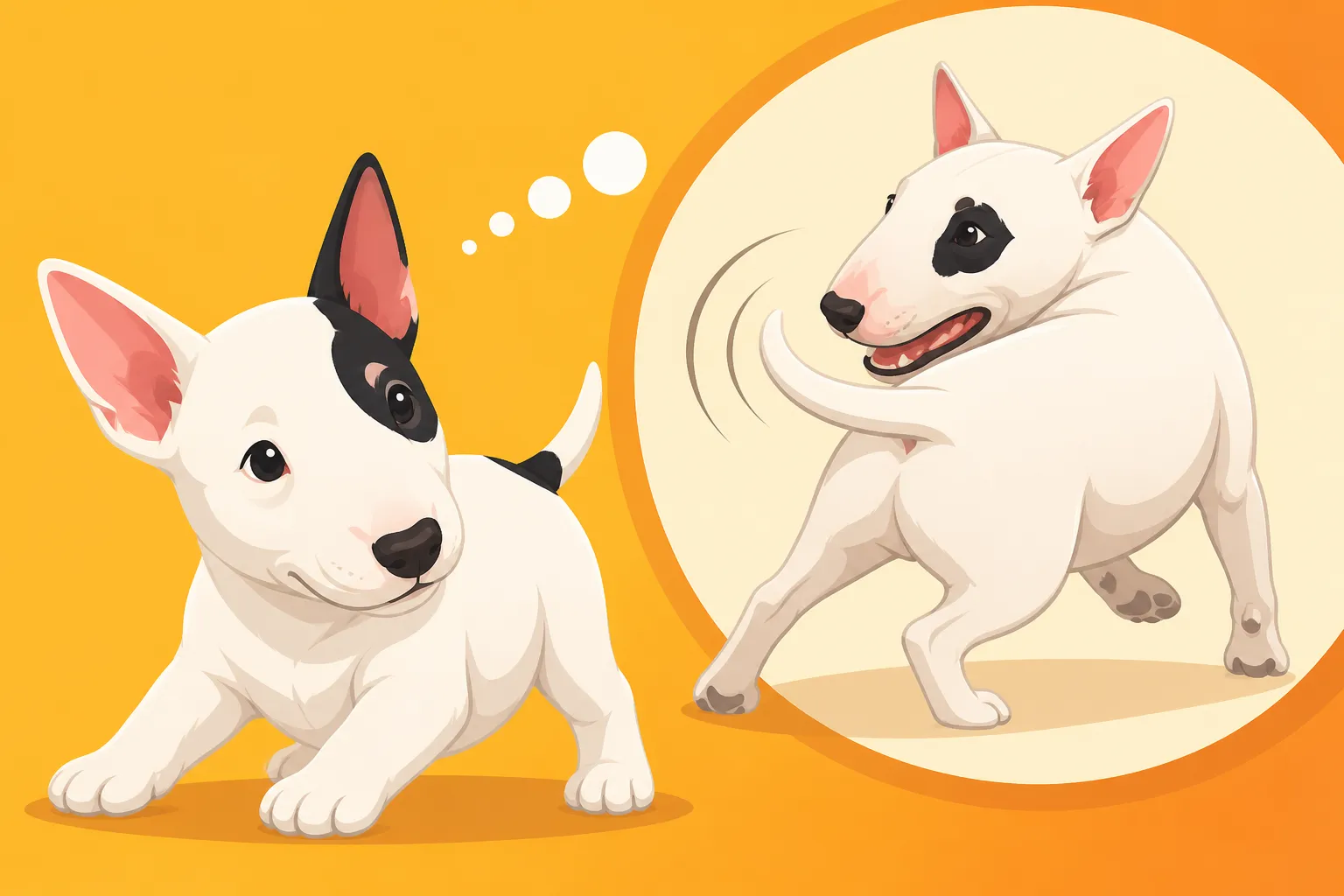
For most Bull Terriers, the onset of persistent, seemingly compulsive tail chasing isn't usually observed in very young puppies. While all puppies might briefly chase their tails as part of exploration and play, the more concerning, repetitive spinning behavior typically manifests as they transition into adolescence and early adulthood. You'll often see this behavior begin to solidify between 6 months and 3 years of age. It's not a sudden switch, but rather a gradual intensification of what might start as occasional, seemingly innocent chasing.
One common scenario involves a young Bull Terrier who, around 8-12 months old, might start spinning enthusiastically a couple of times a day when excited or under-stimulated. As they mature, if not addressed, these episodes can become more frequent, longer, and harder to interrupt. It's as if a switch is slowly flipped, and the occasional playful spin transforms into a ritualized sequence. For instance, an owner might notice their year-old Bull Terrier suddenly dropping into a tight circle, snapping at its tail, whenever a new visitor arrives or when dinner is being prepared. This age range is critical because it's when their brains are still developing, making early intervention potentially more impactful.
Early Signs and Subtle Shifts
Before full-blown, undeniable tail chasing takes hold, there are often subtle cues that something more than typical puppy play is brewing. You might observe your Bull Terrier developing a fixation on shadows, lights, or even their own reflection, which can be an early indicator of a propensity for compulsive behaviors. Another sign could be an unusually intense reaction to movement at their periphery, causing them to suddenly dart and try to "catch" it, even if it's their own tail flicking into view. These aren't always immediate red flags, but in the context of a breed known for this specific behavior, they warrant careful observation.
Consider a six-month-old Bull Terrier puppy who frequently attempts to "catch" sunlight reflections dancing across the floor or spends extended periods staring intently at a wall, a phenomenon sometimes called "trancing." While trancing is often considered a benign, breed-specific quirk, a strong predisposition to fixation can sometimes precede more active compulsive behaviors like tail chasing. You might notice these moments of intense focus increase, and then, almost imperceptibly, the focus shifts to their own tail. It's a shift from general environmental fixation to self-directed, repetitive motion. Recognizing these subtle shifts allows you to consider proactive enrichment strategies or discussions with your vet sooner rather than later.
Differentiating True Compulsion from Play and Other Issues
When a Bull Terrier starts chasing its tail, the immediate question for any owner is whether it's normal behavior, simple boredom, or something more serious. It's vital to differentiate between an amusing, fleeting moment of play and a potentially problematic compulsive disorder. The distinction often lies in the intensity, duration, ease of interruption, and the dog's overall demeanor during the activity.
Is it Just a Quirky Bull Terrier Trait?
Bull Terriers are indeed known for their comical antics and distinctive behaviors, and a playful tail chase might seem to fit right into that mold. However, there's a significant difference between a quick, happy swirl after their tail and the intense, repetitive, almost trance-like state seen in compulsive spinning. A playful chase is usually easily interrupted by a verbal cue, a favorite toy, or a treat. The dog breaks off, wags its tail, and moves on. This is often just a sign of a high-energy dog exploring its body and environment.
However, if your Bull Terrier is spinning for minutes at a time, seemingly oblivious to your attempts to get their attention, or if they growl or snap when you try to physically stop them, it's far beyond playful. This is the difference between your Bull Terrier being a "clown" and potentially exhibiting a behavioral issue. Many owners initially dismiss it, thinking, "Oh, that's just Fido being a Bull Terrier!" but then realize the behavior is escalating and becoming harder to manage. This persistent behavior, especially when it impedes their normal interaction or causes physical harm, is when you need to dig deeper. It's often a sign that the dog is struggling to cope with internal or external stressors. For more insight, you might want to read about Why a Bull Terrier Chases Its Tail.
Ruling Out Medical and Neurological Causes
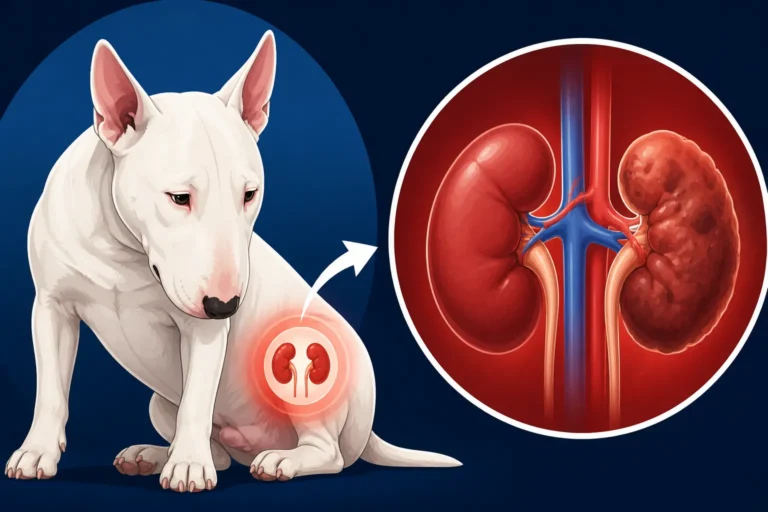
Before labeling any tail chasing as purely behavioral, it is absolutely critical to rule out underlying medical or neurological conditions. Dogs, especially Bull Terriers, can be surprisingly stoic about pain, and what looks like a behavioral quirk could actually be a symptom of discomfort or a seizure disorder. Conditions such as pain in the tail or hindquarters (e.g., an injury, arthritis), anal gland issues, or even skin irritations like allergies or fleas can cause a dog to fixate on and chase its tail.
More seriously, tail chasing can sometimes be an atypical manifestation of a focal seizure or other neurological issues. This is why a thorough veterinary check-up is paramount. Your vet will perform a physical exam, looking for any signs of pain or irritation, and might recommend diagnostic tests to rule out neurological problems. For instance, a Bull Terrier might exhibit tail chasing that is actually a form of partial seizure, where the dog appears to be "stuck" in a repetitive motion. This is a common concern among owners, and it's important to understand Whether Bull Terrier Tail Chasing Is a Seizure and How a Bull Terrier Seizure Differs From a Spin. A good vet will take a detailed history, asking about the frequency, duration, and triggers of the chasing episodes, as well as any other behavioral changes. This initial veterinary assessment is non-negotiable for any Bull Terrier owner noticing the onset of this behavior.
Strategies for Managing Emerging Tail Chasing
Once you've identified that your Bull Terrier's tail chasing is a pattern, and especially after ruling out any direct medical causes, it's time to implement management strategies. This usually involves a multi-pronged approach combining environmental changes, enrichment, and professional behavioral guidance. The goal is to reduce the triggers, redirect the behavior, and ultimately, help your Bull Terrier find healthier outlets for their energy and mental stimulation.
Environmental Management and Enrichment
A common thread in compulsive behaviors is a lack of appropriate mental and physical stimulation, or exposure to chronic stress. Bull Terriers are intelligent, high-energy dogs, and without sufficient outlets, they can turn their energy inward. Environmental management means structuring your dog's world to minimize triggers and maximize positive engagement. This could involve ensuring they get consistent, rigorous exercise daily, beyond just a walk around the block. Think structured playtime, flirt pole sessions, or even canine sports.
Enrichment is equally crucial. This means providing activities that stimulate their minds and allow them to express natural behaviors in constructive ways. Puzzle toys that dispense treats, long-lasting chews like Kongs filled with frozen peanut butter, or scent work games can be incredibly effective. Instead of leaving your Bull Terrier with nothing to do, offer them a rotation of engaging activities that require thought and effort. For example, if your dog tends to spin when you're busy, giving them a challenging chew or a snuffle mat full of kibble can preempt the unwanted behavior. Understanding What Enrichment a Spinning Bull Terrier Needs can provide more ideas. It's about proactive prevention rather than reactive correction.
The Role of Veterinary Consultation and Behavioral Support
After an initial physical exam to rule out medical issues, your veterinarian can provide a referral to a veterinary behaviorist or a certified professional dog trainer with experience in compulsive disorders. These specialists have the expertise to assess the specific nuances of your Bull Terrier's behavior, identify potential triggers, and develop a tailored behavior modification plan. This isn't just about training out a bad habit; it's about understanding the underlying anxiety or compulsion. They can teach you techniques for interruption, redirection, and how to reinforce alternative, calm behaviors.
This specialist might suggest a functional assessment, where they observe your Bull Terrier in different scenarios to pinpoint what exactly sets off the chasing. They'll also help you understand your dog's body language and stress signals. For instance, if your Bull Terrier starts lip-licking or yawning excessively before a spinning episode, these are cues that you can intervene before the behavior takes hold. This personalized guidance is invaluable. When you're looking at diagnostics or long-term medication, having a robust pet insurance plan can be a lifesaver. Companies like Healthy Paws often cover a good portion of diagnostic testing and prescriptions, which can significantly ease the financial burden. Getting professional help early can prevent the behavior from becoming deeply ingrained and much harder to modify.
Supporting Your Bull Terrier Through a Chasing Diagnosis
Receiving a diagnosis of a compulsive disorder or even chronic, stress-induced tail chasing can feel overwhelming. It's not a quick fix, and it requires commitment, consistency, and a deep understanding of your Bull Terrier's needs. However, with the right support and strategies, many Bull Terriers can lead full, happy lives with significantly reduced spinning episodes.
Understanding Long-Term Treatment Options
For Bull Terriers with severe or deeply ingrained compulsive tail chasing, behavioral modification and environmental enrichment alone might not be enough. In such cases, your veterinary behaviorist might recommend medication as part of a comprehensive treatment plan. These medications, often anti-anxiety or antidepressant drugs, are not a "cure-all" but can help to lower your dog's overall anxiety levels, making them more receptive to behavioral training and less prone to compulsive urges. It’s about adjusting brain chemistry to create a window where behavioral interventions can be truly effective.
It's important to remember that medication is rarely prescribed in isolation. It works best when combined with the environmental and behavioral strategies we've discussed. Finding the right medication and dosage can take time, requiring patience and close communication with your vet. For instance, a Bull Terrier might be started on a low dose of an SSRI (selective serotonin reuptake inhibitor), and then gradually adjusted based on their response. You might find more specific information on Which Medication Stops a Bull Terrier Spinning. Many owners find that investing in pet insurance early, perhaps with a provider like Healthy Paws, helps cushion the blow of unexpected medical costs, including specialist consultations for complex behavioral conditions and long-term prescriptions.
The Importance of Consistency and Patience
Managing a Bull Terrier with a compulsive tail chasing disorder is a marathon, not a sprint. Consistency is key in every aspect of the management plan. This means consistently providing appropriate exercise, consistently offering enriching activities, and consistently applying the behavioral modification techniques taught by your specialist. Any inconsistency can undermine progress and make it harder for your Bull Terrier to learn new coping mechanisms. It’s like trying to learn a new language by only practicing once a week; the progress will be slow and frustrating.
Patience, above all, is vital. You will have good days and bad days. There will be setbacks, and some days it might feel like you're not making any progress at all. But celebrating small victories, like a shorter spinning episode or a successful redirection, is important. Remember, your Bull Terrier isn't choosing to do this; they are struggling with an internal drive that needs careful, empathetic management. Long-term support, understanding their individual triggers (like What Sets Off a Bull Terrier's Spinning), and adapting your approach as needed will be crucial. Ongoing management, whether it's through specialized diets, supplements, or behaviorist consultations, can add up. It's situations like these where the financial support from a pet insurance policy, such as those offered by Healthy Paws, truly makes a difference.
Here's a quick overview of key points regarding tail chasing onset and management:
| Aspect | Description |
|---|---|
| Typical Onset Age | Generally between 6 months and 3 years, as the Bull Terrier enters adolescence and early adulthood. |
| Early Signs | Fixation on lights/shadows, wall gazing (trancing), increased reactivity to peripheral movement, occasional brief tail swatting that becomes more frequent. |
| Differentiating Play | Playful chasing is brief, easily interrupted, and the dog is responsive. Compulsive chasing is prolonged, intense, hard to interrupt, and the dog may seem "zoned out" or react negatively to interruption. |
| Medical Rule-Outs | Crucial first step. Vet checks for pain, skin irritation, anal gland issues, or neurological conditions like focal seizures. A full physical is essential. |
| Management Strategies | Environmental: Consistent, adequate exercise, structured playtime. Enrichment: Puzzle toys, long-lasting chews, scent work. Behavioral: Redirection, positive reinforcement for calm behaviors, professional guidance from a veterinary behaviorist or certified trainer. |
| Potential Medication | For severe cases, anti-anxiety or antidepressant medications may be prescribed by a vet behaviorist to lower overall anxiety and support behavioral modification. |
| Key to Success | Consistency in applying strategies, immense patience, and celebrating small gains. Understanding that it's a marathon, not a sprint. |
| Relevant Internal Links | Why a Bull Terrier Chases Its Tail, Whether Bull Terrier Tail Chasing Is a Seizure, How a Spinning Bull Terrier Is Treated, What Sets Off a Bull Terrier's Spinning, How to Interrupt a Bull Terrier's Tail Chasing, Which Medication Stops a Bull Terrier Spinning, What Enrichment a Spinning Bull Terrier Needs. |
Disclaimer
This article is for general informational purposes only and does not constitute professional advice. Laws, prices and regulations vary by location and change over time. Consult a qualified professional for guidance on your specific situation.