Whether a Bull Terrier Destroys Its Bed
If you’re a Bull Terrier owner, or even just considering bringing one of these incredible, strong-willed clowns into your life, you’ve probably heard whispers, or perhaps even experienced firsthand, the sheer force they can bring to household objects. One common lament among Bull Terrier families? The perpetual struggle with dog beds. It feels like you just bring a plush new bed home, and within hours, it’s been turned into a fluffy snowstorm, a deconstructed art project, or a collection of rogue fabric scraps. This isn't just about a dog needing a comfy place to sleep; it's about understanding the unique Bull Terrier psyche and finding practical, realistic solutions to keep your home intact and your budget from hemorrhaging. This guide will walk you through why your beloved Bull Terrier sees their bed as an enemy to be conquered, and what you can actually do about it.
The Inevitable Truth: Bull Terriers and Beds
Let’s be honest: owning a Bull Terrier often means adjusting your expectations, especially when it comes to material possessions. Many breeds might gnaw on a toy or perhaps a favorite slipper, but a Bull Terrier often approaches items like dog beds with an almost surgical precision for deconstruction. It’s not necessarily malice; it’s a combination of instinct, intelligence, and immense physical capability that makes them formidable opponents for even the toughest of dog beds.
Why Your Bull Terrier Sees a Bed as a Challenge
Your Bull Terrier, with their robust build and powerful jaws, isn’t just looking for a soft place to nap. For many, a new bed presents an intriguing puzzle, a sensory delight of textures, or simply something that needs to be "rearranged" to their exacting standards. They possess an inherent drive to investigate, chew, and manipulate objects with their mouths. This isn't a sign of naughtiness, but rather a manifestation of their strong terrier instincts, which historically involved a lot of physical interaction with their environment. Think of it less as destruction and more as an intense, unbridled engagement with the world around them.
The moment a new bed enters the domain, it often becomes a focal point for this powerful drive. The soft fabric, the plump stuffing, the hidden zippers—all are invitations for exploration. They don’t see it as "their bed"; they see it as a fascinating new object that requires thorough testing of its structural integrity. This deep-seated curiosity, combined with their incredible jaw strength, means that what might be a minor inconvenience for another breed becomes a full-blown mission for a Bull Terrier. It's truly like they believe if an item can be taken apart, it should be.
Common Destruction Patterns
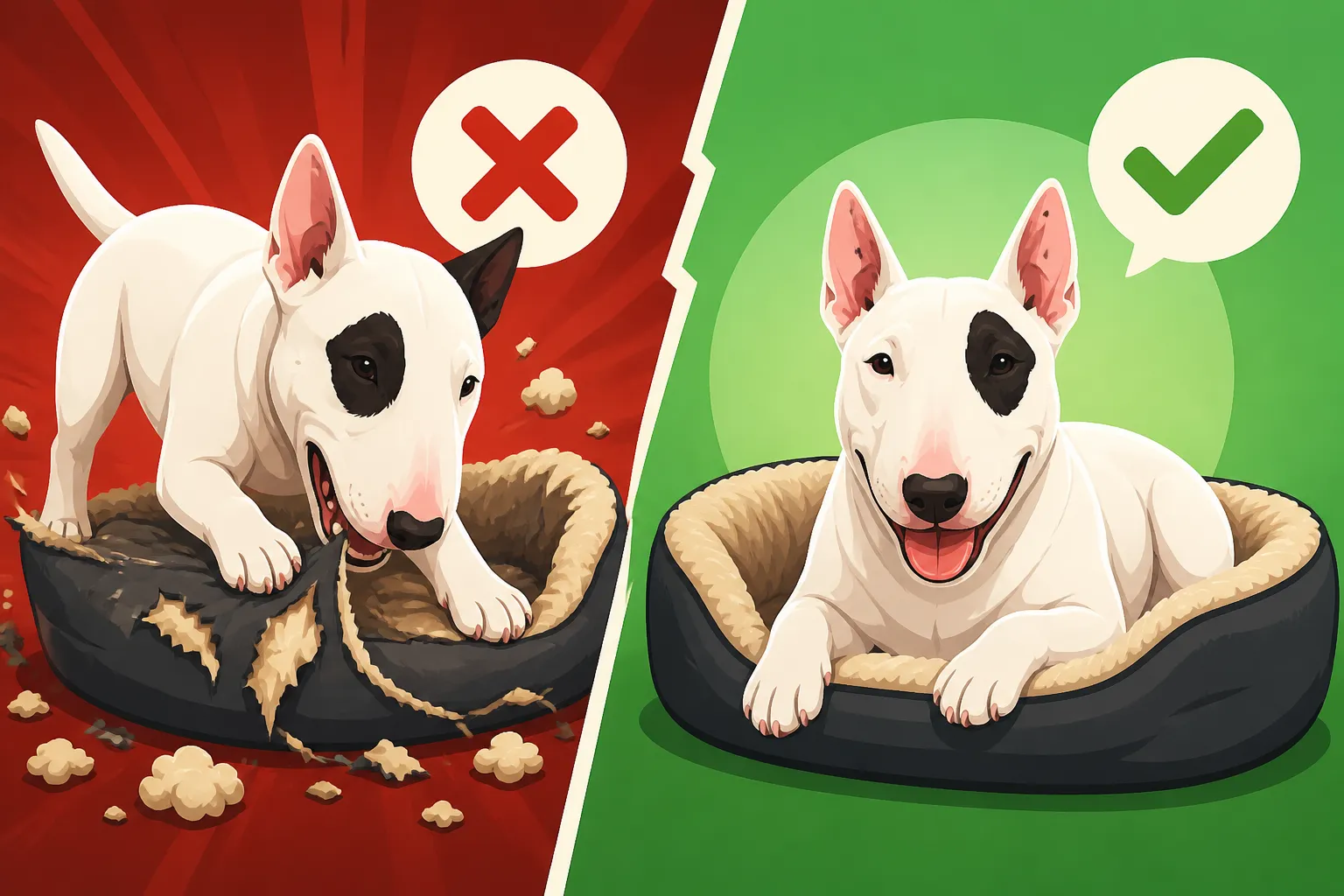
When a Bull Terrier sets its sights on a bed, the results are rarely subtle. You're not just looking at a small tear or a bit of frayed stitching. Instead, expect a theatrical display of canine engineering. The most common pattern of destruction often starts with strategic gnawing at a seam or a zipper, finding the weakest point of entry. Once a small opening is created, it’s game over.
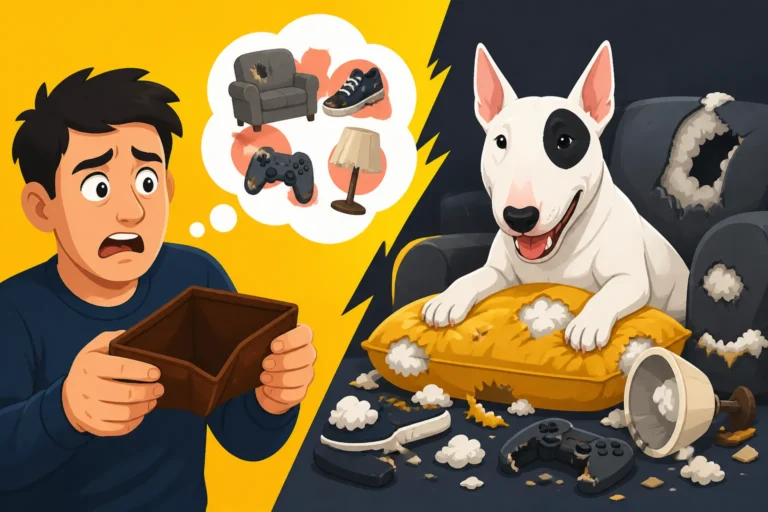
From that initial breach, the bed rapidly transforms. Stuffing is pulled out in enormous clumps, creating a snowy landscape across your living room floor. The fabric itself is shredded into strips, sometimes neatly, sometimes haphazardly, but always with a thoroughness that speaks to dedication. We’ve all walked into a room to find what was once a perfectly good bed now resembling a crime scene, covered in fluff and fabric confetti. Sometimes, the goal isn't just to de-stuff, but to totally dismember the entire structure, leaving behind only tattered remnants and a satisfied, albeit sleepy, Bull Terrier.
Understanding the "Why" Behind the Mayhem
It’s easy to get frustrated when you’re constantly replacing dog beds, but understanding the root cause of the destruction can help you approach the problem with more empathy and, more importantly, with effective solutions. It’s rarely about deliberately causing trouble; it’s almost always a symptom of an unmet need or an underlying emotional state.
Boredom, Energy, and Lack of Mental Stimulation
One of the primary drivers behind bed destruction in Bull Terriers is sheer, unadulterated boredom and excess energy. These are smart, robust dogs, often described as having the mental maturity of a "three-year-old in a dog suit." Why a Bull Terrier Is Called a Three Year Old in a Dog Suit If they aren't given enough opportunities to expend their considerable physical energy or engage their sharp minds, they will find their own entertainment—and that often involves creative destruction.
Imagine being stuck in a room with nothing to do. You'd probably start poking around, looking for something, anything, to occupy your time. A Bull Terrier operates on a similar principle, but with more powerful jaws and a higher drive to manipulate objects. If their daily routine doesn't include sufficient walks, playtime, and mental challenges like training or puzzle toys, that bed sitting there innocently becomes an irresistible target. It's a readily available outlet for their pent-up energy and a way to alleviate the dull ache of inactivity. What a Bull Terrier Does When It Is Bored can often be quite destructive, and your bed is an easy victim.
Anxiety, Stress, and Comfort Seeking
Another significant factor, often overlooked, is anxiety or stress. A Bull Terrier experiencing separation anxiety, for example, might turn to destructive chewing as a coping mechanism. The act of tearing and shredding can be self-soothing, a way to release nervous energy or to create a more "comfortable" space that smells more like them. This isn't a deliberate act of destruction, but rather a desperate attempt to feel better in a stressful situation.
Puppies also fall into this category, but their motivation is typically teething. Just like human babies, Bull Terrier puppies experience discomfort as their adult teeth emerge, and chewing provides relief. Any object, including their bed, can become a target for their itchy gums. It’s important to recognize this developmental stage and provide appropriate outlets. Even adult Bull Terriers might exhibit increased chewing when feeling anxious about changes in routine, new environments, or loud noises.
Play and Instinctual Behaviors
Sometimes, it’s simply about play. For a playful Bull Terrier, a soft, inviting bed can become an oversized "prey" item, especially if they don't have enough appropriate chew toys or structured play sessions. They might pounce, shake, and tear at it, mimicking hunting behaviors. This instinctual play can quickly escalate into full-blown demolition, particularly if the bed offers a satisfying ripping sensation.
Beyond simple play, digging is also a strong instinct for many dogs, including Bull Terriers. While they might not be hunting vermin in your living room, the act of digging into a soft bed, trying to "nest" or uncover a hidden treasure, can lead to tears and punctures that rapidly expand into a full-scale dismantling. This behavior is deeply ingrained, and without redirecting it to appropriate digging spaces or activities, your dog bed will continue to suffer.
Strategies to Save Your Sanity (and Your Wallet)
Okay, so we know why they do it. Now, let’s talk about how to stop it, or at least manage it, without constantly replacing expensive dog beds. It's a multi-pronged approach that combines smart choices in bedding, consistent training, and ensuring your Bull Terrier's needs are met.
Choosing the Right Bed: Built to Withstand a Bull Terrier
This is where many owners throw in the towel, assuming all dog beds are destined for destruction. But not all beds are created equal, and for a Bull Terrier, you need something genuinely robust. Look for beds specifically marketed as "chew-proof" or "indestructible." These often employ materials like ballistic nylon, which is incredibly durable and resistant to tearing. While no bed is truly 100% indestructible against a determined Bull Terrier, these options offer a significant upgrade from standard plush beds.
Another excellent option is an elevated cot-style bed. These beds typically feature a sturdy metal or PVC frame with a suspended fabric mesh. Since there’s no stuffing to pull out and often no appealing edges to gnaw on, they remove much of the appeal for destructive chewers. Brands available through retailers like Chewy often carry a good selection of these. They’re also great for air circulation, keeping your Bull Terrier cool. When selecting any bed, scrutinize its construction: hidden zippers, minimal seams, and no easily accessible tags or loose parts are crucial. Remember, your Bull Terrier is an expert at finding the weakest link.
Here's a quick comparison of bed types:
| Bed Type | Pros | Cons | Bull Terrier Suitability |
|---|---|---|---|
| Plush/Stuffed Beds | Soft, comfortable, widely available | Easily torn, stuffing extracted, fabric shredded | Very Low |
| Orthopedic Foam Beds | Good support for joints, comfortable | Often have exposed fabric covers, susceptible to chewing | Low |
| Elevated Cot Beds | Chew-resistant frame, no stuffing, good airflow, easy to clean | Less plush comfort, some dogs dislike the elevation, fabric can still be chewed if not tough enough | High |
| Ballistic Nylon Beds | Highly durable fabric, resistant to tearing and chewing | Can be more expensive, still has seams/zippers if not well-designed | Medium-High |
| Heavy-Duty Crate Pads | Designed for crates, often thinner and more durable fabric | Less cushioning, still vulnerable to determined chewing | Medium |
Training, Management, and Environmental Enrichment
A "chew-proof" bed is a great start, but it’s only one piece of the puzzle. The real long-term solution lies in a combination of consistent training, smart management, and providing ample environmental enrichment.
Crate Training and Supervision: If your Bull Terrier is a puppy or new to your home, a sturdy crate is invaluable. A Bull Terrier should see their crate as a safe den, not a punishment. When properly introduced, it can be a place where they feel secure and can't destroy things when unsupervised. Whether a Crate Helps a Bull Terrier Left Alone Ensure the crate itself is durable; some Bull Terriers can even bend wire crates if not secured properly. You might consider a heavy-duty model. What a Heavy Duty Bull Terrier Crate Costs When your Bull Terrier is outside the crate, supervise them, especially around their bed. If you catch them starting to chew, immediately redirect them to an appropriate chew toy.
Appropriate Chew Toys: This cannot be stressed enough. Bull Terriers need to chew. Provide a variety of durable, interesting chew toys that can withstand their powerful jaws. Look for toys made from hard rubber or dense nylon. Rotating these toys can keep things fresh and engaging. Brands like Kong and Nylabone are often recommended for strong chewers. Remember, a toy that lasts an hour for a Golden Retriever might last 10 minutes for a Bull Terrier. Which Toys Survive a Bull Terrier
Mental and Physical Exercise: A tired Bull Terrier is a good Bull Terrier. These dogs require a significant amount of physical activity to keep them from becoming bored and destructive. Regular, vigorous exercise—more than just a quick walk around the block—is essential. How Much Exercise a Bull Terrier Actually Needs Beyond physical exertion, mental stimulation is equally important. Puzzle toys, interactive feeders, and short, engaging training sessions can help tire their minds. Which Puzzle Toys Occupy a Bull Terrier If your Bull Terrier is mentally satisfied, they’re less likely to seek out their bed for "entertainment."
Addressing Anxiety: If you suspect separation anxiety is a factor, consulting with a professional is key. Signs a Bull Terrier Has Separation Anxiety This isn't something to tackle alone. A vet or certified behaviorist can help develop a plan, which might include counter-conditioning, desensitization, or even medication in severe cases. Creating a consistent routine, providing comforting scents, and gradual departures can all contribute to easing anxiety.
When to Seek Professional Help (and Consider Insurance)
While a certain level of "Bull Terrier antics" is to be expected, there are times when bed destruction, or any destructive behavior, crosses the line from normal breed traits to something more concerning. Knowing when to call in the professionals and how to financially prepare for potential issues can save a lot of heartache and money.
Recognizing Problematic Behavior vs. Normal Bull Terrier Antics
It’s one thing for your Bull Terrier to shred a cheap fabric bed once or twice out of boredom, but it’s another entirely if they are systematically destroying every bed, regardless of durability, or if the behavior is accompanied by other worrying signs. If your Bull Terrier is obsessively chewing, consuming large pieces of fabric, or exhibiting signs of distress such as excessive barking, pacing, or house-soiling when left alone, it's time to take note.
Extreme or compulsive chewing that seems unrelated to boredom or play, or if it causes your dog to ingest non-food items, can be a red flag. While "normal" Bull Terrier destruction is often thorough, problematic behavior might look like a frantic, desperate effort, rather than a playful, exploratory one. If you notice your Bull Terrier repeatedly spinning before destroying items, for instance, this could indicate a compulsive disorder, potentially similar to some forms of canine OCD. Whether Bull Terrier Tail Chasing Is a Seizure Always pay attention to the context and intensity of the behavior.
The Role of Your Veterinarian and a Certified Behaviorist
If you're seeing signs of excessive anxiety, compulsive behavior, or if your Bull Terrier is ingesting parts of their bed, your first call should always be to your veterinarian. They can rule out any underlying medical conditions that might be contributing to the behavior, such as gastrointestinal upset from ingesting foreign objects or pain that might manifest as destructive chewing. They can also discuss potential anxiety medications if appropriate, as sometimes a pharmacological approach is necessary to help calm a dog enough for behavioral modification to be effective.
For persistent or severe behavioral issues, a certified professional dog behaviorist is an invaluable resource. Unlike trainers who focus on obedience, behaviorists specialize in addressing the emotional and psychological roots of problematic behaviors. They can assess your Bull Terrier’s specific situation, identify triggers, and develop a tailored behavior modification plan that goes far beyond simply buying a tougher bed. They can teach you techniques to manage anxiety, redirect destructive impulses, and build your Bull Terrier's confidence.
Finally, let's talk about the practical side: the cost. Bull Terriers, with their powerful jaws and sometimes mischievous nature, are prone to ingesting things they shouldn't. A swallowed chunk of bed stuffing can lead to an emergency vet visit, X-rays, and potentially costly surgery for an intestinal blockage. This is where pet insurance can be a literal lifesaver. Providers like Healthy Paws offer coverage that can significantly ease the financial burden of unexpected veterinary emergencies. While you might budget for regular care, few people budget for a $5,000 emergency surgery. Investing in pet insurance early can mean you never have to make a decision about your Bull Terrier's health based solely on cost. What Insuring a Bull Terrier Costs a Month It’s an investment in both your Bull Terrier’s well-being and your peace of mind.
Disclaimer
This article is for general informational purposes only and does not constitute professional advice. Laws, prices and regulations vary by location and change over time. Consult a qualified professional for guidance on your specific situation.