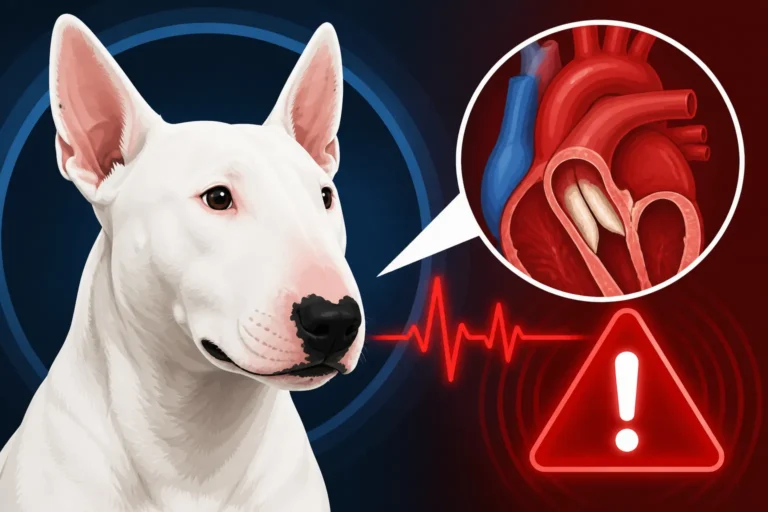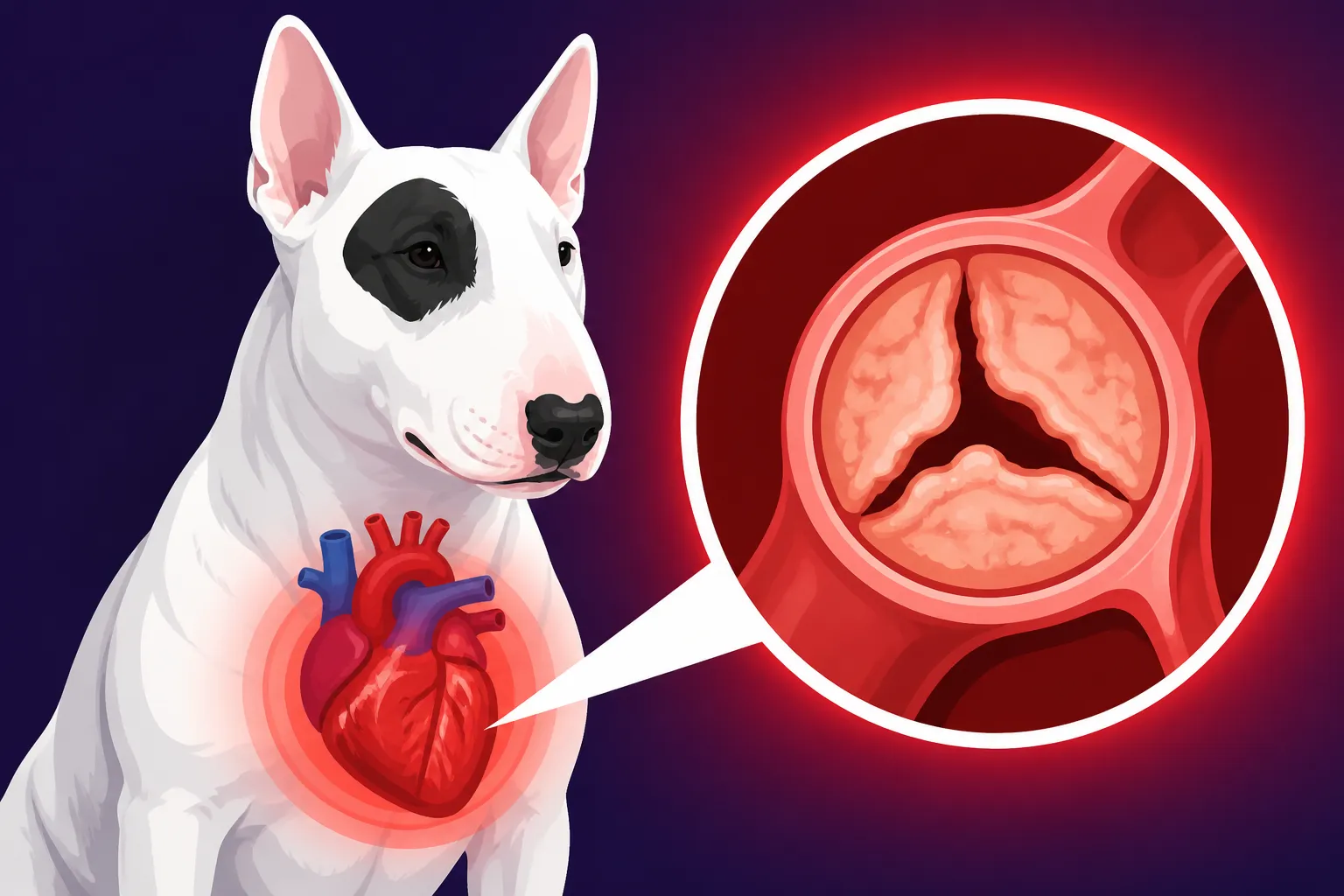
What Aortic Stenosis Does to a Bull Terrier
Aortic Stenosis is one of those terrifying diagnoses that can strike fear into any Bull Terrier owner's heart, precisely because its early signs are often so subtle they're easy to miss. This isn't just a minor heart hiccup; it's a narrowing that can steal our beloved, goofy companions from us far too soon, sometimes without any obvious warning. This guide aims to pull back the curtain on Aortic Stenosis, helping you understand what it is, how it impacts your Bull Terrier, and what steps you can take to manage it or, ideally, prevent it.
Unpacking Aortic Stenosis in Bull Terriers
When you hear "heart condition," your mind might jump to all sorts of scary scenarios, but with Aortic Stenosis (AS), it's a very specific problem involving the heart's main artery. It's a congenital condition, meaning a Bull Terrier is born with it, even if symptoms don't show up for months or years. This isn't something that develops due to diet or lifestyle choices later in life; it's a structural defect that's been there from day one. Understanding the mechanics of AS is the first step to truly grasping its implications for your dog.
Understanding the Aorta and Heart Valves
Imagine your Bull Terrier's heart as a super-efficient pump, working tirelessly every second of every day. Blood leaves the left ventricle, the strongest chamber of the heart, and is propelled into the aorta, the body's largest artery, which then distributes oxygen-rich blood to the rest of the body. To ensure blood flows in the right direction and doesn't slosh back, there's a crucial one-way valve called the aortic valve situated right at the exit point of the left ventricle into the aorta. In a healthy heart, this valve opens fully and smoothly, allowing blood to rush out unrestricted.
However, in a Bull Terrier with Aortic Stenosis, something is fundamentally wrong with this critical pathway. The issue can be subvalvular, meaning the narrowing occurs just below the valve itself, often due to a fibrous ring of tissue. Or it can be valvular, where the leaflets of the aortic valve itself are thickened or malformed, preventing them from opening completely. Less commonly, it can be supravalvular, with narrowing above the valve. For Bull Terriers, subvalvular aortic stenosis (SAS) is the most common form, typically involving a fibrous ridge or ring of tissue just below the aortic valve. This anatomical anomaly acts like a stubborn bottleneck, impeding the smooth flow of blood, and forcing the heart to work much harder than it should.
This obstruction can be subtle or quite pronounced, influencing the dog's symptoms and prognosis. It's a bit like trying to push water through a garden hose with a kink in it – the pump (the heart) has to work significantly harder to maintain the same water pressure (blood flow) through the constricted area. Over time, this constant overwork can lead to the heart muscle becoming enlarged and less efficient, eventually compromising its ability to function correctly. This is why even a small structural issue can snowball into a significant health concern for your beloved Bull Terrier.
How the Stenosis Develops
The fibrous ring or abnormal valve structure that causes Aortic Stenosis isn't something that gradually grows or changes significantly over your Bull Terrier's life once they're adults. It's an inherent defect that forms during the heart's development in the womb. What can happen, though, is that the effects of this obstruction worsen over time. Because the left ventricle has to generate immense pressure to force blood through the narrowed opening, it begins to hypertrophy – the muscle wall thickens. Think of it like a bodybuilder's bicep; the more it works against resistance, the larger and stronger it gets. Initially, this thickening is a compensatory mechanism, helping the heart maintain adequate blood flow.
However, this compensation comes at a cost. A thickened heart muscle is less efficient and requires more oxygen. Over time, the heart can become stiff, less able to fill properly, and more prone to arrhythmias (irregular heartbeats). The coronary arteries, which supply blood to the heart muscle itself, can also become compressed or develop secondary issues due to the increased pressure and turbulence, further compromising the heart's ability to cope. This vicious cycle is why a seemingly minor obstruction can escalate into a life-threatening condition, often progressing silently until the heart's compensatory mechanisms are finally overwhelmed, leading to issues like heart failure or even sudden cardiac death.
This progression can be incredibly frustrating for owners because the initial defect is present from birth, yet the overt signs may not manifest until the dog is older, sometimes past their puppy years. You might have a Bull Terrier who seems perfectly healthy and robust, full of their typical clownish energy, only to receive a devastating diagnosis later on. This silent progression underscores the importance of proactive screening rather than waiting for obvious symptoms to appear.
Different Degrees of Severity
Aortic Stenosis isn't a one-size-fits-all condition; its impact is highly dependent on the degree of obstruction. Vets typically grade the severity based on the velocity of blood flow through the narrowed area, measured during an echocardiogram with Doppler. This velocity directly correlates with the pressure gradient across the stenosis. A mild case might involve a relatively small fibrous ring, causing only a slight increase in blood velocity and minimal stress on the heart. These dogs might live a full, normal lifespan with little to no clinical signs and may not require medication, often being discovered incidentally during a routine check-up for something else entirely.
On the other end of the spectrum, severe Aortic Stenosis means a significant obstruction, leading to extremely high blood velocities and substantial pressure gradients. The left ventricle in these dogs works incredibly hard, often leading to pronounced hypertrophy, heart failure, or sudden cardiac death, even at a young age. These are the tragic cases that explain Why Aortic Stenosis Kills a Bull Terrier Without Warning. Moderate cases fall somewhere in between, where the heart is working harder, and there's a higher risk of complications, often necessitating medication and careful monitoring. The distinction in severity is crucial because it dictates the prognosis, treatment plan, and overall quality of life your Bull Terrier can expect. It's a stark reminder that The Heart Murmur a Bull Terrier Puppy Should Be Checked For isn't just a routine check; it could be lifesaving.
Recognizing the Subtle Signs of Aortic Stenosis
One of the most challenging aspects of Aortic Stenosis, especially in Bull Terriers known for their robust and often stoic nature, is that the signs can be incredibly subtle, or even absent, until the disease is quite advanced. This isn't like a broken leg where the lameness is obvious. Cardiac issues, particularly those that are slowly progressive, often manifest in ways that owners might initially dismiss as normal aging, fatigue, or just a "bad day" for their energetic companion. It requires a keen eye and a deep understanding of your dog's baseline behavior to catch these early whispers of trouble.
Why Symptoms Are Often Delayed
The heart is an amazing organ, incredibly adaptable and capable of compensating for problems for a long time. In the case of Aortic Stenosis, the left ventricle works harder and thickens, which effectively maintains normal blood flow to the body for months or even years. This compensatory mechanism means that your Bull Terrier might continue to play, zoom, and demand cuddles with no outward indication that their heart is under immense strain. Owners often report that their dog seemed perfectly fine right up until a sudden collapse or a very rapid decline.
This delayed onset of obvious symptoms is precisely why regular veterinary check-ups and early screening are so critical, especially for a breed known to be predisposed to such conditions. By the time symptoms like extreme lethargy or fainting spells become noticeable, it often indicates that the heart's compensatory abilities are reaching their limit, and significant damage may have already occurred. This is a common and heartbreaking frustration for Bull Terrier owners who just want the best for their quirky companions. It can feel like being blindsided when you thought your dog was in peak condition.
Common Red Flags to Watch For
While symptoms can be delayed, they do eventually emerge. It’s crucial to know what to look for. One of the earliest signs, which often goes unnoticed, is a subtle decrease in exercise tolerance. Your Bull Terrier, who used to happily chase a ball for thirty minutes, might now tire after ten, or be reluctant to go for longer walks. They might seem more winded than usual after a short burst of activity. Another significant red flag is syncope, or fainting spells. These episodes typically occur during or after strenuous exercise, excitement, or even during a bowel movement, as the heart struggles to meet the body's increased oxygen demands. The dog might suddenly collapse, be unresponsive for a few seconds to a minute, and then recover, often seeming disoriented before returning to normal.
Other signs can include persistent coughing, especially at night or when lying down, which can indicate fluid buildup in the lungs (a symptom of heart failure). Weakness, particularly in the hindquarters, general lethargy, reduced appetite, and unexplained weight loss are also potential indicators. Less commonly, you might notice difficulty breathing or a distended abdomen if fluid is accumulating there. It’s important to remember that these aren't always specific to Aortic Stenosis but are general signs of cardiac distress, making it essential to consult your vet promptly. For instance, when a Bull Terrier seems less energetic than usual, it's easy to dismiss it as laziness, but it could be an early warning sign that deserves immediate investigation.
Distinguishing from Other Conditions
It's easy to jump to conclusions when you notice your Bull Terrier isn't quite themselves, and many of the symptoms of Aortic Stenosis can mimic other, less serious conditions. For example, a sudden bout of lethargy could be attributed to a minor stomach upset, an allergic reaction, or just a particularly warm day. Coughing might be mistaken for kennel cough or allergies, especially if your Bull Terrier is prone to environmental sensitivities. Even fainting can sometimes be confused with a seizure, though the characteristics are usually different – a syncopal episode typically involves a brief loss of consciousness without the jerking or paddling motions often seen in seizures.
This overlap of symptoms is why veterinary expertise is absolutely invaluable. Your vet will ask a lot of questions about the onset and frequency of symptoms, your dog's energy levels, eating habits, and any changes in their breathing. They'll also perform a thorough physical exam. If a heart murmur is detected, or if symptoms point towards a cardiac issue, further investigation will be recommended. This careful differential diagnosis is crucial to ensure your Bull Terrier receives the correct treatment plan, whether it's for Aortic Stenosis or something entirely different. It highlights why Why a Bull Terrier Puppy's Heart Should Be Listened To is a vital part of early care, as catching an early murmur can prompt timely investigation.
Diagnosing Aortic Stenosis: The Critical Steps
The journey to diagnosing Aortic Stenosis in a Bull Terrier typically begins with a routine check-up, often before any overt symptoms appear. Because of the silent nature of this condition, early detection relies heavily on the veterinarian's vigilance and the owner's commitment to regular health screenings. Don't assume that because your Bull Terrier is bouncing off the walls, there's no underlying issue; their enthusiastic spirit can mask serious problems, leading to a false sense of security.
The Importance of a Cardiac Auscultation
Every comprehensive veterinary examination should include a cardiac auscultation, which simply means listening to your dog's heart with a stethoscope. For Bull Terriers, this step is absolutely non-negotiable, even for young puppies. What the vet is listening for is a heart murmur – an abnormal whooshing sound caused by turbulent blood flow. In the case of Aortic Stenosis, the turbulent flow is created as blood is forced through the narrowed aortic valve or subvalvular region. The sound typically has a specific character and location (often heard best over the left chest wall near the base of the heart, radiating up towards the neck).
A murmur is not a diagnosis of Aortic Stenosis in itself, but it's the strongest indicator that something isn't quite right with the heart's blood flow. Murmurs are graded on a scale of I to VI, with I being very soft and VI being very loud, sometimes even palpable through the chest wall. The grade of the murmur can give the vet an initial idea of severity, but it's not a definitive measure. For instance, a very loud murmur (Grade III or IV) in a young Bull Terrier is a strong red flag, warranting immediate follow-up. This is why understanding How a Bull Terrier's Murmur Is Graded can be helpful. It's also worth noting that some murmurs in puppies can be "innocent" or physiological, fading as they mature, but without further diagnostics, it’s impossible to tell which is which. Therefore, any murmur detected should always lead to further investigation, especially in a breed like the Bull Terrier where AS is a known concern.
Advanced Diagnostics: Echocardiograms and Doppler Studies
Once a heart murmur is detected, or if there are clinical signs suggestive of heart disease, the next crucial step is typically a consultation with a veterinary cardiologist and an echocardiogram. Think of an echocardiogram as an ultrasound for the heart. It provides real-time images of the heart's structure and function. During this non-invasive procedure, the cardiologist can visualize the size and shape of the heart chambers, the thickness of the heart muscle (looking for that tell-tale left ventricular hypertrophy), and the integrity of the heart valves. They can see the fibrous ring if it's present, or assess the malformation of the aortic valve itself.
Crucially, an echocardiogram is almost always paired with a Doppler study. Doppler ultrasonography measures the speed and direction of blood flow through the heart. By placing the Doppler probe over the aorta, the cardiologist can precisely measure the velocity of blood as it rushes through the narrowed area. This velocity is then used to calculate the pressure gradient across the stenosis, which is the most reliable way to definitively diagnose Aortic Stenosis and determine its severity (mild, moderate, or severe). Without an echocardiogram and Doppler study, a precise diagnosis and assessment of severity are impossible, leaving you guessing about your Bull Terrier's condition. This is why a referral to a specialist for What a Bull Terrier's Echocardiogram Costs is a worthwhile investment, despite the potential financial strain.
Interpreting the Results: What the Vet Looks For
When your Bull Terrier undergoes an echocardiogram and Doppler study, the veterinary cardiologist is looking for several key indicators to confirm Aortic Stenosis and determine its extent. First and foremost, they'll identify the location of the narrowing – whether it's subvalvular, valvular, or supravalvular. For Bull Terriers, as mentioned, subvalvular is the most common. They'll measure the degree of left ventricular wall thickening (hypertrophy), as this is a direct consequence of the heart working harder against the obstruction. The severity of the stenosis is then quantitatively assessed by measuring the peak blood flow velocity across the narrowed area, which helps calculate the pressure gradient.
A pressure gradient below 30 mmHg (millimeters of mercury) is typically considered mild, 30-60 mmHg moderate, and above 60 mmHg severe. The cardiologist will also assess for secondary complications, such as aortic regurgitation (blood leaking backward through the valve) or the presence of arrhythmias. They'll evaluate the overall pumping function of the heart, looking for signs of reduced contractility. All these pieces of information come together to paint a comprehensive picture, allowing the cardiologist to give you an accurate diagnosis, a prognosis, and a tailored treatment plan. This detailed approach provides clarity and is a massive relief for owners. Getting these tests done early, especially after hearing The Heart Murmur a Bull Terrier Puppy Should Be Checked For, can truly make a difference in your dog's long-term care and outcome.
| Severity Grade | Pressure Gradient (mmHg) | Clinical Signs | Prognosis | Typical Management |
|---|---|---|---|---|
| Mild | < 30 | Usually none, discovered on exam | Good, often normal lifespan | Monitor, recheck periodically |
| Moderate | 30-60 | May show mild exercise intolerance, fatigue | Variable, increased risk of sudden death | Medication (beta-blockers), exercise restriction |
| Severe | > 60 | Lethargy, fainting, exercise intolerance, congestive heart failure | Guarded, high risk of sudden cardiac death | Aggressive medication, strict exercise restriction |
Managing Aortic Stenosis in Your Bull Terrier
Receiving an Aortic Stenosis diagnosis can feel overwhelming, but it's important to remember that it's not always an immediate death sentence. Depending on the severity, there are various strategies and treatments available to manage the condition and help your Bull Terrier lead the best possible life. The goal is always to reduce the heart's workload, prevent complications, and improve quality of life. This often involves a multi-faceted approach tailored to your individual dog, often requiring dedicated commitment from the owner.
Medication and Its Role
For Bull Terriers diagnosed with moderate to severe Aortic Stenosis, medication often becomes a cornerstone of their management plan. The primary aim of these drugs is to either reduce the heart's workload or prevent the progression of secondary complications. Beta-blockers, such as Atenolol, are commonly prescribed. They work by slowing the heart rate and reducing the force of contraction, which in turn decreases the pressure gradient across the stenosis and allows the heart to fill more efficiently. This can significantly improve exercise tolerance and reduce the risk of arrhythmias and sudden cardiac death.
Another class of drugs, ACE inhibitors (like Enalapril or Benazepril), might be used, especially if there are signs of early heart failure or high blood pressure. These medications help relax blood vessels, making it easier for the heart to pump blood throughout the body. Diuretics might be added if fluid retention is a concern, indicating early congestive heart failure. It’s crucial that these medications are given exactly as prescribed, and regular follow-up appointments, including re-evaluating How Often a Bull Terrier's Heart Should Be Rechecked, are essential to monitor their effectiveness and adjust dosages as needed. Your vet or cardiologist will guide you on the best combination of drugs for your Bull Terrier's specific needs, helping you navigate the sometimes-complex world of canine cardiology.
Lifestyle Adjustments and Exercise Restrictions
Medication alone is often not enough; significant lifestyle adjustments are usually necessary, particularly for Bull Terriers with moderate to severe Aortic Stenosis. The most critical adjustment revolves around exercise. While Bull Terriers are naturally energetic and love to play, strenuous activities that cause a sudden increase in heart rate and blood pressure can be dangerous for dogs with AS. This means no more intense fetch sessions, long runs, or highly stimulating play with other dogs that might lead to overexertion or sudden collapse. You might need to adjust your expectations of what activities your Bull Terrier can participate in.
Instead, the focus shifts to controlled, consistent, and moderate exercise. Short, leashed walks multiple times a day are generally preferred over one long, exhaustive outing. Avoid activities during the hottest parts of the day or when your Bull Terrier is overly excited, as these can put extra strain on the heart. The goal is to keep them active enough to maintain muscle tone and mental well-being without pushing their heart into dangerous territory. Your vet or cardiologist will provide specific guidelines based on your dog's severity grade, and it's vital to stick to these recommendations, even if your Bull Terrier still seems to have boundless energy. It's tough to tell them no, but it's for their own good, as Whether a Bull Terrier With Stenosis Should Exercise is a critical question with serious implications.
Dietary Considerations for Heart Health
While diet can't cure Aortic Stenosis, it can certainly play a supportive role in overall heart health and help manage secondary issues. For most Bull Terriers with AS, a balanced, high-quality commercial dog food is usually appropriate. The key is to maintain an ideal body weight. Obesity puts additional strain on the heart, making it work even harder and exacerbating the effects of the stenosis. If your Bull Terrier is overweight, your vet will help you develop a safe and gradual weight loss plan that doesn't put undue stress on their system.
For dogs experiencing early signs of congestive heart failure, a low-sodium diet might be recommended to help reduce fluid retention. However, this should only be done under veterinary guidance, as drastically restricting sodium can sometimes have adverse effects or lead to nutritional imbalances. Some veterinarians might also suggest supplements like omega-3 fatty acids (fish oil), which have anti-inflammatory properties and can support general cardiovascular health. Always discuss any dietary changes or supplements with your veterinarian or a veterinary nutritionist, especially when managing a serious condition like Aortic Stenosis. These considerations are part of the broader discussion of Caring for an Old Bull Terrier and ensuring a good quality of life, focusing on prevention and careful management.
Prognosis and Living with Aortic Stenosis
Understanding the potential future with an Aortic Stenosis diagnosis can be daunting. Bull Terriers are such vibrant, full-of-life characters, and the thought of their lifespan being cut short is truly heartbreaking. However, the prognosis varies wildly depending on the severity of the condition and how diligently it's managed. It's a journey that requires commitment, vigilance, and a strong partnership with your veterinary team, often for the remainder of your dog's life.
Factors Influencing Longevity
The most significant factor influencing a Bull Terrier's longevity with Aortic Stenosis is the severity of the obstruction. Dogs with mild AS often have a normal life expectancy and may never develop clinical signs or require medication. They can live out their The Ten to Fourteen Years a Bull Terrier Gets happily, sometimes without their owners ever knowing they have a mild cardiac issue. On the other hand, those with severe AS have a much poorer prognosis. These dogs are at high risk for sudden cardiac death, often before two or three years of age, or may develop congestive heart failure relatively early in life. Moderate cases fall in between, with a more variable prognosis that is heavily influenced by consistent monitoring and adherence to treatment plans.
Other factors include the presence of secondary complications, such as significant left ventricular hypertrophy, aortic regurgitation, or arrhythmias. Dogs that develop these issues tend to have a more guarded prognosis. Early diagnosis and intervention are also critical. Catching the condition when it's still mild or moderate, before significant heart damage has occurred, allows for earlier implementation of management strategies that can potentially slow progression and improve outcomes. Regular check-ups with a veterinary cardiologist, including repeat echocardiograms, are essential for monitoring the disease's progression and adjusting treatment as needed to give your Bull Terrier the best possible chance at a longer, healthier life.
Ensuring Quality of Life
Living with a Bull Terrier diagnosed with Aortic Stenosis means prioritizing their comfort and well-being. The focus shifts from pushing them to their physical limits to ensuring they have a high quality of life within their cardiac limitations. This involves creating a calm home environment, minimizing stress and over-excitement, and providing appropriate, low-impact mental and physical enrichment. Puzzle toys, gentle scent work, and short, controlled walks can still bring joy and mental stimulation without overtaxing their heart. It’s about finding a new rhythm that honors their condition while still allowing them to be a happy, engaged member of the family.
It's also about being incredibly attuned to your Bull Terrier's subtle cues. Any increase in lethargy, reluctance to play, changes in breathing, or signs of coughing or fainting should be reported to your vet immediately. Maintaining a stable routine, consistent medication administration, and a healthy, controlled diet all contribute to their overall well-being. While you might need to adjust your expectations of what a "normal" Bull Terrier life looks like, you can still provide a rich, loving, and fulfilling existence for your companion, ensuring they feel cherished every single day, even if that means more quiet evenings on the couch together.
Coping with a Difficult Diagnosis
Receiving a diagnosis of Aortic Stenosis, especially if it's moderate to severe, can be incredibly difficult for owners. There's often a mix of grief, fear, and a sense of helplessness. It's natural to feel overwhelmed and even guilty, wondering if there was anything you could have done differently, despite the congenital nature of the disease. Remember that you're not alone in this; many Bull Terrier owners face similar challenges, and support groups or online communities can be a lifeline for sharing experiences and advice.
Open and honest communication with your veterinary team is paramount. Don't hesitate to ask questions, no matter how small they seem. Understand the treatment plan thoroughly, including the purpose of each medication, potential side effects, and what to expect in terms of prognosis. Setting up an emergency fund or considering pet insurance, like Healthy Paws, early on can also alleviate some of the financial stress associated with long-term cardiac care, allowing you to focus on your dog's health rather than worrying about the bills for ongoing diagnostics and medications. Facing a life-limiting diagnosis is never easy, but arming yourself with knowledge and support can make the journey more manageable, and companies like Healthy Paws can provide peace of mind.
Prevention and Responsible Breeding
The reality of Aortic Stenosis being a congenital and often inherited condition places a significant responsibility on breeders and prospective owners. While we can't completely eliminate genetic diseases, we can certainly work towards reducing their prevalence through informed choices and diligent screening. This proactive approach is the most effective way to protect future generations of Bull Terriers from this serious heart condition and ensure a healthier future for the breed.
Pre-breeding Cardiac Screening
For any responsible Bull Terrier breeder, comprehensive cardiac screening of breeding dogs is an absolute must. This means not just a basic auscultation by a general vet, but a thorough cardiac examination performed by a board-certified veterinary cardiologist. This specialized exam includes an echocardiogram with Doppler flow studies, as discussed earlier. The cardiologist will issue a certification stating whether the dog is clear of Aortic Stenosis or if a murmur or AS is detected, they will grade its severity. Only dogs completely clear of Aortic Stenosis should ever be considered for breeding, as even mild cases can still pass on the genetic predisposition.
The goal of this rigorous screening is to identify affected dogs before they are bred, thus preventing the passing of the problematic genes to their offspring. This is part of What a Bull Terrier Breeder Should Have Tested for all their breeding stock, and reputable breeders will ensure these tests are performed regularly. While Aortic Stenosis doesn't have a simple Mendelian inheritance pattern (it's likely polygenic, meaning multiple genes are involved), breeders who consistently screen their dogs and remove affected animals from their breeding programs contribute significantly to improving the overall health of the breed. This practice is crucial for minimizing the incidence of this heartbreaking condition, rather than simply hoping for the best.
Understanding Inheritance and Risk
The exact mode of inheritance for Aortic Stenosis in Bull Terriers isn't fully understood, but it's widely accepted to have a genetic component. This means that parents who carry the genetic predisposition, even if they show no clinical signs themselves (especially with mild AS), can pass those genes on to their puppies. This makes the cardiologist's screening even more critical, as even a seemingly healthy dog could be contributing to the problem if they have a mild, undetected form of AS. Knowing that Whether Heart Disease Runs in Bull Terrier Lines is crucial for understanding the importance of genetic screening.
If a dog with AS is inadvertently bred, there's a higher likelihood that their offspring will also be affected, potentially with varying degrees of severity. This is why a reputable breeder will be transparent about their dogs' health testing results, often providing copies of the cardiologist's reports. If a breeder avoids specialized cardiac screening, or if they continue to breed dogs with known AS, they are contributing to the perpetuation of this health issue within the breed, potentially leading to more cases of Why Aortic Stenosis Kills a Bull Terrier Without Warning. Prospective owners should always ask for documentation of cardiac clearances from a certified cardiologist, and consider pet insurance, such as Healthy Paws, to help manage potential future health costs, even with a responsibly bred puppy.
The Role of a Reputable Breeder
A reputable Bull Terrier breeder is your first line of defense against many inherited health conditions, including Aortic Stenosis. They don't just breed for looks or temperament; they prioritize health above all else. This means they will readily provide proof of comprehensive health screenings for both parents of a litter, not just the sire or dam. For cardiac health, this specifically means current, clear echocardiogram results from a board-certified veterinary cardiologist, often within the last 12-18 months, as results can change over time.
Beyond health testing, a good breeder will also provide a health guarantee, be knowledgeable about the health history of their lines, and be willing to answer all your questions honestly. They will be passionate about the breed's long-term well-being and actively participate in efforts to reduce inherited diseases. Choosing a puppy from such a breeder significantly increases your chances of bringing home a healthy Bull Terrier and minimizes the heartache and financial burden associated with conditions like Aortic Stenosis. This due diligence is part of Which Health Tests a Bull Terrier Breeder Should Run and it directly impacts the future health of our beloved Bull Terriers. A good breeder works closely with organizations and registries to ensure the highest standards are met. Some pet insurance providers, like Healthy Paws, even offer discounts for puppies from breeders who adhere to such rigorous health standards, acknowledging the reduced risk and promoting responsible breeding practices.
Disclaimer
The information provided in this article is intended for educational purposes only and should not be considered a substitute for professional veterinary advice. Always consult with a qualified veterinarian or veterinary cardiologist for any health concerns or before making any decisions related to your Bull Terrier's medical care.