Why a Bull Terrier’s Mitral Valve Fails Early
It’s absolutely heartbreaking to hear that distinct whoosh-swish sound when the vet listens to your Bull Terrier’s heart, especially if it’s a young dog or even a puppy. You had all these dreams for your sturdy, clownish companion, and then suddenly, a murmur threatens to change everything. Understanding why a Bull Terrier's mitral valve fails early is crucial for any owner, as it’s a specific health concern that can dramatically impact their lifespan and quality of life. This guide will delve into the intricacies of mitral valve dysplasia (MVD), explaining its causes, how it's diagnosed, and what it means for your beloved Bull Terrier.
Understanding Mitral Valve Dysplasia in Bull Terriers
Mitral Valve Dysplasia (MVD) is a fancy term for something that's simply not quite right with one of the most important valves in your Bull Terrier's heart. It's a condition that can manifest alarmingly early in this breed, setting them on a path that requires careful monitoring and often, significant intervention.
The Anatomy of the Mitral Valve and Its Function
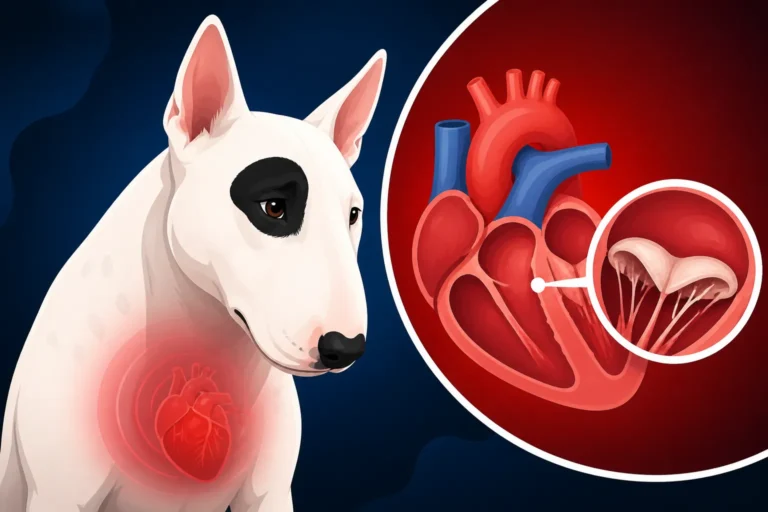
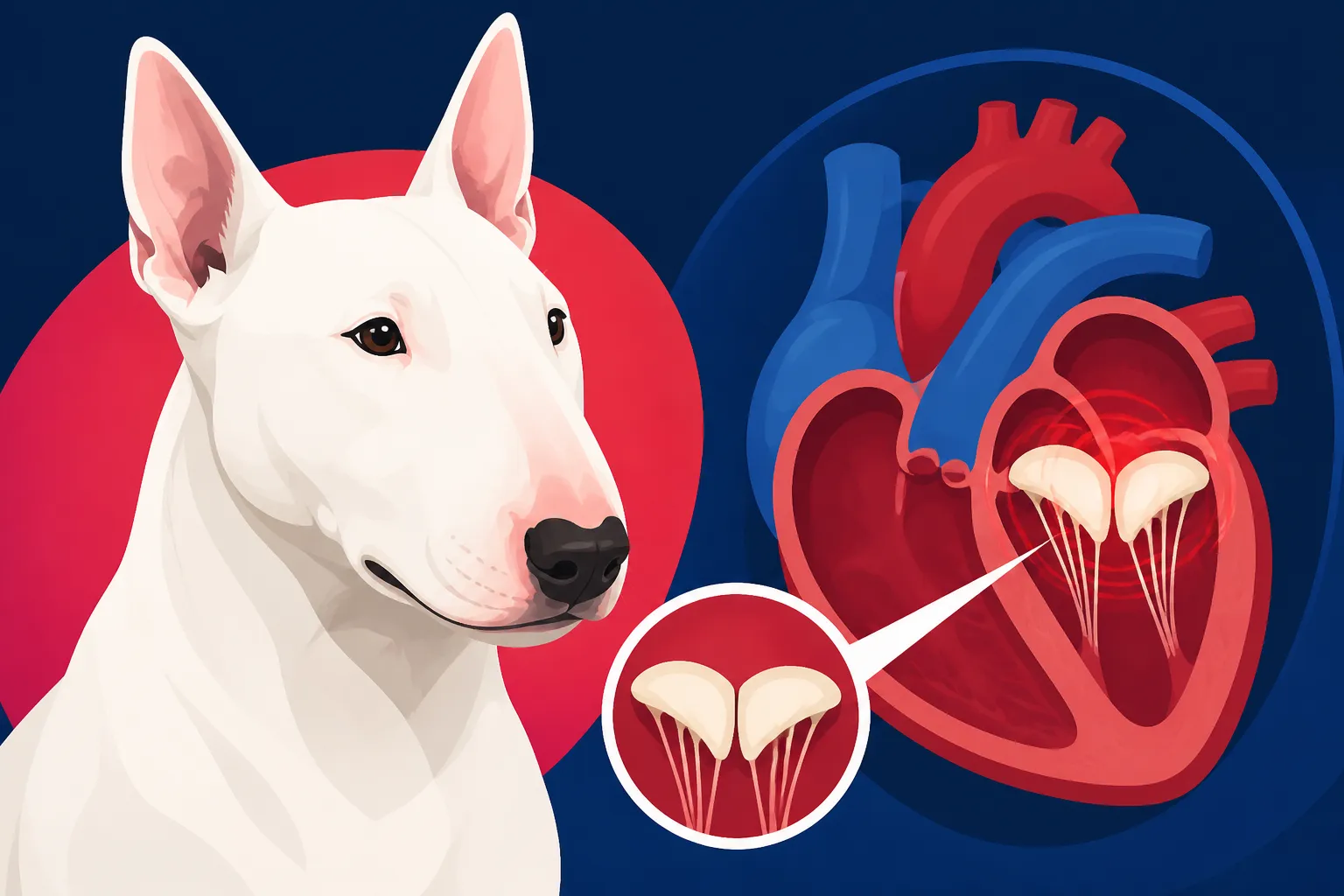
Imagine your Bull Terrier's heart as a finely tuned, powerful pump, working tirelessly day in and day out to keep that muscular body going. Inside this pump are four chambers and four valves, each with a specific, vital role. The mitral valve, also known as the bicuspid valve, sits between the left atrium and the left ventricle. Think of it as a one-way door: its job is to open wide to let oxygenated blood flow from the left atrium into the left ventricle, and then snap shut tightly to prevent that blood from flowing backward when the left ventricle contracts to pump blood out to the rest of the body.
When this "door" works perfectly, blood moves forward efficiently. It's a marvel of biological engineering, ensuring that every beat of your dog's heart is as effective as possible. The mitral valve itself is comprised of two flaps, or leaflets, which are tethered by tiny, cord-like structures called chordae tendineae to small muscles (papillary muscles) within the ventricle wall. This intricate system ensures a perfect seal, maintaining the pressure needed for proper circulation.
What Goes Wrong: Malformations and Leakage
In Bull Terriers with Mitral Valve Dysplasia, this perfect system isn't so perfect. The "dysplasia" part of the name essentially means "abnormal development." Instead of those smooth, thin, perfectly coapting leaflets, the mitral valve in an affected Bull Terrier might be thickened, misshapen, or too short. The chordae tendineae might be abnormally short, thick, or fused, pulling the valve leaflets into an incorrect position. Sometimes, the papillary muscles themselves are malformed, further exacerbating the problem.
The most common consequence of these structural abnormalities is that the valve cannot close completely. When the left ventricle contracts, instead of all the blood being propelled forward into the aorta and out to the body, a portion of it leaks backward into the left atrium. This backward flow of blood is called regurgitation. The heart has to work much harder to compensate for this inefficiency, trying to pump the same amount of blood forward while simultaneously dealing with the backflow. Over time, this extra workload can lead to enlargement of the heart chambers and ultimately, heart failure. You can learn more about What Mitral Valve Dysplasia Does to a Bull Terrier in another one of our posts.
Why Bull Terriers Are Particularly Susceptible
It's a tough truth, but Bull Terriers are simply predisposed to certain health conditions, and MVD is one of them. While any dog can theoretically develop a heart problem, some breeds, including our beloved Bull Terriers, carry a higher genetic risk for specific congenital heart defects. Researchers and veterinarians have observed a disproportionately high incidence of MVD in Bull Terriers compared to the general dog population.
The exact genetic markers are still a subject of ongoing research, but it’s widely accepted that there's a hereditary component. This isn't something that happens because of diet or environment, but rather something that's passed down through generations. This genetic predisposition means that even well-cared-for puppies from seemingly healthy parents can unfortunately develop the condition. It’s a cruel twist of genetics that makes diligent screening and responsible breeding practices so incredibly important in this breed.
Identifying Early Warning Signs and Diagnosis
One of the hardest parts of dealing with MVD is that sometimes, particularly in its early stages, a Bull Terrier might not show any outward signs that anything is amiss. They might still be their usual energetic, silly selves, leaving you completely unaware of the silent struggle happening within their chest. This is why vigilance and professional veterinary care are paramount.
Detecting a Heart Murmur in Puppies and Young Adults
The first clue that something might be wrong with your Bull Terrier's heart is almost always the detection of a heart murmur. A heart murmur is an abnormal sound heard through a stethoscope during a cardiac exam, caused by turbulent blood flow. In the case of MVD, it's the sound of blood leaking backward through that faulty mitral valve.
Many reputable breeders will have their puppies checked by a veterinarian before they go to new homes, and this initial check can sometimes reveal a murmur. However, some murmurs in young puppies are considered "innocent" or "physiologic" – they might be heard due to rapid growth or high metabolic rates and often disappear as the puppy matures. The challenge, especially with a breed like the Bull Terrier prone to MVD, is to differentiate these innocent murmurs from those indicating a structural heart defect. This is why a follow-up exam is often recommended, and why it's so important that your veterinarian knows the breed-specific risks. Our article, Why a Bull Terrier Puppy's Heart Should Be Listened To, explores this in more detail.
The Role of the Echocardiogram in Confirming Mitral Valve Dysplasia
While a heart murmur can raise a red flag, it doesn't tell the whole story. To definitively diagnose MVD and assess its severity, an echocardiogram is essential. An echocardiogram is essentially an ultrasound of the heart. It provides real-time images of the heart's structure and function, allowing a veterinary cardiologist to visualize the mitral valve leaflets, assess their movement, identify any thickening or malformation, and observe the blood flow.
During this non-invasive procedure, the specialist can see the blood leaking backward (regurgitation) and measure the extent of the leak. They can also check the size of the heart chambers, evaluate the strength of the heart muscle, and look for any other associated abnormalities. This detailed visual information is critical for confirming the diagnosis, determining the grade of the condition (e.g., how severe the leakage is), and formulating a prognosis and treatment plan. It’s the gold standard for diagnosing MVD. For many, the question of What an Echocardiogram Costs on a Bull Terrier is a significant one, highlighting the financial realities of managing this condition.
Differentiating Innocent Murmurs from Serious Conditions
As mentioned, not all murmurs are cause for alarm, especially in young, rapidly growing puppies. An "innocent" murmur is typically low-grade (quiet), found in a specific location on the chest (often over the pulmonary valve), and usually disappears by 4-6 months of age. These are generally harmless and do not indicate underlying heart disease.
However, distinguishing an innocent murmur from one indicative of MVD or another congenital heart defect requires a trained ear and sometimes, repeat evaluations. A murmur that is louder, persists past 4-6 months of age, or is accompanied by other clinical signs like exercise intolerance, coughing, or difficulty breathing, immediately warrants further investigation. This is where a referral to a veterinary cardiologist becomes crucial. They possess the specialized equipment and expertise to accurately assess the murmur and recommend the necessary diagnostic steps, like an echocardiogram. Understanding How a Bull Terrier's Murmur Is Graded can also help owners understand the initial findings.
Genetic Factors and Breeding Implications
The early onset of mitral valve dysplasia in Bull Terriers isn't a random occurrence; it points directly to a genetic predisposition. This makes the decisions of breeders incredibly impactful, and it places a significant responsibility on prospective owners to choose their puppies wisely.
The Inherited Nature of Mitral Valve Dysplasia
It’s widely acknowledged within the veterinary community and among responsible Bull Terrier breeders that MVD is a heritable condition. This means it's passed down from parent to offspring through their genes. While the exact mode of inheritance might be complex – it could be polygenic (involving multiple genes) rather than a simple dominant or recessive gene – the evidence strongly suggests a genetic link. This explains why some bloodlines seem more affected than others, and why puppies from parents with MVD or a strong family history of the condition are at a much higher risk.
The heartbreaking reality is that a Bull Terrier puppy might inherit the genetic blueprint for MVD even if its parents appear healthy and are asymptomatic carriers. This latent genetic risk underscores the importance of not just clinical screening but also careful pedigree research when considering a Bull Terrier puppy.
Responsible Breeding Practices to Reduce Risk
For responsible Bull Terrier breeders, mitigating the risk of MVD is a top priority. This involves several critical steps that go beyond just ensuring a healthy litter today, but also aiming for a healthier future for the breed.
- Cardiac Screening of Breeding Stock: Any Bull Terrier intended for breeding should undergo a thorough cardiac evaluation by a board-certified veterinary cardiologist. This typically includes an auscultation (listening with a stethoscope) and, crucially, an echocardiogram. The results should ideally be clear, showing no signs of MVD or other significant cardiac abnormalities. Even dogs with mild, non-progressive murmurs should be carefully considered, and often excluded from breeding, especially if the murmur is linked to a structural defect. This is part of What a Bull Terrier Breeder Should Have Tested.
- Pedigree Research: Responsible breeders delve deep into the pedigrees of their breeding dogs, looking for any history of MVD or other cardiac issues in previous generations. If there’s a known incidence in a line, even if the immediate parents are clear, it raises a red flag and suggests a potential carrier status.
- Transparency and Disclosure: Ethical breeders are transparent about the health history of their breeding stock and the results of cardiac screenings. They should provide copies of health clearances and be willing to discuss any known issues in their lines. This level of honesty is vital for prospective owners to make informed decisions.
- Avoiding Affected Individuals: Dogs diagnosed with MVD, even if their symptoms are mild, should absolutely not be bred. Passing on these genes only perpetuates the problem within the breed. The question of Whether a Bull Terrier With a Murmur Can Be Bred usually has a strong answer: no, if it's a structural defect.
Managing an Affected Bull Terrier's Future
If your Bull Terrier is diagnosed with MVD, whether as a puppy or a young adult, the focus shifts to management and ensuring the best possible quality of life. This journey requires a close partnership with your veterinarian and potentially a veterinary cardiologist.
Initially, if the condition is mild and not causing significant heart enlargement or symptoms, your vet might recommend regular monitoring. This could involve periodic auscultations and echocardiograms to track the progression of the disease. As the condition advances and the heart begins to struggle, medication will likely be introduced. These medications aim to improve heart function, reduce fluid buildup, and manage blood pressure. Diuretics, ACE inhibitors like enalapril or benazepril, and sometimes pimobendan, are common prescriptions. Our article on How a Bull Terrier With Mitral Dysplasia Is Treated offers more detailed information.
Lifestyle adjustments are also key. This might include moderating exercise to avoid overexertion, especially if your dog is showing signs of fatigue or coughing. A diet that supports heart health, often lower in sodium, may also be recommended. It's a continuous process of monitoring, adjusting, and adapting to ensure your Bull Terrier remains as comfortable and happy as possible. Securing adequate pet insurance like a policy from Healthy Paws early in your Bull Terrier's life, before any diagnosis, can be a game-changer for covering these ongoing and potentially expensive treatments.
Living with Mitral Valve Dysplasia: Management and Prognosis
Receiving a diagnosis of mitral valve dysplasia can be terrifying, but it's important to remember that it's not an immediate death sentence. With proper management and a dedicated team, many Bull Terriers can still live fulfilling lives, albeit ones that require careful attention and sometimes significant medical intervention.
Medical Management and Lifestyle Adjustments
Once MVD is diagnosed, especially if it’s showing signs of progression or clinical symptoms, medical management becomes a cornerstone of care. The goal isn't to cure the dysplasia – since it's a structural defect, medication can't fix the valve – but rather to manage the symptoms, slow the progression of heart failure, and improve your Bull Terrier's comfort and quality of life.
- Medications: Your veterinary cardiologist will likely prescribe a cocktail of drugs tailored to your Bull Terrier's specific condition.
- Diuretics (e.g., Furosemide): These help remove excess fluid from the body, preventing or alleviating fluid buildup in the lungs (pulmonary edema) or abdomen, which are common signs of congestive heart failure.
- ACE Inhibitors (e.g., Enalapril, Benazepril): These drugs help relax blood vessels, reducing the workload on the heart and improving blood flow.
- Pimobendan (Vetmedin): This is often a critical drug for MVD. It has a dual action: it strengthens the heart's contractions and helps dilate blood vessels, further reducing the heart's workload. It's been shown to significantly extend the quality and length of life for dogs with MVD.
- Other medications: Depending on specific issues like arrhythmias or high blood pressure, other medications might be added to the regimen.
- Dietary Changes: A low-sodium diet is often recommended to help manage fluid retention and reduce the strain on the heart. Your vet might suggest specific prescription cardiac diets, or guide you on how to prepare suitable home-cooked meals if that's your preference.
- Exercise Modification: While your Bull Terrier will still need exercise, it might need to be less strenuous or of shorter duration. Monitoring your dog for signs of fatigue, coughing, or difficulty breathing during exercise is crucial. Short, frequent walks rather than long, intense runs might become the norm.
- Regular Monitoring: Consistent follow-up appointments, including physical exams, blood tests, chest X-rays, and echocardiograms, are essential to track the disease's progression and adjust medications as needed. This ongoing care emphasizes the importance of budgeting for What a Bull Terrier's Cardiac Monitoring Costs a Year.
When Surgical Intervention Might Be Considered
For most dogs with MVD, long-term medical management is the primary course of action. However, in some very specific and severe cases, surgical repair of the mitral valve might be considered. This is an extremely specialized and advanced procedure, typically performed only at a few highly specialized veterinary cardiac centers around the world.
Mitral valve repair surgery is complex, expensive, and carries significant risks. It's not suitable for all dogs and is often reserved for younger dogs with severe MVD who are otherwise in good health and whose quality of life is severely impacted despite maximal medical therapy. This type of surgery involves opening the chest, stopping the heart, and performing delicate repairs on the valve. The recovery is intensive and requires a dedicated team of veterinary professionals. For the vast majority of Bull Terrier owners, medical management remains the practical and most common approach.
The Long-Term Outlook for Bull Terriers with Early Onset MVD
The prognosis for a Bull Terrier with early-onset MVD varies widely depending on the severity of the dysplasia at diagnosis, how quickly it progresses, and how consistently and effectively it is managed.
- Mild MVD: If the condition is caught early and is very mild, with minimal regurgitation and no signs of heart enlargement, some Bull Terriers can live for many years with little to no medical intervention, simply requiring careful monitoring.
- Moderate to Severe MVD: For dogs with more significant MVD, especially those showing signs of congestive heart failure, the prognosis is guarded. However, with modern veterinary medicine and dedicated care, many of these dogs can still have months to a few years of good quality life. The introduction of drugs like pimobendan has significantly improved outcomes.
- Quality of Life Focus: Ultimately, the goal is to maintain the best possible quality of life for your Bull Terrier. This means being attentive to any changes in their breathing, activity level, or appetite, and communicating openly with your vet. Regular check-ups are key, and pet insurance, such as a comprehensive policy from Healthy Paws, can provide invaluable financial support for the lifelong medications and specialist visits required. Remember, The Heart Murmur a Bull Terrier Puppy Should Be Checked For could save its life, or at least give you a heads-up to prepare for the future.
Here's a quick overview of MVD progression and typical signs:
| Stage of Mitral Valve Dysplasia | Typical Findings (Vet Exam) | Common Symptoms (Owner Observation) | Management Approach |
|---|---|---|---|
| Stage A (At-Risk) | No murmur, no structural changes. | None. | No treatment, consider genetic screening if breeding. |
| Stage B1 (Asymptomatic) | Murmur present, no heart enlargement. | None. | Regular cardiac check-ups (6-12 months), echocardiograms. |
| Stage B2 (Asymptomatic) | Murmur present, mild heart enlargement. | None. May show reduced exercise tolerance on closer observation. | Regular cardiac check-ups (3-6 months), medications (e.g., Pimobendan) often started. |
| Stage C (Symptomatic) | Murmur, significant heart enlargement. | Coughing, difficulty breathing, lethargy, reduced appetite, exercise intolerance, fainting. | Aggressive medical management with multiple medications, dietary changes, lifestyle modification. |
| Stage D (Refractory) | Severe heart enlargement, advanced heart failure. | Severe symptoms despite maximal medical treatment. | Palliative care, aggressive fluid removal, consideration for advanced therapies if available. |
Understanding these stages can help you advocate for your Bull Terrier and ensure they receive the appropriate care at each step of their journey. While the idea of a Bull Terrier's heart failing early is a heavy one, knowledge and proactive care offer the best chance for a happy, comfortable life.
Disclaimer
This article is intended for informational purposes only and does not constitute veterinary advice. Always consult with a qualified veterinarian or veterinary cardiologist for any health concerns or before making any decisions about your Bull Terrier's care.