Whether Overtiredness Triggers Bull Terrier Spinning
It’s a frustrating and often bewildering sight: your beloved Bull Terrier, seemingly out of nowhere, begins to spin wildly, chasing their tail in a frantic, often prolonged loop. You might wonder if they’re just being silly, or if there’s a deeper, more concerning issue at play. For many owners, the question arises: could my Bull Terrier be doing this because they’re simply overtired? This guide delves into the complex world of Bull Terrier spinning, exploring how fatigue might influence this unique behavior and what you can do to support your quirky companion.
Understanding Bull Terrier Spinning: More Than Just a Quirk
Bull Terrier spinning isn't just a playful moment of tail-chasing; it's a deeply ingrained and often misunderstood behavior specific to the breed. While every dog might chase its tail occasionally, a Bull Terrier's spinning is distinct in its intensity, duration, and the trance-like state some dogs enter. It can be concerning for owners, especially when it seems to come on suddenly or with increased frequency.
What Bull Terrier Spinning Looks Like
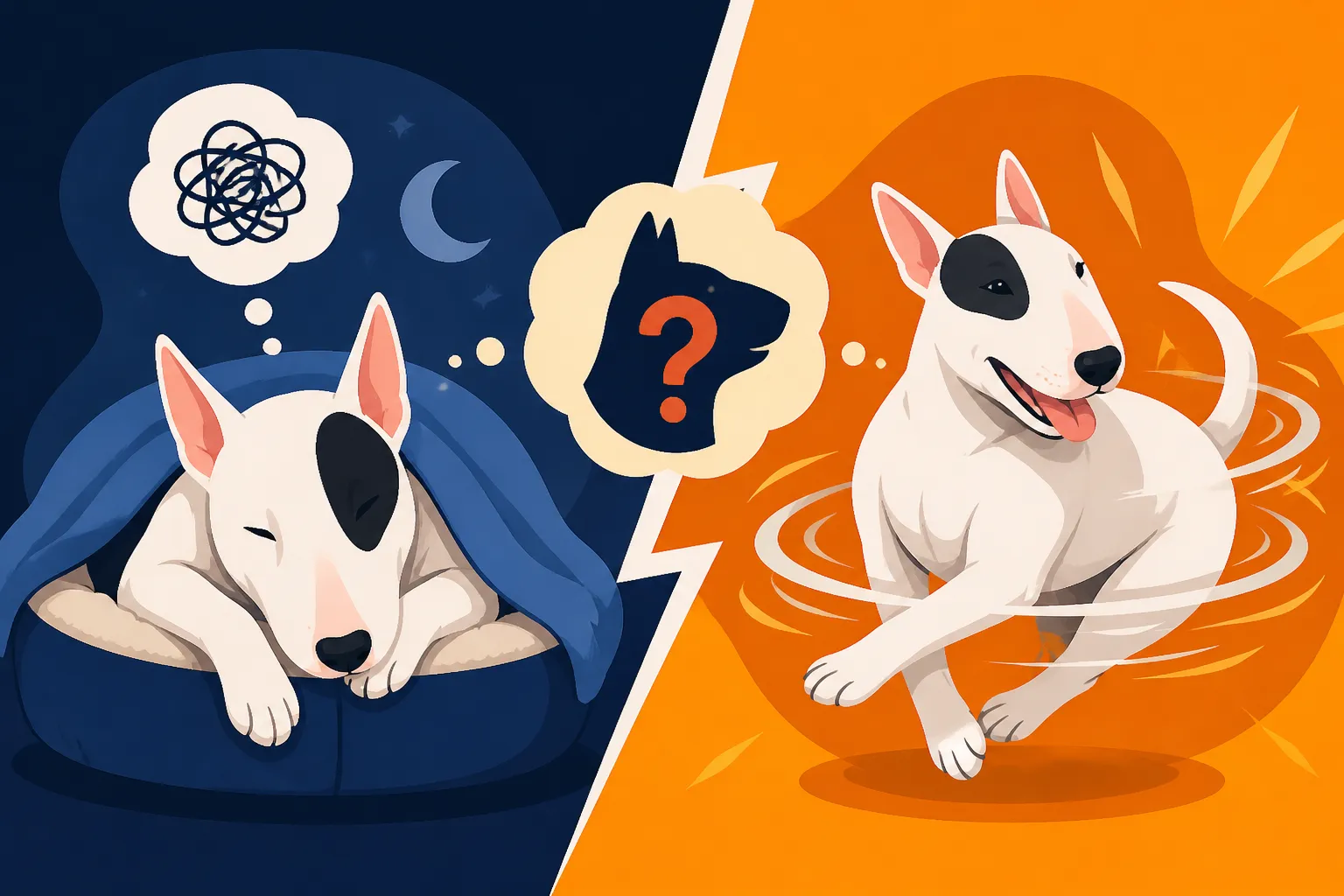
Imagine your Bull Terrier suddenly dropping their head, eyes fixed on their tail, and then launching into a tight, fast spin, sometimes for minutes at a time. This isn't just a quick nip at an itchy rear; it's a relentless, repetitive circuit, often accompanied by a glazed expression that suggests they're not fully "present." Some dogs will growl or bark while spinning, others will be completely silent. They might bounce off furniture or ignore your calls, completely absorbed in the motion. For some, it might start mildly, almost playfully, but then escalate into an intense, almost frantic activity. This isn't something they can easily be pulled out of with a simple "leave it." It's a profound behavioral pattern. If you've ever seen it, you know it's quite unlike typical dog play. How Often a Bull Terrier Spins in a Day can vary wildly, from a few short bouts to extended periods that dominate their activity.
Often, owners describe it as a sudden shift in personality – one moment they're calm, the next they're a blur of white or colored fur, consumed by their tail. The spinning can appear to be self-rewarding, as if the act itself provides some internal satisfaction or release for the dog. It’s not uncommon for these episodes to occur in specific environments or at certain times, though they can also be unpredictable. Observing when and where your Bull Terrier spins can be a valuable clue in understanding its triggers.
The Root Causes of Spinning: Genetics and Compulsive Behaviors
The scientific community and Bull Terrier enthusiasts generally agree that spinning in this breed is primarily a form of canine compulsive disorder (CCD), which shares similarities with obsessive-compulsive disorder in humans. It's often linked to a genetic predisposition. Why a Bull Terrier Chases Its Tail isn't just boredom; it's a hardwired response. Think of it less as a choice and more as an involuntary coping mechanism or an expression of underlying anxiety or neurological pathways.
While it's a compulsive behavior, it's also true that environmental factors can exacerbate it. Stress, lack of appropriate stimulation, or even too much stimulation without proper decompression can increase the likelihood and intensity of spinning episodes. For example, a Bull Terrier living in a chaotic household might spin more often than one in a calm, predictable environment. It's not a sign of a "bad" dog, but rather a unique characteristic of the breed that requires understanding and management. It's also critical to distinguish it from a seizure; while it might look dramatic, it's generally not epileptic. Whether Bull Terrier Tail Chasing Is a Seizure is a common question, and thankfully, it's usually not, but a vet check is always wise.
The Link Between Overtiredness and Intensified Spinning
Now, let's address the burning question: does being overtired directly cause Bull Terrier spinning? In most cases, the answer is no, not directly. Spinning is usually rooted in a genetic predisposition and compulsive tendencies. However, overtiredness can absolutely act as a significant trigger or exacerbator of existing spinning behavior. Think of it like a child who becomes extra hyper and prone to meltdowns when they're exhausted – their underlying behavioral patterns are magnified.
How Overtiredness Manifests in Bull Terriers
Bull Terriers, for all their robust appearance and boundless energy, can get surprisingly cranky when they're overtired. It's not always obvious like a puppy collapsing in a heap. Instead, you might see a subtle shift in their demeanor. They might become restless, unable to settle despite being tired. Pacing, whining, or an inability to relax even in a quiet space are all potential indicators. They might become more mouthy or nippy, almost like an exhausted toddler who resorts to biting because they can't articulate their fatigue.
Some Bull Terriers might become irritable, snapping at other pets or even their favorite people for minor infractions. They might ignore cues they usually know perfectly, or display an exaggerated "stubbornness." Excessive yawning, rubbing their face on furniture, or even a slight tremor can also be signs. It’s important to remember that Bull Terriers often have an "on" switch that's very hard to turn "off," and they can push themselves past the point of sensible fatigue if not managed. This is particularly true for younger dogs; How Much Sleep a Bull Terrier Puppy Needs is significant, and falling short can lead to cranky behavior.
Overtiredness as a Trigger or Exacerbator
When a Bull Terrier is overtired, their ability to self-regulate, process stimuli, and manage their impulses can decrease dramatically. This lowered threshold makes them more susceptible to expressing their compulsive tendencies, including spinning. It's not that overtiredness creates the spinning, but it opens the floodgates for it to manifest more intensely or frequently.
Imagine a situation where your Bull Terrier has had a particularly stimulating day – a long walk, a playdate, a trip to a new place. If they haven't had adequate downtime to recover and "switch off," the accumulation of physical and mental fatigue can make them prone to an intense spinning session later that evening. The spinning might become their way of discharging that pent-up, overstimulated energy that they simply can't process anymore. It's a self-soothing, albeit compulsive, response to being pushed past their limits. So, while you might not always see a direct one-to-one correlation, a pattern of increased spinning after periods of intense activity or lack of rest is definitely worth noting.
Recognizing and Managing Overtiredness in Your Bull Terrier
Being able to spot the subtle cues of an overtired Bull Terrier is a superpower for any owner. It allows you to intervene before the spinning starts or escalates, and to ensure your dog lives a more balanced and comfortable life. It’s about being proactive, not reactive, and understanding their unique needs.
Identifying the Signs of Fatigue
Beyond the obvious yawning, several signs can point to a Bull Terrier reaching their limit. One common indicator is an inability to settle. They might pace around the house, shift positions frequently, or try to initiate play even when their body language suggests exhaustion. Another sign is heightened reactivity: they might bark at noises they usually ignore, become more jumpy, or even show a low-grade grumpiness towards you or other household members.
Look at their eyes; sometimes, an overtired Bull Terrier's eyes might seem a little bloodshot or have a duller, more distant gaze. They might also become clumsy, bumping into things more often than usual. Some Bull Terriers will seek out a quiet corner to decompress, only to remain restless even there. If your dog, who normally loves cuddles, suddenly pulls away or acts agitated when you try to pet them, it could be a sign they’re overstimulated and tired. Paying close attention to these nuances can help you prevent a full-blown spinning episode.
Creating a Balanced Schedule for Your Bull Terrier
Consistency and routine are paramount for managing overtiredness and potentially reducing spinning in Bull Terriers. They thrive on knowing what to expect, and a predictable schedule helps them regulate their energy levels. This means not just regular feeding and potty breaks, but also structured periods of activity followed by enforced downtime.
A typical day might include:
- Morning: A brisk walk or play session, followed by breakfast and a quiet chew toy session in their crate.
- Mid-day: A shorter walk or mental game, then a long nap.
- Evening: Another good exercise session, dinner, and then quiet time with the family.
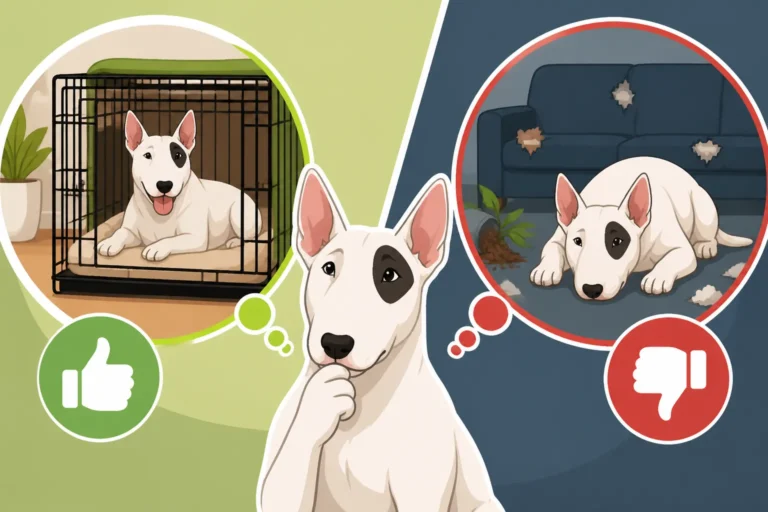
Ensuring ample opportunities for undisturbed sleep is crucial. This often means providing a comfortable, secure space like a crate where they can truly switch off. Investing in a durable crate that a determined Bull Terrier can't break is key. What a Heavy Duty Bull Terrier Crate Costs might seem like a lot, but it's an invaluable tool for peace of mind and canine well-being. Regular naps, especially for puppies or young adults, are not optional; they are essential for physical and mental recovery.
Strategies to Mitigate Spinning in Overtired Bull Terriers
Once you’ve identified that overtiredness might be playing a role in your Bull Terrier’s spinning, you can implement specific strategies to help. These approaches focus on managing their energy, providing appropriate outlets, and knowing when to seek professional help.
Providing Structured Downtime
Structured downtime is your best friend when dealing with an overtired Bull Terrier. It means creating an environment where your dog can and will settle, even if they'd rather keep going. A comfortable crate, perhaps covered to block out visual distractions, can be a sanctuary. Make sure it’s in a quiet part of the house, away from the hustle and bustle. Offer a long-lasting chew or a stuffed Kong toy to encourage them to lie down and decompress. Many great options are available on Amazon for engaging yet calming chew toys.
Beyond the crate, consider specific "quiet times" in your household. This might involve dimming the lights, playing calming music, or simply ensuring no one is actively engaging with your Bull Terrier. Think of it as enforcing a siesta. This isn't about punishment; it's about teaching your dog how to relax and giving their nervous system a chance to reset. A good routine that includes mandatory rest periods helps prevent them from hitting that critical point of overtiredness where spinning is more likely to occur. Whether a Spinning Bull Terrier Can Be Distracted is possible, but prevention through structured rest is often more effective.
Enrichment and Appropriate Exercise
While rest is vital, so is ensuring your Bull Terrier is getting enough appropriate physical and mental exercise to truly tire them out in a healthy way. This means more than just letting them zoom around the yard. Structured walks, playtime with puzzle toys, and training sessions can be incredibly beneficial. Mental stimulation, especially, can be just as tiring, if not more so, than physical exercise.
Think about activities that engage their powerful minds. Scent work, for example, allows them to use their noses and problem-solve, which is deeply satisfying. Training sessions, kept short and fun (remember, Bull Terriers often Why a Bull Terrier Quits on the Fourth Repetition), can also burn mental energy. For physical activity, a good long walk where they can sniff and explore can be far more enriching than a frantic game of fetch. Investing in Which Puzzle Toys Occupy a Bull Terrier can be a game-changer, turning meal times into a mental workout. Chews are also fantastic for calming: a bully stick or similar durable chew, supervised of course, can help a Bull Terrier unwind.
Seeking Professional Guidance
If you’ve tried adjusting your Bull Terrier’s schedule and enrichment, but the spinning persists, increases, or becomes more intense, it’s time to call in the professionals. Your veterinarian should always be your first point of contact to rule out any underlying medical conditions. While spinning is typically behavioral, health issues can sometimes manifest in strange ways.
Beyond a general vet check, a referral to a veterinary behaviorist or a certified professional dog trainer with experience in compulsive disorders is highly recommended. These experts can help you devise a tailored behavior modification plan, potentially involving medication if necessary. They can observe your dog's spinning behavior, identify specific triggers, and guide you through techniques to redirect or interrupt the spinning effectively. Programs like BAXTER & Bella offer online resources and one-on-one coaching that can be invaluable for navigating complex behavioral challenges, even if your local options are limited. Remember, managing a compulsive behavior is a journey, and having professional support makes all the difference. How a Spinning Bull Terrier Is Treated often involves a multi-faceted approach, combining environmental management, training, and sometimes medication. When a Bull Terrier's Spinning Needs a Vet is sooner rather than later if you're concerned about its frequency or intensity.
Here’s a quick overview to help distinguish between typical dog fatigue and the more specific manifestations of overtiredness that can influence spinning:
| Characteristic | Typical Dog Fatigue | Overtired Bull Terrier |
|---|---|---|
| Settling Ability | Lies down easily, often seeks a quiet spot, sleeps. | Restless, paces, shifts frequently, struggles to settle even in quiet. |
| Mood | Content, relaxed, sleepy. | Irritable, grumpy, easily startled, mouthy or nippy. |
| Engagement | Less interested in play, happy to just rest. | May initiate frantic play, ignores cues, seems "hyper" despite exhaustion. |
| Physical Signs | Yawning, slow movements, heavy eyelids. | Excessive yawning, rubbing face, slight tremors, clumsy. |
| Spinning Impact | Unlikely to trigger or worsen. | Can significantly trigger or worsen existing compulsive spinning. |
Conclusion
The unique intensity of Bull Terrier spinning can be a perplexing challenge for owners, and while overtiredness doesn't create this behavior out of thin air, it can certainly fan the flames. Recognizing the subtle signs that your Bull Terrier is pushed past their energetic limits is a crucial step in managing and potentially reducing the frequency and severity of these spinning episodes. By prioritizing structured downtime, implementing a balanced routine, providing appropriate physical and mental enrichment, and not hesitating to seek professional help when needed, you can help your quirky companion navigate their world with more calm and less compulsive spinning. Understanding their needs and responding with empathy and strategy is the best way to support your one-of-a-kind Bull Terrier.
Disclaimer
This article is for general informational purposes only and does not constitute professional advice. Laws, prices and regulations vary by location and change over time. Consult a qualified professional for guidance on your specific situation.