Why a Dog Park Goes Wrong for a Bull Terrier
Bull Terrier play style, intense gripping behavior, and a three year old mentality explain why public dog parks cause dangerous conflicts.
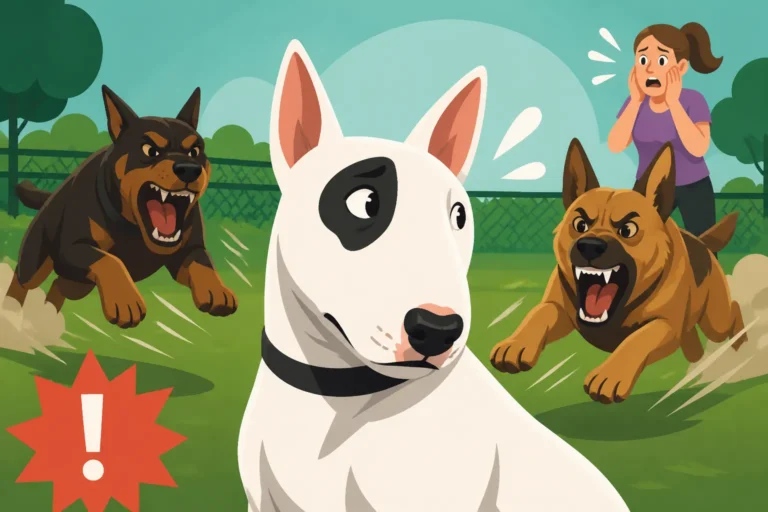
Bull Terrier play style, intense gripping behavior, and a three year old mentality explain why public dog parks cause dangerous conflicts.
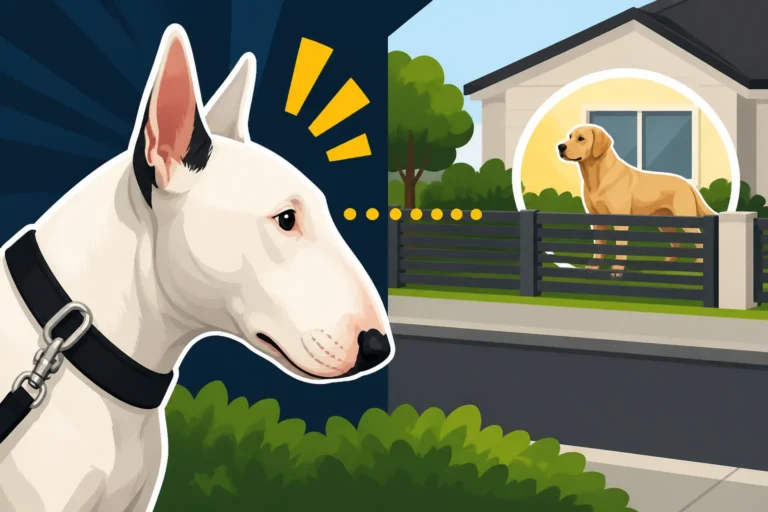
Bull Terrier fixation on distant dogs stems from genetics, frustration, excitement, or uncertainty, requiring targeted management strategies.

Bull Terrier animal companions and multi pet households require careful planning for safe cohabitation with cats and dogs.

Two Bull Terriers living together requires assessing individual temperaments, strong personalities, resource guarding risks, and social nature.

Bull Terrier spinning behavior requires veterinary assessment when it becomes compulsive, trance-like, frantic, or causes physical harm.
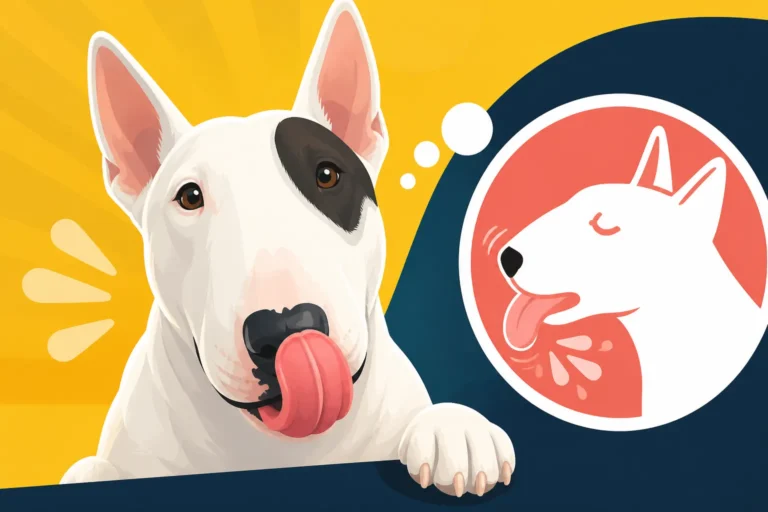
Obsessive licking by a Bull Terrier signals underlying medical issues, skin allergies, joint pain, or gastrointestinal upset.
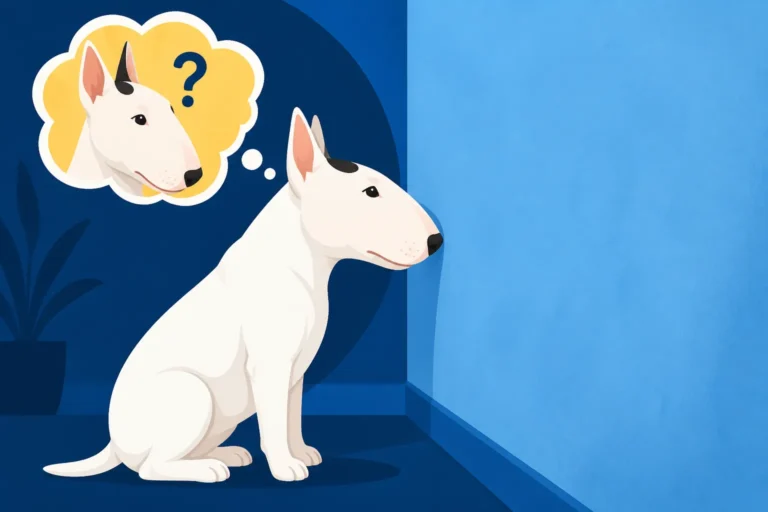
Bull Terrier trancing and ghost staring explains why dogs stare at walls, how to differentiate seizures, and how to spot tail chasing.

Bull Terrier trancing involves slow, deliberate movements under light fabrics, differing safely from seizures through maintained consciousness.
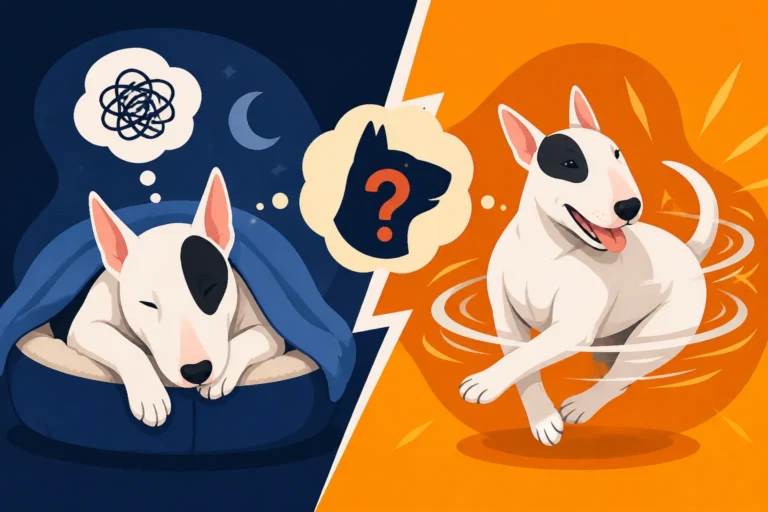
Bull Terrier spinning and tail chasing behavior linked to canine compulsive disorder, genetics, and environmental stress.
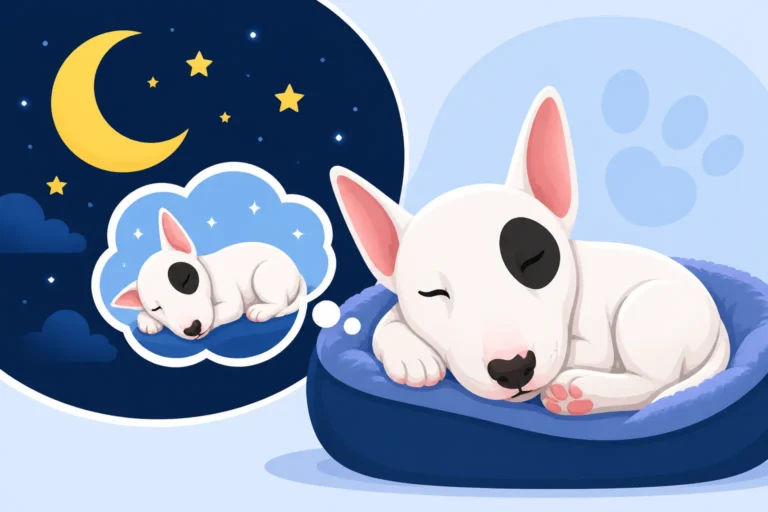
Bull Terrier puppies require eighteen to twenty hours of sleep daily to support robust physical growth and vital brain development.