How Many Chews a Bull Terrier Needs a Week
Bull Terrier chewing frequency requirements and strategies protect household furniture and satisfy powerful canine instincts.
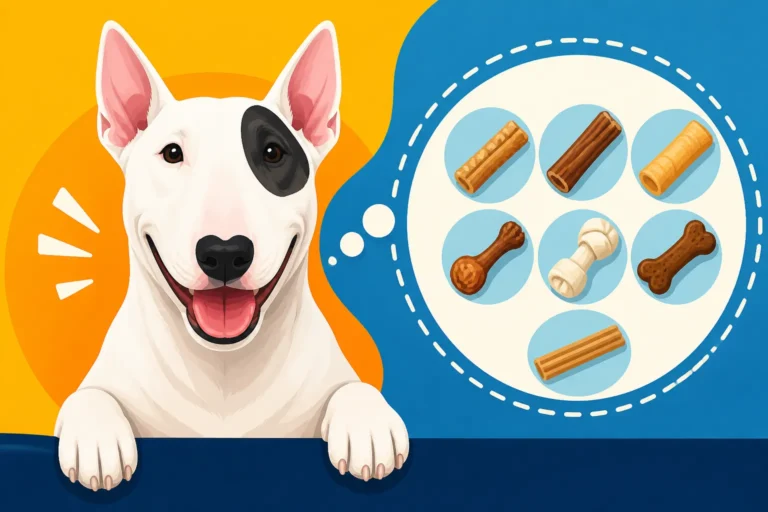
Bull Terrier chewing frequency requirements and strategies protect household furniture and satisfy powerful canine instincts.

Durable puzzle toys provide mental workouts and food-dispensing challenges that occupy clever, strong-jawed Bull Terriers safely.
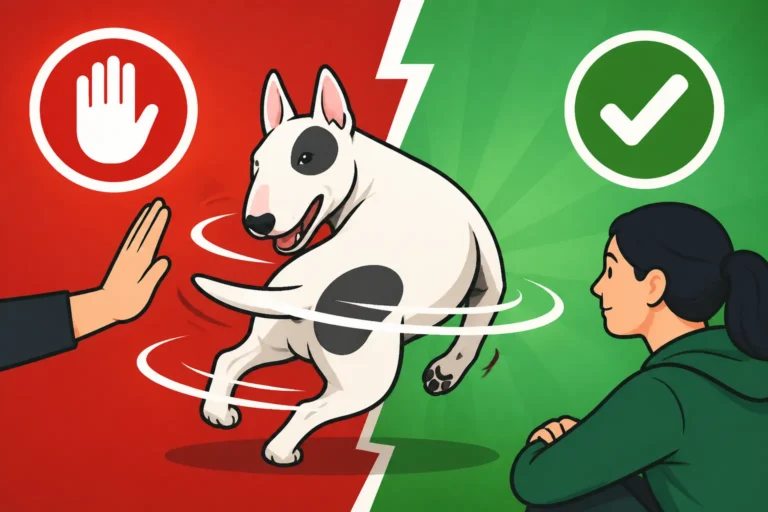
Bull Terrier spinning behavior requires careful handling to determine whether medical issues, anxiety, or compulsive habits cause the circling.

Bull Terrier spinning and tail chasing behavior stems from neurological conditions, obsessive-compulsive disorder, anxiety, or boredom.
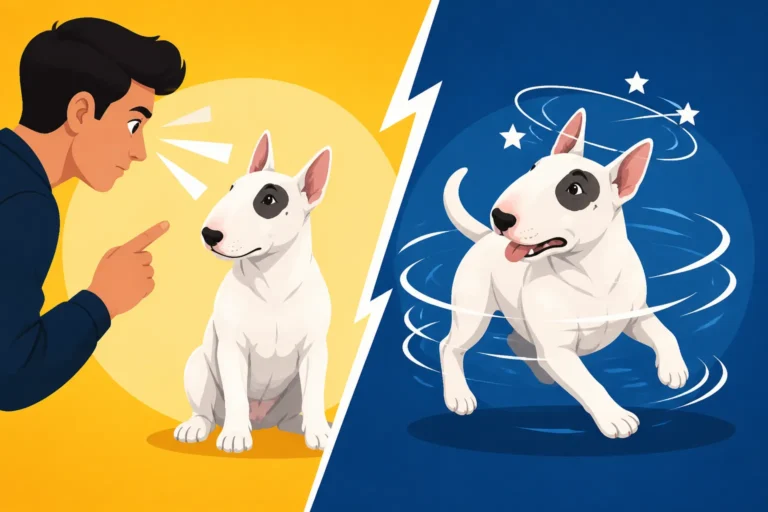
Bull Terrier spinning and tail chasing behavior linked to genetics, medical issues, stress, and human attention triggers.
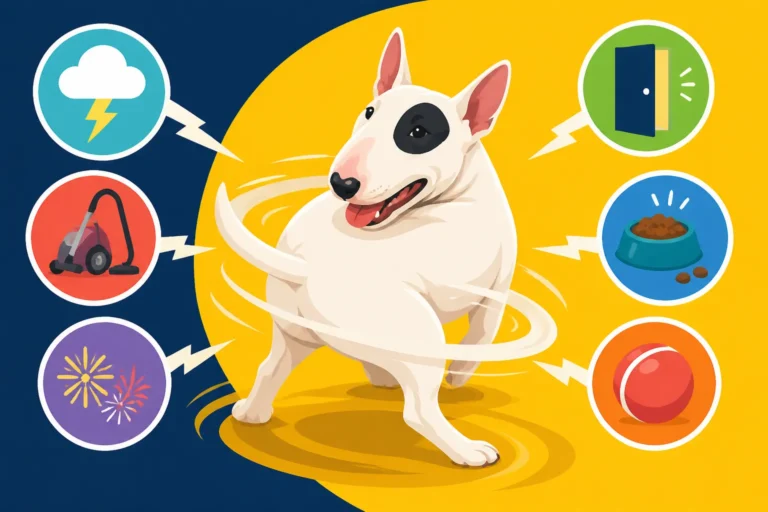
Bull Terrier spinning behavior stems from genetic predispositions, environmental triggers, and boredom that start during adolescence.
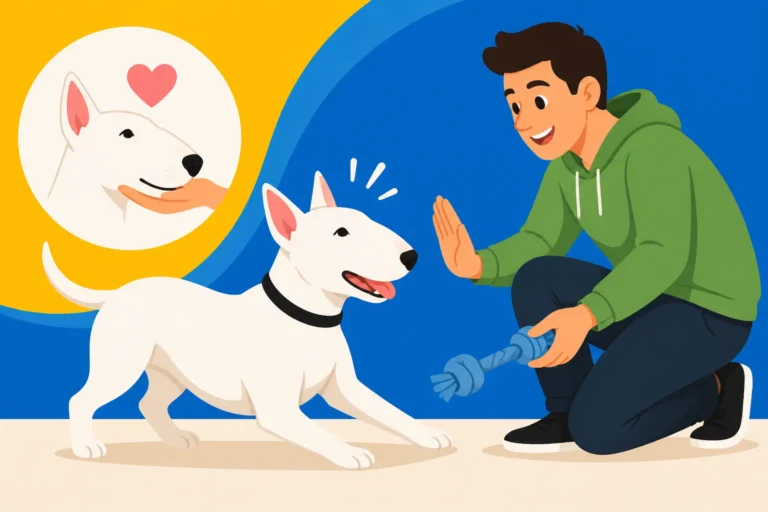
Bull Terrier owners learn how to channel high energy and physical play styles into safer interactions with consistent boundaries.
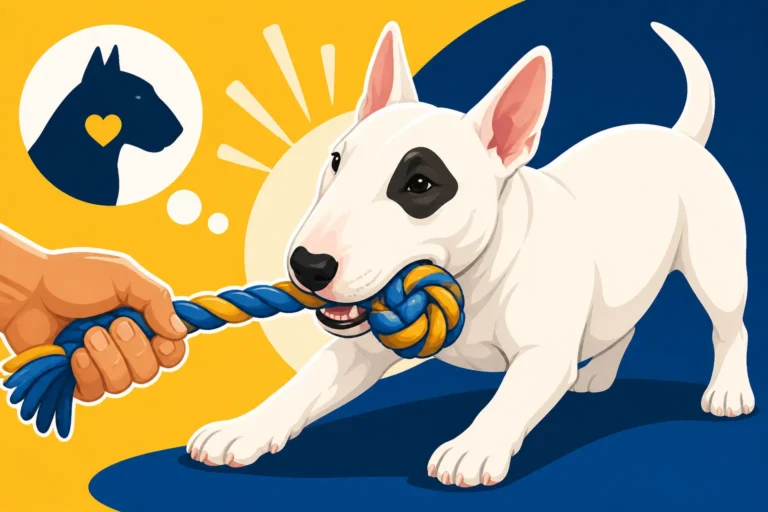
Bull Terrier gripping behavior during play stems from genetic instincts, prey drive, and early socialization experiences.

Bull Terrier play styles, featuring robust body slamming and mouthing, compared against signs of real aggression during dog park visits.
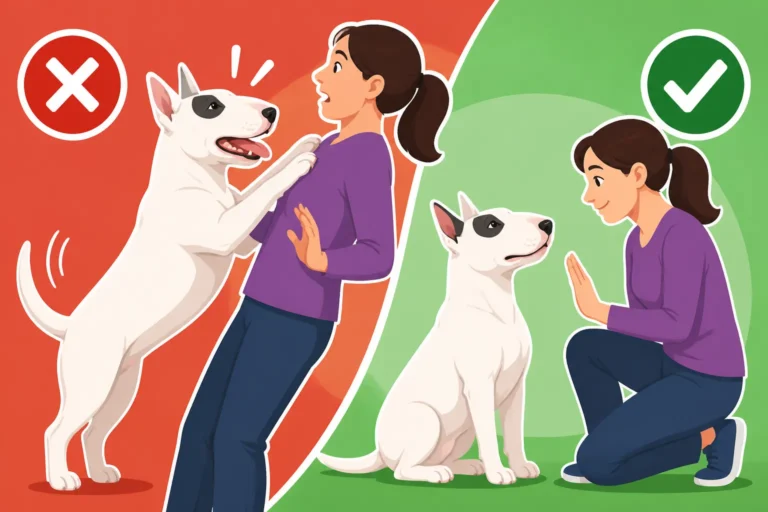
Bull Terrier jumping behavior explained through excitement, attention seeking, and play, with methods to teach four paws on the floor.