The Age a Bull Terrier’s Dog Tolerance Changes
Bull Terrier dog tolerance shifts during maturity, and understanding genetics helps owners manage canine social dynamics.
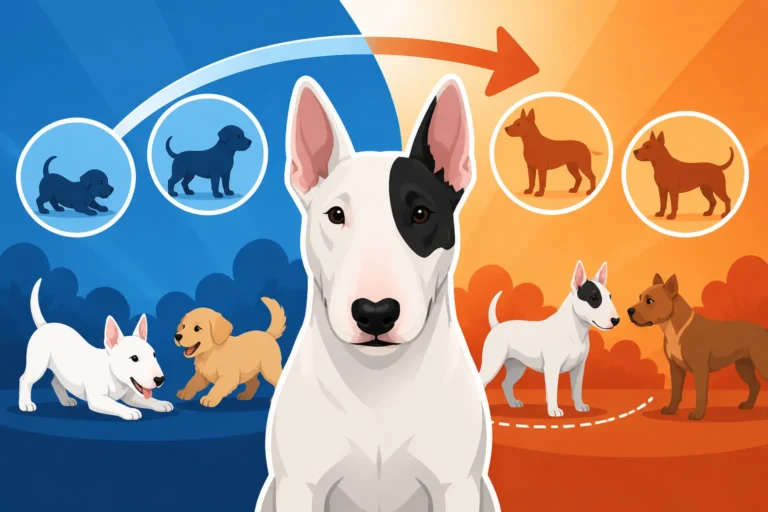
Bull Terrier dog tolerance shifts during maturity, and understanding genetics helps owners manage canine social dynamics.
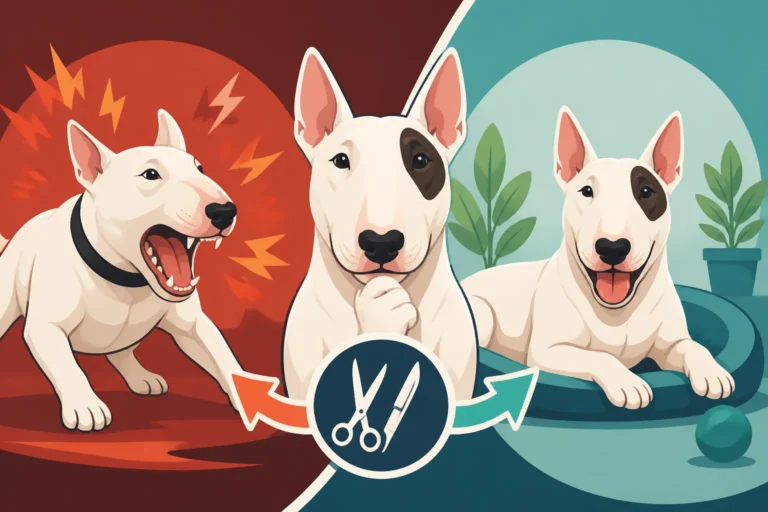
Neutering a Bull Terrier reduces hormone-driven behaviors like roaming and marking but does not change their natural energy.

Bull Terrier guarding behavior explained through loyalty instincts, physical barriers, subtle warnings, and managing reactivity toward strangers.
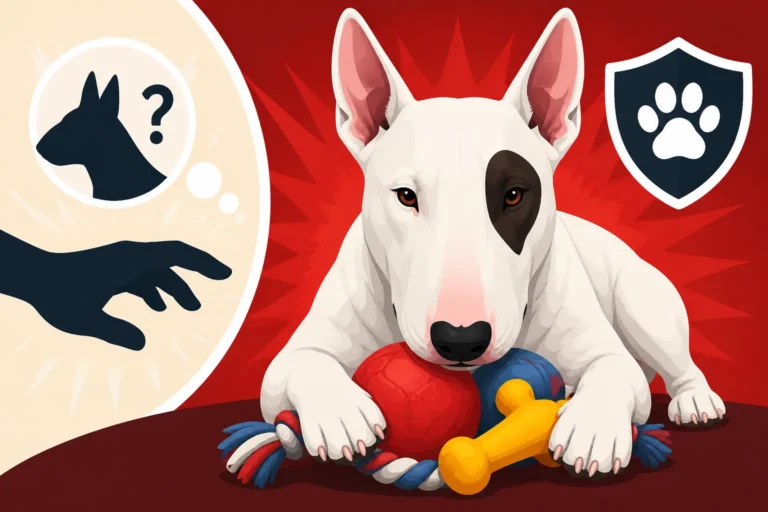
Bull Terrier toy guarding, or possessive aggression, explains natural instincts, warning signs, and management strategies.
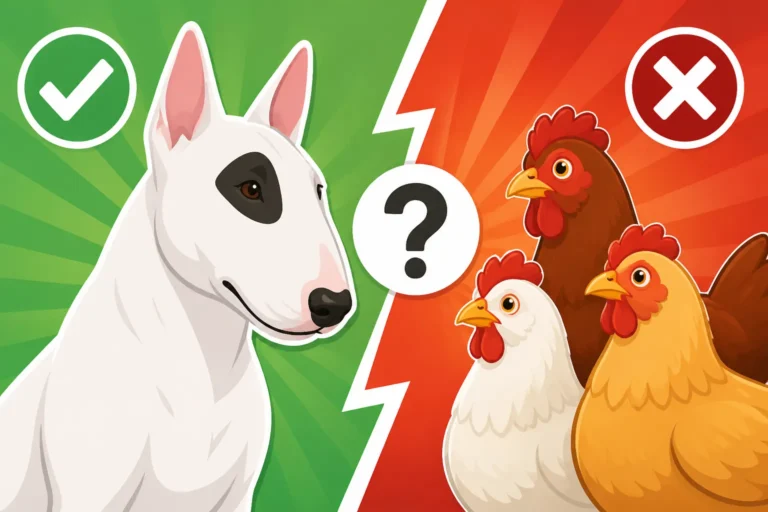
Bull Terriers possess an innate prey drive rooted in breed history that creates serious safety risks for backyard chickens.
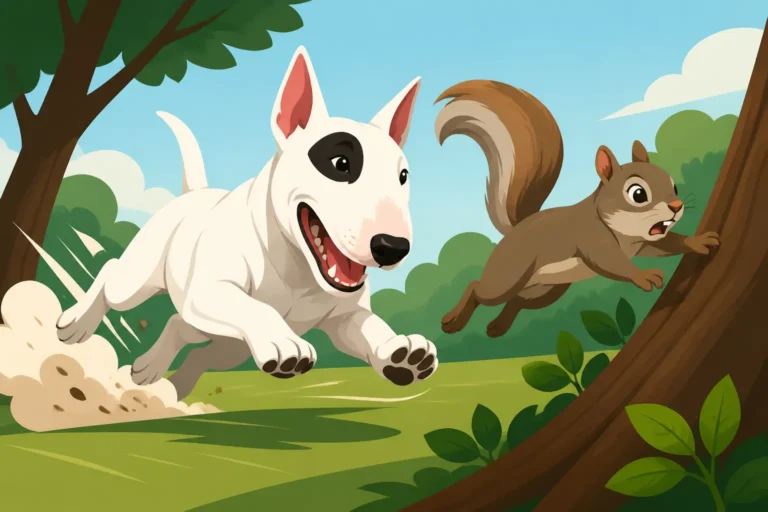
Bull Terrier squirrel chasing instincts stem from 19th century England origins, explaining how to manage this deep prey drive safely.
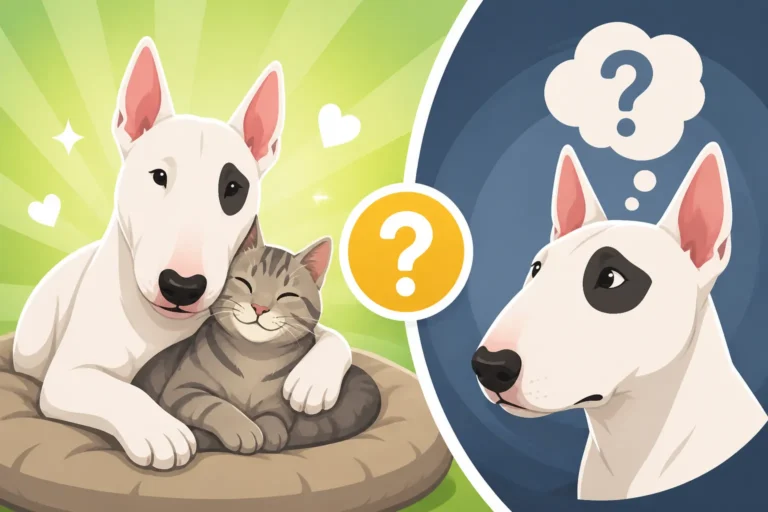
Bull Terrier coexistence with cats depends on managing ingrained prey drive and high energy through early socialization.
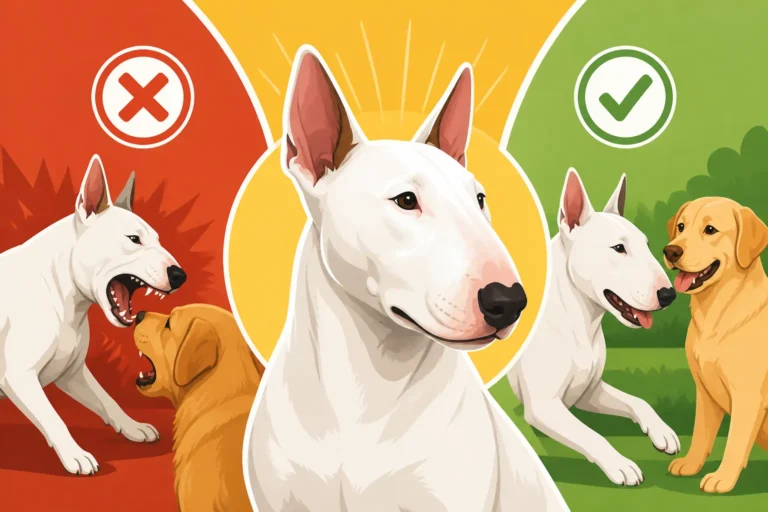
Adult Bull Terrier tolerance training methods, innate breed predispositions, and realistic outcomes for reactivity.
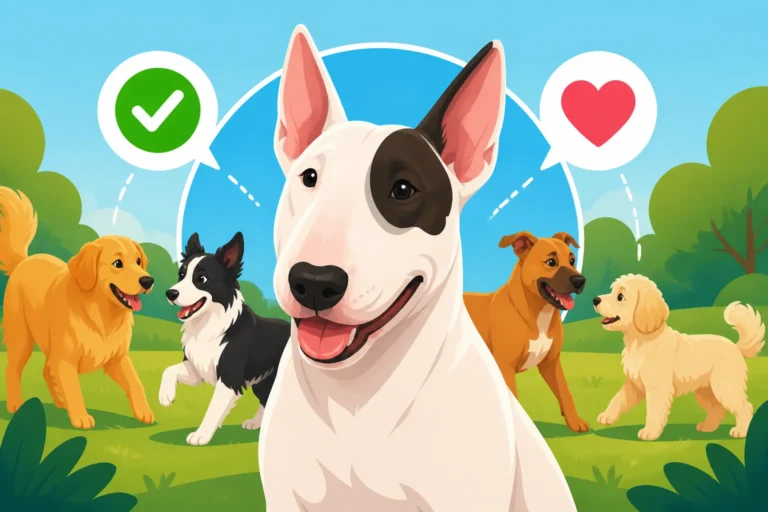
Bull Terrier socialization methods and traits explain why these dogs often show selectivity rather than outright aggression.
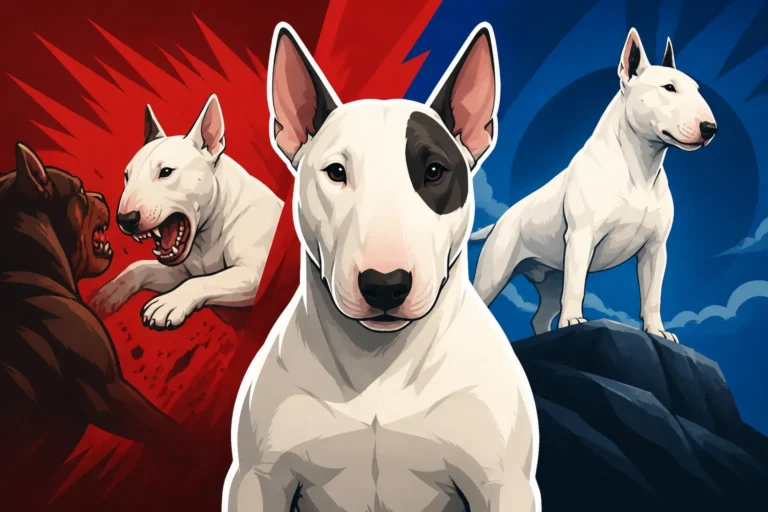
Bull Terrier conflict behavior stems from historical breeding traits determining whether the dogs start fights or finish them.