Caring for a Bull Terrier Past Eight
Senior Bull Terriers past eight years old require proper care to manage behavior changes, metabolism shifts, and hidden pain.

Senior Bull Terriers past eight years old require proper care to manage behavior changes, metabolism shifts, and hidden pain.
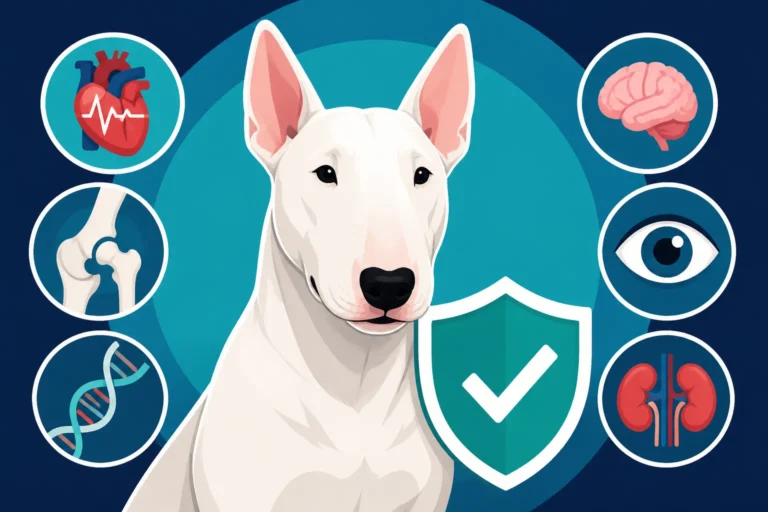
Bull Terrier breeders must test breeding stock for Hereditary Nephritis using yearly UPC ratio tests and renal ultrasound screening.

Bull Terrier lifespan typically spans ten to fourteen years, influenced by genetics, nutrition, and breed health challenges.
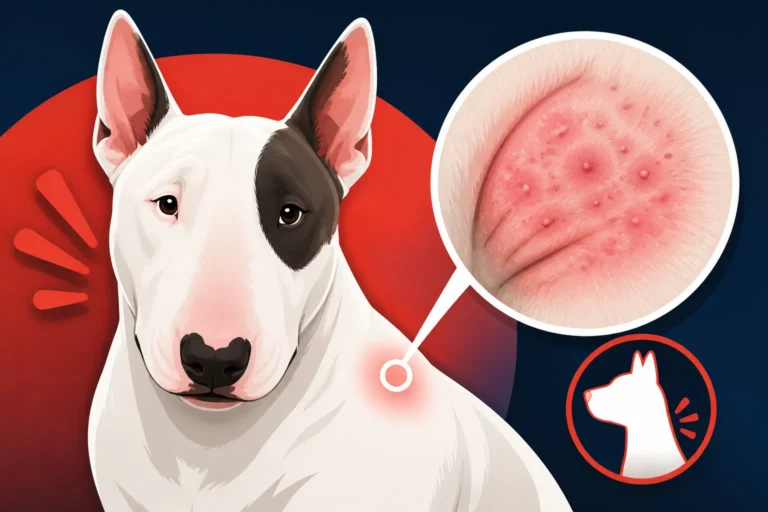
Bull Terrier skin issues, genetic factors, and coat colors explain why this breed faces constant irritation and allergies.
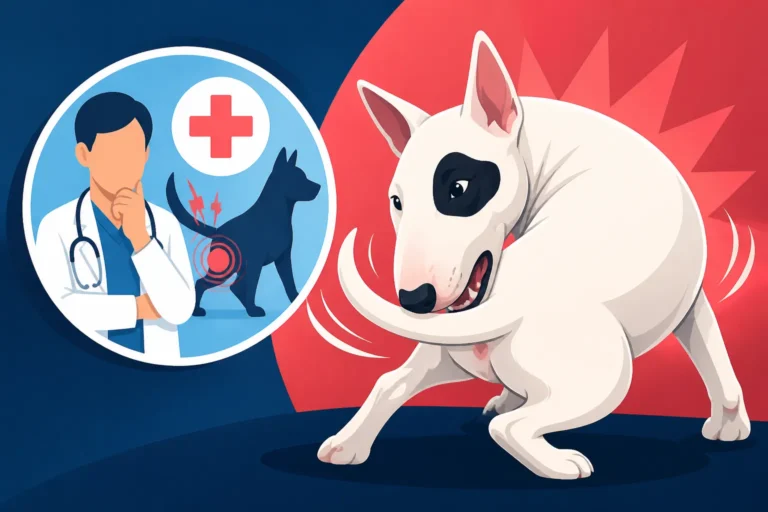
Bull Terrier tail chasing indicates serious medical, neurological, or behavioral problems requiring veterinary consultation and management.
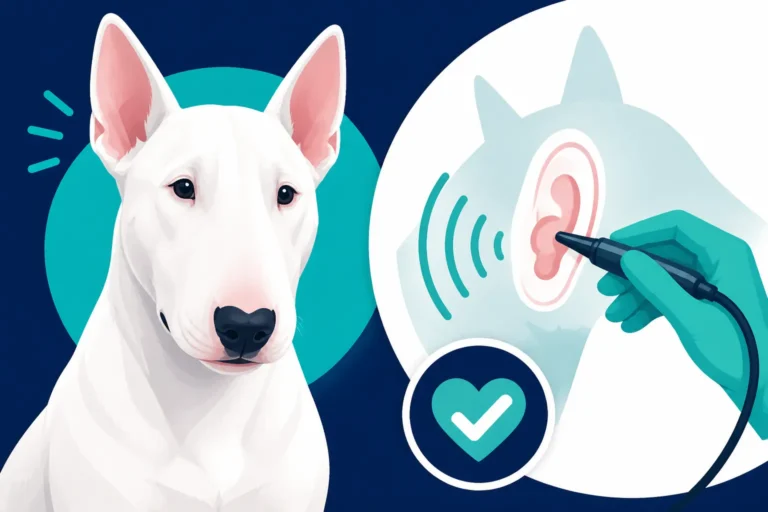
Genetic deafness linked to melanin makes BAER testing necessary for white Bull Terriers to detect unilateral or bilateral hearing loss.

Bull Terrier puppy heart murmurs, including innocent sounds, Mitral Valve Dysplasia, and Aortic Stenosis, require veterinary checkups.
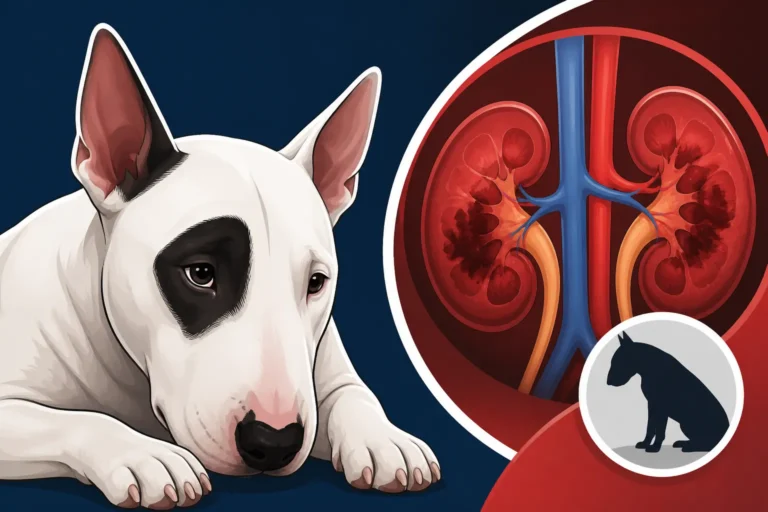
Hereditary Nephritis is a genetic kidney condition that causes progressive organ failure and protein loss in young Bull Terriers.

Yearly urine tests for Bull Terriers detect hidden kidney disease early, helping owners manage inherited health conditions.

Lethal Acrodermatitis in Bull Terriers is an inherited genetic disorder causing zinc deficiency and terminal organ damage.