Why a Bull Terrier Licks Obsessively
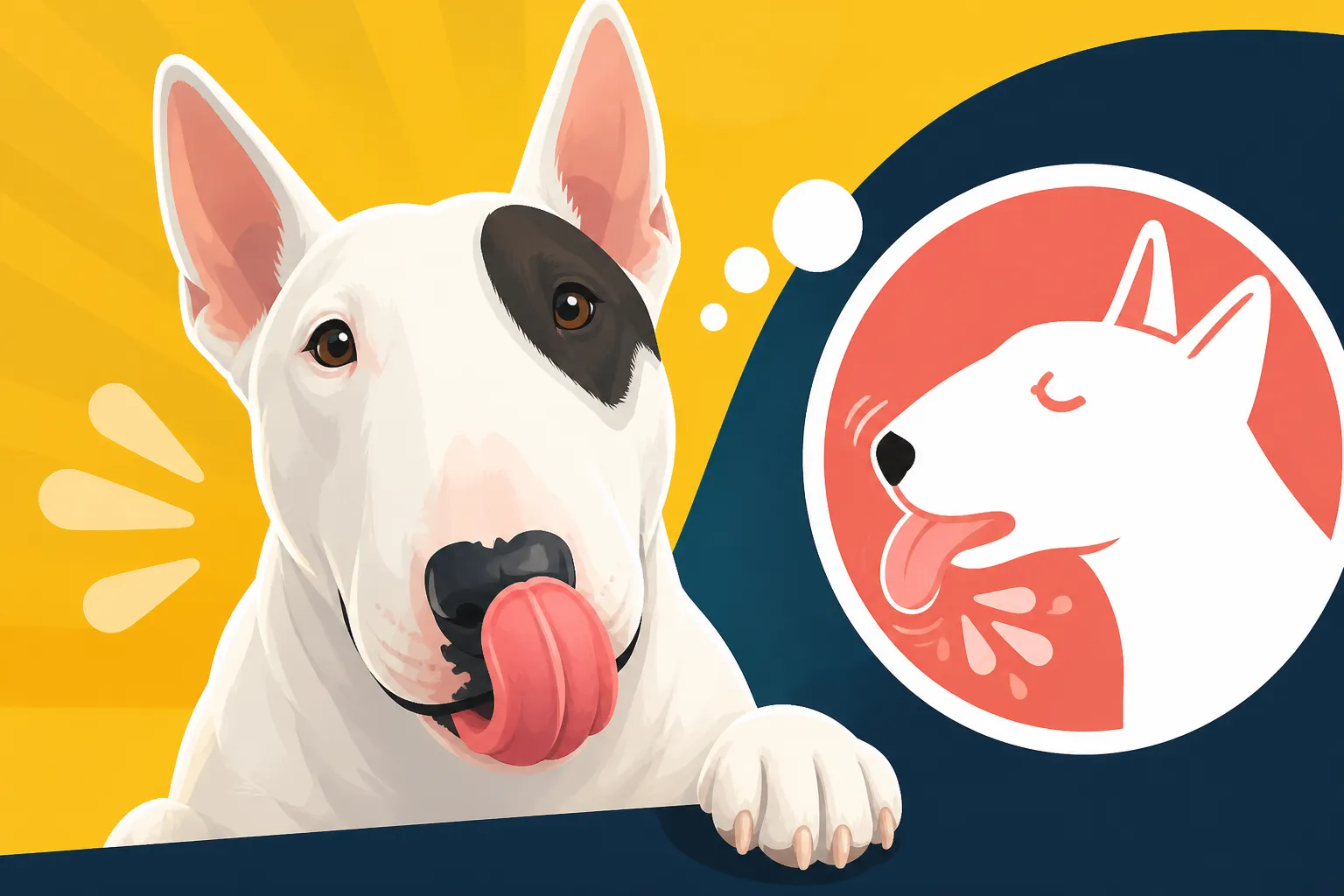
It can be truly bewildering, and sometimes downright alarming, to watch your Bull Terrier engage in relentless, obsessive licking. You might find yourself constantly saying, "Stop licking that!" whether it's their paws, your sofa, the floor, or even the air. This isn't just a quirky habit; it often signals an underlying issue that needs our attention. This comprehensive guide will help you understand the many reasons behind this behavior and give you actionable steps to help your beloved, lick-prone companion.
Common Reasons Behind Obsessive Licking in Bull Terriers
When your Bull Terrier becomes fixated on licking, it’s rarely just for the fun of it. Their intense focus on this behavior is almost always a sign that something deeper is at play, whether it’s a physical discomfort or an emotional struggle. Understanding these root causes is the first crucial step to finding a solution.
Medical Conditions and Allergies
One of the most frequent culprits behind obsessive licking in Bull Terriers, especially licking of the paws or body, is an underlying medical issue. These dogs, with their unique skin and build, can be prone to certain sensitivities.
- Skin Irritations, Allergies, and Infections: Bull Terriers are notorious for their sensitive skin. Allergies, whether environmental (pollen, dust mites), food-related, or contact allergies, can cause intense itchiness that your dog tries to soothe by licking. This licking, in turn, can break the skin barrier, leading to secondary bacterial or yeast infections, creating a vicious cycle of itch-lick-infect. You might notice redness, bumps, or even hair loss in the affected areas. A dog relentlessly licking their paws, for instance, is often battling environmental allergies. It’s a common frustration for Bull Terrier owners to see their dog’s skin flare up, and persistent licking is usually the first sign. Remember, A Bull Terrier's Skin Is Its Weakest Point, so any change needs close monitoring.
- Pain and Discomfort: Dogs often lick excessively as a way to self-soothe or draw attention to an area that's causing them pain. This could be anything from joint discomfort – perhaps an old injury flaring up, or even something like Patellar Luxation in a Bull Terrier – to internal organ pain. If your Bull Terrier is licking a specific joint or area of their body, especially if they are hesitant to move, limping, or showing other subtle signs of discomfort, pain should definitely be on your radar. They might lick the air or their flank repeatedly if they have abdominal upset or nausea. Sometimes, the pain is less obvious, like a dental issue, where they might lick their lips or chew at the air.
- Gastrointestinal Upset: A surprising number of licking behaviors can be linked back to an upset tummy. Dogs experiencing nausea, acid reflux, or other gastrointestinal issues might lick surfaces, the air, or their lips frequently. This can be their way of trying to settle their stomach or dealing with a sour taste. If the licking is accompanied by gulping, drooling, or a reluctance to eat, it’s definitely worth considering digestive problems. Some Bull Terriers are quite sensitive to certain foods, and even a minor dietary indiscretion could trigger this kind of response.
- Parasites: Fleas, mites (like Demodex), or other external parasites can cause intense itching, prompting your Bull Terrier to lick, bite, and scratch. Even if you don't see visible fleas, a single bite can cause a major reaction in sensitive dogs. Demodectic Mange in a Bull Terrier, while usually seen as hair loss, can also cause itching that drives a dog to lick. Regular parasite prevention is key, but if licking persists, your vet might need to do skin scrapings to check for microscopic mites.
- Neurological Issues: While less common, certain neurological conditions can manifest as compulsive licking. This might be part of a seizure activity or a focal seizure, where the dog isn't losing full consciousness but is engaging in repetitive, involuntary behaviors. If the licking seems disconnected from any obvious external or internal trigger and is accompanied by other odd behaviors, it warrants a deeper look by a veterinary professional.
Behavioral and Psychological Factors
Beyond physical ailments, a Bull Terrier's mind can also drive them to obsessive licking. These are highly intelligent, sensitive, and often energetic dogs who need a good outlet for their brain and body.
- Anxiety and Stress: Just like humans might bite their nails or fidget when stressed, dogs often use licking as a coping mechanism. A Bull Terrier prone to anxiety might lick their paws, legs, or objects when they feel uneasy, alone, or overwhelmed. This is particularly common in cases of Whether a Bull Terrier Gets Separation Anxiety, where the licking might escalate when you leave the house or in anticipation of your departure. Changes in routine, new environments, loud noises, or even the feeling of being ignored can trigger this self-soothing behavior.
- Boredom and Lack of Stimulation: Bull Terriers are not content to be couch potatoes all day. They thrive on engagement, physical activity, and mental challenges. If a Bull Terrier isn't getting enough exercise or mental stimulation, they can easily become bored, which often leads to destructive behaviors, excessive barking, or, yes, obsessive licking. Licking provides a form of self-entertainment, a way to pass the time when they have nothing else to do. If your Bull Terrier seems to lick more when you’re busy or when they haven't had a good walk or training session, boredom is a likely suspect. Remember, What a Bull Terrier Does When It Is Bored can be quite extensive, and licking is just one manifestation. Providing appropriate outlets, like puzzle toys from Amazon or engaging training sessions, is crucial.
- Compulsive Disorder: In some cases, chronic stress, anxiety, or even unresolved medical issues can lead to the development of a compulsive disorder, similar to OCD in humans. The licking starts as a response to something, but then becomes a fixed, repetitive behavior that the dog struggles to stop, even when the initial trigger is gone. This is a bit like Why a Bull Terrier Chases Its Tail in a compulsive manner; the behavior becomes self-reinforcing. These dogs might develop "lick granulomas" – raw, thickened areas on their skin from constant licking – even if the original itch or pain is no longer present.
- Attention-Seeking Behavior: Let’s be honest, Bull Terriers are master manipulators (in the most endearing way, of course!). If they learn that licking you, the furniture, or themselves gets a reaction – even a negative one like "Stop that!" – they might continue the behavior for the attention. If you consistently interact with your dog only when they are licking, they'll learn that licking is a great way to get your focus. It’s a subtle but powerful form of communication from their perspective.
- Learned Behavior and Habit: Sometimes, a dog starts licking due to an underlying cause (like an allergy or anxiety), but even after that cause is resolved, the licking continues simply out of habit. The behavior becomes ingrained. It can also be a comfort behavior, a way to relax or settle down, much like a baby sucking its thumb. Breaking these learned habits requires consistent redirection and sometimes professional intervention.
How to Investigate and Diagnose the Cause
Pinpointing the exact reason behind your Bull Terrier's obsessive licking can feel like detective work, but it’s absolutely essential. You can't effectively treat a problem if you don't know what you're dealing with. This process often involves a partnership between you and your veterinarian, combined with diligent observation at home.
Veterinary Consultation and Diagnostics
Your veterinarian is your primary ally in unraveling the mystery of obsessive licking. A thorough examination and a thoughtful diagnostic approach are critical.
- Full Physical Examination: The first step should always be a comprehensive physical exam by your vet. They will meticulously check your Bull Terrier's skin for any signs of irritation, redness, lesions, or parasites. They'll examine their ears, eyes, and mouth for infections or dental issues. They'll also palpate joints and muscles to check for pain or discomfort, listening to their heart and lungs, and assessing their overall body condition. It's often during this initial exam that an obvious skin condition, like flea dermatitis or a yeast infection between the paw pads, can be identified.
- Allergy Testing and Dietary Trials: If skin issues are suspected, your vet might suggest allergy testing. This can involve blood tests or intradermal skin tests to identify specific environmental allergens. If food allergies are a possibility – and many Bull Terriers can have sensitivities – a strict prescription hypoallergenic food trial is often recommended. This involves feeding a novel protein or hydrolyzed protein diet for 8-12 weeks, strictly avoiding all other foods, treats, and supplements. The idea is to eliminate all potential allergens and then reintroduce them one by one to identify the trigger. This process requires incredible discipline, but it's often the most effective way to identify food sensitivities. Finding Which Diet a Bull Terrier With Kidney Disease Needs is critical if kidney issues are suspected, but for allergies, it's about elimination.
- Bloodwork and Urinalysis: Routine blood tests (like a complete blood count and chemistry panel) and a urinalysis can provide a snapshot of your Bull Terrier's internal health. These tests can help rule out underlying metabolic diseases, organ dysfunction, or systemic infections that could be contributing to discomfort and subsequent licking. For instance, kidney issues, while typically asymptomatic in early stages, could cause general malaise that leads to licking. Regular monitoring, like The Yearly Urine Test Every Bull Terrier Owner Should Book, is vital for all Bull Terriers.
- Imaging (X-rays, Ultrasound): If pain or internal discomfort is suspected, especially if the licking is localized to a specific area, your vet might recommend imaging studies. X-rays can reveal joint problems, arthritis, or skeletal issues. An ultrasound of the abdomen can help visualize internal organs and identify any inflammation, masses, or other abnormalities that might be causing pain or nausea. These tools are invaluable for looking deeper than what a physical exam can tell us.
- Skin Scrapings and Cytology: For persistent skin issues, your vet will often take skin scrapings or impression smears (cytology) from the affected areas. These samples are examined under a microscope to check for mites, yeast, bacteria, or abnormal cells. This helps pinpoint the exact type of infection or parasite, allowing for targeted treatment.
Observation and Tracking at Home
You are your Bull Terrier’s best advocate and observer. The information you gather at home can be just as crucial as any diagnostic test.
- Keeping a Licking Log: Start a detailed log of your Bull Terrier’s licking episodes. Note down:
- When: What time of day does it happen? How long does it last?
- Where: What are they licking (paws, leg, tail, air, furniture, you)?
- Triggers: What was happening right before the licking started? Were they alone? Did a specific noise occur? Did they just eat?
- Intensity: Is it a gentle lick or a frantic, agitated behavior?
- Other behaviors: Is the licking accompanied by pacing, panting, whining, or hiding?
This log can help you and your vet identify patterns that might not be obvious in the moment. It provides concrete data rather than just anecdotes.
- Identifying Patterns and Hot Spots: Pay close attention to where the licking occurs. Licking the paws could indicate allergies, pain in the foot, or boredom. Licking the anal area might suggest discomfort from anal gland issues or parasites. Licking the air or lips could point to nausea or dental problems. If you notice a specific "hot spot" – an area of inflamed, often raw skin – this usually points to an underlying itch or irritation that your dog has exacerbated through continuous licking. These spots are painful and can quickly worsen.
- Checking for Skin Lesions, Redness, or Swelling: Daily checks of your Bull Terrier's skin, especially in areas they tend to lick, are important. Look for any redness, swelling, bumps, scabs, hair loss, or changes in skin texture. Catching these signs early can prevent a minor irritation from becoming a full-blown skin infection. Don't forget to check between their paw pads, under their chin, and in their groin area – common spots for irritation. The Weekly Skin Check Every Bull Terrier Needs is not just a recommendation; it’s a necessity for this breed.
| Potential Cause of Licking | Key Observations / Initial Steps at Home |
|---|---|
| Allergies/Skin Issues | Redness, rash, hair loss; licking paws, belly. Check for fleas. Note seasonal patterns. |
| Pain/Discomfort | Licking specific area; limping, reluctance to move; whining. Note recent injuries. |
| Gastrointestinal Upset | Licking lips, gulping, drooling; licking floors/air; changes in appetite/stool. |
| Boredom/Lack of Stim | Licking when left alone, when you're busy; no recent exercise/enrichment. |
| Anxiety/Stress | Licking when separated, during storms, new people/places; pacing, panting. |
| Attention-Seeking | Licking stops when ignored; starts when you look at them or respond. |
| Dental Problems | Licking lips, chewing air, bad breath, reluctance to eat hard food. |
Strategies to Manage and Reduce Obsessive Licking
Once you and your vet have a clearer picture of why your Bull Terrier is licking, you can put together a targeted plan to help them. This often involves a multi-pronged approach, addressing both medical needs and behavioral components.
Addressing Medical Causes
If the licking stems from a medical issue, solving that problem is paramount. There’s no behavioral fix for physical pain or discomfort.
- Medications and Treatments: Your vet will prescribe specific medications based on the diagnosis. This could include:
- Antihistamines or allergy medications: For environmental allergies, these help reduce itchiness. Newer medications are highly effective at blocking the itch pathway specifically for dogs.
- Antibiotics or antifungals: If a secondary bacterial or yeast infection has developed due to constant licking, these will be needed to clear it up.
- Pain relief: For identified sources of pain, appropriate pain management, ranging from anti-inflammatories to joint supplements, will be crucial.
- Parasiticides: Strict adherence to flea, tick, and mite prevention is essential. If Demodex mites are confirmed, specific treatments are available.
- Medicated shampoos and topical treatments: What a Bull Terrier's Medicated Shampoo Costs might seem like an extra expense, but these can be invaluable for soothing irritated skin and treating infections directly.
- Dietary Changes: If food allergies are suspected, strictly following the prescribed hypoallergenic diet is non-negotiable. This means no other treats, scraps, or flavored medications unless approved by your vet. For gastrointestinal issues, a sensitive stomach diet might be recommended, or in cases of kidney problems, Which Diet a Bull Terrier With Kidney Disease Needs becomes a critical part of their management.
- Environmental Management: For environmental allergies, trying to minimize exposure to known allergens can help. This might mean frequent dusting, washing bedding, using air purifiers, or wiping down your Bull Terrier's paws after outdoor excursions to remove pollen. In some cases, a protective body suit (you can find various options on Amazon) can also prevent further licking and allow skin to heal.
- Managing Underlying Conditions: For chronic conditions like arthritis or kidney disease, ongoing management is key to keeping your Bull Terrier comfortable. This involves regular vet check-ups, appropriate medications, and sometimes physical therapy or dietary adjustments to maintain their quality of life and minimize discomfort that could lead to licking.
Behavioral Modification and Environmental Enrichment
Once medical causes are ruled out or managed, focusing on behavioral strategies is the next step, especially if boredom, anxiety, or compulsive tendencies are at play.
- Increasing Exercise and Mental Stimulation: Bull Terriers are active and intelligent. They need a job to do. Ensure your dog gets adequate physical exercise daily – think brisk walks, fetch, or supervised playtime in a secure yard. But don't forget mental exercise! Puzzle toys (Amazon has a huge selection!), training sessions, scent work, or even just exploring new walking routes can be incredibly stimulating. A tired Bull Terrier, both physically and mentally, is often a less bored and less anxious Bull Terrier. Why a Bull Terrier Needs a Job is not just a saying; it's a fundamental truth for the breed.
- Using Redirection Techniques: When you see your Bull Terrier start to lick obsessively, redirect their attention to an appropriate activity. Offer a high-value chew toy, a Kong stuffed with frozen peanut butter, or engage them in a brief training session. The goal is to interrupt the licking behavior and offer an acceptable alternative. Ensure you have a good variety of Which Toys Survive a Bull Terrier on hand! Praise them enthusiastically when they engage with the alternative. This requires consistency from everyone in the household.
- Reducing Stressors and Creating Routine: Identify and, if possible, minimize sources of stress for your Bull Terrier. This could mean providing a quiet, safe space during thunderstorms or when guests are over, sticking to a predictable daily routine, or using calming aids like pheromone diffusers. For separation anxiety, a gradual desensitization program might be necessary, potentially with guidance from a professional.
- Counter-Conditioning for Anxiety: If anxiety is a major driver, you can work on counter-conditioning. This means changing your dog's emotional response to a trigger. For example, if they lick when you prepare to leave, give them a special chew toy only when you're leaving, creating a positive association with your departure. Websites like BAXTER & Bella offer excellent online training resources that delve into these kinds of behavioral modification techniques.
- Professional Help: For severe or complex cases, especially if you suspect a compulsive disorder or significant anxiety, don't hesitate to seek professional help. A certified professional dog trainer or a veterinary behaviorist can provide invaluable guidance. They can assess your Bull Terrier’s specific situation, identify triggers, and develop a tailored behavior modification plan, which might include medication in conjunction with training. Sometimes, behavioral medication is needed to help calm the underlying anxiety enough for training to be effective.
When to Seek Professional Help for Licking
It’s easy to dismiss a bit of licking as "just how my dog is," but when it crosses the line into obsessive, relentless behavior, it’s a clear signal that something needs attention. Knowing when to escalate your concerns to a professional is key to preventing problems from worsening and ensuring your Bull Terrier's well-being.
Recognizing Red Flags
Not all licking requires an emergency vet visit, but there are definite signs that warrant immediate professional attention.
- Licking Causing Skin Lesions or Hot Spots: If your Bull Terrier's persistent licking has led to red, raw, oozing, or bleeding patches of skin (often called "hot spots" or acute moist dermatitis), it's time to see the vet. These areas are incredibly painful and can become infected very quickly, requiring prompt medical treatment. The self-trauma from licking often makes the original problem, whatever it was, much worse. This is why A Bull Terrier's Skin Is Its Weakest Point is so important to remember – they can go from slightly itchy to severely wounded in a surprisingly short time.
- Increased Frequency or Intensity: If you notice a sudden, dramatic increase in the amount or intensity of your Bull Terrier’s licking, or if a previously occasional behavior has become constant, it’s a red flag. This might indicate a new source of pain, a rapidly worsening allergy, or a significant spike in anxiety. Don't wait to see if it resolves itself.
- Changes in Appetite, Energy, or Demeanor: Obsessive licking, especially when combined with other changes like reduced appetite, lethargy, reluctance to play, hiding, or unusual aggression, points to a potentially serious underlying health issue or severe distress. Your Bull Terrier is communicating that they are not feeling well, and it's important to listen.
- Licking Combined with Other Concerning Behaviors: If the licking is accompanied by other repetitive or unusual behaviors such as pacing, panting without exertion, vocalizing, circling, or suddenly becoming destructive (chewing furniture, tearing things up when they normally wouldn't), it could suggest a more complex behavioral issue or even a neurological problem. For example, some forms of obsessive licking can be linked to conditions similar to Whether a Bull Terrier's Trancing Should Be Stopped, another unusual repetitive behavior in the breed.
Working with a Veterinary Behaviorist
For the most stubborn or complex cases of obsessive licking, particularly those rooted in anxiety, compulsive disorders, or neurological issues, a veterinary behaviorist is often the best resource.
- Understanding Their Role: A veterinary behaviorist is a veterinarian who has undergone extensive specialized training and certification in animal behavior. They are uniquely qualified to diagnose and treat behavioral problems because they understand both the medical and psychological aspects. Unlike a regular dog trainer, they can prescribe medication to help manage anxiety or compulsive behaviors, which can be a critical component of treatment.
- Comprehensive Assessment: A behaviorist will conduct a very thorough assessment of your Bull Terrier. This includes reviewing their full medical history, performing a detailed behavioral evaluation, and often asking you to complete extensive questionnaires about your dog's daily routine, triggers, and the history of the licking behavior. They look at the whole picture to understand all contributing factors.
- Tailored Treatment Plans: Based on their assessment, a veterinary behaviorist will develop a comprehensive, individualized treatment plan. This plan often combines medication with specific behavior modification techniques. For example, they might prescribe an anti-anxiety medication to help reduce the intensity of your Bull Terrier's emotional response, making them more receptive to learning new coping mechanisms through positive reinforcement training. They'll teach you strategies for managing triggers, enriching your dog's environment, and building their confidence. Sometimes, specific enrichment like Which Puzzle Toys Occupy a Bull Terrier might be recommended alongside medication. They are truly experts at helping dogs and their owners navigate these challenging behaviors, and their guidance can make a world of difference.
Disclaimer
This article is for general informational purposes only and does not constitute professional advice. Laws, prices and regulations vary by location and change over time. Consult a qualified professional for guidance on your specific situation.